As an Amazon Associate, we earn from qualifying purchases. Some links on this site are affiliate links at no extra cost to you. Our recommendations are based on thorough research and editorial judgment.

Visual Travelogues: Sequencing, Maps, and Captions

Visual travelogues blend the joy of sketching, the practicality of maps, and the narrative finesse of captions to craft engaging personal chronicles of journeys! With vibrant illustrations and thoughtful sequencing, they capture emotions and experiences in a way that photographs alone cannot. Incorporating maps enriches the storytelling, offering spatial context and highlighting cultural landmarks. Whether you’re an avid traveler or a scrapbook enthusiast, these creative expressions promise timeless keepsakes. Find out how to create your own travelogue!
Key Takeaways
- Integrating maps visually enhances storytelling by showcasing travel routes and significant geographic landscapes.
- Sequencing travel experiences chronologically or thematically creates an engaging flow, emphasizing key moments in your visual narrative.
- Captions provide essential context, linking images to stories while incorporating geographical details to deepen audience understanding.
- Incorporating sketches evokes emotions and memories, offering immediate expression of feelings that deepen connections with visited locations.
- Utilizing durable materials and aesthetic design preserves photographs and enriches the visual appeal of the travelogue for long-lasting memories.
The Art of Visual Travelogues

You may be interested


Visual travelogues represent a unique fusion of artistry and storytelling, enchanting audiences with their vibrant illustrations, intricate maps, and engaging captions. The art of visual travelogues lies in blending visual appeal with narrative depth, where a well-crafted travel map highlights key routes, enhancing spatial awareness for viewers. Captions serve as essential companions, providing compelling details and thoughts that connect visuals to the overarching story. Artists often employ varied drawing styles and mixed media techniques, transforming these narratives into personalized keepsakes of their journeys. Moreover, meticulous sequencing guarantees a seamless flow, guiding the observer through the experience, whether chronologically or thematically. Overall, the creative interplay of images, maps, and text fascinates and inspires wanderlust in all who encounter it! Regular journaling reduces stress and enhances mindfulness, which can be creatively harnessed in the crafting of visual travelogues.
Recommended Products

HANDMADE LEATHER JOURNAL: Handcrafted to perfection: The beautifully crafted writer notebook is meticulously handmade by skilled artisans. Our materials have natural faults and lines that make every piece unique.

4 LUXE x Moleskine City Notebooks: Paris, London, New York and Rome in collector's gift box

GENUINE CALFSKIN LEATHER COVER - inside has 320 Cream-white acid-free paper with gilt edges.
Benefits of Incorporating Maps

While many elements contribute to the allure of visual travelogues, incorporating maps certainly enhances the storytelling experience by providing a dynamic spatial context that seamlessly connects shared adventures to specific locations. Maps capture the travel route in a visually intriguing way, showcasing the journey’s twists and turns along with significant stops. They evoke a sense of adventure by illustrating the geographical landscape and distance traveled, making narratives more engaging and relatable. Additionally, well-placed points of interest enrich maps with personalized insights into local cultures, attractions, and unique experiences. This not only facilitates easy navigation for readers but also expands their understanding, allowing them to visually follow along and truly immerse themselves in the storyteller’s journey! A travelogue, much like embroidery patterns books, benefits from clear illustrations and visual learning aids that enhance understanding and engagement.
Recommended Products

Timeless Vintage Design: A beautifully detailed antique-style world map, perfect for travel enthusiasts and history lovers.

Wall Art Canvas prints framed Size:71.00" x 36.00"(180x90cmx1pcs).

Print Dimensions: 24" x 36";Finished Dimensions: 32" x 44"
Capturing Emotions Through Sketches

Capturing emotions through sketches adds an extraordinary layer to travel narratives, transforming simple accounts into vibrant, heartfelt stories that photographs alone can’t convey. While traveling, sketching allows individuals to express immediate feelings, capturing fleeting moments often overlooked. These visual representations deepen connections to visited places, reflecting personal insights through artistry. By integrating sketches into their travelogues—including customized, personalized maps—travelers evoke nostalgia, making memories more tangible and relatable. The creative act of sketching fosters mindfulness, encouraging exploration of surroundings at a slower pace. In addition, this storytelling technique weaves together thoughts, feelings, and observations, crafting a cohesive narrative enriched with emotional depth, making the travel experience truly unforgettable! (And sketching’s therapeutic benefits are just a delightful bonus!)
Sequencing Your Travel Story
How does one transform a multitude of travel experiences into a cohesive story that resonates? To create a travel narrative that captivates, it’s essential to sequence your experiences either chronologically or thematically. Organizing your events day-by-day not only emphasizes key moments but also creates an engaging flow. Complement this structure with visual aids—maps can vividly illustrate the journey taken, adding context and enhancing the storytelling experience! Maintaining a consistent format for each entry—whether by location or day—keeps readers intrigued and improves overall readability. Each segment should feel connected, allowing the audience to immerse themselves fully in the adventure. The right sequencing makes all the difference in leaving a lasting impression (as your travel story deserves!). Incorporating cultural immersion can further deepen the narrative, providing readers with a rich appreciation of global diversity.
Recommended Products


【Pen-and-Paper Texture & Real-Time Digital Sync】Enjoy smooth, natural handwriting with real-time sync to your mobile device via the smart pen—no scanning or photo-taking required. Offline notes automatically upload when reconnected, balancing the traditional writing experience with modern digital convenience.

A 100-year; 1000 page hardcover diary for recording the events of a lifetime; A great personalized memento for storing and scrapbooking important memories with friends and family over time; Highlight unique and important memories; achievements; and experiences through generations.
Integrating Captions for Context
Sequencing travel stories provides a solid foundation, but integrating effective captions elevates the experience to another level! Captions serve as the bridge between images and the viewer, offering essential context, historical background, and even personal reflections that enrich the narrative. To truly show your travel, captions should be concise yet descriptive, capturing the essence of each moment while linking it to the overall journey. For the best impact, include geographical details such as location names or coordinates, deepening readers’ understanding. Adding quotes or dialogue can also infuse emotional depth, making experiences feel relatable. Structured captions guide viewers logically, creating a cohesive travelogue, ensuring that every image and map resonates meaningfully with the audience! For a deeper understanding of visual narratives, explore the ways advertising shapes societal perceptions of art and design, as illustrated in 20th-century art literature.
Recommended Products

Used Book in Good Condition

ACHIEVE A FLAWLESS DIY NECK HAIRLINE WITH EASE Introducing the premium edition of our patented Quality Time Neck Hair Guide. This product includes 2 different neckline templates that allow you to create all 4 neck hairline styles—perfect for DIY grooming or as a helpful guide for your partner.

Versatile: Design your own hat patches for hot press applications using the ElevateTech Truck Hat Template Palette. This versatile tool lets you create unique hat patches, ensuring your creations are one-of-a-kind
Tools and Materials for Creating Travelogues
When starting on the journey of creating a travelogue, selecting tools and materials that inspire creativity and practicality can transform a simple notebook into a treasured artifact! Notebook selection is essential; opt for one that is both durable and aesthetically pleasing, such as the Leuchtturm1917 or Moleskine—both known for their sturdy covers and smooth pages. Pair your notebook with a black gel pen for bold outlines, and add colored pencils or watercolors to bring your entries to life! Don’t forget to enrich your travelogue with inserts like photographs, newspaper clippings, or pressed flowers for a multi-dimensional experience. For the tech-savvy, using an iPad with Procreate offers flexibility on-the-go; just keep those drawing materials in airtight bags to protect them from the elements! A customizable travel journal allows individuals to create unique keepsakes tailored to their personal journeys, adding a special touch to their travel documentation.
Recommended Products


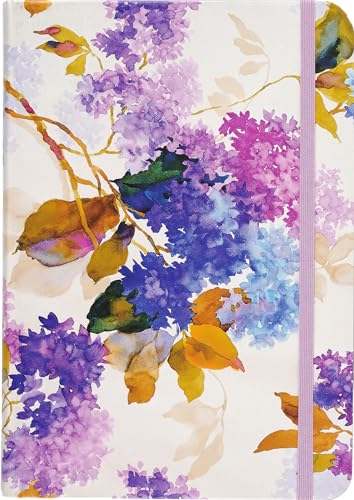
Secure and Convenient Design: Features an elastic band to keep your personalized journal securely closed and an attached pen holder, ensuring you always have a pen handy.
Showcasing Your Travelogues With Others
What better way to share adventures and discoveries than by showcasing travelogues with friends and family, turning personal experiences into an enchanting narrative! Sharing these illustrated chronicles not only enhances storytelling but also fosters Cultural Connections. Integrating maps allows readers to visualize routes taken, while well-crafted captions highlight significant moments or reflections. Organizing travelogues into sequences—for example, daily highlights or thematic chapters—creates a coherent and engaging narrative that captivates your audience. Utilizing digital platforms can expand reach, inviting lively discussions and comments on your artistic interpretations. Additionally, the tactile joy of a physical book—complete with colorful pages and unique illustrations—can elevate the travelogue experience, making it an inviting keepsake for loved ones to cherish and remember! For instance, the Holoary Photo Album, with its archival quality materials and dual-orientation pockets, provides a durable and aesthetic medium for preserving and presenting cherished travel photos.
Frequently Asked Questions
What Is the Most Popular Travel and Mapping Software?
As of 2023, Google Maps stands as the most popular travel app, favored for its extensive global coverage. Other notable travel apps like MapQuest and TripIt also enhance users’ experience with unique features and functionalities.
What Are Map Captions?
Map captions are descriptive texts enhancing a map’s storytelling by providing essential context about locations. Caption clarity is vital, ensuring viewers easily understand the significance and details associated with each marked place on the map.
How Does a Travelogue Look Like?
A travelogue often features 70% visual elements, merging photographs and maps with engaging narratives. Through visual storytelling, it captures the essence of journeys, presenting experiences vividly while drawing readers into unique cultural landscapes and adventures.
How to Write Map Captions?
Writing map captions involves succinctly specifying locations, dates, and personal anecdotes. Thoughtful map design enhances reader engagement, as descriptive language and emotional reflections create vivid imagery, enriching the travel narrative with context and depth.