As an Amazon Associate, we earn from qualifying purchases. Some links on this site are affiliate links at no extra cost to you. Our recommendations are based on thorough research and editorial judgment.

Why Binding and Trim Size Change the Reading Experience

Binding and trim size dramatically influence the reading experience by determining a book’s durability and aesthetic appeal. For instance, sturdy hardcovers can withstand life’s adventures while spiral-bound books lay flat for easy reference! Trim sizes like 6 x 9 inches offer an ideal balance of readability and portability, minimizing printing costs. These choices can elevate the book’s perceived value and comfort level. Excited to learn how these factors affect design and reader engagement? Keep exploring!
Key Takeaways
- Binding type directly affects durability, influencing how well a book withstands use and enhances the reader’s experience.
- Trim size impacts readability by determining font size, spacing, and overall comfort during reading.
- Larger trim sizes improve accessibility, making it easier to read image-heavy content or complex layouts.
- The choice of binding shapes the physical feel of the book, affecting weight and portability for the reader.
- Established trim size standards across genres guide authors in meeting reader expectations and improving engagement.
The Role of Binding in Book Durability and Accessibility

You may be interested


When readers pick up a book, they might not consider how the binding choice can greatly impact their overall experience, yet it plays an essential role in both durability and accessibility. Different binding types, like hardcover books or spiral-bound editions, affect book durability considerably; hardcover bindings are robust, ensuring longevity, while spiral-bound books are perfect for instructional texts as they lay flat for easy reading. A well-bound book enhances reader experience, as a sturdy construction protects pages, while also allowing for flexible page layouts and trim sizes. Additionally, binding choices can impact production costs, influencing a book’s price. Ultimately, good binding not only elevates book presentation but also transforms the way readers engage with the content, making it a key factor in book selection! Moreover, selecting book glue options that provide excellent bonding strength and flexibility can ensure that books remain durable and accessible over time.
Understanding Trim Size and Its Impact on Readability

Although trim size might seem like a minor detail in the vast world of publishing, it actually plays an essential role in how a book is experienced and read! Trim size impacts readability considerably, influencing book dimensions and text layout. Common trim sizes, such as 5.5” x 8.5” and 6” x 9”, balance accessibility and readability, appealing to diverse audience preferences. Larger trim sizes like 8.5” x 11” enhance readability for image-heavy content. Selecting a preferable trim size can also minimize printing costs and reduce page count, contributing to a better physical feel. In addition, aligning the trim size with genre specifications ensures consistency and meets reader expectations—strategies critical for authors aiming to engage their audience effectively! Incorporating heavy-duty steel in coffee table mechanisms ensures durability and stability, enhancing the overall functionality and longevity of the furniture.
How Binding Choices Affect the Physical Feel of a Book

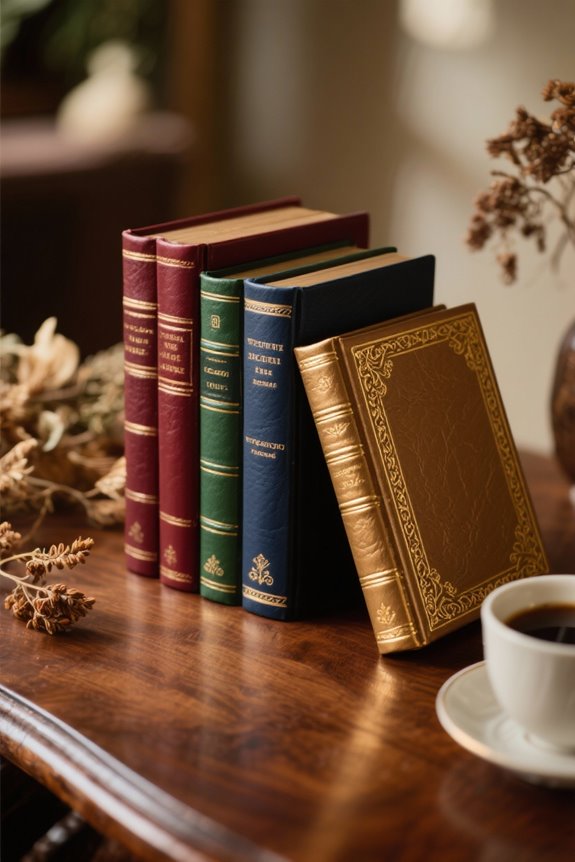
A book’s binding choices greatly shape the overall physical feel, impacting not just how it looks on a shelf but also how it feels in the hand. The binding type, whether softcover or hardcover, considerably influences weight and portability. Softcover books are typically lighter, making them more convenient for on-the-go reading, while hardcover editions often provide a sturdier, more durable experience that enhances perceived value. Perfect binding, particularly in hardcovers, allows books to open flatter, improving reader comfort and accessibility. The thicker spines of hardcover books also convey a larger physical presence, influencing how one perceives them on display. In addition, hardcover books are designed for longevity, often outlasting their more fragile softcover counterparts, promising years of enjoyment. Handmade journals often feature superior craftsmanship, contributing to their lasting appeal.
Exploring the Relationship Between Trim Size and Design
How does trim size influence the overall design and reading experience of a book? The trim size directly impacts layout design, allowing larger formats to feature spacious fonts and wider margins, thereby enhancing readability! For example, a standard trade paperback measures 6 x 9 inches, effectively balancing text and white space to boost reader engagement. Additionally, adjusting trim size can alter page count; larger formats fit more text per page, which may lower printing costs. Meanwhile, cover design must harmonize with trim dimensions, as discrepancies can lead to unattractive appearances that detract from first impressions. Genres play an important role in trim size, with children’s books often adopting unique measurements like 8 x 8 inches to showcase illustrations and captivate young audiences! Acrylic book stands offer stable support and can accommodate various trim sizes, ensuring that books of different dimensions are comfortably displayed and easily readable.
Factors to Consider When Choosing Binding and Trim Size for Your Book
Selecting the right binding and trim size for a book is a pivotal part of the publishing process, as these choices greatly influence both the reading experience and the overall presentation of the work. Authors should consider binding type—hardcover offers durability, while paperback is lighter and more portable! The trim size impacts readability, with larger sizes allowing for greater font sizes and wider margins, enhancing user comfort. Importantly, the choice of trim size can alter page count; smaller sizes result in more pages, potentially increasing printing costs. Different genres often carry established trim size standards, guiding authors toward options that meet reader expectations. Cultural and Environmental Backstory in fantasy creature design shows how context and presentation elevate storytelling, similar to how binding and trim choices enhance a book’s appeal. Ultimately, aligning binding and trim choices with content and audience can elevate a book’s appeal!
Frequently Asked Questions
Why Do Books Have 10 9 8 7 6 5 4 3 2 1?
Books utilize the 10 9 8 7 6 5 4 3 2 1 numbering system to signify print runs, enhancing pagination importance, marketing strategies relation, and historical context influence, ultimately impacting reader preferences and engagement factors considerably.
What Is the Best Trim Size for Books?
The best trim size for books varies, influenced by ideal book dimensions, genre considerations, and reader preferences. Layout design, portability factor, aesthetic appeal, and audience demographics shape choices within publishing standards and format variations.
How Do E-Books Change the Reading Experience?
E-books revolutionize reading through digital convenience, customizable fonts, and interactive features, enhancing accessibility. With multimedia integration and note-taking tools, they create an immersive experience, boosting reading speed while offering a portable library at cost-efficient prices.
What Does Trim Size Mean in Publishing?
Trim size in publishing refers to the physical dimensions of a book, impacting layout design, readability, and visual aesthetics, while addressing reader preferences, production costs, and adhering to genre specifications and publishing standards across different formats.