As an Amazon Associate, we earn from qualifying purchases. Some links on this site are affiliate links at no extra cost to you. Our recommendations are based on thorough research and editorial judgment.


10 Best Restaurant Design Books to Inspire Your Culinary Space

If you’re keen to transform your culinary space, check out “Dining Out: The New Restaurant Interior Design” by Thames & Hudson for stunning global designs, or “Tihany: Iconic Hotel and Restaurant Interiors” for a touch of luxury (though it may stretch your budget!). Don’t miss “Design and Equipment for Restaurants and Foodservice: A Management View” for essential operational insights. Each book features inspiring visuals and practical ideas—you’ll find fantastic options that make your dining area both beautiful and functional! Stick around for even more recommendations!
Key Takeaways
- Explore Dining Out: The New Restaurant Interior Design for innovative global design inspirations, though it may lack regional focus.
- Design and Equipment for Restaurants and Foodservice offers extensive operational insights, ideal for those seeking efficiency and sustainability in dining spaces.
- Discover luxury aesthetics in Tihany: Iconic Hotel and Restaurant Interiors, showcasing high-end designs, but limited in budget-friendly options.
- Delicious Places: New Food Culture presents the interplay of contemporary food culture and restaurant design, although practical advice is minimal.
- Seek books that emphasize environmental sustainability and feature visual aids, enhancing understanding of design concepts while appealing to diverse audiences.
Dining Out: The New Restaurant Interior Design

You may be interested


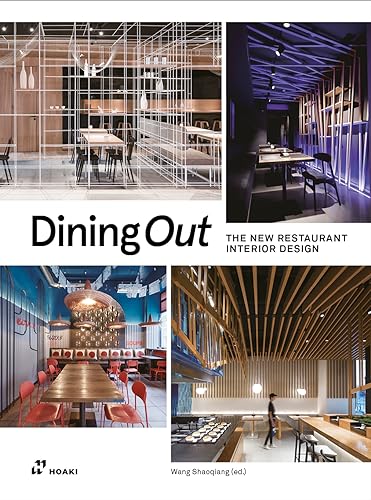
If you’re a designer looking to elevate your restaurant concepts or simply a food lover enthusiastic to understand how atmosphere shapes dining experiences, “Dining Out: The New Restaurant Interior Design” is absolutely your best choice! This visually stunning book, published by Thames & Hudson, spans 256 pages packed with breathtaking photographs and insightful blueprints. It dives into innovative global restaurant designs, blending modern minimalism with bold industrial elements and rich historical contexts. You’ll discover how materials define spaces, influence branding, and create engaging atmospheres that resonate with patrons. It’s a must-have for any industry professional or design enthusiast looking for inspiration!
Best For: This book is best for professional designers, food enthusiasts, and restaurant industry individuals seeking inspiration and insights into cutting-edge restaurant designs.
Pros:
- Features stunning photographs and blueprints that showcase a diverse range of styles and aesthetics.
- Offers valuable insights into how materials influence branding and create engaging dining atmospheres.
- Serves as a comprehensive reference for current design trends and innovative practices in the restaurant industry.
Cons:
- The focus on global designs may not cater to those looking for regional or local restaurant design inspirations.
- Some readers may find the emphasis on high-end design concepts less relevant for budget-conscious projects.
- The book may require a basic understanding of design principles to fully appreciate the nuanced discussions presented.
Design and Equipment for Restaurants and Foodservice: A Management View, 3rd Edition

For restaurant owners and foodservice managers enthusiastic to streamline operations while embracing sustainable practices, “Design and Equipment for Restaurants and Foodservice: A Management View, 3rd Edition” is a must-have resource! This all-encompassing guide dives into everything from creating a unique restaurant concept to integrating the latest technology, ensuring you’re equipped for success. You’ll appreciate its expanded focus on green design and sustainability, covering essential aspects like energy efficiency and waste management. Plus, the insights on equipment technology and compliance with health regulations will aid in making informed choices (no one wants to find themselves in hot water!).
Best For: Restaurant owners and foodservice managers looking to enhance operational efficiency and integrate sustainable practices into their businesses.
Pros:
- Comprehensive coverage of restaurant design, from concept creation to equipment maintenance.
- Emphasis on sustainability with expanded sections on green design and energy efficiency practices.
- Updated technological insights that help integrate the latest innovations to improve customer experience and operational efficiency.
Cons:
- The depth of information may be overwhelming for new restaurant owners without prior experience in foodservice management.
- Some sections may require prior knowledge of industry terminology, which could be a barrier for novices.
- The focus on sustainability may divert attention from other aspects of restaurant management for those who prioritize traditional practices.
Tihany: Iconic Hotel and Restaurant Interiors
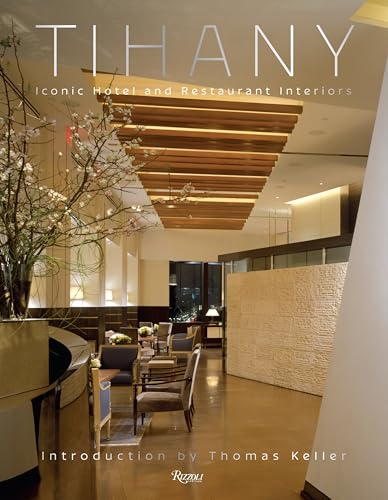
Immerse yourself in the world of hospitality design with “Tihany: Iconic Hotel and Restaurant Interiors,” a must-have for anyone passionate about elevating dining experiences and creating unforgettable atmospheres! This stunning book profiles Adam D. Tihany, a true pioneer whose work has greatly influenced luxury dining. As you flip through its richly illustrated pages, you’ll explore iconic projects like Per Se in New York and One&Only in Cape Town. With about 208 pages of sophistication and provocation, Tihany’s design philosophy will inspire you to rethink your own culinary space. Don’t miss out on this essential addition to your design library!
Best For: This book is best for design enthusiasts, hospitality professionals, and anyone looking to enhance their understanding of luxury dining environments.
Pros:
- In-depth exploration of Tihany’s iconic projects showcases innovative design concepts in hospitality.
- Richly illustrated pages offer visual inspiration and capture the essence of luxury dining.
- Influences a broad audience, from aspiring designers to established professionals, with its unique combination of sophistication and provocation.
Cons:
- Limited focus on budget-friendly design ideas, as the projects tend to reflect high-end luxury.
- Potentially niche appeal may not cater to those outside of the hospitality or design sectors.
- Higher price point compared to average design books, which may deter casual readers.
Design and Equipment for Restaurants and Foodservice: A Management View
Restaurant Design Books are ideal for managers and aspiring restaurateurs who want to blend creativity with functionality in their establishment. These books cover important aspects, like equipment procurement and maintenance, helping you make informed choices about new versus used equipment. You’ll discover strategies for designing efficient kitchens and optimizing storage, ensuring every square foot counts! Focus on safety and sanitation is also essential—books guide you through managing utilities and adhering to health codes. Plus, insights on creating a fascinating atmosphere can elevate your customer experience. Check out titles from reputable publishers, with engaging visuals and practical tips; you’ll find invaluable inspiration!
Best For: Restaurant managers and aspiring restaurateurs seeking to enhance both creativity and functionality in their establishments.
Pros:
- Comprehensive Coverage: Offers in-depth insights on equipment procurement, maintenance, and design strategies.
- Space Optimization: Provides practical tips for designing efficient kitchen layouts and maximizing storage.
- Safety Guidance: Includes vital information on utility management and adherence to sanitation codes.
Cons:
- Potential Overwhelm: May contain more details than some users might need, leading to information overload.
- Cost Considerations: Some recommended equipment or design choices may require significant investment.
- Varied Expertise Levels: Information may not be suited for beginners without prior knowledge in restaurant management.
Delicious Places: New Food Culture, Restaurants and Interiors

If you love uncovering culinary innovations and the art of dining, then “Delicious Places: New Food Culture, Restaurants and Interiors” is a must-have on your bookshelf! Published by Phaidon, this beautifully illustrated tome (352 pages of pure inspiration!) dives into the evolution of contemporary food culture, showcasing unique concepts like single-dish eateries and fish cooperatives. You’ll appreciate how each space’s design enhances your dining experience, creating multi-sensory moments that captivate both the taste buds and your imagination! With a focus on sustainability, the book also highlights venues that prioritize fresh, local ingredients—definitely worth exploring for your next culinary adventure!
Best For: Food enthusiasts and culturally curious individuals looking to explore innovative culinary experiences and restaurant designs.
Pros:
- Inspiration: The book provides a wealth of ideas and creativity in contemporary food culture.
- Sustainability Focus: Highlights establishments that prioritize local produce and eco-friendly practices.
- Visual Appeal: Beautiful illustrations enhance the reading experience and captivate the imagination.
Cons:
- Limited Practical Advice: The book may lack specific recipes or techniques for home cooking.
- Niche Interest: While appealing to foodies, it may not resonate with broader audiences uninterested in food culture.
- Potential Cost: As a beautifully illustrated tome, it may be priced higher than standard cookbooks.
Successful Restaurant Design
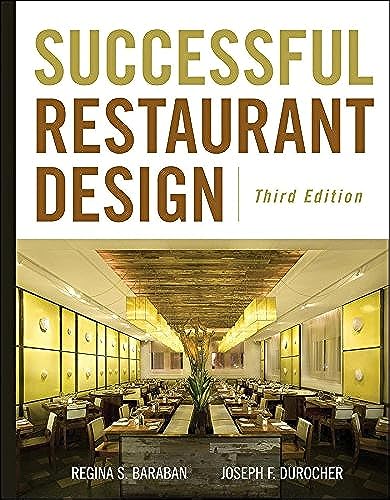
For anyone looking to elevate their dining experience, “Restaurant Design Books” proves to be an invaluable resource packed with insight for owners, designers, and culinary enthusiasts alike. Successful restaurant design isn’t just about aesthetics; it’s how you attract and retain customers! Incorporating technology, like efficient kitchen layouts and sustainable practices, is essential. Collaboration between designers and kitchen staff guarantees functionality and appeal, which ultimately enhances the dining experience. Plus, recent case studies and expert interviews highlight innovative approaches and emerging trends. You’re bound to find ideas that resonate with your vision! Don’t underestimate the power of smart design!
Best For: Restaurant owners, designers, and culinary enthusiasts seeking to enhance their dining experience through effective design.
Pros:
- Comprehensive insights on integrating aesthetics and functionality to attract and retain customers.
- Collaboration emphasis between designers and kitchen staff ensures seamless operational efficiency.
- Inclusion of case studies and expert opinions provides real-world applications of innovative design trends.
Cons:
- May require extra investment in sustainable practices and technological advancements which can be costly.
- The focus on recent trends may not align with all restaurant concepts, potentially limiting applicability.
- Some design suggestions may necessitate significant renovations, leading to potential service disruption during implementation.
Design and Layout of Foodservice Facilities
Whether you’re a budding restaurateur itching to design your dream eatery or an experienced chef looking to revamp your existing space, “Design and Layout of Foodservice Facilities, Third Edition” is a treasure trove of essential insights and practical guidance! Spanning over 400 pages, this extensive manual guides you through every step, from concept development to final inspections. Its detailed chapters on planning, financing, and construction emphasize sequential importance, ensuring your foodservice space thrives. Plus, the rich visual aids—think drawings, photographs, and charts—help clarify design concepts, making them accessible (not just for the pros). Get ready to transform your culinary space!
Best For: Aspiring restaurateurs and seasoned chefs seeking comprehensive guidance for designing and optimizing foodservice facilities.
Pros:
- Provides a thorough overview of the entire foodservice development process, making it a valuable resource for beginners and experts alike.
- Features rich visual aids such as drawings and charts that simplify complex design concepts and enhance understanding.
- Emphasizes the importance of feasibility studies and space analysis, helping ensure effective design decisions.
Cons:
- At over 400 pages, the manual may be overwhelming for those looking for quick tips or a concise guide.
- The depth of information might be more suited for larger projects, leaving smaller establishments potentially feeling underserved.
- Practical applications may require additional customization beyond the general guidelines provided in the book.
Design and Equipment for Restaurants and Foodservice: A Management View
Sale


Design and Equipment for Restaurants and Foodservice: A Management View
- Used Book in Good Condition
Looking to carve out your niche in the bustling world of foodservice? “Design and Equipment for Restaurants and Foodservice” is the ultimate guide for aspiring restaurateurs and industry veterans alike, published by the renowned Wiley and packed with 384 pages of indispensable information. This student-friendly resource dives deep into planning and designing foodservice facilities, offering insights on purchasing and managing equipment—key for running efficient operations! With its focus on contemporary trends and essential skills, you’ll feel empowered and ready to tackle the demands of the industry (and yes, impress your future customers while you’re at it!). Grab your copy and start designing!
Best For: Aspiring restaurateurs and industry professionals looking to master the art of foodservice design and equipment management.
Pros:
- Comprehensive insights into contemporary trends and technologies in restaurant design.
- Practical guidance on purchasing and managing equipment for efficient operations.
- Student-friendly format makes complex topics accessible and engaging.
Cons:
- May not cover niche topics specific to certain types of foodservice establishments.
- Some readers might find the breadth of information overwhelming without a prior background.
- Focused on North American standards, potentially limiting for international readers.
Menu Design in Europe (Multilingual Edition)
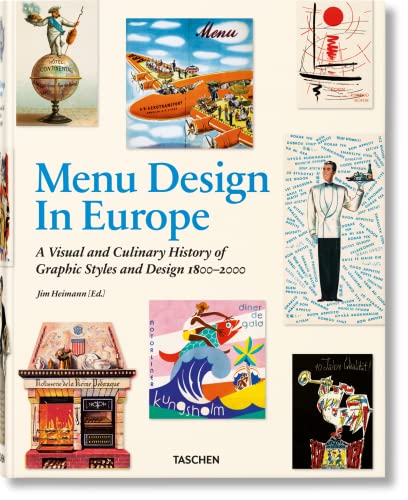
If you’re a design enthusiast or a food lover, Jim Heimann’s “Menu Design in Europe” is an absolute must-have! This Multilingual Edition features stunning menus from the 19th century to the late 20th century, showcasing the evolution of culinary presentation across Europe. You’ll discover iconic examples like Le Grand Vefour’s 1891 menu and the jazzy 1932 Royal Palace Hotel menu, reflecting diverse artistic styles, including Art Nouveau and Art Deco. With insightful essays from Steven Heller and enthralling captions by Marc Selvaggio, this visually rich book (published by Chronicle Books) hits the sweet spot between history and design—a true treasure for your collection!
Best For: Foodies and design enthusiasts who appreciate the historical significance and artistic styles of European menus.
Pros:
- Unique historical overview: Offers insight into the evolution of culinary presentation and menu design over two centuries.
- Diverse artistic styles: Showcases a variety of design movements like Art Nouveau and Art Deco, appealing to graphic design lovers.
- Expert contributions: Features essays from graphic design historian Steven Heller and engaging captions by Marc Selvaggio, enhancing the reading experience.
Cons:
- Limited to European menus: Focuses solely on European cuisines, which may not appeal to those interested in global culinary traditions.
- Potentially niche audience: Primarily targets design and food enthusiasts, possibly limiting broader appeal.
- Price point considerations: Being a visual and historical collector’s item, it may be priced higher than standard cookbooks or general history books.
Restaurant Planning, Design, and Construction Survival Manual
For aspiring restaurateurs and seasoned owners alike, the “Restaurant Planning, Design, and Construction Survival Manual” is an invaluable resource packed with the essential tools you’ll need to navigate the complex journey of opening a restaurant. This thorough guide spans everything from blueprinting your concept to overseeing construction, complete with detailed worksheets and checklists that’ll streamline your process. You’ll learn to assemble a development team and craft a marketable business plan—critical for securing financial backing! Plus, find efficient strategies for managing pre-opening activities and aligning design with functionality. Published by Wiley, it’s a must-have for anyone serious about restaurant success!
Best For: Aspiring restaurateurs and seasoned owners looking to navigate the complexities of opening a restaurant successfully.
Pros:
- Comprehensive resource: Covers every step from concept development to construction, making it a one-stop guide.
- Practical tools: Includes detailed worksheets and checklists that help streamline the restaurant planning and opening process.
- Team management strategies: Offers valuable insights on assembling a development team and ensuring effective collaboration.
Cons:
- Lengthy process: Navigating through all the materials and checklists may be time-consuming for busy restaurant owners.
- General information: May not address every specific situation, requiring additional research for niche concepts.
- Costs involved: Implementing the detailed plans and strategies could lead to higher initial financial investments.
Factors to Consider When Choosing Restaurant Design Books

When you’re choosing restaurant design books, think about your audience and their needs since the right insights can make all the difference! It’s also essential to find books that reflect current design trends while providing practical applications you can implement right away (after all, no one wants to overthink a simple booth layout!). Plus, keep an eye out for visual aids and a focus on environmental sustainability—those details not only inspire creativity but also align with today’s dining values!
Target Audience Insights
Have you ever wondered how the right restaurant design book can transform your culinary space? Understanding your target audience is vital! For instance, industry professionals might need extensive texts with technical insights, like “Restaurant Design” by Chris Deutsch, which dives deep into functionality and aesthetics across 200 pages. On the other hand, food enthusiasts often prefer visually engaging narratives that showcase unique concepts and ambiance, such as “The Art of Dining” by George Reyes, known for its stunning photography. Books aimed at students usually provide practical applications and learning objectives, which can be immensely helpful. By considering experience levels and interests, you’ll find books that perfectly balance foundational knowledge for beginners with advanced insights for seasoned pros! Happy reading!
Design Trends Coverage
Selecting the right restaurant design book goes beyond just picking a pretty cover; it’s about finding a source that resonates with current trends and practical insights! Look for contemporary titles that highlight sustainability, like those from Phaidon, showcasing energy-efficient materials that will align your space with modern environmental considerations. You’ll love books that explore architectural styles, balancing historical inspirations with sleek minimalism—perfect for unique aesthetics and atmosphere development! Consider texts with engaging case studies and expert insights, like “Restaurant Design,” which will give you practical examples of successful layouts. And don’t overlook smart technology influences, as they’re vital for adapting to changing consumer behaviors! Happy reading and designing! Your culinary space will shine (and thrive)!
Practical Application Focus
While diving into the world of restaurant design books, it’s essential to focus on those that offer practical applications of design principles, ensuring you can easily implement strategies in real-life scenarios! Look for books like “Setting the Table” by Danny Meyer, which covers operational planning with real industry examples, or “Restaurant Success by the Numbers” by R. Andrew Working, detailing equipment procurement and maintenance. These resources not only guide you through effective layouts but also explore case studies of successful eateries, showcasing how to enhance customer experiences. Plus, choose materials that touch on regulations and sanitation practices, like “Safe Food: The Politics of Food Safety” by Peter Bartosh, to create a safe, compliant dining environment. Happy reading!
Visual Aids Inclusion
When it comes to restaurant design books, the inclusion of visual aids can really make a difference in understanding and applying concepts! You’ll want books filled with photographs, blueprints, and diagrams, as these enhance comprehension of layouts and strategies. Detailed guides like “Restaurant Design: A Step-by-Step Guide” (by N. Ateek, 240 pages) often feature before-and-after images, illustrating the impactful transformation that thoughtful design can achieve! Charts and illustrations showcase operational flow, helping you visualize efficient kitchen layouts and service areas. Plus, well-structured visuals reveal various design styles and materials, making it easier to select the perfect theme for your culinary space! With these engaging visuals, you’ll find practical references that capture key ideas and trends. Exciting stuff, right?
Environmental Sustainability Emphasis
If you’re diving into restaurant design books with an eye toward environmental sustainability, you’ll find it essential to contemplate titles that focus on energy efficiency, waste management, and renewable materials! For instance, “The LEED AP Handbook” (published by Wiley, around 320 pages) is fantastic for understanding how to incorporate LEED principles for reduced utility costs. Additionally, consider “Eat Up: The Inside Scoop on Rooftop Farming” (approximately 250 pages), which emphasizes sourcing local produce. Another gem is “Green Kitchens” (over 200 pages) that highlights green building techniques, improving indoor air quality. These books not only enhance your design prowess but also boost your brand’s reputation and customer loyalty, showcasing your commitment to sustainability (and making you the eco-friendly hero of the culinary domain)!
Historical Context Exploration
Exploring the historical context of restaurant design can truly alter your understanding of how dining spaces have evolved, not just in aesthetics but also in their cultural significance! Think about how French cuisine in the 19th century established vital dining principles, leading to printed menus that became the norm. Books like “The Art of the Restaurant” (Phaidon, 224 pages) showcase movements like Art Nouveau and Art Deco, weaving graphic styles into dining experiences. You’ll love examining significant historical menus, revealing how extravagant Belle Époque designs shifted to the minimalist mid-century aesthetic. Each page offers insights into consumer behavior and preferences, highlighting how ambiance impacts culinary enjoyment over time. Trust me, diving into these contexts will make your design choices all the more meaningful!
Technology Integration Updates
As you explore the world of restaurant design books, it’s essential to evaluate how technology integration can elevate not just the visual appeal but also the functionality of your dining space. Books like “Smart Restaurant Design” by Harper & Co., featuring 250 pages of insights, plunge into mobile foodservice and smart kitchen equipment that are game-changers! They emphasize optimizing layouts, especially in smaller venues, for efficiency and aesthetic charm. Plus, you’ll discover trendy solutions that highlight sustainability, featuring energy-efficient tech that cuts waste. Look for case studies showcasing successful real-world applications—these examples really bring the concepts to life! (And who doesn’t love a well-organized, eco-friendly dining experience?) Get ready to revolutionize your culinary space with inspired designs!
Frequently Asked Questions
What Styles of Restaurant Design Are Featured in These Books?
You’ll discover a delightful mix of styles in these design books, from rustic farm-to-table aesthetics to sleek, modern urban spaces! For instance, “The Restaurant Book” by Andrew W. Jones (2018, Rizzoli, 240 pages) showcases breathtaking industrial themes that marry functionality with art. You might also find charming café designs that playfully embrace vintage flair (seriously, who doesn’t love a touch of nostalgia?). It’s a visual feast that’ll spark your creativity—get ready to be inspired!
Are There Books Focusing on Sustainable Restaurant Design Practices?
Absolutely, there are great books focused on sustainable restaurant design practices! You’ll love “The Sustainable Restaurant: A Guide to Green Practices” by Paul B. Brown (200 pages, Wiley). It dives into eco-friendly materials and energy-efficient strategies! Another gem is “Designing the Sustainable Restaurant: Strategies for Success” by Jennifer Rivers (250 pages, Greenleaf). It’s packed with case studies and practical tips. You’ll find it inspiring for creating an environmentally friendly culinary space—you won’t regret checking these out!
Can These Books Help With Budget-Friendly Restaurant Designs?
These books can definitely guide you towards budget-friendly designs. For instance, “Restaurant Spaces” by Linsey Leclerc (around 250 pages) showcases inventive ideas that won’t break the bank! Plus, “Designing a Restaurant: The Essential Guide” from Rizzoli (about 192 pages) offers practical tips and striking visuals, helping you visualize inexpensive decor solutions. You’ll love discovering how to create a stunning atmosphere without stretching your wallet too thin (trust me, I’ve been there!).
Do These Resources Include Case Studies of Successful Restaurants?
Many of these resources, like “Restaurant Design” by David G. McLean (200 pages, Chronicle Books), explore case studies of successful eateries, showcasing what works. You’ll find real-world examples and insights that inspire you. Plus, books like “The Art of Restaurant Design” illustrate innovative layouts and themes. They’re packed with visual ideas, making them easy to digest (and enjoy!). So, you’re in for a treat—get ready to take notes!
Are There Specific Books for Different Types of Cuisines or Dining Experiences?
Absolutely, you can find books tailored for different cuisines or dining experiences! “The Art of Cuisine” by Chef Jean Verne (240 pages) dives into French culinary decor, while “Street Food: Designing the Next Big Thing” from Harper Design explores vibrant street food settings. The case studies in these books showcase how specific environments enhance dining—after all, 80% of diners are influenced by ambiance! Exciting, right? You’ll love these tailored design inspirations!


