As an Amazon Associate, we earn from qualifying purchases. Some links on this site are affiliate links at no extra cost to you. Our recommendations are based on thorough research and editorial judgment.


10 Best Books on Submarine History That Every Naval Enthusiast Should Read

If you’re passionate about naval history, you’ve got to check out “Running Deep” (288 pages) for gripping WWII submarine tales; it’s a winner! Then, there’s “Blind Man’s Bluff,” an enthralling look at Cold War espionage. Don’t miss “U.S.S. Seawolf,” a vivid account from the submarine’s crew, either! For an overview, “The World Encyclopedia of Submarines” offers over 700 stunning photos and 120 years of history. Keep exploring, and you’ll reveal even more engaging stories and insights!
Key Takeaways
- “Running Deep” and “Thunder Below!” offer captivating narratives on WWII submarines, showcasing bravery and innovative tactics during naval warfare.
- “Blind Man’s Bluff” provides an in-depth look at Cold War submarine espionage, ideal for readers interested in military covert operations.
- “The World Encyclopedia of Submarines” serves as a visual guide, detailing over 150 submarines with 700+ photographs, suitable for naval history enthusiasts.
- “Cold War Submarines” emphasizes the technological evolution of U.S. and Soviet sub designs, appealing to military history and tech-savvy readers.
- “The US Navy’s Fast Attack Submarines, Vol. 1” focuses specifically on Los Angeles class submarines, enriching understanding of modern submarine operational history.
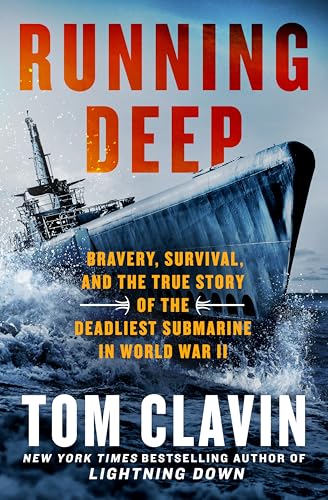
Running Deep: Bravery, Survival, and the True Story of the Deadliest Submarine in World War II

You may be interested


If you’re a history buff or just someone fascinated by extraordinary tales of bravery and survival, then “Running Deep: Bravery, Survival, and the True Story of the Deadliest Submarine in World War II” is a must-read for you! This gripping account explores the USS Tang and Captain Richard O’Kane’s remarkable feats during the Pacific War, where they achieved an astounding record in submarine warfare. With 288 pages published by Potomac Books, it vividly captures the harrowing experiences of the crew as they faced six times higher mortality rates than surface sailors. You’ll feel the tension and triumph alongside them!
Best For: History enthusiasts and readers interested in tales of extraordinary bravery and survival during World War II.
Pros:
- Captivating Narrative: Engages readers with thrilling accounts of submarine warfare and survival against overwhelming odds.
- Historical Insights: Provides in-depth information about submarine operations and the personal experiences of those who served.
- Heroic Legacy: Highlights the bravery and achievements of Captain Richard O’Kane and his crew, giving inspiration to future generations.
Cons:
- Graphic Content: May contain intense descriptions of war and suffering that could be distressing to some readers.
- Length: At 288 pages, it might be a commitment for those looking for a quicker read.
- Niche Audience: Primarily appeals to readers with a specific interest in military history, submarine warfare, or World War II, limiting broader appeal.
The US Navy’s Fast Attack Submarines, Vol.1: Los Angeles Class 688
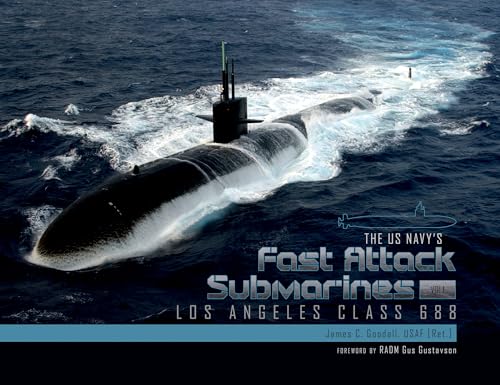
For anyone captivated by naval history and technology, “The US Navy’s Fast Attack Submarines, Vol. 1: Los Angeles Class 688,” published by Osprey, is an absolute must-have! This engaging book, richly illustrated, explores the 62 nuclear-powered submarines built during the Cold War, showcasing their design and construction journey from start to finish. You’ll find exclusive photos of the interiors (finally, right?), revealing life inside these formidable vessels. With impressive armament, including Mk 48 torpedoes and Tomahawk missiles, the Los Angeles class remains an essential part of today’s naval operations and serves as a reflection of their enduring legacy!
Best For: Enthusiasts of naval history and technology who appreciate detailed accounts and visuals of submarines.
Pros:
- Richly illustrated with exclusive photographs showing the interiors of Los Angeles class submarines.
- Provides comprehensive coverage of the design, construction, and operational history of the submarines.
- Highlights the impressive armament and capabilities, making it relevant for military strategy discussions.
Cons:
- Focused primarily on one class of submarine, which may not satisfy those looking for a broader overview of all US Navy submarines.
- Some readers might find the technical details too dense or specialized if they’re not familiar with naval terminology.
- The publication’s emphasis on historical context may not appeal to those seeking current operational updates or analyses.
Blind Man’s Bluff: The Untold Story of American Submarine Espionage
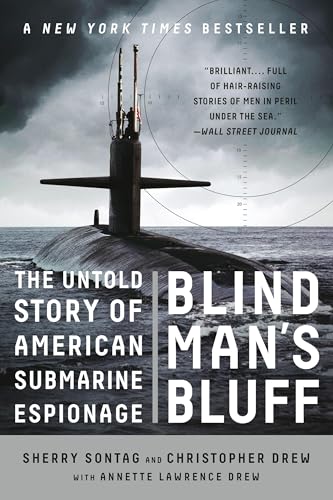
“Blind Man’s Bluff: The Untold Story of American Submarine Espionage” is a must-read for anyone fascinated by military history, especially the covert operations that define the Cold War era. Written by Sontag and Drew, this gripping New York Times bestseller captures over six years of thorough research into the “silent service” and its daring underwater missions! The book spans events from the Cold War to the twenty-first century, revealing secrets once known only to a few. Its vivid, fast-paced narrative reads like a spy thriller (yes, you might forget it’s all true!), making it an enthralling plunge into submarine warfare.
Best For: Those interested in military history and covert operations, particularly during the Cold War.
Pros:
- Thoroughly researched: Six years of investigation provides in-depth insights into submarine warfare.
- Engaging narrative: The vivid, fast-paced writing style makes the historical content feel like a thrilling spy novel.
- Reveals hidden truths: Uncovers secrets of the “silent service” that were previously known only to a select group.
Cons:
- Potentially overwhelming: The book’s depth of detail may be challenging for casual readers or those unfamiliar with military history.
- Complex terminology: Some readers may find the technical aspects of submarine operations difficult to understand.
- Focus on a specific era: The concentrated historical focus may not appeal to those interested in broader military contexts outside the Cold War.
Submarines: From Early Submersibles to Nuclear-Powered Submarines
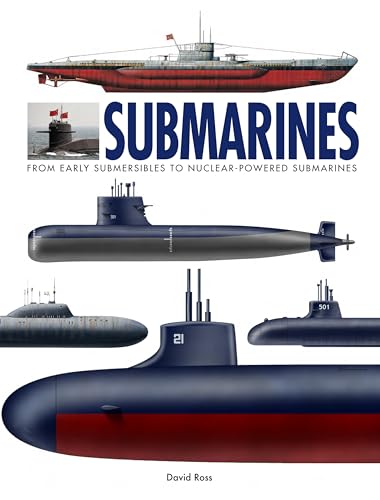
Diving deep into the fascinating world of submarine history, you’ll find that “Books on Submarine History” is a treasure trove for enthusiasts, historians, and even casual readers keen to uncover the evolution of underwater warfare. From early submersibles to nuclear-powered beasts, titles like “Submarine: A History of the Modern Attack Submarine” (Kensington Publishing, 352 pages) highlight pivotal moments, such as the daring exploits of WWII’s German U-9. Don’t miss “The Last Submarine” (Naval Institute Press, 200 pages), showcasing modern marvels like the USS Virginia. Each entry combines engaging narratives, vivid illustrations, and detailed specs—making these reads essential for any naval fan!
Best For: Submarine history enthusiasts, naval historians, and casual readers interested in the evolution of underwater warfare.
Pros:
- Engaging narratives that captivate readers and provide insights into significant historical events.
- Vivid illustrations and detailed specifications enhance understanding of submarine design and features.
- Diverse selection of titles covering a wide range of topics from early submarine development to modern nuclear-powered vessels.
Cons:
- Limited focus on technical specifications may not satisfy those seeking in-depth engineering details.
- Availability issues for some titles may limit access for interested readers.
- Potential for overlap in content across different books, leading to redundancy for well-read enthusiasts.
The World Encyclopedia of Submarines
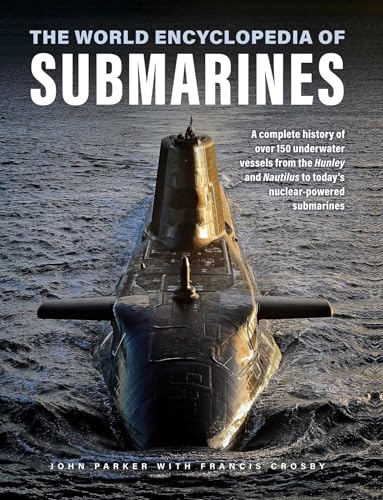
If you’re a naval history enthusiast or just someone intrigued by the mysteries of underwater warfare, then “The World Encyclopedia of Submarines” is an absolute must-have! This extensive guide dives into the fascinating evolution of over 150 submarines, chronicling their history from the Civil War’s Hunley to today’s cutting-edge nuclear-powered designs. Authored by John Parker and Francis Crosby, this book dazzles with over 700 stunning photographs, while its detailed specifications panel provides invaluable insights. Spanning more than 120 years of submarine development, this engaging resource will surely keep you turning pages and pondering the depths of underwater innovation!
Best For: Anyone with a passion for naval history and underwater warfare who seeks a comprehensive resource on submarine evolution and technology.
Pros:
- Contains over 700 historical and modern photographs, enhancing visual engagement.
- Offers detailed specifications of over 150 submarines, providing in-depth knowledge.
- Covers a rich timeline of submarine history, appealing to both enthusiasts and scholars.
Cons:
- The extensive detail may overwhelm casual readers or those looking for a quick overview.
- Focus primarily on submarines may limit interest for those seeking broader naval topics.
- Some technical jargon may be challenging for readers without a background in military technology.
Oyster Perpetual Submariner: The Watch that Unlocked the Deep

For anyone fascinated by the intersection of timekeeping and exploration, “Oyster Perpetual Submariner: The Watch that Revealed the Deep” is an essential addition to your bookshelf! Authored by watch expert Nick Foulkes and published by Wallpaper*, this compelling book discloses the rich 71-year history of the iconic Rolex Submariner. Featuring stunning original photography and contributions from notable figures like marine biologist Sylvia Earle, it dives deep into the watch’s significance in marine exploration and design. Whether you’re a watch enthusiast or a history buff, this edition promises fresh insights that’ll keep you captivated on every page! Don’t miss out!
Best For: This book is best for watch enthusiasts and individuals intrigued by innovation, history, and marine exploration.
Pros:
- Comprehensive historical overview of the Rolex Oyster Perpetual Submariner, detailing its 71-year legacy.
- Contributions from notable figures such as Sylvia Earle and David Doubilet, underscoring the watch’s significance in marine exploration.
- Stunning original photography that complements the engaging narratives and enhances the visual appeal of the book.
Cons:
- Limited initial reviews may leave potential readers uncertain about content quality.
- The niche focus on a specific watch might not appeal to general readers outside watch enthusiasts.
- As a premium publication, the book may have a higher price point than typical history or exploration books.
Thunder Below!: The USS Barb Revolutionizes Submarine Warfare in World War II

“Thunder Below!: The USS Barb Revolutionizes Submarine Warfare in World War II” is a must-read for anyone fascinated by naval history and the innovative tactics that transformed submarine warfare! This engaging account by Captain Gene Fluckey (published by Naval Institute Press, 2002) dives deep into the Barb’s legendary missions, showcasing the crew’s astounding achievements, including sinking the most tonnage of any American submarine during the war. You’ll be captivated by their risk-taking tactics, like attacking on the surface and even ramming enemy ships! With a gripping narrative and fascinating archival excerpts, this book will inspire you to appreciate submarine warfare’s daring evolution!
Best For: History enthusiasts and naval warfare aficionados looking to explore revolutionary strategies in submarine combat during World War II.
Pros:
- Engaging narrative that immerses readers in the daring exploits of the USS Barb and its crew.
- Innovative tactics discussed, revealing how the Barb redefined submarine warfare with surface attacks and rocket missiles.
- Rich archival research enhances the authenticity and depth of the story, providing unique insights into the operations and culture aboard the submarine.
Cons:
- Niche audience may limit its appeal to readers only interested in military or naval history.
- Dense historical detail may overwhelm casual readers not familiar with the complexities of World War II naval engagements.
- Focus on one submarine: Readers seeking a broader overview of submarine warfare may find it limited to the USS Barb’s specific legacy.
U.S.S. Seawolf: Submarine Raider of the Pacific

Submarine enthusiasts and history buffs alike will find “U.S.S. Seawolf: Submarine Raider of the Pacific,” a gripping narrative published by Naval Institute Press, essential for understanding naval warfare! Told through the eyes of Chief Radioman Joseph Eckberg, this detailed account (240 pages, hardcover) immerses you in the heat and chaos of life aboard a WWII submarine. You’ll feel the sweat from depth-charge attacks and share in the crew’s triumphs and struggles. With vivid realism, the book not only highlights Seawolf’s significant contributions in the Pacific theater but also brings to life the extraordinary courage of submariners—truly a must-read!
Best For: Submarine enthusiasts and history buffs seeking an immersive and detailed account of WWII naval warfare.
Pros:
- Authentic Perspective: Offers insights from Chief Radioman Joseph Eckberg, making the narrative personal and engaging.
- Vivid Realism: Captures the intensity of submarine life and combat, enhancing reader connection to the experiences.
- Historical Significance: Highlights the importance of the U.S.S. Seawolf in the Pacific theater, providing valuable historical context.
Cons:
- Niche Audience: Primarily appeals to readers interested in military history, possibly limiting its broader appeal.
- Detailed Focus: The intense realism may be overwhelming for some readers not accustomed to graphic war descriptions.
- Lengthy Format: At 240 pages, it might require a significant time commitment for readers with busy schedules.
Cold War Submarines: U.S. and Soviet Submarines Design and Construction (1945-2001)

If you’re fascinated by military history, particularly the intriguing interplay of technology and strategy during the Cold War, then “Cold War Submarines: U.S. and Soviet Submarines Design and Construction (1945-2001)” is a must-read! This insightful book, penned by experts Norman Polmar and K. J. Moore, explores the evolution of submarine design, spotlighting how U.S. and Soviet technologies diverged from their shared German U-boat roots. With 448 pages filled with detailed analysis and striking visuals, you’ll uncover the complexities of these underwater giants, their roles in intelligence and deterrence, and the unique missions that shaped their designs! Get ready to dive deep!
Best For: This book is best for military history enthusiasts and anyone interested in the technological advancements and strategic developments during the Cold War.
Pros:
- Provides an authoritative analysis from experts with access to former Soviet submarine design bureaus.
- Richly detailed with visuals that enhance understanding of submarine design and capabilities.
- Covers a wide range of topics, including intelligence operations, deterrence strategies, and the evolution of U.S. and Soviet submarines.
Cons:
- The extensive detail may overwhelm casual readers not familiar with military technology.
- Focused primarily on U.S. and Soviet submarines, potentially neglecting developments in other nations.
- The intricate technical discussions might not appeal to those looking for a more narrative-driven history.
Submarines of World War II: 1939-45 (Technical Guides)
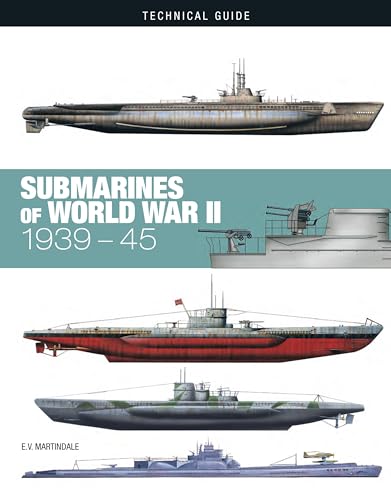
For anyone fascinated by the daring battles and technological marvels of underwater warfare, the book “Submarines of World War II: 1939-45” by the Naval Institute Press is a must-have! This detailed guide covers the remarkable submarine designs and operations from various nations, including the audacious U-47 raid at Scapa Flow and Japan’s innovative I-400 class carrier-submarine. With enchanting illustrations and a well-structured layout, you’ll find it easy to explore the pivotal roles submarines played in the conflict. Whether you’re a modeler or a history buff, this 192-page guide will surely deepen your appreciation for wartime naval exploits!
Best For: This book is best for naval history enthusiasts, modelers, and anyone interested in the technological advancements of World War II submarines.
Pros:
- Comprehensive Coverage: Offers detailed insights into various submarine designs and operations by multiple nations during World War II.
- Illustrative Content: Features vivid artworks that enhance understanding and appreciation of historical submarines.
- Well-Structured Layout: Easy to navigate, making it ideal for both casual readers and serious researchers.
Cons:
- Limited to World War II: Focuses solely on submarines from this specific period, which may not appeal to those interested in submarines from other eras.
- Niche Audience: Primarily targets a specialized audience, potentially limiting its market appeal to the general public.
- No Interactive Content: Lacks digital enhancements or interactive features that some readers might prefer in modern publications.
Factors to Consider When Choosing Submarine History Books

When you’re picking submarine history books, consider who your audience is—it makes a difference! You’ll want to guarantee the author has solid expertise and that the content isn’t just engaging but also accurate (since we all love a good fact check, right?). Also, keep an eye on visuals and illustrations; they’re often the secret sauce that brings history to life, so check page counts and publisher quality while you’re at it!
Target Audience Preferences
Choosing a submarine history book can feel overwhelming since each type caters to different interests and preferences, but understanding your audience helps narrow your options! If you’re passionate about military tactics, books like “Silent Warriors” (Naval Institute Press, 320 pages) explore strategies used during World War II, providing deep insights. For tech aficionados, consider “The Submarine Design Revolution” (200 pages), which covers specifications and innovations. Storytelling lovers might enjoy “Undersea Tales” (370 pages), rich with first-hand accounts that bring emotion to the forefront. If you’re a historian, “The Evolution of Submarines” (450 pages) offers a thorough overview of their maritime roles. Remember to look for visually compelling options with photographs to enhance your reading adventure!
Historical Accuracy Importance
Understanding the significance of historical accuracy can greatly enhance your experience when exploring submarine history books! Books that focus on events like the USS Tang’s impressive sinking record offer reliable insights into World War II’s naval battles. You’ll appreciate the intense risks faced by American submariners, whose mortality rates were six times higher than those of surface sailors—an aspect you wouldn’t want to overlook. Additionally, the revolutionary tactics of submarines, including those of the USS Barb, highlight fascinating military innovations that need accurate depictions to grasp their impact fully! Don’t miss the technological details of special submarines like the Los Angeles class, which can shape your understanding of naval warfare evolution, making your reading truly rewarding!
Author Expertise and Credibility
Diving into a good submarine history book can be thrilling, but you’ll want to pay close attention to the author’s expertise and credibility before making your selection. Look for authors with a strong background in naval history or military studies—like those published by respected names such as Naval Institute Press, often with multiple works focusing on submarines. Authors who’ve served on submarines can offer incredible insights, and books backed by thorough research, featuring archival documents, firsthand accounts, and interviews, always enhance the narrative’s authenticity. It’s also essential to choose authors who present complex technical details in an accessible way while collaborating with reputable maritime institutions—these details add an extra layer of credibility worth considering! Happy reading!
Visuals and Illustrations Quality
While you’re on the lookout for engaging submarine history books, don’t underestimate the power of high-quality visuals and illustrations, which can greatly enrich your reading experience. Books like “The World Encyclopedia of Submarines” (with over 700 stunning photographs!) provide a visual feast that contextualizes submarine evolution. Illustrated guides, such as “Submarines: From Early Submersibles to Nuclear-Powered Submarines,” combine jaw-dropping visuals and detailed cutaways to showcase various submarine classes effectively. Works like “The US Navy’s Fast Attack Submarines, Vol.1: Los Angeles Class 688” offer unique photographic insights into operational environments. Plus, the vivid illustrations in “Submarines of World War II: 1939-45” serve as excellent references for enthusiasts and modelers, breathing life into historical narratives! Get ready to plunge into!
Content Depth and Scope
When you’re choosing a book on submarine history, it’s crucial to take into account not just what’s covered, but how deeply it’s explored. Look for titles that delve into the evolution of submarine designs—from early submersibles to today’s nuclear-powered marvels. An engaging book like “Silent Warriors” (Naval Institute Press, 384 pages) offers thrilling accounts of World War II missions and Cold War strategies! Don’t forget to assess the human experience too; personal narratives from crew members can truly enhance understanding. Plus, make sure the book encompasses a broad range of submarines, featuring significant classes like the Los Angeles or USS Barb for thorough insights. With the right depth and scope, your knowledge of submarine warfare will soar!
Frequently Asked Questions
What Are the Key Themes in Submarine History Literature?
Key themes in submarine history literature include the evolution of technology, the psychological impact on crews, and naval warfare strategies! You’ll often find tales of bravery and survival, highlighting human resilience in confined spaces. Books like “Silent Victory” by Clay Blair (Doubleday, 1975, 936 pages) investigate deep into WWII submarine tactics, while “The Last Dive” by Bernie Chowdhury (HarperCollins, 2000, 304 pages) explores the thrill and dangers of deep-sea diving. Fascinating stuff!
How Can I Find Rare Submarine History Books?
To find rare submarine history books, check online marketplaces like AbeBooks or ThriftBooks; they often have hidden gems! You might also visit local used bookstores and library sales for unique finds. Don’t forget to explore specialized military bookshops or even rare book fairs, which can boast impressive collections. Sites like eBay may have individual sellers offering out-of-print treasures. Keep an eye out—your next prized possession could be just a click away!
Are There Audiobooks Available on Submarine History?
You’ll find several exciting audiobooks on submarine history that dive deep into fascinating stories. For instance, “Shadow Divers” by Robert Kurson (published by Broadway, 320 pages) recounts the thrilling hunt for a World War II subwreck in New Jersey! You can also check out “Into the Deep” by Francesca S. D’Angelo, which weighs in at 250 pages, offering compelling narratives. So, plug in and immerse yourself in these underwater adventures—you won’t regret it!
What Formats Are Submarine History Books Available In?
Submarine history books come in various formats to suit your preferences! You’ll find traditional hardcovers, like “Blind Man’s Bluff” from HarperCollins, which boasts over 400 exciting pages. If you prefer digital, many are available as e-books on platforms like Kindle. And don’t forget audiobooks—you’ll often discover engaging narrations on services like Audible. Each format brings its unique charm, whether you’re commuting or cozying up at home! Explore and enjoy diving into this enthralling history!
Who Are the Notable Authors in Submarine History?
When exploring submarine history, you can’t miss authors like Edward R. Murrow (yes, the famous journalist!). His book, *This Is War: A Narrative History of World War II*, published by HarperCollins, delivers gripping insights. Also, don’t overlook Clay Blair’s *Silent Victory*, an exhaustive examination into submarine warfare, which spans 544 pages and is published by Spectrum. Each author brings unique expertise, making their works essential for any enthusiast looking to explore the depths!


