As an Amazon Associate, we earn from qualifying purchases. Some links on this site are affiliate links at no extra cost to you. Our recommendations are based on thorough research and editorial judgment.

10 Best Creative Coding Books to Inspire Your Next Project

If you’re enthusiastic to plunge into creative coding, check out *Invent Your Own Computer Games with Python, 4th Edition* (304 pages) for fun game-building with Python. Also, *Coding Art: The Four Steps to Creative Programming with Processing* will help you transform your static designs into mesmerizing animations! Don’t miss *Coding for Kids: Scratch* – perfect for young coders keen on game creation. There’s a whole world of inspiring books just waiting for your next project, so let’s keep exploring!
Key Takeaways
- *Coding Art: The Four Steps to Creative Programming with Processing* provides a structured approach for artists to integrate computation into their work.
- *Creative Coding for Artists* encourages experimentation with animations and interactive designs using Processing and p5.js, expanding artistic possibilities.
- *Vibe Coding Mastery* offers insights into using AI tools for rapid prototyping, fostering innovative workflows and creative experimentation.
- Engaging activity cards from *ScratchJr Coding Cards* introduce coding concepts to young learners, nurturing creativity and computational thinking skills.
- *Coding for Kids: Scratch* guides children through fun projects, building their coding confidence and sparking interest in technology.
Invent Your Own Computer Games with Python, 4th Edition


You may be interested


If you’re looking to immerse yourself in the world of game development but don’t know where to start, *Invent Your Own Computer Games with Python, 4th Edition* is a fantastic choice! This engaging book, published by No Starch Press, spans 304 pages of pure programming goodness, guiding you through building classic and advanced games using Python. You’ll delve into loops, variables, and even simple AI, making the learning experience interactive and fun. Plus, utilizing the pygame module, you’ll create impressive graphics and sound effects, truly enriching your gameplay. Honestly, it’s an incredible resource for budding developers keen to unleash their creativity!
Best For: Beginners looking to dive into game development using Python while learning through engaging projects.
Pros:
- Comprehensive coverage of both classic and advanced game-building techniques.
- Interactive approach that combines programming concepts with fun gameplay.
- Incorporates graphics and audio through the pygame module to enhance games.
Cons:
- May be too basic for experienced programmers seeking advanced topics.
- Requires a basic understanding of programming concepts for maximum benefit.
- The focus on Python might limit exposure to other programming languages and game development frameworks.
Coding Art: The Four Steps to Creative Programming with Processing
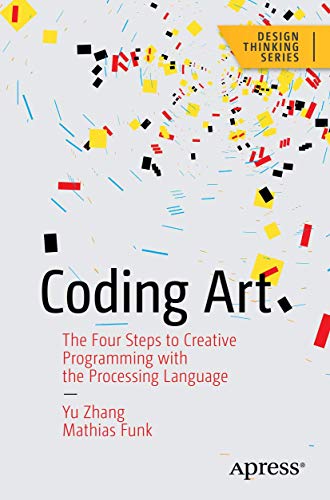
For artists and designers enthusiastic to explore the dynamic intersection of technology and creativity, “Coding Art: The Four Steps to Creative Programming with Processing” is an absolute gem! This insightful book, published by MIT Press and spanning over 200 pages, offers a clear, four-step approach to integrating computation into your creative projects. You’ll plunge into the Processing language, learning to transform static designs into enchanting animations and interactive experiences. With practical examples and a user-friendly code library, it helps navigate common challenges in computational art while inspiring fresh ideas. You’ll feel equipped and energized to embark on your coding adventures!
Best For: Artists and designers looking to combine creativity with computational techniques in their projects.
Pros:
- Offers a clear, four-step approach to integrate computation into creative work.
- Provides practical examples and a user-friendly code library for ease of learning and application.
- Encourages exploration of animation and interaction, enhancing visual aesthetics and engagement.
Cons:
- May require some prior familiarity with programming concepts, which could be a barrier for complete beginners.
- Focused on the Processing language, limiting users who prefer other coding languages or frameworks.
- Some readers might find the emphasis on challenges and pitfalls somewhat daunting rather than encouraging.
Coding for Kids: Scratch – Learn Coding Skills and Create Fun Games
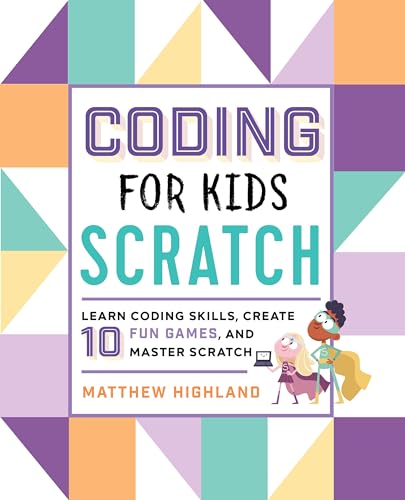
Looking to spark your child’s interest in coding? “Coding for Kids: Scratch – Learn Coding Skills and Create Fun Games” is tailored for young aspiring programmers aged 6 to 10, making it an ideal choice for parents enthusiastic to introduce their kids to the exciting world of game development. This vibrant guide offers step-by-step instructions and full-color screenshots, simplifying coding as your child creates fun projects like Cake Clicker and Dino Hunt. With 10 games to explore, kids build confidence while mastering Scratch language concepts, all amidst engaging, enjoyable activities that foster creativity – talk about a win-win for budding coders!
Best For: Children aged 6 to 10 who are eager to learn coding and game development in a fun and interactive way.
Pros:
- Engaging and enjoyable activities that foster creativity in coding.
- Step-by-step instructions and full-color screenshots make learning accessible for young beginners.
- Structured approach allows children to build confidence while mastering Scratch language concepts.
Cons:
- May require parental supervision for younger children to assist with complex concepts.
- Limited to Scratch programming language, which might not cover broader coding languages.
- Potentially limited appeal for kids who prefer physical activities over screen-based learning.
Vibe Coding Mastery: The Complete Guide to AI-Powered Prototyping and Creative Workflows
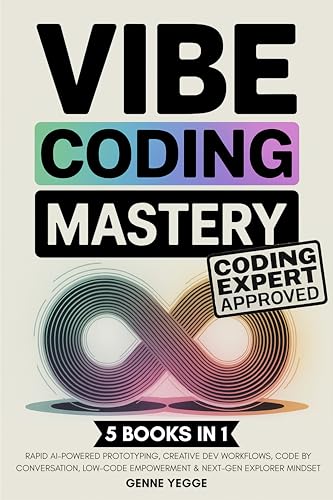
Vibe Coding Mastery: The Complete Guide to AI-Powered Prototyping and Creative Workflows is an essential read for innovators at heart—those who want to harness artificial intelligence like ChatGPT and Copilot to transform ideas into functional prototypes in mere hours! This informative, 300-page guide is chock-full of tips on using AI for rapid product development, establishing productive workflows, and embracing a playful, experimental mindset. You’ll learn to create apps with low-code tools like Bubble and FlutterFlow, democratizing coding for everyone (yes, even you!). So, if you’re ready to think creatively and code intuitively, grab this book and get started!
Best For: Innovators and creative professionals looking to leverage AI for rapid prototyping and coding without extensive technical skills.
Pros:
- Provides practical guidance on using AI tools like ChatGPT and Copilot for quick product development.
- Encourages a playful and experimental approach to coding, fostering creativity and innovation.
- Features low-code platforms that enable non-programmers to create applications easily.
Cons:
- Some readers may find the emphasis on low-code solutions limiting if they prefer traditional coding techniques.
- Rapid prototyping might lead to a lack of thorough testing and refinement in the final product.
- The focus on AI tools may not cater to those interested in deep dives into conventional programming methodologies.
ScratchJr Coding Cards: Creative Coding Activities

If you’re searching for an engaging way to introduce coding concepts to young learners aged 5 to 7, the ScratchJr Coding Cards are a fantastic choice! These 75 activity cards make exploring programming fun and interactive, allowing kids to create animations and games on various devices like iPads and Chromebooks. Authored by ScratchJr co-creators Prof. Marina Umaschi Bers and Dr. Amanda Sullivan, the cards promote skills like computational thinking and problem solving through playful challenges. Your little ones’ll not only grasp coding logic but also enhance literacy and math skills. Trust me, they’ll love every minute while programming with these delightful cards!
Best For: Young learners aged 5 to 7 who are eager to explore coding concepts in a fun and interactive way.
Pros:
- Engages children with hands-on activities that promote creativity and problem-solving.
- Accessible across various devices like iPads, Android tablets, and Chromebooks.
- Developed by experts in childhood education, ensuring high-quality educational content.
Cons:
- May require adult supervision to assist with device usage and technical questions.
- Limited to the ScratchJr platform, which may not cater to older or more advanced students.
- Some children may find the activities challenging without prior exposure to basic programming concepts.
VIBE CODING: Unleash Your Creative Flow with AI
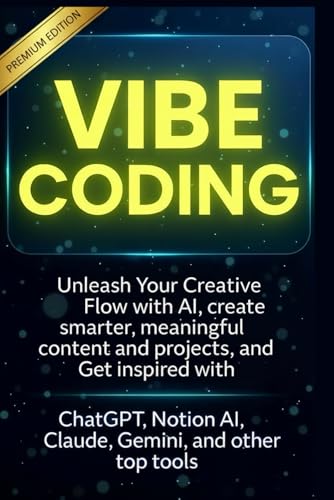
For creators, developers, and entrepreneurs enthusiastic to supercharge their creative workflows, “VIBE CODING: Release Your Creative Flow with AI” is the ultimate game changer! This transformative guide not only saves you over 2.5 hours a day but also enhances your creative spark with an extensive three-module system. The core book dives into the Vibe Coding philosophy, teaching you to turn AI into your creative partner. You’ll find 50 power prompts, visual workflow templates, and real-world case studies to inspire you. With lifetime access to resources and future updates, you’re set for a dynamic AI-enhanced practice that truly resonates!
Best For: Developers, creative professionals, and entrepreneurs looking to integrate AI into their workflows for enhanced productivity and creativity.
Pros:
- Saves over 2.5 hours daily, allowing more time for creative pursuits.
- Provides a comprehensive system with templates and case studies for practical implementation.
- Offers lifetime access to updates and resources, ensuring users are equipped for future developments in AI.
Cons:
- May require a learning curve for those unfamiliar with AI tools and concepts.
- Initial investment might be considered high for some individuals or small teams.
- Focuses on integrating AI, which may not appeal to those preferring a purely manual creative process.
Crayola ® Art of Coding: A Celebration of Creative Mindsets

Immerse yourself in the world of coding with “Crayola ® Art of Coding: A Celebration of Creative Mindsets”! This vibrant book focuses on blending creativity with basic coding principles, making it accessible for everyone—no prior experience needed! You’ll explore essential concepts like sequencing and debugging without tech, enabling hands-on practice anywhere. It’s invigorating how it frames mistakes as growth opportunities, encouraging a playful mindset shift that’s vital for budding coders. Plus, you’ll discover practical applications to incorporate coding into daily life, enhancing problem-solving skills along the way. Grab a copy, and watch your creativity soar while coding becomes second nature!
Best For: This book is best for individuals of all ages looking to foster creativity and develop coding skills without needing prior experience.
Pros:
- Encourages creativity by blending artistic thinking with coding concepts.
- Accessible to everyone, regardless of their background in technology or programming.
- Focuses on growth mindset by framing mistakes as valuable learning experiences.
Cons:
- Lack of advanced coding techniques may limit progress for more experienced individuals.
- No technology is required, which may not appeal to those looking for digital coding practice.
- Some concepts might require additional resources or guidance for full understanding.
Coding Art: A Guide to Unlocking Your Creativity with Processing and p5.js
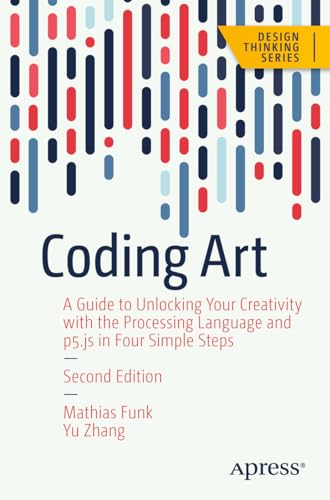
Looking to blend your artistic flair with coding prowess? *Coding Art: A Guide to Revealing Your Creativity with the Processing Language and p5.js*, now in its updated second edition, is your perfect companion! This incredible book, brimming with 348 pages of fresh content, caters to creatives just like you who want to immerse themselves in the world of computational art. You’ll explore essential skills—from animation and interactivity to understanding data structures—all while steering through best practices and common pitfalls (because we all stumble sometimes!). Filled with real-world examples, this guide will surely spark your imagination and elevate your coding skills dramatically!
Best For: This book is best for digital artists, creative technologists, educators, and anyone looking to merge art with programming through tools like p5.js.
Pros:
- Provides updated content and expanded resources for modern creative programming practices.
- Includes real-world examples and code libraries to facilitate learning and application.
- Encourages experimentation with animation and interactivity, enhancing creative expression.
Cons:
- May require a basic understanding of programming concepts before diving into the material.
- Not suitable for those seeking traditional art techniques without a focus on coding.
- Some users may find the breadth of content overwhelming without prior experience.
Vibe Coding for Beginners: AI and LLMs for No-Code App Development
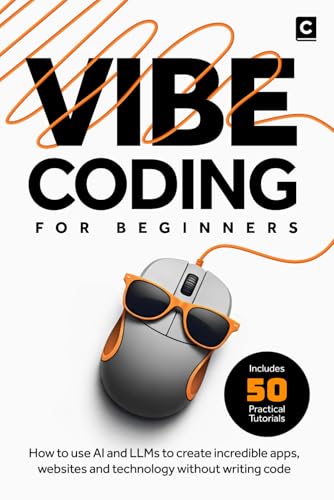
If you’ve ever wished you could create your own app without getting bogged down in complex coding languages, Vibe Coding for Beginners: AI and LLMs for No-Code App Development** is the perfect choice for you! This engaging book, featuring 50 practical tutorials, empowers you to build everything from simple to-do lists to sophisticated AI-driven applications**. With a clear layout, each project guides you step-by-step, ensuring you’re never lost. You’ll harness the power of large language models to bring your ideas to life, making technology creation accessible for everyone! Get ready to immerse yourself in this fun, innovative resource and start coding vibes today!
Best For: This book is best for entrepreneurs, professionals, creatives, and anyone interested in AI who want to create applications without prior coding knowledge.
Pros:
- Accessible Learning: Tailored tutorials make it easy for beginners to grasp concepts and build applications step-by-step.
- Diverse Project Range: Covers a wide variety of applications, from productivity tools to creative and AI-driven solutions.
- Empowers Innovation: Encourages users to think differently about technology and harness the capabilities of AI for their own ideas.
Cons:
- Limited Depth on Advanced Topics: May not cover advanced coding techniques for users seeking in-depth programming knowledge.
- Relies on AI Limitations: Results are dependent on the capabilities of large language models, which can sometimes produce errors.
- Variable Skill Growth: Progression may vary based on individual learning speed and familiarity with technology concepts.
Code Your Own Games!: 20 Games to Create with Scratch
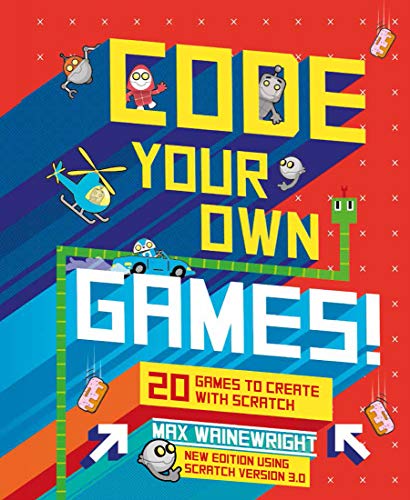
It’s truly exciting to plunge into “Code Your Own Games!: 20 Games to Create with Scratch,” which is perfect for young aspiring coders aged 8 and up. Published by No Starch Press and featuring 128 colorful pages, this book offers step-by-step illustrated instructions that guide you through creating fun games like Snake and Brick Bouncer. You’ll not only grasp key coding concepts, but you’ll also progressively tackle challenges that build your skills, keeping everything accessible and engaging. You’ll find coding fun and rewarding, as you transform ideas into playable reality (who knew coding could be this cool?). Get coding now!
Best For: Young aspiring coders aged 8 and up who are looking to learn coding through fun and engaging game development activities.
Pros:
- Step-by-step illustrated instructions make it easy to follow along and create games.
- Development progression ensures that coding challenges are suitable for all skill levels.
- Engaging content can help develop programming skills while having fun.
Cons:
- Some advanced coding concepts may still be challenging for younger children without adult guidance.
- The book focuses solely on Scratch, which may limit exposure to other programming languages.
- Requires access to a computer with Scratch software to fully utilize the book’s content.
Factors to Consider When Choosing Creative Coding Books

When you’re picking a creative coding book, think about who it’s meant for—are you a bustling beginner or a seasoned coder looking to experiment? Evaluate the content for its relevance and depth, ensuring it offers hands-on practice opportunities that make learning exciting and effective! Don’t forget to check if the resources are easy to access, so you can jump right in without a hitch!
Target Audience Appropriateness
Selecting the right creative coding book can be a game-changer, especially since you want to align the material with your audience’s unique interests and skills! Consider their age group—making sure the content matches their cognitive and skill level guarantees relevance. For beginners, opt for books like “Python for Kids” (No Starch Press, 304 pages) that include clear visual aids and step-by-step instructions! If your audience is more advanced, “Make: Electronics” (O’Reilly Media, 320 pages) dives into complex concepts with practical projects. Don’t forget to evaluate their interests—if they’re into game development, books like “Game Programming Patterns” (Gatsby Publishing, 224 pages) will keep them engaged. Finally, interactive elements can cater to various learning styles, enhancing their overall experience!
Content Relevance and Comprehensiveness
Content relevance and depth are essential elements when you immerse yourself in the world of creative coding books! You’ll want to assess if the book covers a broad range of concepts—think algorithms, data structures, and interactive elements. It’s vital to match the content with your experience level, as beginner-friendly guides like “Getting Started with p5.js” (Morgan McGuire, 312 pages) offer gradual learning, while advanced resources, such as “Generative Art” by Matt Pearson, tackle complex topics efficiently. Look for books bursting with practical projects that let you apply your skills, as hands-on engagement boosts understanding! Plus, choose texts highlighting creative applications—this stokes innovative thinking while ensuring you’re in tune with contemporary tools and trends. Let’s get coding!
Learning Structure and Progression
Finding the right creative coding book can feel overwhelming, but you’ll discover that a well-structured learning pathway makes all the difference! Look for books that introduce key concepts progressively—starting with basics and gradually advancing to more complex topics. Titles like “Programming for Kids” by Craig Richardson (350 pages, full-color illustrations) offer clear, step-by-step instructions that enhance understanding and build confidence. Visual aids keep things engaging, especially for younger learners! A mix of practical projects and challenges not only solidifies concepts but also keeps you motivated (who doesn’t love a quick win?). Plus, books with clear glossaries help you reference terms easily, making your learning experience even more accessible. Happy coding!
Hands-On Practice Opportunities
Once you’ve grasped the basics, hands-on practice opportunities can really elevate your creative coding journey! Look for books filled with step-by-step projects that let you apply what you learn, reinforcing concepts through active engagement. Titles like “Creative Coding in Python” (Packt, 300 pages) come with clear instructions and helpful visual aids, making even complex ideas accessible. Many practical exercises feature real-world applications, letting you create exciting outcomes like games or animations—it’s all about that exhilarating “aha!” moment! Plus, some books offer progressively challenging projects, encouraging you to deepen your knowledge. With opportunities for critique and iteration, you can refine your work, developing essential problem-solving skills along the way. Immerse yourself and start creating!
Accessibility and Resource Availability
What makes a creative coding book truly stand out? You’ll want to pick ones that offer clear, step-by-step instructions to really grasp the concepts, especially for newbies! Visual aids like diagrams or screenshots can work wonders in understanding challenging material, making it feel less intimidating. Look for books filled with hands-on projects—like “Creative Coding in Python”—that let you apply what you learn to real-world scenarios, keeping things engaging. Accessibility is key, too; make sure the content is usable across various platforms, so everyone can join in! Finally, choose books that provide additional resources or community support, fostering continuous growth beyond the pages. Who wouldn’t want that kind of learning adventure? Let’s plunge into those projects!
Author Expertise and Credibility
Understanding the credentials of an author can greatly influence your experience with creative coding books! When choosing your next read, check the author’s background in educational methodologies; a well-structured approach can make all the difference! Also, look into their experience with the specific coding language or platform being taught; this guarantees accurate and in-depth content. Engaging with the creative coding community is essential, as active authors often offer the latest insights and resources. Don’t forget to read testimonials or reviews highlighting the author’s ability to engage learners—this can really enhance your experience! Finally, evaluating their previous publications helps gauge expertise; after all, quality instructional materials are key to sparking your next creative project!
Frequently Asked Questions
What Level of Coding Experience Is Needed for These Books?
You don’t need to be an expert coder to enjoy these books, but some prior experience with coding concepts can definitely help! Most titles cater to beginners and intermediate programmers, with engaging projects and vivid illustrations. For instance, “Creative Coding in Python” (O’Reilly, 300 pages) sparks creativity while teaching core skills. They’ll inspire you, even if you’re just starting, to explore the endless possibilities of creative coding! Let your imagination roam!
Are These Books Suitable for Adults or Only for Kids?
These books are absolutely suitable for adults! While they often target younger audiences, you’ll find plenty of projects and concepts that adults can explore, too. For instance, “Hello World! Computer Programming for Kids by Warren Sande (240 pages)” offers engaging ideas that anyone can enjoy. Plus, the colorful illustrations make it visually appealing, no matter your age! Don’t underestimate the joy of learning through creative coding—it’s fun at any stage of life!
Do These Books Include Online Resources or Communities?
Many of these creative coding books, like “Getting Started with PICO-8” from No Starch Press, not only offer inspiring content but also include access to online resources. With vibrant communities enthusiastic for collaboration and feedback, you’ll find platforms filled with fellow coders ready to share tips and tricks. Additionally, you’ll be thrilled by the book’s engaging visuals and fun exercises, perfect to spark your imagination while coding—what a delightful journey awaits!
Can I Use These Books for Self-Teaching?
Absolutely, you can use these books for self-teaching! They’re packed with practical exercises and clear explanations. For instance, “Getting Started with Processing” by Casey Reas and Ben Fry has great visuals and is about 200 pages long. “Creative Coding in Python” by Joshua Noble dives into fun projects, making learning engaging. Plus, they often recommend online resources and communities, so you won’t be on this journey alone—every good coder needs a sidekick!
Are There Any Accompanying Software or Tools Required?
You won’t need any specific software or tools to immerse yourself in these creative coding books! Most are designed to complement popular coding environments, like Processing or p5.js, which you can easily download. Some books even come with handy online resources (you’ll love that!). For instance, “Getting Started with p5.js” (by Lauren McCarthy and Ben Fry, 400 pages) is a fantastic way to kickstart your coding adventure—it’s like having a talented guide beside you!


