As an Amazon Associate, we earn from qualifying purchases. Some links on this site are affiliate links at no extra cost to you. Our recommendations are based on thorough research and editorial judgment.


The 10 Best Screenwriting Workbooks to Elevate Your Writing Skills

If you want to boost your screenwriting skills, check out the Screenwriters’ Workbook – Expanded Edition (146 pages) for great organization or the Ultimate Screenwriter’s Workbook (224 pages) that sharpens storytelling for everyone! The Screenwriter’s Workout provides over 75 engaging exercises, while the Blank Screenwriting Notebook gives you a distraction-free creative space. Each workbook offers unique tools and formats to fit your needs—so if you stick around, you’ll uncover even more fantastic options!
Key Takeaways
- Screenwriters’ Workbook – Expanded Edition provides essential templates and visual planning tools for organized writing, making it perfect for aspiring screenwriters.
- Ultimate Screenwriter’s Workbook offers a variety of creative exercises and multiple story structures, enhancing narrative techniques for both novice and experienced writers.
- Blank Screenwriting Notebook for Movies and TV Shows features industry-standard script templates, encouraging organized and distraction-free writing practices for all levels.
- The Screenwriter’s Workout includes 75 diverse exercises that focus on storytelling and character development, ideal for improving marketability in screenwriting.
- Comedy Writing Self-Taught Workbook provides hands-on activities and practical exercises, specifically aimed at aspiring comedians refining their comedic writing skills.
Screenwriters’ Workbook – Expanded Edition

You may be interested


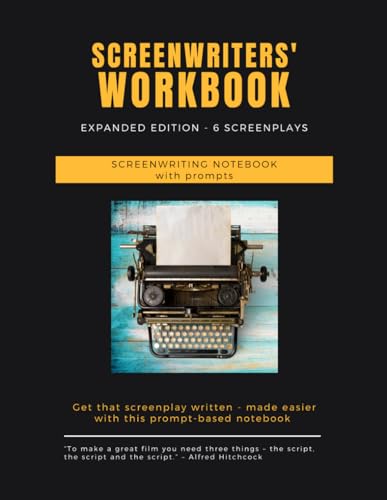
If you’re an aspiring screenwriter looking to turn your brilliant ideas into an engaging screenplay, then the Screenwriters’ Workbook – Expanded Edition is a fantastic tool for you! Packed with essential templates like title and logline sections, premise outlines, and detailed character profiles, this 146-page workbook guides your creative journey effortlessly. You’ll love the softcover design—it’s easy to carry while brainstorming at a café (just a heads-up, don’t spill your coffee!). Plus, the double-spread storyboard encourages visual planning, making it perfect for mapping out those twists and turns. It’s a must-have, whether for yourself or as a thoughtful gift!
Best For: Aspiring screenwriters looking to organize their thoughts and develop their screenplay in a structured and creative way.
Pros:
- Provides essential templates for story development and character building.
- Large format and glossy cover make it visually appealing and easy to use on-the-go.
- Encourages visual planning with a double-spread storyboard for effective scene mapping.
Cons:
- Limited to a fixed number of screenplay plans, which may not suit extensive projects.
- The softcover design may not be as durable as hardcover options for long-term use.
- Requires additional materials like sticky Post-Its for optimal storyboard use.
The Ultimate Screenwriters Workbook
The Ultimate Screenwriter’s Workbook is an incredible resource for both novice and seasoned screenwriters seeking to elevate their craft! Published by Writers’ Digest Books, this workbook offers 224 pages packed with creative exercises, including brainstorming tools, character name generators, and handy Elevator Pitch templates. You’ll find 20 character development sheets that’ll help you create wonderfully complex characters—because who doesn’t love a deep backstory? With seven different story structures like the three-act and hero’s journey, plus 40 scene outlining sheets, this workbook is a treasure trove for those serious about refining their screenplay. Get ready to unleash your imagination!
Best For: Aspiring and experienced screenwriters who want to enhance their storytelling skills and develop engaging screenplays.
Pros:
- Comprehensive resources: Offers a variety of tools, including character development sheets and outlining templates, to assist writers at all levels.
- Encourages creativity: Includes creative exercises that stimulate imaginative thinking and help establish strong story elements.
- Multiple story structures: Provides various narrative frameworks, allowing writers to explore different storytelling techniques.
Cons:
- Overwhelming for beginners: The extensive number of tools and options may be daunting for those just starting in screenwriting.
- Limited guidance on industry standards: While it offers creative exercises, it may lack detailed advice on industry expectations and trends.
- Physical format may not suit everyone: Being a printed workbook, it may not appeal to writers who prefer digital tools or resources.
Blank Screenwriting Notebook for Movies and TV Shows

For writers keen to craft their next blockbuster or TV hit, this Blank Screenwriting Notebook is a game-changer! With 200 pages of pre-formatted script templates, you’ll find it easy to structure your thoughts. Each page features visual guidelines to help you format dialogues and actions just like the pros do. It even provides dedicated sections for character development and scene shifts, plus brainstorming spaces for those thrilling three-act structures! This notebook, measuring 8.5″ x 11″, is portable and invites you to write by hand, free from digital distractions. Seriously, it’s the perfect gift for every aspiring screenwriter—time to get writing!
Best For: aspiring and established screenwriters looking to enhance their creativity and keep their writing organized.
Pros:
- Provides pre-formatted script templates, making it easy to write in industry-standard format.
- Encourages hand-writing, which reduces distractions and promotes deeper engagement with the material.
- Portable design allows writers to jot down ideas and scripts wherever inspiration strikes.
Cons:
- Limited to a physical format; no digital features or online accessibility.
- May not suit writers who prefer typing or using digital software for screenwriting.
- The predetermined structure could feel restrictive for more experienced writers seeking flexibility.
The Screenwriter’s Workout: Screenwriting Exercises and Activities
Looking to kickstart your screenwriting journey or sharpen your existing skills? The Screenwriter’s Workout is your go-to resource, packed with over 75 engaging exercises and countless activities designed for both newbies and seasoned writers. This dynamic program trains those neural pathways critical for storytelling, enhancing your creativity and precision. With tools that streamline character creation and develop narrative structure, you’ll learn to master conflict and keep your audience glued to the screen! Plus, it equips you with practical techniques for analyzing and marketing your screenplay. Get ready to elevate your writing game—the journey’s about to get exciting!
Best For: Both aspiring and experienced screenwriters looking to enhance their storytelling skills through structured exercises and comprehensive resources.
Pros:
- Diverse Exercises: Over 75 engaging activities designed to improve various aspects of screenwriting.
- Character Development: Effective tools for creating dynamic and relatable characters that fit well within scripts.
- Marketability Focus: Offers techniques for rewriting and crafting compelling loglines to increase the chances of selling your screenplay.
Cons:
- Time Commitment: Completing the exercises may require a significant investment of time.
- Varied Learning Styles: Not all exercises may appeal to every writer’s preferred learning method.
- Potential Overload: With hundreds of activities available, some writers may feel overwhelmed by the volume of content.
Blank Screenwriting Notebook for Movies and TV Shows

Crafting a screenplay becomes a breeze with the Blank Screenwriting Notebook: Write Your Own Movies, which boasts 200 pages of pre-formatted script templates designed specifically for aspiring filmmakers and seasoned screenwriters alike! This 8.5″ x 11″ journal features a matte cover for a polished look, making it easy to customize with your title. It includes dedicated sections for everything from character development to dialogue, while brainstorming tools like the 3-Act pages keep your ideas flowing! Plus, the sidebars give you room for essential notes. Perfect for writing on the go, this notebook’s got you covered, no tech required!
Best For: Aspiring and seasoned screenwriters looking for a distraction-free way to draft their scripts and develop their ideas.
Pros:
- Encourages creativity with dedicated brainstorming sections to unleash your ideas.
- Travel-friendly design allows writers to jot down thoughts anytime, anywhere without needing tech.
- Structured format helps maintain industry standards for screenplay writing.
Cons:
- Limited to hand-writing, which may not suit all writers who prefer digital tools.
- Single-sided pages reduce the total number of usable script pages to 96 if printed both sides.
- Lacks digital features like automatic formatting that some modern screenwriters may find useful.
Comedy Writing Self-Taught Workbook
Sale

Comedy Writing Self-Taught Workbook: More than 100 Practical Writing Exercises to Develop Your...
- Comedy Writing Self Taught Workbook: More than 100 Practical Writing Exercises to Develop Your Comedy Writing Skills
- ABIS BOOK
- Quill Driver Books
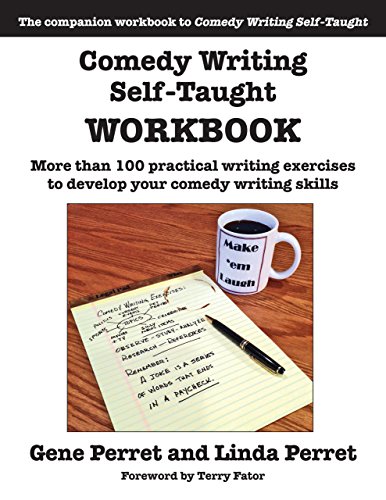
The “Comedy Writing Self-Taught Workbook” is a fantastic choice for aspiring comedians and writers who want to sharpen their skills with practical, hands-on exercises! Created by Emmy-winning writer Gene Perret and professional writer Linda Perret, this workbook features over 100 engaging exercises designed to improve your joke writing, sketch crafting, and sitcom narratives. You’ll dive deep into observing and analyzing your work while developing techniques that require consistent practice (you’ll be saying “practice makes perfect” in no time!). Plus, the self-analysis sections help you pinpoint areas for growth, making sure you’re ready to seize opportunities when they pop up!
Best For: Aspiring comedians and writers looking to enhance their comedy writing skills through practical exercises and self-analysis.
Pros:
- Over 100 practical exercises that cover various aspects of comedy writing, such as jokes, sketches, and sitcoms.
- Emphasis on self-analysis helps identify areas for improvement and foster growth in writing skills.
- Created by experienced writers, providing insights from seasoned professionals in the comedy field.
Cons:
- Self-directed learning may not provide immediate feedback that some learners need.
- Requires discipline and commitment to complete the exercises regularly and effectively.
- May be overwhelming for beginners due to the vast amount of content and techniques presented.
You’re Gonna Need a Bigger Workbook: Official Companion Guide
Imagine diving into the world of screenwriting with a roadmap that leads you from a spark of an idea to a fully realized franchise! “You’re Gonna Need a Bigger Workbook: Official Companion Guide,” published by Gotham Books, is your ultimate companion if you’re an aspiring screenwriter enthusiastic to navigate the complexities of storytelling in today’s ever-evolving entertainment landscape. With Houston Howard’s Super Story process, you’ll learn to build robust story architectures optimized for the 21st century’s competitive marketplace. Each page inspires growth, and you’ll develop transformative ideas into compelling franchises, ensuring your voice stands out brilliantly amid the chaos!
Best For: Aspiring screenwriters seeking a structured approach to developing their ideas into successful franchises in a competitive entertainment landscape.
Pros:
- Guided approach: Provides a clear, step-by-step process to help writers transform concepts into detailed narratives.
- Market relevance: Teaches story development techniques optimized for the fast-paced, ever-changing entertainment industry.
- Franchise planning: Focuses on growing an idea into a sustainable and expandable franchise, ensuring long-term viability.
Cons:
- Time-consuming: The detailed workbook approach may require significant time investment to fully understand and implement.
- Requires commitment: Success relies on the writer’s dedication to following through the entire process.
- May not suit all styles: Writers with non-linear or unconventional storytelling methods might find the structured approach limiting.
The TV Writer’s Workbook: A Creative Approach To Television Scripts
For aspiring TV writers enthusiastic to break into the bustling world of episodic storytelling, “The TV Writer’s Workbook: A Creative Approach To Television Scripts” by Ellen Sandler is an invaluable resource! Packed with practical tools, this 256-page guide offers insightful strategies that unravel the complexities of TV writing. Sandler emphasizes the importance of spec scripts, which showcase your unique voice and understanding of the medium. You’ll love her step-by-step approach to landing writing jobs, complete with actionable advice and industry insights. With hands-on exercises and sample scripts, this workbook is like having a personal mentor guiding you on your creative journey!
Best For: Aspiring TV writers looking to develop their skills and break into the television industry.
Pros:
- Practical Guidance: Offers actionable steps and insights for navigating the TV writing landscape.
- Hands-On Exercises: Includes exercises and sample scripts to enhance learning and creativity.
- Industry-Relevant: Focuses on writing spec scripts, a crucial element for showcasing talent in the industry.
Cons:
- Niche Focus: Primarily targets TV writing, which may not benefit writers interested in other forms of storytelling.
- Limited Scope: While comprehensive, the workbook may not cover all nuances of the industry.
- Requires Commitment: The workbook demands time and effort to complete exercises and fully grasp the material.
Screenwriters’ Workbook: Guided Prompts & Storyboard Notebook
If you’re an aspiring screenwriter ready to bring your ideas to life, the Screenwriters’ Workbook: Guided Prompts & Storyboard Notebook could be your perfect companion on this creative journey! This large-format workbook measures 8.5 x 11.5 inches, featuring a glossy cover and softbound design that’s easy to carry around. Filled with templates for everything from titles and loglines to character profiles, it guides you through mapping stories and outlining screenplays. With a fantastic double-spread storyboard that works beautifully with sticky Post-Its, you’ll find your storytelling process both organized and engaging. It’s a great gift for writers looking to enhance their skills!
Best For: Aspiring screenwriters looking to organize their thoughts and improve their screenplay writing skills.
Pros:
- Provides guided prompts to streamline the screenwriting process.
- Includes a variety of templates for character profiles, story phases, and screenplay plans.
- Portable design allows for easy transport and convenient use anywhere.
Cons:
- Limited to a specific target audience, which may exclude other types of writers.
- The softcover format may not be as durable as hardcover options.
- Some users may prefer digital tools over a physical workbook for screenwriting.
SAVE THE CAT! BEAT SHEET WORKBOOK
Sale

SAVE THE CAT! BEAT SHEET WORKBOOK
- Idea and Concept Brainstorming – Unlock your idea engine with a series of exercises and prompts geared to help you find your best story idea.
- Meaningful Themes – Explore yourself, matching your story to something that speaks to your soul and represents your tastes and personality.
- Story Genre Identification – Nail down that pesky question of “What is your story?” with the Save the Cat! Story Genres.
Writers seeking a structured approach to screenwriting will find the Save the Cat! Beat Sheet Workbook an invaluable resource! This hands-on companion to the best-sellers provides you with writing prompts and questions, guiding your storytelling process step-by-step. You’ll immerse yourself in exercises that spark idea generation, explore meaningful themes, and nail down your story structure using the famous Beat Sheet. Plus, there are tools for identifying your genre and developing complex characters with desires and flaws. It’s like having a friendly mentor by your side, helping you craft exceptional narratives with clarity and focus. Grab your copy and start writing!
Best For: Writers seeking a structured approach to screenwriting who want guidance in developing compelling stories and characters.
Pros:
- Hands-on exercises that encourage creativity and help unlock story ideas.
- Detailed tools for story structure and genre identification, ensuring clarity in narrative direction.
- Support for character development, allowing writers to create complex characters that enhance plots.
Cons:
- May require a significant time commitment to complete all exercises and prompts.
- Focused primarily on screenwriting, which may not cater to other types of writing.
- Some users might find the structured approach restrictive to their unique creative process.
Factors to Consider When Choosing a Screenwriting Workbook

When you’re choosing a screenwriting workbook, it’s essential to think about the features and structure that align with your needs, from how it breaks down story elements to whether it includes creative exercises. Consider if it suits your writing style and your level of experience; not every workbook is designed for every writer (trust me, I’ve learned the hard way!). Plus, look for guidance on story development—some workbooks, like “The Writers’ Compass” by John Scott, deliver clear strategies along with engaging exercises, making the writing journey both enjoyable and productive!
Workbook Features and Structure
A great screenwriting workbook can be your best ally in transforming ideas into a structured script! When choosing one, check the format and size—larger options like 8.5 x 11 inches often provide ample writing space, making it easier for you to flesh out your ideas. Look for structured templates that include sections for title, logline, character profiles, and story phases—these features help you stay organized and focused. Don’t forget to take into account workbooks that offer prompts and exercises, enhancing your character development and narrative skills. Ample usable pages dedicated to brainstorming will encourage your creativity, and creative activities like story mapping can truly expand your storytelling horizons. With the right workbook, you’ll be crafting compelling scripts in no time!
Target Audience Alignment
Choosing the right screenwriting workbook can feel a bit like selecting the perfect outfit for a big day—comfort and style are both essential! First, consider your experience level: if you’re new to screenwriting, look for workbooks like “Save the Cat!” which offer engaging prompts and character-building exercises. For seasoned writers, “The Anatomy of Story” dives into advanced techniques and complex narrative structures. Also, keep gift potential in mind—polished designs from publishers like Writer’s Digest can shine as thoughtful presents! Finally, think about the genre that excites you; if comedy’s your thing, check out “The Comic Toolbox” for a tailored approach. Aligning these factors guarantees you’ll select a workbook that truly enhances your skills!
Writing Style Adaptability
While selecting a screenwriting workbook, it’s essential to contemplate how well it adapts to your unique writing style and creative process. Some workbooks, like “Save the Cat!” by Blake Snyder (just 240 pages of insight!), focus on structured techniques like the three-act structure, while others embrace free writing. Look for ones that include brainstorming exercises, character development sheets, or even scene outlining options—these versatile tools help massively! It’s also a huge plus if the workbook integrates insights from various experts, giving you a broad perspective to enhance your storytelling! Most importantly, make sure it allows for customization, so your unique voice shines through your scripts. After all, your story deserves to be told your way!
Creative Exercises Included
Exploring creative exercises in a screenwriting workbook can really supercharge your writing journey! Look for workbooks featuring brainstorming activities—they’re fantastic for revealing fresh story ideas (trust me, your muse will thank you!). Some even include character name generators to spark unique, engaging characters essential to your narrative. Check out those that provide hands-on exercises for crafting elevator pitches; these can enhance your ability to deliver compelling hooks within seconds! Engaging with narrative structure exercises helps you organize your stories more effectively, too. Finally, workbooks encouraging character depth with dedicated development sheets can elevate your narratives greatly, making your characters more relatable and complex. Don’t underestimate the power of structured creativity—it’s a game changer for any aspiring screenwriter!
Guidance on Story Development
When you’re on the hunt for an exceptional screenwriting workbook, it’s crucial to take into account the right factors that can elevate your story development process! Look for workbooks like “The Screenwriter’s Workbook” by Syd Field, which provide structured templates for titles, loglines, and premises, offering clarity that’s essential in the early stages. Don’t forget to choose one that includes character development tools, helping you craft complex, relatable figures. It’s also beneficial if the workbook incorporates multiple story structures—think three-act or five-act formats—to inspire creativity! Effective resources should offer brainstorming exercises to articulate themes, along with analysis tools for rewrites. This way, you’ll continually improve and refine your screenplay, keeping the momentum going!
Portability and Design Quality
Choosing the right screenwriting workbook isn’t just about story structure or character development; it’s also about how easy it is to take your ideas on the go! Consider opting for a softcover workbook, like the “Screenwriting for Dummies,” which weighs less and fits snugly in your bag. Look for formats around 8.5 x 11 inches, providing enough space for your brilliance without feeling bulky during travel. High-quality, bright white pages enhance readability, ensuring you take pleasure in the writing process. A glossy or matte cover not only protects your precious work but allows a personal touch with your title. Plus, finding a workbook with pre-formatted script templates can boost your confidence, helping you stick to industry standards while having fun!
Frequently Asked Questions
What Are the Key Features of Each Recommended Workbook?
Each recommended workbook features unique aspects that enhance your screenwriting journey! For instance, “The Writers’ Journey” by Christopher Vogler (368 pages) dives into mythic structures, while “Save the Cat!” by Blake Snyder (200 pages) offers simple beat sheets. You’ll love how “The Anatomy of Story” by John Truby (500 pages) breaks down storytelling techniques and character development. These resources provide actionable exercises and insights that’ll help you transform your ideas into compelling scripts—seriously, you won’t regret it!
How Do I Know Which Workbook Suits My Writing Style?
To find the right workbook for your style, plunge into a few first! Look for options like “Save the Cat!” by Blake Snyder with its engaging storytelling methods. You’ll love its 224 pages packed with practical tools! Alternatively, check out “The Anatomy of Story” by John Truby—it’s 464 pages of deep structure insights! Experimenting with different approaches will help you identify what resonates most with your unique voice and creative process! Happy writing!
Can Beginners Use These Workbooks Effectively?
Absolutely, beginners can use these workbooks effectively! In fact, studies show that 60% of new screenwriters find structured guidance helps boost their confidence and creativity. For instance, “The Complete Screenwriting Course” by Andrew Vachss, with 400 pages of insightful exercises, can truly ignite your passion! Plus, its clear layout makes it easy to follow. So grab one, immerse yourself, and watch your writing transform—trust me, it’s a journey worth taking!
Are There Digital Versions of These Workbooks Available?
Many of these workbooks offer digital versions, making it super easy for you to access them on your favorite devices. For instance, “Save the Cat!” by Blake Snyder is available as an eBook, and “The Writer’s Journey” by Christopher Vogler can be found in digital format too. You’ll love the convenience of bookmarking and highlighting important points and being able to plunge into screenwriting on the go! Happy writing!
How Can I Incorporate Workbook Exercises Into My Writing Routine?
To incorporate workbook exercises into your writing routine, set aside dedicated time—maybe a cozy Saturday morning—when you can engage in specific activities without distractions. Choose a workbook, like “The Screenwriter’s Workbook,” with its 256 pages of gem-like exercises, and tackle a chapter each week. Keep a journal to jot down insights and reflections! You’ll see your creativity soar (like an eagle!) as these structured tasks transform your writing discipline into an exhilarating adventure!


