As an Amazon Associate, we earn from qualifying purchases. Some links on this site are affiliate links at no extra cost to you. Our recommendations are based on thorough research and editorial judgment.

10 Best Art Deco Architecture Books to Inspire Your Design Aesthetic

Want to get inspired by Art Deco? Check out “Art Deco Complete” by Alastair Duncan (544 pages, over 1,000 color images) for a stunning visual feast! Or explore “New York Art Deco” by Anthony W. Robins for customizable walking tours of Gotham’s architectural gems. Don’t miss “The Birth of Art Deco,” which dives into Ruhlmann’s contributions. Each title offers rich insights and gorgeous photography that’ll spark your design aesthetic (trust me, it’s awesome!). There’s more to discover!
Key Takeaways
- Art Deco Complete by Alastair Duncan offers over 1,000 images, ideal for design enthusiasts and those seeking a comprehensive guide to the style.
- The Birth of Art Deco focuses on E.-J. Ruhlmann’s contributions and features critical analyses, perfect for architectural historians.
- New York Art Deco provides customizable walking tours and vibrant maps, making it essential for urban explorers and history buffs.
- The Art Deco Style in Household Objects and Architecture incorporates vivid illustrations, ideal for interior designers wanting practical design insights.
- Miami Art Deco showcases Miami Beach’s vibrant architecture with over 200 images, appealing to both Art Deco lovers and casual readers alike.
Art Deco Complete: The Definitive Guide to the Decorative Arts of the 1920s and 1930s


You may be interested


If you’re a design enthusiast or simply someone who loves a touch of glamour in your decor, “Art Deco Complete: The Definitive Guide to the Decorative Arts of the 1920s and 1930s” is the perfect addition to your bookshelf! This stunning 544-page volume, penned by Alastair Duncan—former head of 20th-century decorative arts at Christie’s—boasts over 1,000 color images that showcase iconic Art Deco designs. Covering everything from furniture and textiles to jewelry and sculpture, it offers insights into the key designers of the era. It’s truly a treasure trove for anyone passionate about this luxe style! You won’t regret adding it!
Best For: Design enthusiasts, art collectors, and anyone interested in the glamour of the Art Deco movement looking for a comprehensive visual guide.
Pros:
- Vast Collection: Over 1,000 color images showcasing a wide range of Art Deco designs across various artistic categories.
- Expert Author: Written by Alastair Duncan, a knowledgeable authority on 20th-century decorative arts, ensuring well-researched content.
- Gift-Ready Design: A beautifully designed volume that makes for an attractive coffee table book or a thoughtful gift for art lovers.
Cons:
- Size and Weight: At 544 pages, it’s a large and heavy book that may not be easy to handle or store for everyone.
- Niche Interest: Primarily focuses on the Art Deco style, which may not appeal to those with different design preferences or interests.
- Price Point: Depending on the retailer, it may be considered expensive for a casual reader or someone who is not deeply invested in the topic.
The Birth of Art Deco: Ruhlmann and the Hôtel du Collectionneur, 1925
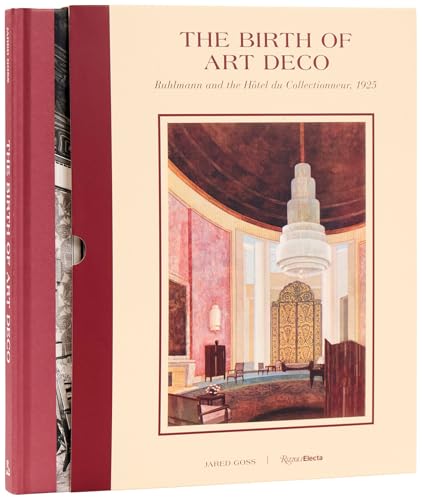
For avid fans of architectural history and design enthusiasts alike, “Art Deco Architecture Books” is a treasure trove that explores the transformative era of Art Deco, particularly the remarkable contributions of E.-J. Ruhlmann. His iconic Hôtel du Collectionneur pavilion at the 1925 Exposition Internationale, attracting over sixteen million visitors, showcased his luxurious furnishings and impeccable craftsmanship! This meticulous exploration illuminates how Ruhlmann’s vision set standards for luxury in the interwar period. You’ll appreciate the detailed photographs alongside critical analyses, making it an essential addition to your collection. With lavish imagery, it’s bound to ignite your design inspiration (and maybe a bit of envy)!
Best For: Design enthusiasts and architectural historians who appreciate the grandeur and innovation of the Art Deco movement.
Pros:
- Detailed exploration of E.-J. Ruhlmann’s contributions to Art Deco, enhancing understanding of the movement.
- Lavish imagery provides inspiration and a visual feast for design lovers.
- Critical analyses accompany photographs, enriching the reader’s knowledge and appreciation of luxury design.
Cons:
- Niche focus may not appeal to those with limited interest in architectural history or design.
- Limited availability could make finding a copy challenging for some readers.
- Potentially high price point for a specialty art book, which may deter budget-conscious consumers.
The Art Deco Style in Household Objects and Architecture

Art Deco Architecture Books are a treasure trove for anyone fascinated by the opulence and bold design elements of the Art Deco era! You’ll discover that the movement unites striking geometry with luxurious materials in both architecture and everyday items. From stunning furniture by Le Corbusier to decorative objects like cut crystal bottles and Art Deco stained glass, these books showcase how the style permeated residential spaces. I recommend “Art Deco” by David S. Jones (2015, Art Books) for its vibrant illustrations and detailed insights, focusing on how you can infuse this glamorous aesthetic into your own design projects. Enjoy your exploration!
Best For: Art enthusiasts and interior designers seeking to incorporate the glamorous Art Deco aesthetic into their projects.
Pros:
- Vibrant Illustrations: The book features stunning visuals that effectively showcase the opulent design elements of the Art Deco style.
- Detailed Insights: It provides thorough explanations and context about the movement, enriching the reader’s understanding.
- Practical Inspiration: Offers creative ideas on how to incorporate Art Deco styles into modern design projects.
Cons:
- Limited Scope: May focus predominantly on certain aspects of Art Deco, potentially overlooking less popular designs.
- Availability: Some editions may be difficult to find or may require special orders.
- Price Point: Depending on the edition, art books can be pricey, which might not appeal to all budgets.
New York Art Deco: A Guide to Gotham’s Jazz Age Architecture
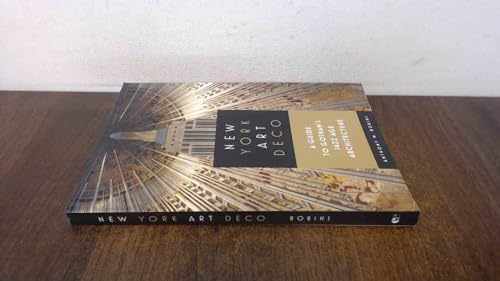
Discovering the wonders of New York’s Art Deco architecture is an absolute delight for history buffs and design enthusiasts alike! “New York Art Deco: A Guide to Gotham’s Jazz Age Architecture,” authored by the expert Anthony W. Robins, brilliantly captures the city’s vibrant transformation during the 1920s and 30s. With eleven customizable walking tours, beautifully illustrated maps by John Tauranac, and an eye-catching photo gallery featuring sixteen color plates from Randy Juster, this guide truly stands out. Its accessible format draws you into the architectural allure scattered across all five boroughs, making it an essential addition to any design lover’s library!
Best For: History buffs, architecture enthusiasts, and anyone interested in exploring New York’s Art Deco heritage.
Pros:
- Comprehensive Coverage: Includes walking tours not only in Manhattan but across all five boroughs, showcasing a wide range of Art Deco sites.
- Expert Insights: Authored by Anthony W. Robins, whose extensive experience enhances the credibility and depth of the guide.
- Visual Appeal: Features a photo gallery with stunning color plates, capturing the architectural beauty of iconic Deco landmarks.
Cons:
- Niche Focus: Primarily appeals to those specifically interested in Art Deco, which may limit its audience.
- Physical Navigation Required: Walking tours may not be suitable for those unable to walk long distances or prefer guided tours.
- Potentially Overwhelming: Eleven itineraries may be daunting for newcomers looking for a simpler introduction to New York’s architecture.
Miami Art Deco
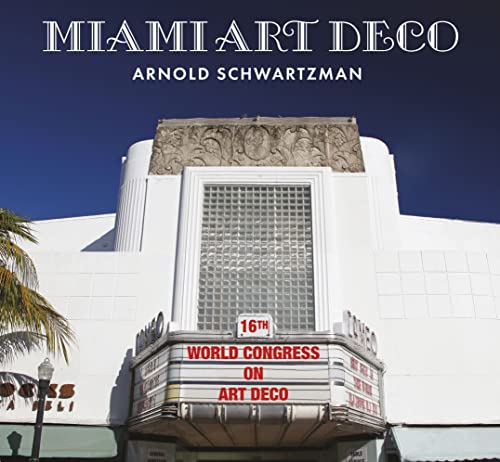
If you’re anything like me—a lover of vibrant design and historical depth—then “Miami Art Deco” by Arnold Schwartzman is an enchanting choice that beautifully encapsulates Miami Beach’s architectural splendor. This sixth photographic book (available from the renowned publisher, Rizzoli) showcases over 200 stunning images and offers 160 pages of rich text, breathing life into the sun-bleached facades of pastel palaces. Schwartzman’s keen eye captures unique hotels and lively nightclubs along Ocean Drive, making it a visual feast! You’ll experience the restorative charm of this architectural heritage that arose after the 1926 hurricane, truly an essential addition to any Art Deco lover’s library!
Best For: Art Deco enthusiasts and architecture lovers looking to explore Miami Beach’s unique historical aesthetic through stunning photography.
Pros:
- Visually Captivating: Features over 200 striking images that showcase the vibrant colors and architectural details of Miami’s Art Deco buildings.
- Historical Insight: Provides rich context and background about the development and significance of Art Deco architecture post-1926 hurricane.
- Collector’s Item: This sixth book by Arnold Schwartzman enhances any Art Deco lover’s library and serves as an excellent coffee table book.
Cons:
- Niche Appeal: May not attract readers who are not specifically interested in architectural photography or the Art Deco style.
- Limited Content: Some readers may find 160 pages insufficient for a detailed exploration of the subject.
- Higher Price Point: As a specialty book published by Rizzoli, it may be priced higher than standard photography books.
Art Deco Los Angeles
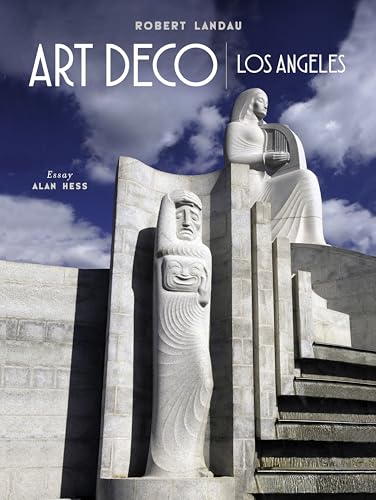
Looking to immerse yourself in the stunning world of Art Deco in Los Angeles? You’ll love Robert Landau’s “Art Deco Los Angeles,” a mesmerizing photographic collection that captures iconic landmarks like the Hollywood Bowl and Wiltern Theater. Published by Glitterati in 2012, this 144-page treasure showcases intricate details and luxurious colors that defined the era. Each photograph invites you to explore the glamorous architecture and rich cultural heritage of the city. Get ready to feel the allure of this vibrant period as you flip through its pages—trust me, you won’t want to miss this artistic journey!
Best For: Art enthusiasts and history lovers seeking to explore the glamorous architectural legacy of Los Angeles.
Pros:
- Captivating photography that beautifully showcases Art Deco landmarks.
- Rich cultural heritage and historical context provided through the visual journey.
- A luxurious presentation that appeals to both casual viewers and serious collectors.
Cons:
- Limited availability as it was published in 2012 and may be hard to find.
- Primarily focused on a specific architectural style, which may not appeal to all tastes.
- The collection may not include newer developments or contemporary perspectives on Los Angeles architecture.
Art Deco Architecture: Design, Decoration, and Detail from the Twenties and Thirties
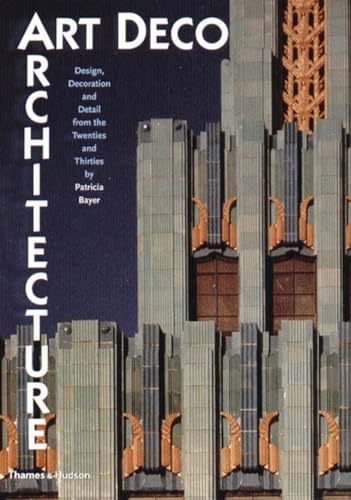
For anyone captivated by the stunning aesthetics of the early 20th century, “Art Deco Architecture: Design, Decoration, and Detail from the Twenties and Thirties” is an absolute must-have! Published by Thames & Hudson, this visually striking volume showcases 376 illustrations, with 146 in vibrant color, inviting you to explore the exuberance of Art Deco. Spanning various cultures—from impressive skyscrapers to whimsical gas stations—this book highlights the global influence of this architectural style. You’ll find detailed insights into iconic structures and the blend of design elements that made Art Deco a celebrated highlight of 20th-century architecture. Trust me, you’ll love it!
Best For: Art Deco enthusiasts, architecture students, and anyone interested in the aesthetics of early 20th-century design.
Pros:
- Visually Rich: Features 376 illustrations, including 146 vibrant color images, providing a captivating visual experience.
- Global Perspective: Explores the influence of Art Deco across various cultures and types of buildings, showcasing its worldwide appeal.
- In-depth Insights: Offers detailed insights into iconic structures and design elements, enriching the reader’s understanding of the style.
Cons:
- Niche Subject Matter: May not appeal to those uninterested in architecture or design trends from the early 20th century.
- Limited Contemporary Relevance: Focuses primarily on historical aspects, which might be less engaging for readers seeking modern architectural styles.
- Size and Weight: As a comprehensive volume, it may be bulky and less portable for casual reading.
Art Deco New York Map: Guide to Art Deco Architecture in New York City
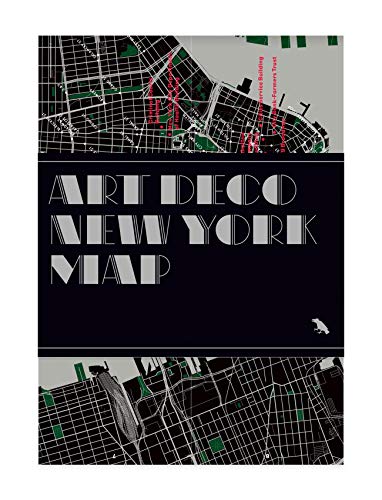
Art Deco enthusiasts and urban explorers alike will find the “Art Deco New York Map: Guide to Art Deco Architecture in New York City” utterly indispensable, as it beautifully reveals the city’s architectural treasures! This two-sided gem not only details over fifty Art Deco buildings—from the iconic Radio City Music Hall to the charming beach bathhouse at Jacob Riis Park—but it also showcases vibrant colors and striking geometric patterns. Edited by Allison Meier and featuring stunning photography by Jason Woods, this accessible map invites you to uncover both well-known and hidden architectural gems. Get ready to explore NYC in style!
Best For: Art Deco enthusiasts and urban explorers seeking to discover New York City’s architectural treasures.
Pros:
- Vibrant visuals: Features stunning photographs that capture the essence of Art Deco architecture.
- Comprehensive coverage: Includes over fifty buildings, highlighting both iconic and lesser-known structures.
- User-friendly format: The two-sided design makes it easy to navigate and explore various locations.
Cons:
- Limited focus: Exclusively dedicated to Art Deco architecture, which may not appeal to fans of other architectural styles.
- Physical map: Some users may prefer a digital format for easier access and navigation.
- Potentially overwhelming: The abundance of information and locations might be challenging for first-time explorers.
Art Deco Interiors

If you’re passionate about interior design and want to immerse yourself in the opulent world of the Art Deco movement, “Art Deco Interiors” is an exceptional choice! Originally published in Paris in 1935, this stunning anthology features a portfolio of full-color plates capturing various interior spaces—from living rooms to artists’ studios. You’ll find insightful designs for furniture and accessories, including chic lighting, elegant chairs, and stylish desks, allowing you to appreciate the modernist elements that define Art Deco style. With captions identifying each creator and a new Publisher’s Note, this book serves as a valuable resource for collectors and design students alike!
Best For: Anyone passionate about interior design and interested in the opulent world of the Art Deco movement.
Pros:
- Provides a rich collection of full-color plates showcasing various Art Deco interior spaces.
- Offers valuable insights for architects, interior designers, and furniture designers.
- Includes captions identifying the creators of each design, enhancing the educational experience.
Cons:
- Originally published in 1935, some design elements may feel dated to contemporary readers.
- Limited to the Art Deco style, which may not appeal to those interested in other design movements.
- The antique nature of the publication might make it harder to find in modern bookstores.
Art Deco Architecture: The Interwar Period

Immerse yourself in the dazzling world of Art Deco architecture, where glamour and innovation collide, making “Art Deco Architecture Books” an absolute must-have for enthusiasts and novice learners alike! This enthralling style flourished during the interwar period, defined by luxury and escapism in times of adversity. Look for titles like “Art Deco Architecture” by Richard Ford, packed with stunning photographs and rigorous analysis (286 pages, Thames & Hudson). You’ll discover global perspectives on the movement, key architects, and the influential role of World Fairs in promoting this vibrant aesthetic. It’s a treasure trove that’ll spark your design passion!
Best For: Art enthusiasts and novice learners interested in exploring the luxurious and innovative world of Art Deco architecture.
Pros:
- Rich Visuals: Features stunning photographs that vividly capture the essence of Art Deco design.
- Comprehensive Analysis: Provides rigorous analysis, allowing readers to gain in-depth understanding of the movement’s history and impact.
- Global Perspectives: Explores the worldwide spread and regional interpretations of Art Deco, offering a diverse viewpoint.
Cons:
- Lengthy Read: At 286 pages, the book might be overwhelming for casual readers or those seeking a quick overview.
- Niche Interest: Primarily focuses on a specific architectural style, which may not appeal to those with broader design interests.
- High Cost: Depending on the edition and seller, it may be more expensive compared to other architectural books.
Factors to Consider When Choosing Art Deco Architecture Books

When you’re picking out Art Deco architecture books, think about the scope of content and how it visually captivates you—this isn’t just a study guide, it’s a visual feast! Consider the author’s expertise—someone like Richard W. Longstreth can really make history come alive with his deep insights. Don’t forget to check the geographic coverage; some books focus on specific cities while others embrace a broader view, and you’ve got to find what speaks to your architectural heart!
Scope of Content
Choosing the right Art Deco architecture book can feel like exploring a treasure trove of styles and stories, as it’s essential to look beyond just the eye-catching covers!
When selecting your book, consider how it explores various architectural styles—residential, commercial, or decorative arts. Look for engaging content that details the historical context and significance of the Art Deco movement, enriched by origins and the influence of global World Fairs. A variety of visual examples, such as photographs and architectural plans, is key to deepening your understanding. Additionally, books that feature biographical essays on key architects will offer unique insights into the style’s evolution. Aim for thorough perspectives, discussing both celebrated and overlooked structures, ensuring you grasp the full diversity of Art Deco architecture!
Visual Appeal
While it’s easy to get swept away by the glamorous allure of Art Deco architecture, the visual appeal of the books you choose can make all the difference in truly appreciating this vibrant style. Look for volumes that showcase high-quality color photographs—in some cases, over 1,000 images—that emphasize intricate details and bold hues. Engaging layouts and intriguing graphic design elements, like those found in publications from Taschen or Rizzoli, elevate the presentation while keeping you glued to the pages. A diverse range of architectural examples, from iconic skyscrapers to exquisite decorative pieces, allows you to grasp the extensive aesthetic of the movement. Plus, when the lavish materials and geometric forms leap off the page, you can’t help but feel inspired!
Author’s Expertise
In your quest for the perfect Art Deco architecture book, don’t underestimate the author’s expertise—it can make all the difference in your reading experience! Authors like Alastair Duncan or Anthony W. Robins bring extensive backgrounds in decorative arts and architecture, ensuring credible insights. If you’re looking for books filled with stunning visuals, consider Robert Landau or Arnold Schwartzman, whose curatorial experience and photography skills truly capture the essence of Art Deco. Similarly, those with academic qualifications in design history offer a well-rounded perspective. When you check an author’s publication history, pay attention to their previous works and connections to Art Deco—these factors can guide you toward authoritative resources that enrich your understanding of this dazzling style!
Historical Context
Understanding the historical context of Art Deco is essential as you browse through architecture books, since the period’s unique blend of influences can enrich your appreciation for this enthralling style! Emerging in the 1920s and 1930s, Art Deco reflects a world recovering from World War I and the Great Depression, showcasing optimism and innovation. Look for books like “Art Deco Complete” by Judith Shield, packed with 400 pages of stunning imagery and in-depth analysis! The pivotal 1925 Exposition Internationale des Arts Décoratifs et Industriels Modernes defined the genre’s luxurious identity. With influences ranging from Cubism to ancient cultures, you’ll see how this style spans globally—skyscrapers and pavilions alike! Immerse yourself in the enthralling tales behind these architectural wonders!
Geographic Coverage
When exploring Art Deco architecture, geographic coverage plays an essential role in shaping your reading experience! Choosing books that focus on specific cities like New York or Miami can immerse you in their local adaptations, showcasing fascinating regional styles. You might enjoy guides that highlight standout landmarks, offering a visual feast and enriching your knowledge of local history. Look for walking tour guides, which provide mapped routes, perfect for on-site exploration of significant Art Deco sites! Whether you want a broad international perspective or an in-depth exploration of local architecture, understanding the geographic focus will help you find the perfect book that aligns with your interests. Publishers like Rizzoli and Thames & Hudson offer some fantastic options!
Style Diversity
Diving into the diverse styles of Art Deco architecture reveals a thrilling journey through time and creativity, so you’ll want to carefully consider the stylistic focus of your books! Look for titles like *Art Deco Complete* by Alastair Duncan, which spans over 500 pages, showcasing everything from the colorful geometric patterns of Paris to the streamlined designs of 1930s America. Don’t miss books emphasizing the influence of Egyptian and Aztec art, like *Deco: 100 Years of Inspiration*, published by Assouline, which beautifully highlights interior design and decorative objects. You’ll love the lavish imagery and the intricate details of buildings with ornamental elements, like sculptural forms and chrome finishes, that reflect the unique blend of opulence and modernity in this stunning architectural style!
Photography Quality
While it might seem like the text alone can tell the story of Art Deco architecture, the photography quality in these books is what truly brings that story to life! Look for high-resolution images that reveal intricate details and textures that you won’t want to miss. Books with vibrant color plates, like “Art Deco Style” by Steven Heller (176 pages), showcase the bold hues and dramatic patterns characteristic of this design movement. Plus, effective lighting and composition can enhance how you perceive these stunning structures, emphasizing their glamour. A diverse range of examples, such as “The Art Deco House” by David W. Hinton (220 pages), captures the style’s versatility and global influence, enriching your appreciation and understanding of this iconic era!
Practical Applications
Choosing the perfect Art Deco architecture book can feel like narrowing down countless gems, so it’s important to reflect on what factors matter most to you! First, check for thorough coverage—books like “Art Deco: A Colorful History” (100 pages, by Taschen) explore significant buildings and styles worldwide. Visual documentation is key; look for high-quality photographs and illustrations that breathe life into those intricate designs. Don’t forget expert commentary—”Art Deco Architecture” (200 pages, by Rizzoli) offers rich historical context! Confirm you grab a recent edition to access the latest insights. And if you’re itching for adventure, seek out volumes that provide practical applications, like walking tours or maps, to immerse yourself in the Art Deco charm around you!
Frequently Asked Questions
What Is the Origin of the Term “Art Deco”?
The term “art deco” originated from the 1925 Exposition Internationale des Arts Décoratifs et Industriels Modernes in Paris, where designers showcased a new aesthetic blending modern styles with luxurious materials. This catchy name emerged in the 1960s, describing a vibrant movement that celebrated geometric shapes, rich colors, and streamlined forms—perfect for those desiring elegance! You’ll definitely enjoy exploring this fascinating history—it adds depth to any design journey (trust me, it’s worth it!).
How Has Art Deco Influenced Modern Design Trends?
Art Deco’s dazzling designs have drastically shaped modern trends, blending bold colors, geometric patterns, and luxurious materials into today’s aesthetics. You’ll notice its influence in fashion, furniture, and even graphic design! From sleek skyscrapers to stunning interiors, it inspires a desire for elegance and craftsmanship. Immerse yourself in resources like “Art Deco Complete” (by Alastair Duncan, 288 pages) for a vibrant visual journey—who wouldn’t want that? Rediscover the charm of this extraordinary era!
Are There Any Notable Art Deco Structures Outside of New York?
You’ll find stunning Art Deco structures all over the world. Check out the Miami Beach Architectural District in Florida with its vibrant pastel colors and iconic hotels. Then, there’s the Palais de Chaillot in Paris, showcasing elegance and grandeur. Don’t miss the iconic Chrysler Building in Detroit and the beautiful Birmingham Savage Arena! Each offers a unique interpretation of Art Deco, making them thrilling spots to explore. You won’t be disappointed!
What Materials Were Commonly Used in Art Deco Architecture?
Art Deco architecture often gleams like a treasure chest, showcasing materials such as chrome, glass, and concrete. You’ll find vibrant colors and intricate patterns woven into ceramics and stonework as well. Designers loved the elegance of aluminum and the luxurious feel of polished woods! Buildings often incorporated rich details like colorful tiles and ornate plaster, capturing the era’s bold spirit. So, when you explore this style, keep an eye on those stunning materials!
How Do I Identify Genuine Art Deco Pieces?
To identify genuine Art Deco pieces, look for bold geometric shapes, rich materials like chrome or marble, and intricate details. Check for signatures or stamps from notable manufacturers (like Rago Arts or Tiffany). Don’t forget to observe the craftsmanship—real pieces boast quality over quantity. If you’re unsure, trust your instincts! Researching through antiques fairs or reputable online galleries can help corral your findings while honing your eye for what’s authentic!


