As an Amazon Associate, we earn from qualifying purchases. Some links on this site are affiliate links at no extra cost to you. Our recommendations are based on thorough research and editorial judgment.

10 Best Fossil Books to Fuel Your Love for Paleontology

If you’re enthusiastic to explore the wonders of paleontology, check out “Fossils: The Clearest Recognition Guide Available” by DK Smithsonian – it’s packed with over 1,000 vibrant photographs! You’ll love “National Geographic Pocket Guide to Rocks and Minerals,” offering a friendly design for rockhounds, too. Don’t miss “The Fossil Book,” which gives practical tips and insights. Whether you’re a newbie or a seasoned fossil hunter, these titles will fuel your passion for ancient life. Stick around for more recommendations!
Key Takeaways
- “Fossils: The Clearest Recognition Guide” offers expert-authored information with extensive visuals, suitable for both beginners and enthusiasts.
- For children aged 5 to 7, “My Book of Fossils” presents engaging photography and profiles, but might be challenging for some young learners.
- “A Beachcomber’s Guide to Fossils” features vibrant photos and hunting strategies, ideal for coastal fossil enthusiasts but limited in geographical coverage.
- “Fossils (DK Handbooks)” provides practical collecting tips in a compact format, though it may not cover all fossil types comprehensively.
- “The Fossil Book” gives thorough insights into fossil formation and identification methods, appealing to those interested in paleontology’s complexities.
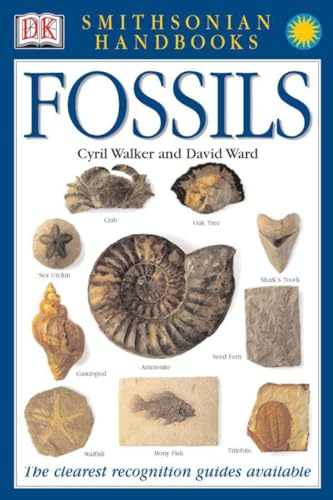
Fossils: The Clearest Recognition Guide Available (DK Smithsonian Handbook)
You may be interested


If you’re enthusiastic to plunge into the world of paleontology, the “Fossils: The Clearest Recognition Guide Available” by DK is perfect for you! This detailed handbook hosts over 1,000 stunning full-color photographs and details more than 500 fossils, making identification a breeze. Authored by paleontologist Cyril Walker and veterinary surgeon David Ward, its expertise shines through, ensuring reliable information for every reader. Each section features precise descriptions and eye-catching illustrations of living counterparts, all enhanced by color-coded facts for quick reference. Plus, the handy glossary will make you feel like a pro in no time! Trust me, you’ll love it!
Best For: Beginners and experienced fossil enthusiasts looking for a comprehensive guide to fossil identification.
Pros:
- Offers over 1,000 full-color photographs for visual identification.
- Includes detailed descriptions and illustrations of more than 500 fossils.
- Contains a comprehensive glossary for understanding paleontological terminology.
Cons:
- May be overwhelming for complete beginners due to the extensive information.
- Limited to fossils only, lacking broader paleontological context.
- Some readers may prefer digital formats rather than a physical handbook.
National Geographic Pocket Guide to Rocks and Minerals of North America
Sale


National Geographic Pocket Guide to Rocks and Minerals of North America
- National Geographic Ngeo Pocket Guide Rocks by Sarah Garlick - BK26212826

The *National Geographic Pocket Guide to Rocks and Minerals of North America* is an incredible resource for budding geologists, offering a compact and user-friendly introduction to the world of geology! Packed with 160 entries on rocks, minerals, fossils, and landforms, you’ll find stunning color photographs, fact boxes, and easily digestible text. Each page boasts key identification points and enlightening infographics that make learning enjoyable. From familiar treasures like granite and agate to fascinating fossils such as petrified wood and shark teeth, there’s so much to explore! Its portable design fits perfectly in your backpack, ensuring you’re always ready for geological adventures!
Best For: The *National Geographic Pocket Guide to Rocks and Minerals of North America* is best for amateur rockhounds, science enthusiasts, and beginners eager to learn about geology.
Pros:
- Comprehensive Coverage: Includes 160 entries covering rocks, minerals, fossils, and landforms, providing a wide range of geological knowledge.
- User-Friendly Design: Features vibrant photographs, fact boxes, and infographics that make identification and learning intuitive and engaging.
- Portable Format: Compact size allows for easy transport on field trips or hikes, making it accessible for outdoor exploration.
Cons:
- Limited Depth: While it covers a broad range of topics, the entries may lack in-depth information for more advanced geology enthusiasts.
- Beginner Focused: May not meet the needs of experienced geologists or those seeking specialized knowledge.
- Physical Size Constraints: The compact design may result in smaller text and photographs that could be difficult to read for some users.
The Fossil Book (Wonders of Creation)

Are you a budding paleontologist or just someone curious about the wonders of ancient life? “The Fossil Book” from the “Wonders of Creation” series is an exceptional choice for you! This beautifully illustrated tome dives into the fascinating world of fossils, covering their formation, types, and significance. You’ll learn about fossil collection techniques and identification methods while exploring contrasting viewpoints from evolutionists and creationists. With thorough insights and illustrations, this book, published by Master Books, enriches your understanding of geology and paleontology, making it a must-have for your bookshelf. Get ready to uncover Earth’s ancient secrets — excitement awaits!
Best For: Anyone interested in paleontology, geology, or ancient life seeking an engaging resource to explore fossils.
Pros:
- Comprehensive Coverage: The book provides detailed information on fossil formation, types, and the significance of fossils in both creationist and evolutionist contexts.
- Illustrations: Beautifully illustrated, enhancing understanding and making the subject more appealing to readers of all ages.
- Practical Guidance: Offers tips on how to start a fossil collection and identify various fossils, making it accessible for beginners.
Cons:
- Potential Bias: The contrasting perspectives on fossils may not align with all readers’ beliefs, which could detract from the educational experience for some.
- Limited Scope: While comprehensive, the focus may not delve deeply into advanced paleontological concepts that experienced readers might seek.
- Publishing Date: Depending on its publication year, it may not include the latest findings or theories in fossil research.
A Beachcomber’s Guide to Fossils (Wormsloe Foundation Nature Books)

Discovering fossils along the beach can be an exhilarating experience, and “A Beachcomber’s Guide to Fossils” (Wormsloe Foundation Nature Books) is your perfect companion for this adventure! Authored by Bob, Pam, and Ashby Gale, this engaging guide features over 1,200 vibrant photographs, showcasing more than 300 fascinating specimens, from shark teeth to unique prehistoric finds like glyptodonts. It’s designed for quick reference, so you can swiftly identify your discoveries while beachcombing along the Atlantic and Gulf coasts. You’ll learn effective fossil-hunting strategies, deepening both your knowledge and enjoyment. Immerse yourself in this resource, and let the exploration begin!
Best For: This guide is best for amateur fossil enthusiasts and professionals looking to enhance their beachcombing experience along the Atlantic and Gulf coasts.
Pros:
- Features over 1,200 high-quality color photographs for clear identification of specimens.
- Contains detailed descriptions of more than 300 fossil specimens, including unique prehistoric fossils.
- Offers practical tips and strategies for effective fossil hunting and exploration.
Cons:
- Limited to fossils found specifically along the Atlantic and Gulf coasts, which may not appeal to fossil hunters in other regions.
- The sheer volume of information may be overwhelming for novice collectors.
- Some rare fossils may not be included, which could disappoint those looking for comprehensive coverage.
Fossils (DK Handbooks)

Looking to reveal the secrets of the past? “Fossils (DK Handbooks)” is an incredible pocket guide that caters perfectly to aspiring paleontologists and curious nature lovers alike! With clear recognition of over 500 invertebrate, vertebrate, and plant fossils, this DK guide is your ideal companion for identifying and collecting fossils. You’ll appreciate the over 1,000 photographs and detailed visuals that bring these ancient creatures and plants to life! Plus, helpful tips on collecting and organizing your finds guarantee you’ll start your fossil collection off right. Don’t miss out on exploring the fascinating world of trilobites, dinosaurs, and so much more!
Best For: Aspiring paleontologists and nature enthusiasts wishing to explore and identify a wide range of fossils.
Pros:
- Comprehensive guide featuring over 500 fossil species, aiding in easy identification.
- Rich visual aids with over 1,000 photographs and illustrations enhance understanding of fossils.
- Practical tips and guidance for collecting and organizing fossils are included, making it beginner-friendly.
Cons:
- May be overwhelming for complete beginners due to the sheer volume of information.
- Some users might find the pocket format limiting for extensive reading or reference.
- Not all fossil types may be covered, potentially leaving out rare specimens.
Eyewitness Fossil (DK Eyewitness)
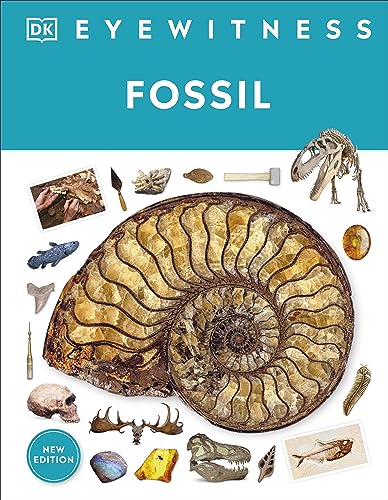
If you’re hunting for a fantastic introduction to the world of fossils, *Eyewitness Fossil* from DK is like having a personal paleontologist by your side! This stunning picture-led guide, perfect for kids aged 9 and up, dives into the fascinating creatures and plants of the past using striking illustrations and photography. You’ll explore everything from bones and teeth to the rock-turned plants, and gain insights on how paleontologists uncover ancient life. With updated info, new images, and eyewitness accounts, this book ignites curiosity about fossils—making it an essential treasure for students, educators, and anyone intrigued by our planet’s history!
Best For: Children aged 9 and up, educators, and anyone interested in learning about fossils and ancient life forms.
Pros:
- Offers engaging illustrations and photography that captivate young readers.
- Provides updated information and eyewitness accounts to enhance educational value.
- Encourages curiosity about history and the natural world through hands-on exploration of fossils.
Cons:
- May be too advanced for younger children or those with a limited interest in science.
- Some readers might prefer more in-depth scientific explanations than the picture-led format provides.
- Limited to the scope of fossils and may not cover other aspects of paleontology comprehensively.
Fossils: A Fully Illustrated Guide
Sale


Fossils: A Fully Illustrated, Authoritative and Easy-to-Use Guide (A Golden Guide from St. Martin's...
- Used Book in Good Condition
For anyone curious about Earth’s ancient life, “Fossils: A Fully Illustrated, Authoritative and Easy-to-Use Guide” from St. Martin’s Press is a must-have! This guide features stunning full-color illustrations that vividly showcase significant plants and animals from various geological eras. You’ll love flipping through pages packed with fascinating insights and historical context that detail life’s evolution and changes over time. Plus, it comes with handy maps that show specific fossil locations, making your fossil-hunting adventures more exciting. Trust me, this book is an essential companion for both budding and seasoned paleontologists looking to deepen their understanding of our planet’s history!
Best For: Fossil enthusiasts, both novice and experienced, who seek a visually engaging and informative guide to Earth’s ancient life.
Pros:
- Stunning full-color illustrations enhance understanding and appreciation of fossils.
- Includes historical context and insights into the evolution of life on Earth.
- Handy maps aid in locating fossil sites for exciting exploration.
Cons:
- May not cover every fossil type in detail, limiting information for specialized interests.
- Full-color illustrations might make printing costly for those who prefer a physical copy.
- Targeted more toward a general audience, potentially lacking in-depth scientific analysis for experts.
Fossils: An Essential Guide
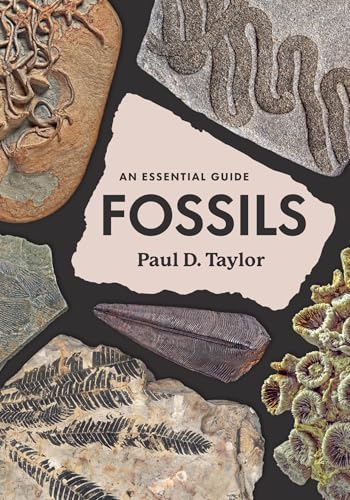
Plunge into “Fossils: An Essential Guide,” and you’ll discover a treasure trove tailored for aspiring paleontologists, educators, and anyone with a curious mind! Authored by world-renowned paleontologist Paul D. Taylor, this vibrant guide (featuring stunning color images from London’s Natural History Museum) spans 224 pages, offering insights into the formation and significance of fossils. You’ll learn about incredible evolutionary milestones, starting with three-billion-year-old bacteria and journeying through plant evolution too! It even covers the art of fossil hunting with accessible specimens, while dispelling clever myths like petrified snakes (who knew?). Immerse yourself and fuel your passion for paleontology!
Best For: Aspiring paleontologists, educators, and curious individuals eager to explore the fascinating world of fossils and evolution.
Pros:
- Engaging and visually appealing with stunning color images from the Natural History Museum.
- Comprehensive coverage of evolutionary milestones, making complex concepts accessible to readers.
- Practical tips on fossil hunting and distinguishing real fossils from fakes enhance the hands-on learning experience.
Cons:
- The depth of content may be overwhelming for complete beginners with no prior knowledge of paleontology.
- Some readers might desire more advanced discussions of specific fossil types or paleontological techniques.
- The focus on accessible specimens may limit coverage of rare or complex fossils that could intrigue more seasoned enthusiasts.
Fossil

Fossils are a fantastic gateway into the world of paleontology, especially for young explorers enthusiastic to uncover Earth’s ancient mysteries! “Fossil” by Jason G. is an absolutely enthralling wordless adventure that captures your imagination through stunning illustrations. Following a boy and his dog, the story initiates when they discover a fossil that awakens an ancient plant—and things get wild! As you flip through its 40 beautifully illustrated pages, you witness the emergence of a dragonfly and a pteranodon, adding tension to the plot. The book’s visual storytelling undeniably sparks creativity, inviting you (and your young ones) to imagine possibilities beyond the page!
Best For: Young explorers and families eager to encourage imagination through the world of paleontology and visual storytelling.
Pros:
- Engaging Visuals: The stunning illustrations capture attention and stimulate creativity in readers.
- Wordless Format: Promotes imagination and storytelling skills as readers interpret the narrative through pictures.
- Adventurous Theme: The combination of a boy, his dog, and prehistoric creatures offers excitement and an engaging storyline.
Cons:
- Lack of Text: Some readers may prefer more context provided by written words, which could limit comprehension for younger ones.
- Age Restriction: The themes and illustrations may not appeal to older children or adults looking for a more text-heavy narrative.
- Limited Interactivity: The absence of dialogue or text may reduce engagement for those who enjoy interactive reading experiences.
My Book of Fossils: A fact-filled guide to prehistoric life

If you’re looking to ignite a passion for prehistoric life in children aged 5 to 7, “My Book of Fossils: A Fact-Filled Guide to Prehistoric Life” is a brilliant choice! This engaging guide, packed with 50 profiles of fascinating fossil discoveries, invites your little ones to explore the wonders of ancient creatures and plants with vibrant visuals and top-quality photography. With clear pronunciation guides for tricky names and fun fact files detailing size, period, and locations, learning becomes an exciting adventure. Plus, the visual index makes finding favorites like Triceratops effortless—perfect for both budding paleontologists and avid fossil fans alike!
Best For: Children ages 5 to 7, parents, caregivers, and teachers who want to foster a love for prehistoric life through engaging educational content.
Pros:
- Engaging and visually appealing with high-quality photography that captures attention.
- Comprehensive resource with 50 profiles, making it suitable for both new learners and fossil enthusiasts.
- Includes useful tools like a pronunciation guide and fact files to enhance understanding of fossil species.
Cons:
- May contain more information than younger children can fully grasp, requiring adult supervision.
- Limited to a specific age group, which may not appeal to older children or adults looking for more in-depth content.
- The the targeted age range might be too narrow for some families with older siblings interested in paleontology.
Factors to Consider When Choosing Fossil Books

When picking out the perfect fossil book, you’ll want to contemplate who it’s meant for, whether it’s a kid’s beginner guide or a scholarly reference. Pay attention to the level of detail each book offers, as well as the quality of visuals—after all, a striking diagram can make all the difference! Finally, check the author’s credentials and look for practical features, like identification aids, to help you get the most out of your reading adventure!
Intended Audience Age
Choosing the right fossil book can feel like a thrilling adventure in itself, especially when you consider the intended audience age! If you’re picking for young explorers aged 5 to 7, look for colorful, engaging options like *The Dinosaurs of Waterhouse Hawkins* by Deborah Hopkinson. With vibrant illustrations and fun facts, it keeps little ones captivated! For older readers or budding paleontologists, authors like David Norman in *Dinosaurs: The Most Complete, Up-to-Date Encyclopedia for Dinosaur Lovers of All Ages* provide deeper insights, scientific terminology, and a hefty 352 pages of richly detailed information. Don’t overlook interactive features, like visual indexes or pronunciation guides—they make learning fun! Always align your choice with their curiosity and comprehension levels for the best experience!
Level of Detail
While plunging into the enchanting world of fossil books, it’s essential to reflect on the level of detail that suits your budding paleontologist’s appetite for knowledge. You’ll find that some books, like *Fossil Hunter* from Golden Books, cater to beginners with simplified descriptions, while others delve into over 500 fossil species, like *Morrison Formation: Fossils and Dinosaurs* from Smithsonian. These thorough guides often feature educational tools like glossaries and fact boxes, making complex terms friendly! If you’re looking for engaging narratives, check out *Dino-Fun*—it’s less detailed but perfect for younger audiences. Meanwhile, advanced resources explore historical contexts and timelines, allowing seasoned readers to think deeply about evolution. The right detail level can truly spark your passion!
Visual Quality Standards
Books about fossils aren’t just about the words—they’re also a feast for the eyes! When you’re choosing a fossil book, look for high-quality visual representations, with over 1,000 vibrant full-color photographs that enhance your understanding of key characteristics. Annotated images are a game changer, effortlessly guiding you to identify and differentiate species. I adore those detailed illustrations showing fossils in their living forms—they really bring history to life! Plus, a thorough visual index helps you quickly locate specific fossils with ease. Don’t overlook the power of infographics and diagrams; they effectively illustrate complex geological processes and evolutionary timelines, making everything more digestible. For superb options, check out books by publishers like HarperCollins or Princeton University Press—you won’t regret it!
Authoritative Credentials
When diving into the fascinating world of fossils, it’s crucial to contemplate the author’s credentials, as their backgrounds—typically in paleontology or geology—greatly enhance the reliability of the information presented. Books authored by recognized experts, like renowned paleontologists, generally offer insights backed by extensive research, ensuring much more than just surface-level facts! Look for those with peer-reviewed information, which adds credibility, as it means other experts have vetted the content. Texts published by reputable institutions, like the Smithsonian or academic publishers, often reflect years of scientific proficiency. Plus, authors with hands-on experience in fossil collection or excavation bring practical insights that make the reading experience immersive. Trust me, you’ll appreciate books that connect rigorous science with engaging storytelling!
Practical Identification Features
Fossil identification can feel like starting on a thrilling treasure hunt, and having the right guidebook in hand makes all the difference! Look for books, like “Fossils of the World” (Wiley, 400 pages), boasting high-quality, annotated photographs that highlight essential fossil characteristics. Choose guides with detailed descriptions of major groups and visual identification keys; they’ll make recognizing different fossils a breeze! A thorough glossary of paleontological terms is vital for clear communication, so don’t overlook that feature. Also, consider resources providing practical advice on where to find fossils and how to care for your collection. Clear indexing or visual aids will save you time during fieldwork, making your fossil-hunting adventures even more exciting and productive!
Frequently Asked Questions
What Age Group Are These Fossil Books Suitable For?
These fossil books are perfect for a range of ages, typically from about 8 to 16 years old. With engaging illustrations and vivid narratives, they inspire curiosity in younger minds (who might not even know they love paleontology yet!). Books from publishers like National Geographic, often around 80 pages, can captivate even reluctant readers. You’ll discover fascinating facts, and by the end, you’ll feel like a mini-expert yourself! How cool is that?
Where Can I Buy These Fossil Books?
You can snag these fossil books online at places like Amazon or Barnes & Noble, where options like “The Rise and Fall of the Dinosaurs” by Steve Brusatte (400 pages, 2018) await your enthusiastic hands. Local bookstores and libraries might have them, too, so don’t shy away from a little adventure! (You might find a hidden gem.) Bookstores sometimes host author events—perfect for meeting fellow fossil enthusiasts! Happy hunting!
Are There Digital Versions of These Fossil Books Available?
Yes, you can definitely find digital versions of many fossil books available online! Publishers like Penguin Random House and Princeton University Press often offer eBooks, so you can enjoy titles like “The Dinosaur Artist” (288 pages, by Paige Williams) on your favorite device. It’s super convenient—perfect for reading on-the-go or right before bed. Plus, you’ll save some shelf space (because, let’s admit, we all have too many books)! Happy reading!
How Do I Care for My Fossil Books?
To care for your fossil books, keep ’em in a cool, dry place away from direct sunlight. Use acid-free book sleeves if you’re truly worried about wear and tear, but don’t go overboard (they’re not that fragile). Regularly dust the covers with a soft cloth, and store them upright to prevent bending. Publishers like Princeton University Press and University of Chicago Press offer fantastic titles—you’ll want to maintain their beauty for years of enjoyment!
Can These Books Help With Fossil Identification?
Absolutely, these books can really help with fossil identification! For instance, “Fossils: A Very Short Introduction” by David Williams has just 168 pages packed with awesome insights. You’ll find detailed pictures and clear descriptions to guide you. “The Field Guide to Fossils” (Peterson Field Guide) is another gem, with over 300 pages of invaluable information and identification tips! Gasp at the beauty of fossils and impress your friends while you’re at it!


