As an Amazon Associate, we earn from qualifying purchases. Some links on this site are affiliate links at no extra cost to you. Our recommendations are based on thorough research and editorial judgment.


10 Best Architecture Coffee Table Books That Will Inspire Your Design Aesthetic

If you’re on the hunt for inspiring architecture coffee table books, you can’t miss “World Architecture: The Masterworks,” filled with 357 stunning photos of iconic buildings! For a deeper dive, check “Frank Lloyd Wright (Multilingual Edition)” at over 600 pages of insightful commentary. Prefer something concise? Try “Wright (Basic Art Series 2.0)”—just 96 pages packed with inspiring visuals! Each book offers something unique, appealing to both design enthusiasts and budding architects. Keep reading to discover the perfect fit!
Key Takeaways
- Explore stunning visuals and high-quality photographs that showcase diverse architectural styles to inspire your design aesthetic.
- Look for books with in-depth commentary and historical context to enrich your understanding of architectural design principles.
- Consider compact options for quick inspiration, while ensuring they still resonate with your aesthetic preferences.
- Select books featuring renowned architects to gain insight from authoritative perspectives within the architectural field.
- Evaluate the balance between visual appeal and practical design application based on your personal interests and needs.
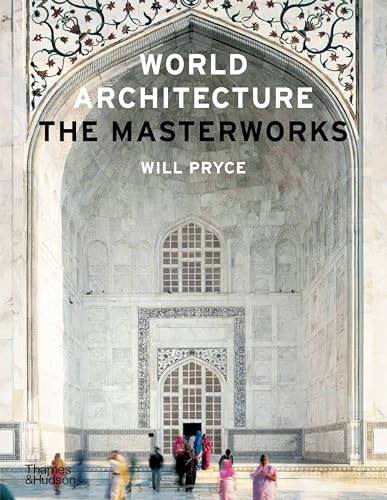
World Architecture: The Masterworks

You may be interested


If you’re a design enthusiast or an architecture student looking to explore the rich tapestry of global architectural masterpieces, then “World Architecture: The Masterworks” by Will Pryce is the coffee table book that’ll grab your attention! This stunning survey features 357 full-color photographs showcasing eighty iconic buildings, from the glorious Hagia Sophia to the mesmerizing Taj Mahal. Each image, artfully captured, reveals the beauty and genius behind architectural brilliance! Accompanying texts enrich your understanding of each structure’s historical context, making it both visually appealing and educational. It’s a must-have for anyone wanting to inspire their design aesthetic! Don’t miss it!
Best For: Design enthusiasts and architecture students seeking inspiration and a deeper understanding of global architectural masterpieces.
Pros:
- Visually Stunning: Features 357 full-color photographs that capture the beauty of iconic buildings.
- Educational Insight: Accompanying texts provide historical context and evolution of architecture.
- Diverse Selection: Showcases eighty remarkable structures from various cultures and time periods.
Cons:
- Coffee Table Size: The large format may be cumbersome for smaller spaces or limited storage.
- Limited In-Depth Analysis: While some buildings are featured in-depth, others may receive less attention.
- Price Point: May be considered pricey for casual readers or those looking for lighter reading options.
Frank Lloyd Wright (multilingual Edition)
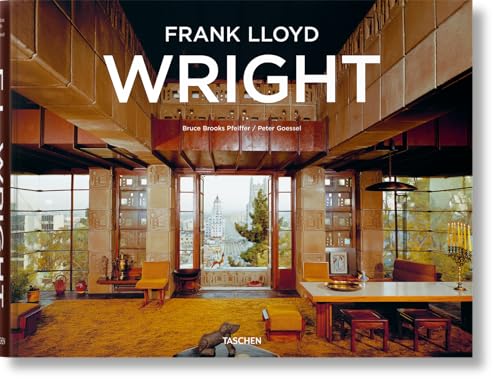
For architecture enthusiasts anxious to dive deep into the artistic genius of Frank Lloyd Wright, the “Frank Lloyd Wright (Multilingual Edition)” from TASCHEN is an absolute gem! With a lavish collection of over 600 pages packed with outstanding photographs and insightful commentary, this book brings Wright’s profound impact on modern architecture to life. You’ll discover his iconic creations, from the Prairie Houses to the famed Guggenheim Museum, all while enjoying insights from Bruce Brooks Pfeiffer, a former apprentice. Plus, the multilingual format makes it accessible for a global audience, ensuring you won’t miss a single detail of Wright’s innovative vision!
Best For: Architecture enthusiasts and students eager to explore the transformative works of Frank Lloyd Wright and gain insights into modern architectural design.
Pros:
- Comprehensive Coverage: Offers an extensive overview of Wright’s significant works and architectural philosophy.
- Visual Appeal: Contains over 600 pages of high-quality photographs that showcase Wright’s iconic designs.
- Multilingual Access: The multilingual format ensures that a broad global audience can appreciate Wright’s contributions effortlessly.
Cons:
- Lengthy: At over 600 pages, it may be overwhelming for casual readers or those seeking a quick overview.
- Cost: The high-quality publication might be priced out of reach for some potential readers.
- Niche Audience: Primarily targeted at architecture enthusiasts, which may limit its broader appeal.
Wright (Basic Art Series 2.0)
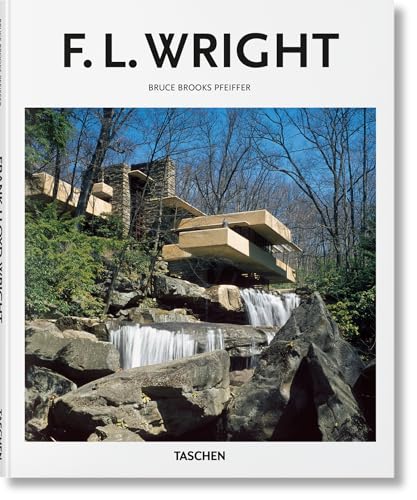
Discovering “Wright (Basic Art Series 2.0)” is a must for anyone passionate about architecture or design, especially if you want a compact yet insightful introduction to Frank Lloyd Wright’s genius. Published by Taschen, this 96-page gem beautifully captures Wright’s innovative spirit, featuring stunning photographs and illustrations that highlight his groundbreaking philosophy of organic architecture. You’ll immerse yourself in design marvels like Fallingwater and the Guggenheim Museum, exploring how he harmonized individual needs with community aspirations. Plus, you can admire his mastery in integrating interiors, from furniture to stained glass! It’s perfect for sparking inspiration while sipping your favorite brew!
Best For: Anyone passionate about architecture or design looking for a compact introduction to Frank Lloyd Wright’s innovative philosophy.
Pros:
- Beautifully captures Wright’s innovative spirit with stunning photographs and illustrations.
- Provides insight into the philosophy of organic architecture and its application in iconic structures.
- Highlights Wright’s integration of interior design elements, enriching the understanding of his holistic approach.
Cons:
- The compact format may not delve deeply into all of Wright’s works and theories.
- Limited page count may leave some readers wanting more comprehensive coverage.
- May not suit those looking for an exhaustive academic analysis of Wright’s contributions to architecture.
Architecture: The Definitive Visual Guide

Architecture: The Definitive Visual Guide is a must-have for anyone passionate about the built environment, from casual design enthusiasts to aspiring architects looking to deepen their understanding. This visually stunning book, published in association with the Smithsonian Institution, spans over 6,000 years of architecture, showcasing significant styles and innovations. With creative photography and CGI artworks, it offers a breathtaking look at iconic structures worldwide. There’s even a valuable 56-page reference section profiling key architects and important buildings! Whether you want to explore Roman resilience or contemporary green technologies, this guide’s packed with insights to inspire your design aesthetic!
Best For: This book is best for casual design enthusiasts and aspiring architects who seek an enriching understanding of architecture’s history and innovations.
Pros:
- Visually Engaging: Features stunning photography and CGI artworks that enhance the reading experience.
- Comprehensive Scope: Covers over 6,000 years of architectural developments, encompassing various styles and significant periods.
- Educational Resource: Includes a detailed reference section profiling key architects and important buildings, making it a valuable resource for learning.
Cons:
- Potentially Overwhelming: The extensive coverage may be daunting for casual readers looking for more focused content.
- Limited Interactive Elements: Lacks hands-on activities or interactive components that might appeal to some users.
- Price Point: May be considered pricey for those looking for a more general overview of architecture.
Eames
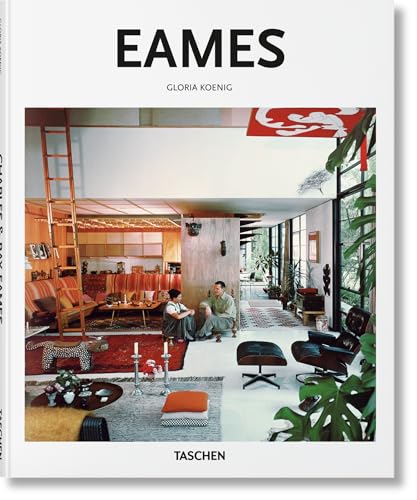
If you’re a design enthusiast or simply someone who appreciates the seamless blend of form and function, Eames Coffee Table Books deserve a spot on your shelf! These beautifully designed volumes, like *Eames: Beautiful Details* (published by Taschen, 448 pages), showcase the duo’s legendary furniture innovations, architectural achievements, and diverse creative outputs. You’ll discover their mastery of materials—plywood and plastics—that resulted in iconic pieces such as the Eames Lounge Chair. From their influence on postwar modern architecture to their enchanting films, these books offer an extensive look at how the Eameses reshaped American design. Get inspired by their timeless legacy!
Best For: Design enthusiasts and anyone interested in the intersection of art and functionality.
Pros:
- Wide Range of Content: The books cover various aspects of the Eameses’ work, including furniture design, architecture, and films.
- High-Quality Presentation: Beautifully designed with stunning visuals that capture the essence of Eames’ creations.
- Inspiration for All: Offers insights into modern design principles that can inspire both professionals and hobbyists alike.
Cons:
- Price Point: Some editions may be expensive, making them less accessible to all readers.
- Specific Focus: Primarily centered on Eames work, which may not appeal to those interested in a broader range of design topics.
- Niche Interest: The focus on design and architecture may not attract casual readers who aren’t specifically interested in the Eames legacy.
Mountain House: Studies in Elevated Design

For anyone enchanted by breathtaking landscapes and innovative design, “Mountain House: Studies in Elevated Design” emerges as an absolute gem in the world of architecture coffee table books! This stunning volume features over 200 enthralling images showcasing more than twenty unique homes set against dramatic mountain backdrops, from Morocco’s High Atlas to the vibrant peaks of Cape Town and Rio de Janeiro. It boldly expands the concept of mountain houses beyond rustic cabins, displaying brutalist lodges and minimalist designs that inspire creativity. Published by Princeton Architectural Press, this beautifully curated collection will certainly elevate your design aesthetic and spark your imagination!
Best For: Individuals seeking inspiration from innovative architectural designs set in stunning mountain landscapes.
Pros:
- Visually Captivating: With over 200 images, the book offers an immersive visual experience of extraordinary homes in varied terrains.
- Diverse Styles: It showcases a variety of architectural styles, appealing to a wide range of tastes and interests in design.
- Creative Inspiration: Ideal for artists and designers, it encourages creative thinking and exploration in elevated settings.
Cons:
- Limited Practical Application: It may not provide actionable design or building tips for readers looking to construct their own homes.
- High-end Focus: Some designs may cater to a luxury market, making them less relatable for the average homeowner.
- Niche Interest: The specific focus on mountain homes might not appeal to everyone, limiting its audience.
Architecture: A Visual History (DK Ultimate Guides)

Immerse yourself in the wonders of human creativity with “Architecture: A Visual History” from DK Ultimate Guides, a perfect treasure for every architecture aficionado and curious learner! This stunning book spans 352 pages, showcasing architectural marvels from the ancient Great Pyramid of Giza to modern masterpieces like the Burj Khalifa. With exquisite photography and informative annotations, you’ll dig into various styles and features that define each period. Plus, the unique CGI artworks bring iconic buildings to life. Housed in a beautiful slipcase, it’s an enticing addition to any coffee table, sparking conversations and igniting your design passion. Don’t miss it!
Best For: Architecture enthusiasts, students, and anyone interested in exploring the history and evolution of architectural design.
Pros:
- Offers a comprehensive global perspective on both historical and contemporary architectural styles.
- Features breathtaking photography and unique CGI artworks that enhance visual appreciation.
- Includes educational annotations that provide in-depth insights into the architectural elements of each structure.
Cons:
- The 352-page format may be overwhelming for casual readers.
- Limited focus on specific architectural movements may leave some readers wanting more depth in certain areas.
- The price point may be a consideration for those on a budget, as it is a specialized publication.
Kelly Wearstler: Synchronicity
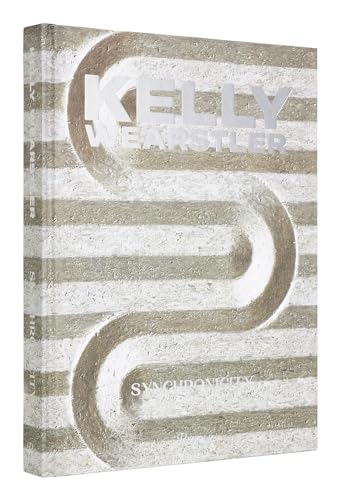
Looking for a coffee table book that sparks your creativity and elevates your design inspiration? “Kelly Wearstler: Synchronicity” is a stunning showcase of the designer’s latest work, capturing seven exceptional residential and hospitality projects with rich detail. Published by Rizzoli, this 240-page gem features immersive full-page photography that transports you into each space. You’ll find a sleek home in Venice Beach and textured Malibu beach house among the highlights! Dan Rubinstein’s insightful commentary guides you through Wearstler’s bold, minimalist aesthetic, emphasizing tactile materials and eclectic elements. It’s perfect for designers or anyone seeking elegance—your coffee table will thank you!
Best For: Designers and homeowners looking for elegant and inspiring interior design ideas.
Pros:
- Visually Stunning: Features immersive full-page photography that beautifully captures each project.
- Inspires Creativity: Showcases unique designs that blend contemporary and vintage elements, sparking new ideas.
- Insightful Commentary: Dan Rubinstein’s commentary enhances the experience, providing context and deeper understanding of the designs.
Cons:
- Limited Scope: Focuses only on a select number of projects, which may leave some readers wanting more.
- Price Point: As a coffee table book, it may be on the higher end of the price range for casual readers.
- Niche Audience: Primarily appealing to those specifically interested in high-end design, which may not attract a broader audience.
AD at Home: Architectural Digest
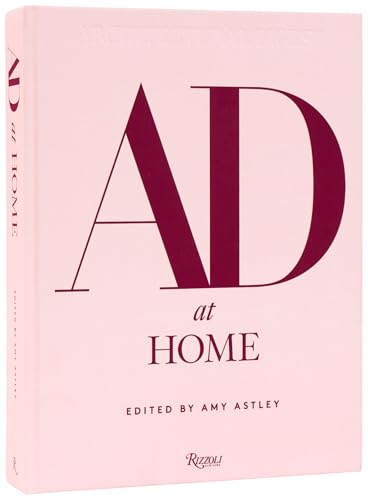
If you’ve ever dreamed of stepping inside the stunning homes of celebrities and influencers, then “AD at Home: Architectural Digest” is your perfect companion! This gorgeous book, published by Conde Nast and boasting 250 pages, showcases the unique interiors of icons like Dakota Johnson and RuPaul. Under editor Amy Astley’s vision, it emphasizes personalization in design, featuring everything from urban lofts to serene tropical getaways. With stunning photography and insightful narratives, each home reflects its owner’s personality and style (yes, even that minimalist pod in Japan!). Immerse yourself in this design treasure—trust me, your aesthetic will thank you!
Best For: Those who appreciate interior design and want to explore unique celebrity homes for inspiration or aesthetic enjoyment.
Pros:
- Beautiful photography that highlights the design and personality of each home.
- Features a diverse range of styles and environments, appealing to various tastes.
- Insightful narratives by editor Amy Astley and her team deepen the understanding of each featured space.
Cons:
- The focus on celebrity homes may not appeal to those seeking practical design tips for everyday living.
- Some may find the style choices presented to be unrealistic or unattainable.
- The book’s price may be a consideration for budget-conscious readers.
Architectural Digest: The Most Beautiful Rooms in the World

For interior design enthusiasts who crave inspiration, “Architectural Digest: The Most Beautiful Rooms in the World” is an absolute must-have! Curated by Marie Kalt, this stunning collection showcases exceptional interiors selected by editors from ten international editions, like a design passport you can flip through. You’ll find breathtaking spaces from the United States to Spain, featuring the work of design icons like Peter Marino and Jacques Grange. With gorgeous photographs of remarkable projects—think Marc Jacobs’s townhouse and a Moroccan palace—you’ll be diving into diverse aesthetics and fresh ideas on every page. Your décor will never look the same!
Best For: Interior design enthusiasts and professionals seeking inspiration from exceptional global interiors.
Pros:
- Diverse Selection: Features a wide array of styles and designs from various countries, appealing to different tastes.
- Renowned Designers: Showcases the work of well-known design luminaries, providing insights into their creative processes.
- High-Quality Imagery: Includes stunning photographs that serve as visual inspiration for home decor and design projects.
Cons:
- Price Point: May be on the higher end for those with budget constraints for books or design resources.
- Limited Practical Tips: Focuses more on visual inspiration than DIY or actionable design advice.
- Curation Perspective: Relies on the subjective preferences of editors, which may not resonate with everyone’s taste.
Factors to Consider When Choosing Architecture Coffee Table Books

When choosing the perfect architecture coffee table book, you should definitely think about several key factors! From the visual appeal and stunning design to the author’s expertise and the architectural styles covered, each aspect truly enhances your experience. Plus, don’t forget about the photography quality—after all, you want those breathtaking images to spark conversations and admiration!
Visual Appeal and Design
Choosing the right architecture coffee table book can elevate your living space, especially if you’re drawn to the stunning visuals these works of art offer. Look for books like *Architecture: Form, Space, & Order* by Francis D.K. Ching, featuring hundreds of vibrant images that captivate and inspire. Many fantastic titles incorporate specially commissioned CGI art, blending modern innovation with classic photography to enhance your visual experience. Well-designed books showcase diverse layouts and typography, guiding your eye through intricate details effortlessly. Consider titles that pair images with informative annotations, making learning enjoyable. Ultimately, the visual storytelling you discover will engage your imagination, juxtaposing iconic structures with enlightening commentary that enriches your appreciation for architectural beauty!
Content Depth and Insight
The richness of content in architecture coffee table books can truly enhance your understanding and appreciation of the structures that define our world! Look for books with thoughtful texts that provide essential context, like “Towards a New Architecture” by Le Corbusier, which artfully discusses architectural philosophies. High-quality, full-color photographs are a must; you’ll want to see intricate design elements and materials, as captured beautifully in “Architectural Digest at 100.” Checking the timeline is key too—books that explore various periods, like “A History of Architecture” by Sir Banister Fletcher, reveal how design evolved over time. Finally, immerse yourself in features detailing iconic buildings, as this depth uncovers the unique narratives behind architectural masterpieces, making your reading experience enriching and enjoyable!
Author’s Authority and Expertise
Selecting the right architecture coffee table book isn’t just about aesthetic appeal; it’s also essential to reflect on the author’s authority and expertise, as these elements can greatly enhance your reading experience! Look for authors who are recognized experts or practitioners, like Bruce Brooks Pfeiffer, whose insights into Frank Lloyd Wright offer unique perspectives. You’ll find books, such as TASCHEN’s lavish three-volume monograph, that showcase exhaustive research and access to invaluable archives—these attributes add depth. Checking the author’s educational background and previous publications can further hint at the book’s reliability and educational value. A well-versed author is likely to provide engaging content that truly resonates with your architectural interests, making your coffee table both stylish and insightful!
Photography Quality and Style
Photography quality and style play an essential role in transforming an architecture coffee table book into an engaging visual experience! High-quality images, like the 357 stunning full-page photographs often featured in renowned titles, allow you to marvel at the grandeur and intricate details of iconic structures. Look for books where the photography style complements the architectural narratives—think creative angles and enchanting lighting! A balanced mix of techniques, including CGI artwork and well-composed shots, can truly elevate your experience. Immersive full-page visuals help you appreciate the scale and innovative materials used, while insightful commentary paired with these striking images enriches your understanding. Trust me, you’ll want a book that perfectly marries visuals and text for an unforgettable journey through architecture!
Architectural Styles Covered
When diving into the world of architectural coffee table books, you’ll discover a dazzling array of styles that span from ancient wonders, like the awe-inspiring Great Pyramid of Giza, to modern icons such as the towering Burj Khalifa! You’ll encounter fascinating explorations of Gothic, Islamic, and Modernist architecture, each revealing unique characteristics and cultural significance. Importantly, books like “The Architecture of Happiness” by Alain de Botton (256 pages, published by Pantheon) investigate the emotional aspects of design. You’ll also find stunning visuals—CGI artworks, bold photographs, and illustrations that mesmerize! Some texts even provide insightful annotations about historical contexts and technological advancements that shaped each architectural movement. So, gear up for an inspiring journey through design!
Size and Format Considerations
Although choosing the right architecture coffee table book might seem like a simple task, it actually involves a thoughtful consideration of size and format, each playing an essential role in how you enjoy those stunning visuals. Larger books, like “The Architecture of Happiness” by Alain de Botton, typically showcase expansive layouts that let you immerse yourself in detailed imagery (just think of those glorious full-page photographs!). Don’t overlook the format—hardcover editions are often more durable and visually appealing for display. That said, you’ll want to balance size with portability, as oversized tomes can be tricky to handle. Plus, consider how easily you can flip through pages; a well-designed layout makes browsing a joy! Grab one that captivates you!
Target Audience and Purpose
Finding the right architecture coffee table book means understanding who you’re shopping for and how they’ll use the book! If they’re a casual reader, you might want to grab something visually stunning, like Phaidon’s “Architektur,” with 288 pages of breathtaking imagery. For professionals or students, look for thorough titles with detailed analyses, such as Knopf’s “The Architecture of Happiness.” Consider the book’s purpose—whether it’s for education, inspiration, or simply as decor—because that’ll guide your choice! A variety of styles is also key; grab a compilation that features both historical and contemporary masterpieces. Finally, rich narratives and impressive author credentials can elevate their experience, making those glorious pages even more enjoyable!
Price and Value Proposition
Selecting the perfect architecture coffee table book hinges on more than just aesthetics; it’s all about the price and value proposition. Consider the cost relative to the book’s high-quality, full-color photographs and unique content. If it has around 200 pages packed with vibrant visuals (like those stunning offerings from Taschen), you’re likely getting a rich visual experience! Also, examine how thoroughly it covers architectural history, styles, and key buildings; a well-rounded guide, such as “The Architecture of Happiness,” enhances your understanding. Look for well-researched texts that explore the significance of designs and contemporary trends—relevance matters! Finally, don’t underestimate binding quality; an elegantly presented book can elevate your coffee table’s aesthetic while providing insightful content.
Frequently Asked Questions
What Size Coffee Table Books Are Typically Best for Display?
Typically, coffee table books measuring around 10×12 inches or larger make a stunning display, drawing the eye and inspiring conversation. Look for editions from publishers like Taschen, which often feature rich illustrations and engaging narratives, usually around 300 pages. Bigger books, like “The Art of Architecture,” really turn heads, while sleek layouts (think embossed covers and high-quality paper!) add that extra flair. Trust me, they’ll elevate your space’s aesthetic vibe instantly!
How Do I Choose Coffee Table Books for a Minimalist Aesthetic?
To choose coffee table books that fit a minimalist aesthetic, focus on sleek designs and cohesive color palettes. Look for titles like “Minimalism: A Documentary About the Important Things” (Abrams, 272 pages) or “The Kinfolk Table” (Artisan, 368 pages) which offer stunning visuals without clutter. Choose larger sizes like 10×12 inches for a bold statement, and stick to neutral covers—think soft whites or grays—to create that serene vibe. Trust me, your space’ll thank you!
Can I Find Architecture Books Focusing on Sustainable Design?
Absolutely, you can find fantastic architecture books focused on sustainable design! Check out “Sustainable Architecture – Design Methods for Resource-Efficient Buildings” by T.K. Bhanumurthy, published by Routledge; it’s 250 pages of inspiring ideas! Another gem is “Sustainable Design: A Critical Guide” by David Bergman (Princeton Architectural Press). Imagine flipping through vibrant images of eco-friendly buildings while getting practical tips! Trust me, these books will elevate your collection and inspire your passion for sustainable practices!
Are There Any Digital Versions of These Architecture Coffee Table Books?
Absolutely, you can find digital versions of many architecture coffee table books! Publishers like Rizzoli and Phaidon often release ebook formats, so you can enjoy stunning visuals without taking up shelf space. For instance, “The Architecture of Happiness” by Alain de Botton, which is around 240 pages, is available digitally and explores design’s emotional impact. Plus, e-readers let you zoom in on those intricate details (just watch for eye strain)! Happy reading!
What Are Some Tips for Styling Coffee Table Books in My Living Room?
To style your coffee table books, create enchanting clusters! Stack a few horizontally, mixing sizes and colors, like the bold blue “Modern Architecture: A Critical History” (Thames & Hudson, 320 pages) with a colorful art piece. Add a small succulent for a touch of greenery, or a stylish coaster as a conversation starter. Finally, remember to rotate the books occasionally; fresh displays keep things fascinating and fun (or at least, that’s what I tell myself!).


