As an Amazon Associate, we earn from qualifying purchases. Some links on this site are affiliate links at no extra cost to you. Our recommendations are based on thorough research and editorial judgment.

10 Best Architecture Monographs You Need to Add to Your Collection

If you’re looking to enrich your collection, check out “Emery Roth’s New York Apartment Buildings,” published by Rizzoli, which offers vibrant photography and an in-depth exploration of his iconic designs. Don’t miss “Ricardo Bofill: Visions of Architecture” with stunning shots and expert insights, or “The Brutalists,” featuring profiles of over 250 architects in an impressive 352-page format. For a unique experience, “Architecture, Not Architecture” showcases works by Diller Scofidio + Renfro in a dual-volume design! Stick around to discover even more must-haves!
Key Takeaways
- “Emery Roth’s New York Apartment Buildings” offers an in-depth look at iconic structures with vibrant photography, ideal for collectors and architectural enthusiasts.
- “Ricardo Bofill: Visions of Architecture” features stunning photography and insights, appealing to students and enthusiasts despite its higher price.
- “The Brutalists: Brutalism’s Best Architects” profiles over 250 architects, highlighting significant figures and showcasing captivating images of the movement’s best works.
- “Architecture, Not Architecture: Diller Scofidio + Renfro” provides a dual-volume exploration of over 100 works, combining dialogues and diverse content, though its length may be daunting.
- “Eames” celebrates the influential design duo’s work through stunning details and a mix of biography and architecture, engaging design lovers with their creative journey.
Emery Roth’s New York Apartment Buildings

You may be interested


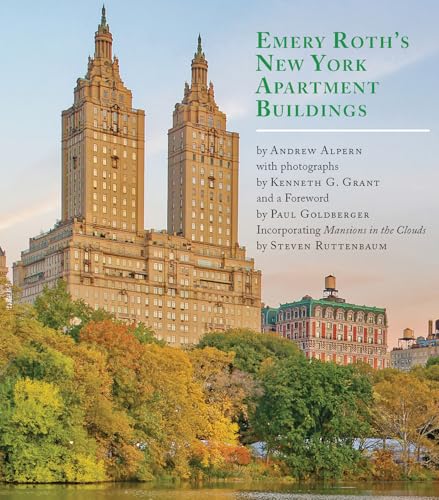
If you’re a lover of New York’s rich architectural history or simply someone who appreciates beautifully designed homes, then “Emery Roth’s New York Apartment Buildings” is a must-have for your collection! This first extensive publication on Roth in nearly forty years offers a meticulously researched overview of his iconic works, including the Ritz Tower and the Beresford. It features vibrant color photography, showcasing both exteriors and interiors, alongside a facsimile of “Mansions in the Clouds.” With its detailed insights and engaging visuals, this book not only celebrates Roth’s legacy but also enriches your understanding of Manhattan’s luxury residential landscape!
Best For: Architectural enthusiasts and collectors who appreciate the historical significance and artistry of New York’s luxury residential buildings.
Pros:
- Comprehensive Research: Offers a meticulously researched overview of Emery Roth’s iconic works, including unbuilt and demolished projects.
- Vibrant Visuals: Features a wealth of color photography showcasing both the exteriors and interiors of Roth’s buildings, enhancing the reading experience.
- Historical Context: Includes a facsimile of “Mansions in the Clouds,” providing valuable insights into Roth’s designs and legacy.
Cons:
- Limited Audience: Primarily appeals to those with a specific interest in architectural history, potentially excluding casual readers.
- Price Point: As a specialized publication, it may come at a higher price than typical books, which could deter some buyers.
- Niche Content: Focused on a specific architect, which may not attract readers interested in a wider range of architectural styles or periods.
Ricardo Bofill (New Edition): Visions of Architecture
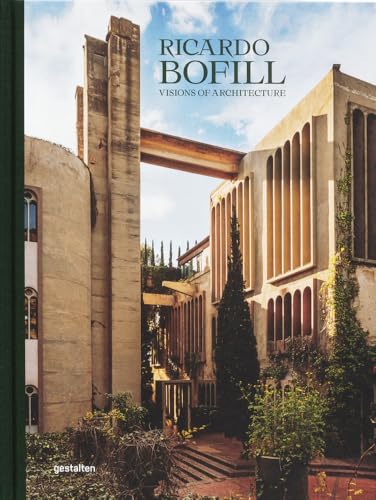
For architecture enthusiasts and students alike, “Ricardo Bofill (New Edition): Visions of Architecture” is an essential addition to your collection! This stunning monograph, published by Thames & Hudson, dives into Bofill’s innovative projects like La Fábrica and La Muralla Roja, revealing his radical ideas on urban living. With 240 pages of spectacular photography by Salva López, you’ll appreciate every intricate detail of his poetic structures. Expert insights from Nacho Alegre and Douglas Murphy deepen your understanding of Bofill’s unique vision and philosophy, making this book truly enriching. Don’t miss out on experiencing Bofill’s inspiring outlook on architecture!
Best For: Architecture enthusiasts and students seeking a comprehensive understanding of Ricardo Bofill’s innovative and radical architectural vision.
Pros:
- In-depth Exploration: The monograph offers detailed insights into Bofill’s significant projects and philosophies, ideal for both casual readers and serious scholars.
- Stunning Visuals: Features outstanding photography by Salva López, allowing readers to appreciate the intricate details and artistry of Bofill’s structures.
- Expert Contributions: Includes thoughtful texts from recognized experts, enhancing the reader’s understanding of Bofill’s influence on contemporary architecture.
Cons:
- Limited Audience: May primarily appeal to those specifically interested in architecture, potentially alienating general readers.
- Price Point: Could be considered pricey for casual readers or those not deeply invested in architectural studies.
- Lengthy Content: At 240 pages, some may find it dense and overwhelming if they prefer more concise publications.
The Brutalists: Brutalism’s Best Architects

Brutalism has an undeniable charm, and “The Brutalists: Brutalism‘s Best Architects” is the perfect addition for architecture enthusiasts enthusiastic to dive deep into this fascinating movement! Published by Thames & Hudson, this stunning volume spans 352 pages, showcasing profiles of over 250 architects who’ve shaped Brutalism’s unique landscape. You’ll find captivating works by renowned figures like Le Corbusier and Lina Bo Bardi, alongside lesser-known talents waiting to be discovered. With 350 breathtaking images illustrating masterpieces from 1936 to today, this book serves as the ultimate companion to the turbulent yet beautiful world of Brutalist architecture—definitely a must-have for your collection!
Best For: Architecture enthusiasts and students seeking an in-depth exploration of the Brutalist movement will find this book invaluable.
Pros:
- Comprehensive Coverage: Features profiles of over 250 architects, offering a rich overview of both iconic and lesser-known figures in Brutalism.
- Visual Appeal: Contains 350 stunning images that showcase a wide range of Brutalist masterpieces from 1936 to the present.
- Critical Acclaim: Recognized in prominent publications, highlighting its significance in architectural literature.
Cons:
- Niche Interest: May not appeal to those who prefer more traditional or contemporary architectural styles.
- Lengthy Volume: At 352 pages, it may be overwhelming for casual readers or those looking for a quick overview.
- Potentially Dense Content: In-depth profiles and architectural analysis may require prior knowledge of the subject to fully appreciate.
Architecture, Not Architecture: Diller Scofidio + Renfro
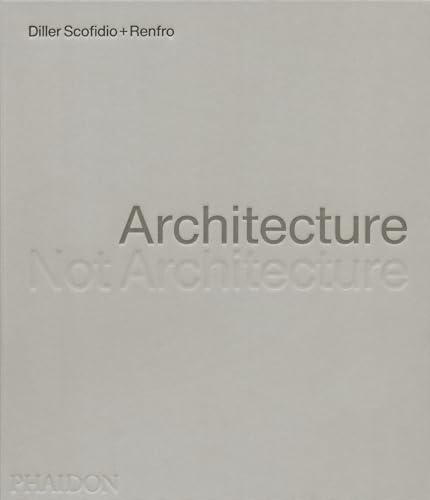
Architecture enthusiasts and design aficionados alike will find “Architecture, Not Architecture: Diller Scofidio + Renfro” an essential addition to their libraries! This enchanting 400-page monograph showcases over 100 remarkable works by the innovative studio, founded in 1981. The book’s unique design features two interconnected volumes that invite you to explore celebrated projects like the High Line and the Blur building, along with various dialogues and photography from renowned artists. Published by the apt consultancy 2×4, it challenges and expands your understanding of architecture. Seriously, it’ll keep you turning pages with sheer excitement about architecture’s endless possibilities!
Best For: Architecture enthusiasts and design aficionados looking to deepen their understanding of innovative architectural practices and projects.
Pros:
- Comprehensive showcase of over 100 works, providing a thorough overview of DS+R’s impact on architecture and design.
- Unique dual-volume design encourages exploration and engagement with content, enhancing the reading experience.
- Inclusion of dialogues with prominent figures and stunning photography enriches the narrative and offers diverse perspectives.
Cons:
- At 400 pages, the monograph may be overwhelming for casual readers or those with limited interest in architecture.
- The specialized content might not appeal to a general audience unfamiliar with the works of Diller Scofidio + Renfro.
- The unique binding and design may make it less practical for everyday use or reference.
Eames
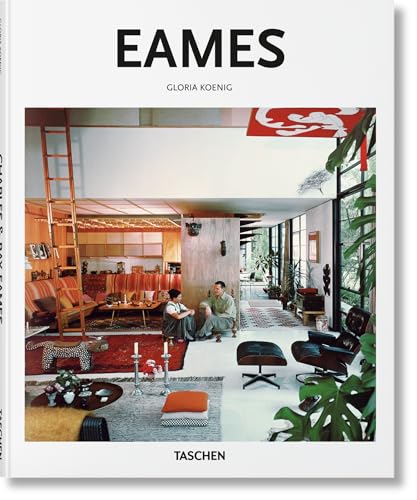
If you’re someone who appreciates elegant design that seamlessly merges form and function, then adding books on the Eames to your collection is an absolute must! The Eameses, Charles and Ray, redefined American aesthetics, transforming furniture and architecture alike. Look for “Eames: Beautiful Details” by Elizabeth Cronin—160 pages filled with stunning photography showcasing their iconic furniture, like the Lounge Chair, and fascinating insights into their vibrant creative process. Another gem is “Eames: The Architect and the Painter” by Jason Cohn, a compelling mix of biography and art, revealing their diverse contributions. You’ll find these stories not just inspiring, but utterly enthralling!
Best For: Individuals who have a passion for design and wish to deepen their understanding of the Eameses’ contributions to furniture and architecture.
Pros:
- Inspiring Content: The books provide a captivating insight into the Eameses’ creative journey and innovations.
- Visual Appeal: Rich photography showcases iconic designs that enhance appreciation for their work.
- Diverse Perspectives: The mix of biography and design philosophy offers a well-rounded view of their impact on culture.
Cons:
- Limited Focus on Other Designers: The content primarily highlights the Eameses, potentially overlooking other influential figures in design.
- Price Point: High-quality books may come with a premium price, which can be a barrier for some collectors.
- Specific Interest Required: These books cater specifically to design enthusiasts, possibly alienating casual readers.
Olle Lundberg: An Architecture of Craft

For those captivated by the intersection of craftsmanship and innovative design, “Olle Lundberg: An Architecture of Craft” is an absolute must-add to your collection! This beautifully illustrated volume showcases Lundberg’s journey as a prominent architect in the Bay Area, emphasizing his obsession with materials and hands-on craftsmanship. Featuring iconic projects like the Dog Leg House and Curly’s Cove Lava House, this book boasts engaging narratives and stunning visuals across 192 pages published by Princeton Architectural Press. Ideal for architecture students, design enthusiasts, or anyone simply curious about Lundberg’s genius, it’ll no doubt become a cherished coffee table centerpiece!
Best For: This book is best for architecture professionals, design enthusiasts, and anyone seeking inspiration from innovative craftsmanship in design.
Pros:
- Engaging narratives that provide insights into Lundberg’s architectural journey and philosophy.
- Stunning visuals that showcase various projects, making it a delightful coffee table book.
- Covers a diverse range of materials and techniques used in Lundberg’s designs, appealing to those interested in craftsmanship.
Cons:
- Limited focus on contemporary architecture beyond Lundberg’s projects, which may not satisfy those seeking broader architectural trends.
- May be too specialized for casual readers who are not deeply interested in architecture or design.
- Higher price point compared to other general design books, which could be a consideration for some buyers.
Architecture. Research. Office.
Looking to deepen your understanding of innovative architectural practices? You’ll want to grab “Architecture. Research. Office.” by Architecture Research Office (ARO), published by Princeton Architectural Press. This visually stunning book, with over 200 pages, immerses you in ARO’s ethos, featuring more than 30 notable projects, including the vibrant Rothko Chapel and the LGBTQ+ synagogue. You’ll appreciate the seven guiding principles that illustrate how they tackle pressing social and environmental issues. With insights from the architects themselves, this monograph isn’t just informative—it’s inspiring! Enhance your collection with this essential resource that champions purpose-driven architecture and thoughtful design.
Best For: This book is best for architects, design students, and anyone interested in innovative and socially responsible architectural practices.
Pros:
- Rich Documentation: Contains extensive documentation of over 30 significant projects, showcasing the firm’s diverse portfolio.
- Inspiring Insights: Offers insights from ARO’s partners, discussing challenges and innovations in architecture.
- Guiding Principles: Highlights seven guiding principles that address contemporary social and environmental challenges in design.
Cons:
- Niche Focus: May be too specialized for general audiences not primarily interested in architecture.
- Limited Scope: Focuses specifically on ARO’s work, which might not encompass broader architectural trends.
- Price Range: Potentially considered expensive for casual readers or those outside the architecture field.
Carlo Scarpa: The Complete Buildings

Carlo Scarpa: The Complete Buildings is an essential addition for anyone passionate about architecture, whether you’re an aspiring designer, a seasoned architect, or simply a lover of beautiful spaces! This exquisite volume showcases over 200 stunning photographs of Scarpa’s work, perfectly capturing his masterful blend of ancient and modern elements. You’ll appreciate how the text enriches your understanding, celebrating both champions and critics of his style. Published by Thames & Hudson, this elegant, sumptuous book invites you to explore Scarpa’s relationship with nature and craftsmanship, making it a must-have for your collection (seriously, you won’t regret it!).
Best For: Anyone passionate about architecture, from aspiring designers to seasoned architects and lovers of beautiful spaces.
Pros:
- Elegant presentation with over 200 stunning photographs that capture Scarpa’s unique architectural style.
- Insightful texts that celebrate both the champions and critics of Scarpa’s work, enhancing reader understanding.
- Focus on the relationship between nature and craftsmanship, making it a valuable resource for anyone interested in architectural philosophy.
Cons:
- The book may have a higher price point given its luxurious presentation.
- Some readers might find the emphasis on photography over detailed architectural plans less useful for practical design reference.
- Limited appeal for those not specifically interested in Carlo Scarpa or modern architectural styles.
Materialized Space: The Architecture of Paul Rudolph

Discovering the architectural brilliance of Paul Rudolph is an exciting journey for anyone captivated by modernist design and the boldness of Brutalism. “Materialized Space: The Architecture of Paul Rudolph,” published by Yale University Press, spans 288 pages filled with stunning visuals and insightful commentary, making it a must-have for students, architects, or design enthusiasts looking to deepen their appreciation of 20th-century architecture. With unpublished drawings, striking photographs, and in-depth analyses of his innovative projects, this book captivates you while showcasing themes like civic design and urbanism. Plus, don’t miss the exhibition at The Met—it’s sure to be an unforgettable experience!
Best For: This book is best for architecture students, design enthusiasts, and professionals interested in modernist and Brutalist architecture.
Pros:
- Rich Visuals: The book includes unpublished drawings and photographs that provide a deep insight into Rudolph’s design process.
- In-Depth Analysis: It offers thorough commentary on his innovative projects, making it a valuable resource for understanding 20th-century architecture.
- Themes Exploration: The exploration of civic design, urbanism, and material experimentation resonates with contemporary architectural discussions.
Cons:
- Niche Appeal: The focus on Paul Rudolph’s work may not attract readers who prefer mainstream architectural styles.
- Complex Terminology: Some parts of the analysis might use technical language that could be challenging for casual readers.
- Limited Historical Context: The emphasis on Rudolph’s contributions may overlook broader architectural movements of the time.
Studio Gang: Architecture
For architecture enthusiasts and aspiring designers alike, “Studio Gang: Architecture” is an essential addition to any collection, offering an in-depth look at Jeanne Gang’s groundbreaking work. Published by Princeton Architectural Press and spanning 272 pages, this vibrant monograph showcases 25 signature projects, including the stunning Aqua Tower and innovative upcoming buildings at O’Hare International Airport. You’ll appreciate the thoughtful essays and striking visuals that highlight the firm’s commitment to addressing social and environmental challenges. Each project inspires, showing how architecture can elevate awareness about contemporary issues while pushing creative boundaries. Don’t miss this incredible exploration of visionary design!
Best For: Architecture enthusiasts, aspiring designers, and anyone interested in innovative and socially conscious architectural practices.
Pros:
- Rich visual materials enhance the understanding of the design philosophy.
- Thoughtful essays by Jeanne Gang provide insight into the firm’s creative sensibility.
- Highlights a diverse range of projects that tackle contemporary social and environmental issues.
Cons:
- May not appeal to those who prefer traditional architectural styles.
- The focus on social issues might not resonate with all readers.
- The book’s depth could be overwhelming for casual readers without a background in architecture.
Factors to Consider When Choosing Architecture Monographs

When you’re picking architecture monographs, consider the architectural style and vision they present, especially if they reflect current trends or historical significance. You’ll want to check the quality of visual documentation, as stunning photographs can make a world of difference (and possibly double as wall art!). Don’t forget about the author’s expertise and the diversity of projects covered; it’s all about making sure those books in your collection are not just pretty, but also packed with insight!
Architectural Style and Vision
Choosing architecture monographs can be a thrilling adventure, especially when you immerse yourself in the rich tapestry of architectural styles and visions! Each book reveals unique aesthetics and philosophies, from the iconic elements of Brutalism to the sleek lines of Modernism. Look for titles like “Learning from Las Vegas” by Robert Venturi, published by MIT Press, which investigates Postmodern design. The historical context enhances your appreciation, so consider monographs that explore sustainability trends, showing how natural elements blend with various styles. (I mean, who doesn’t love a green building?) With page counts often exceeding 300, these tomes are not just visually stunning; they’re also packed with insightful analysis, guiding you through the evolution of design principles and cultural values!
Visual Documentation Quality
Visual documentation quality is a game-changer in architecture monographs, as it captures the essence of a building’s design through stunning imagery and thoughtful presentation! When you’re choosing monographs, look for high-quality photographs that reveal intricate details, showcasing the interplay of light, texture, and line. Publishers like TASCHEN and Rizzoli often feature diverse visual materials, including sketches and floor plans, enriching your understanding of the design process. New color photography can even breathe fresh life into historical works, making them feel relatable and vibrant. Plus, effective documentation typically includes insightful captions and texts that illuminate the significance of each architectural feat, helping you appreciate the architect’s vision. Trust me—you won’t regret investing in these visually enchanting works!
Author and Expertise
Understanding who wrote the monograph really enhances your reading experience, especially when you’re trying to grasp complex architectural ideas! Exploring the author’s professional background can really boost your confidence in the monograph’s content. For instance, authors with stellar reputations often offer rich insights into architectural movements. Look for those who’ve contributed notably to the field or have insider knowledge about the projects they discuss; their unique perspectives make the text come alive! Checking their previous publications guarantees the themes align with your interests, be it contemporary issues or historical contexts. Monographs like “The Architecture of Happiness” by Alain de Botton (368 pages, Penguin Books) are prime examples of how expertise elevates understanding—grab one, and immerse yourself!
Project Diversity and Scope
When you plunge into the world of architecture monographs, considering the diversity and scope of featured projects can greatly enrich your reading experience! Look for volumes showcasing an array of project types—from residential gems to monumental cultural landmarks. Books like “Building in Time” by Springer, with its 320 pages, highlight both built and unbuilt works, revealing an architect’s vision even when concepts remain unrealized. Pay attention to geographical diversity too, as this influences design decisions across cultures. Complexities in scale and style also matter; they display how architects tackle different challenges and client needs. Finally, check the historical timeline of projects—this often illustrates the evolution of styles, techniques, and societal demands. You’ll love the insights!
Historical Context Significance
Historical context serves as the backbone of any well-rounded architecture monograph, offering you invaluable insights into how designs shaped—and were shaped by—their times! When you consider titles like “Modern Architecture: A Critical History” by Kenneth Frampton (456 pages, Thames & Hudson), you’re diving deep into social, political, and technological shifts that influenced iconic structures. Understanding these historical nuances enhances your appreciation of styles like Brutalism or Art Deco! Plus, insights into key projects can reveal how they impacted urban development and community identity. Recognizing the legacies of past movements, you’ll find guidance for innovative designs today. So, don’t just grab any monograph—opt for ones rich in historical context, and you’ll uncover layers of meaning in architectural masterpieces!
Frequently Asked Questions
How Can I Organize My Architecture Monograph Collection Effectively?
To organize your architecture monograph collection effectively, start by categorizing by style or period—think Modernism or Gothic! Keep a spreadsheet (you’ll thank yourself later) with titles, authors, publishers (like Phaidon or Taschen), and page counts. Consider using themed display shelves to showcase the most visually striking covers, and don’t forget to add personal notes inside for those delightful “aha!” moments. Your collection’s not just books; it’s a journey through architectural brilliance!
What Is the Typical Price Range for Architecture Monographs?
Architecture monographs typically range from $30 to $100, depending on the publisher and features. For instance, Taschen often offers beautiful hardcovers with around 250 pages, showcasing stunning photography. If you’re on the hunt for something rare, limited editions can go well over $200! (Trust me, they’re worth it!) Keep an eye on special sales or online platforms like AbeBooks; sometimes, you can snag a gem without breaking the bank! Happy collecting!
Where Can I Find Rare Architecture Monographs for Sale?
You can find rare architecture monographs at specialty bookstores like Rizzoli or online retailers like ABE Books and Alibris. Don’t forget to check auction sites like eBay, too! Look for editions published by Taschen, which often offer beautiful photography and detailed commentary—perfect for architecture lovers. Also, local library book sales sometimes have hidden gems! So, keep your eyes peeled; you might snag a treasure that sparks your creativity!
Are There Recommendations for Digital Architecture Monographs?
Immerse yourself in digital delights like “The Architecture of Happiness” by Alain de Botton, which blends philosophy and design in an engaging, easy-to-read format. You’ll love the interactive elements! Check out “S,M,L,XL” by Rem Koolhaas, packed with visuals and clever concepts—it’s a hefty digital experience. Don’t forget about the Phaidon’s “Building a New World” collection, which offers stunning high-res images! You’ll find yourself design-dreaming in no time!
How Do I Properly Care for My Architecture Monographs?
To properly care for your architecture monographs, keep ’em in a cool, dry place to prevent moisture damage. Dust the covers regularly with a soft cloth, avoiding excessive handling of the pages, especially for large tomes (like those 400-page beauties from Taschen!). Use acid-free bookmarks instead of folding pages, and if you have slipcases, utilize ’em! They not only look great, but they also protect your prized books from dust and wear! Happy reading!


