As an Amazon Associate, we earn from qualifying purchases. Some links on this site are affiliate links at no extra cost to you. Our recommendations are based on thorough research and editorial judgment.

10 Essential Audio Engineering Books Every Aspiring Engineer Should Read

If you’re diving into audio engineering, you can’t miss essential reads like *The Mixing Engineer’s Handbook* (5th Edition, Berklee Press) or *Step By Step Mixing*. These books have practical tips, real-world insights, and cater to your skill level—whether you’re a newbie or a pro! Plus, *Sound Systems: Design and Optimization* is a must for understanding effective sound distribution. So gear up, and get ready to explore these fantastic resources that’ll elevate your audio skills! Want more tips?
Key Takeaways
- Diverse Specializations: Include books focused on recording, mixing, and sound system design to cover all essential audio engineering aspects.
- Practical Insights: Prioritize texts that offer hands-on techniques, tips, and case studies for real-world applications in audio engineering.
- Author Expertise: Select books written by recognized industry professionals to ensure the reliability of information and insights provided.
- Skill Level Consideration: Choose resources tailored to different experience levels, from beginners to seasoned engineers, to facilitate effective learning.
- Supplemental Resources: Integrate books with additional online materials, such as video tutorials and interactive tools, for a comprehensive learning experience.
Modern Recording Techniques: A Practical Guide to Music Production


You may be interested


If you’re diving into the world of music production, “Modern Recording Techniques: A Practical Guide to Music Production” is an absolute must-have, especially for both budding producers and seasoned veterans. Published by Routledge, this bestselling guide spans over 600 pages, diving deep into the art and technology of recording. You’ll find updated insights on everything from digital audio workstations (DAWs) to immersive audio techniques, like Dolby Atmos! Plus, the expanded MIDI chapter covers the exciting MIDI 2.0 (who knew MIDI could be so thrilling?). With video tutorials supplementing your learning, this book injects fun into mastering modern production techniques—definitely a game-changer!
Best For: “Modern Recording Techniques” is best for beginners and professionals seeking to enhance their music production skills through a comprehensive understanding of recording technologies.
Pros:
- Comprehensive Coverage: The book covers both fundamental and advanced techniques in music production, making it suitable for a wide range of skill levels.
- Latest Technology Insights: It provides updated information on the latest production technologies, including immersive audio techniques like Dolby Atmos.
- Supplementary Resources: The inclusion of video tutorials enhances the learning experience by offering visual and auditory examples.
Cons:
- Lengthy Format: At over 600 pages, the book may be overwhelming for those looking for quick references or concise information.
- Focus on Digital: Those who prefer analog recording techniques may find the emphasis on digital audio and DAWs less relevant.
- Requires Prior Knowledge: Beginners without basic music theory or production knowledge might find some sections challenging to understand without additional resources.
Audio Effects, Mixing and Mastering

For anyone diving into the world of audio engineering, particularly those enthusiastic to master audio effects, mixing, and mastering, the “Audio Engineering Books” series is an excellent choice! This collection explores essential audio effects like compressors, equalizers, and reverb—breaking down their functions, timings, and potential pitfalls. You’ll discover mixing fundamentals, emphasizing clear mixes that resonate, along with the mastering process, which is key to finalizing your tracks smoothly. Throughout the guide, practical tips and engaging background stories enrich your learning experience, making this a must-read for aspiring audio engineers. Happy reading and creating! 🎶
Best For: Aspiring audio engineers and music producers looking to enhance their knowledge of audio effects, mixing techniques, and mastering processes.
Pros:
- Comprehensive exploration of essential audio effects and their practical applications.
- Practical tips and engaging background information enhance the learning experience.
- Emphasizes the importance of mastering for finalizing tracks, ensuring high-quality sound.
Cons:
- May overwhelm beginners with technical jargon and concepts.
- Focuses primarily on traditional mixing and mastering techniques, potentially excluding newer methods.
- Limited interactive elements; relies on reading rather than hands-on practice.
The Complete Guide to High-End Audio

Plunge into “The Complete Guide to High-End Audio,” a must-have for audiophiles enthusiastic to elevate their listening experience without breaking the bank! This detailed guide covers everything from selecting budget-friendly audio equipment to enhancing your system’s performance by up to 50%—at no cost. You’ll discover the best-speaker picks from 50 choices, along with common setup mistakes to avoid and secrets to achieving that ideal sound you’ve craved. With insightful coverage of new technologies like streaming audio and a short course on listening-room acoustics, this book is your ticket to audio enlightenment! (Trust me; you’ll thank yourself later!)
Best For: Audiophiles looking to enhance their listening experience on a budget while maximizing system performance.
Pros:
- Comprehensive coverage of audio equipment selection, ensuring you make informed choices.
- Expert tips for optimizing system performance at no additional cost, significantly improving sound quality.
- Insight into new technologies like streaming audio and high-resolution digital audio for modern listening experiences.
Cons:
- May be overwhelming for beginners due to the extensive technical details.
- Focuses primarily on high-end audio, which may not appeal to casual listeners.
- Limited information on less expensive alternatives for those on an extremely tight budget.
Audio Production and Critical Listening
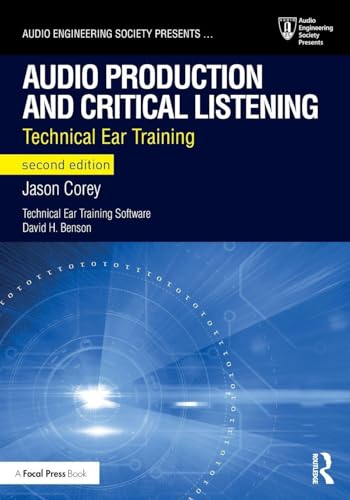
Audio Production and Critical Listening is an absolute gem for aspiring audio engineers and music producers who are enthusiastic to refine their listening skills! This updated edition focuses on building critical listening abilities, featuring accessible explanations paired with expert insights, making it both engaging and informative. You’ll plunge into audio measurement, psychoacoustics, and essential hearing conservation tips, ensuring you protect your precious ears while sharpening your auditory prowess. Plus, the interactive web-based ear training tools provide hands-on practice alongside the engaging exercises. With real-world examples and enhanced EQ training modules, you’re getting an all-encompassing resource from publisher [insert publisher name]. Enjoy mastering sound!
Best For: Aspiring audio engineers and music producers looking to enhance their critical listening skills and understanding of audio production.
Pros:
- Accessible writing style allows complex concepts to be easily understood by beginners.
- Interactive web-based ear training tools provide hands-on experience and practical application of skills learned.
- Updated learning resources include real-world examples and enhanced EQ training modules, enriching the overall learning experience.
Cons:
- Some users may find the breadth of information overwhelming if they are complete beginners.
- The effectiveness of interactive tools depends on having a reliable internet connection, which may not be accessible to all.
- The focus on technical aspects may not appeal to those more interested in the creative side of audio production.
The EQ and Compression Formula Guide
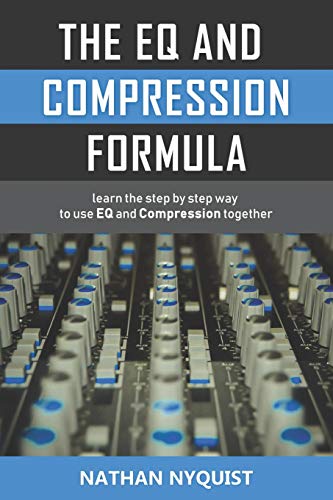
If you’re looking to elevate your mixing game with practical insights, “The EQ and Compression Formula Guide” by John Smith is an ideal companion! Published by Sound Press with 250 pages of wisdom, this book tackles the intricacies of EQ and Compression, which are essential for achieving that polished sound you crave. You’ll find clear guidelines on using these tools effectively, avoiding common pitfalls that could sink your mix quality. With step-by-step techniques that simplify complex processes, mastering EQ and Compression will become intuitive, leading to quicker, more enjoyable mixing sessions. Get ready to access your true mixing potential!
Best For: This book is best for mixing engineers and producers who want to improve their understanding and application of EQ and Compression to enhance their mix quality.
Pros:
- Provides clear guidelines to avoid common pitfalls in mixing.
- Offers step-by-step techniques that simplify EQ and Compression processes.
- Helps in achieving a more intuitive and enjoyable mixing experience.
Cons:
- May require prior knowledge of mixing concepts for full comprehension.
- Advanced techniques might be challenging for beginners.
- The length of the book (250 pages) could be overwhelming for some readers.
The Recording Engineer’s Handbook 5th Edition

Looking to elevate your recording skills? Check out *The Recording Engineer’s Handbook 5th Edition* by Bobby Owsinski, a must-have in studios worldwide. This updated treasure trove dives into modern audio recording techniques, whether you’re in a home studio or a commercial setup! With engaging sections on microphone operation and drum recording, you’ll find practical knowledge from industry legends like Al Schmitt and Eddie Kramer (yes, those guys!). Plus, it features fresh insights on the latest gear and immersive techniques. With over 200 pages of valuable tips, it’s like having a personal mentor next to you! Don’t miss it!
Best For: Anyone looking to enhance their audio recording skills, whether in a home studio or a commercial environment.
Pros:
- Comprehensive coverage of modern recording techniques and gear.
- Valuable insights and practical advice from renowned industry professionals.
- Updated content on new technologies, including immersive and modeling microphones.
Cons:
- May be overwhelming for beginners due to the extensive information.
- Some advanced topics might require prior knowledge for full comprehension.
- Limited focus on specific software or digital audio workstations (DAWs).
The Mixing Engineer’s Handbook 6th Edition
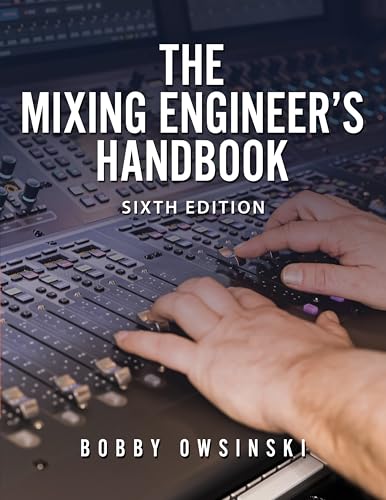
For anyone diving into the art of mixing, “The Mixing Engineer’s Handbook 6th Edition” is a must-have treasure trove packed with insightful strategies and practical tips. Published by Berklee Press, this all-encompassing guide spans over 300 pages, catering to both beginners and seasoned pros. You’ll find new chapters on AI tools and immersive audio, not to mention in-depth insights into saturation and distortion (just what you need!). Plus, it highlights techniques like M/S processing and offers smart solutions for small studios. With interviews from legends and a bonus ebook, it’s your essential roadmap to crafting engaging mixes that shine on Spotify!
Best For: Anyone interested in enhancing their mixing skills, from beginners to experienced audio professionals looking to update their techniques.
Pros:
- Comprehensive coverage of both foundational and advanced mixing techniques.
- Includes new insights on AI-assisted tools and immersive audio mixing, making it relevant for today’s music trends.
- Offers practical tips and interviews from industry legends for real-world advice and inspiration.
Cons:
- Some readers may find the vast amount of information overwhelming, especially if they are complete beginners.
- The focus on specific tools may not cater to all mixing styles or preferences.
- Potentially high expectations for users seeking immediate results without practical experience.
Step By Step Mixing: How to Create Great Mixes Using Only 5 Plug-ins

Step By Step Mixing: How to Create Great Mixes Using Only 5 Plug-ins is an absolute gem for home studio musicians and aspiring producers enthusiastic to elevate their mixing game! This best-selling guide, now in its second edition, focuses on mastering essential tools like EQ, compression, reverb, delay, and saturation. With structured, step-by-step processes, it simplifies your workflow and helps eliminate frustrating trial-and-error moments. You’ll learn how to blend instruments and achieve punchy mixes without clutter. Whether you’re crafting demos or pro tracks, you’ll see your skills soar—definitely a must-read for anyone serious about sound engineering!
Best For: Home studio musicians and aspiring producers looking to enhance their mixing skills with a structured approach.
Pros:
- Simplifies Workflow: Clear step-by-step instruction reduces trial-and-error frustration.
- Focus on Essential Tools: Mastering just five key plug-ins streamlines the mixing process.
- Improves Mix Quality: Helps achieve professional-sounding tracks suitable for various projects.
Cons:
- Limited Plug-ins: Requires reliance on only five specific plug-ins, which may not cover all individual needs.
- Not for Advanced Users: May not provide enough depth for experienced sound engineers looking for advanced techniques.
- Learning Curve: Initial learning may be challenging for beginners unfamiliar with mixing concepts.
The Mixing Engineer’s Handbook: 5th Edition
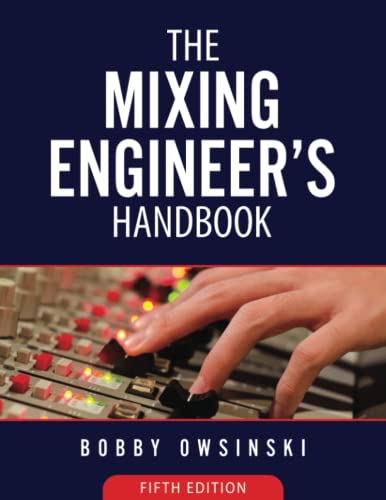
Whether you’re a seasoned pro tackling complex projects or an enthusiastic beginner diving into the world of audio, “The Mixing Engineer’s Handbook: 5th Edition” is your go-to guide! This bestseller, authored by Bobby Owsinski, features an extensive 320 pages, packed with proven techniques for enhancing your mixing skills. You’ll discover essential tricks like the mix balance technique and effective pro EQ methods for clear, punchy tracks. With new insights on immersive audio and intelligent processor plugins, this updated edition includes interviews with celebrated mixers and access to bonus materials online. It’s a must-have for any aspiring audio engineer!
Best For: This handbook is best for both seasoned audio professionals seeking advanced techniques and enthusiastic beginners looking to improve their mixing skills.
Pros:
- Comprehensive Coverage: Offers a blend of fundamental and advanced mixing techniques suitable for all skill levels.
- Updated Content: Includes new strategies for modern mixing challenges, such as immersive audio and intelligent plugins.
- Bonus Materials: Provides access to additional online resources, including interviews with industry experts.
Cons:
- Lengthy Read: At 320 pages, it may be overwhelming for absolute beginners.
- Specific Focus: Some advanced techniques might be too complex for novices without prior knowledge.
- Niche Market: Content is mainly tailored to audio mixing, which may not appeal to those outside the music production field.
Sound Systems: Design and Optimization Techniques and Tools

Immerse yourself in the world of sound system design and optimization with “Sound Systems: Design and Optimization” (third edition) published by Focal Press, a must-have for audio engineers and enthusiasts alike! This edition not only brings you the latest methodologies but also clearer explanations and enhanced content. You’ll explore case studies showcasing award-winning designs, perfect for learning real-world applications. Understand your audience’s perception of sound while utilizing modern analyzers for speaker placement. Plus, discover techniques for spatial uniformity in sound distribution. With its invaluable guidance, this book’s an essential tool to elevate your sound design skills!
Best For: Audio engineers and enthusiasts looking to enhance their sound system design and optimization skills with current methodologies and practical applications.
Pros:
- Provides the latest methodologies and techniques in sound system design.
- Features comprehensive case studies that demonstrate real-world applications and award-winning designs.
- Offers insights into audience perception and tools for speaker placement and optimization.
Cons:
- May be too technical for beginners with no prior experience in sound system design.
- The focus on current technologies might quickly become outdated as trends evolve.
- Limited practical examples for smaller, less complex sound system setups.
Factors to Consider When Choosing Audio Engineering Books

When you’re picking out audio engineering books, it’s essential to think about who you’re learning for, what content’s truly relevant, and how you best absorb information. You’ll want to navigate the author’s expertise, check if they’ve got solid credentials, and look for gems that offer practical insights instead of just theory (though a little theory ain’t hurt nobody). So, let’s get into the nitty-gritty of what makes a book a perfect fit for you!
Target Audience Identification
How can you choose the right audio engineering book for your needs? First, consider your expertise level! If you’re a beginner, look for books that provide foundational knowledge, like “The Mixing Engineer’s Handbook” by Bobby Owsinski (400 pages of pure gold!). If you’re more advanced, you might want something like “Mastering Audio: The Art and the Science” by Bob Katz. Also, think about your target audience: Are you a home studio musician, a professional engineer, or an educator? Each group has specific needs that influence book selection. Finally, your goals matter—whether it’s personal projects or client work. The right book can vary widely, so choose wisely! You’re initiating an exciting journey!!
Book Content Relevance
Choosing an audio engineering book that truly resonates with your needs can be a thrilling quest, especially since this field is packed with intricate details and ever-evolving technologies! First, assess how well the book aligns with your skill level—whether you’re just starting or you’ve got years under your belt. Seek out titles that cover essential topics like recording techniques, mixing fundamentals, and mastering processes; you’ll want a well-rounded education! Look for practical tips, real-world case studies, and industry insights that add value beyond theory. Additionally, choose books featuring modern audio technologies, so you stay current in this fast-paced domain. And hey, if there are supplementary resources like video tutorials—score! That’ll make your learning experience even richer!
Learning Style Compatibility
Finding the right audio engineering book goes beyond just picking a title—it’s about matching the material to your learning style! If you’re a hands-on learner, seek books with interactive components, like “The Art of Mixing” by David Gibson, which guides you through practical applications and offers online resources. For visual learners, “Mixing Secrets” by Mike Senior is filled with diagrams and charts that make complex ideas digestible. Structured guides, such as “Fundamentals of Audio and Acoustics” by Alton Everest, suit those who appreciate step-by-step processes. If storytelling resonates with you, opt for narrative-driven texts that keep you engaged while learning—like “The Recording Engineer’s Handbook” by Bobby Owsinski. Choices matter, so pick wisely for effective learning!
Author’s Expertise and Credentials
When diving into the world of audio engineering books, it’s important to evaluate the author’s expertise and credentials, as this can greatly enhance your learning experience! Look for authors who’ve made their mark in the industry, like those with years of hands-on practice or notable publications in respected journals, showcasing their insights beyond textbook theory. Authors who’ve worked on major projects or with renowned artists often bring the latest trends to the table! Plus, those who teach at accredited programs can bridge theory and practice beautifully. Don’t forget to check reviews—recommendations from industry professionals can seriously guide your choices, as they point to an author’s credibility and the quality of their work! Happy reading!
Practical Application Insights
Exploring audio engineering books is like opening a treasure chest of knowledge, as they can propel your skills to new heights! When you choose a title, seek ones that offer structured processes, like step-by-step guides on mixing—essential for mastering EQ and compression. Interactive learning tools, like supplementary audio examples, add a layer of engagement that enhances your grasp of concepts. Also, don’t overlook books featuring real-world scenarios and case studies; they sharpen your critical listening skills in practical situations. Most importantly, opt for resources emphasizing current technologies and methodologies, ensuring you’re up-to-date. Finally, books with professional tips and expert interviews share invaluable, firsthand insights about the challenges faced in the industry! Exciting stuff, right?
Current Technology Coverage
While diving into the world of audio engineering books, it’s essential to seek out titles that reflect today’s fast-paced technological landscape—trust me, you don’t want to be stuck with outdated practices! Look for resources that cover emerging technologies like digital audio workstations (DAWs) and immersive audio techniques such as Dolby Atmos production, ensuring you stay ahead. Books exploring the latest advancements in MIDI 2.0 are important, too, so you won’t miss anything significant. Consider texts that tackle networked audio and modern signal processing methods, plus ones offering real-world applications like streaming audio and high-resolution formats. Make sure to check for supplementary online tools, like ear training software or video tutorials, for a thoroughly enriching experience—who wouldn’t love that?
Supplemental Learning Resources
Supplemental learning resources take your understanding of audio engineering to the next level, and choosing books that incorporate these tools can make all the difference! Look for titles featuring video tutorials—think “Mixing Secrets for the Small Studio” by Mike Senior—that enhance your grasp with visual and auditory examples. Interactive web-based tools, like ear training software, foster practical skills that are essential in a real-world setting. Additionally, consider texts that include extra chapters on topics like music psychology or industry insights from pros, making the learning experience richer—“The Art of Music Production” by Richard Branson does this wonderfully! A structured approach in these guides helps you navigate complex topics smoothly, ensuring you don’t get lost (not that we’d let you!). Enjoy the journey!
Clarity and Readability
When diving into the world of audio engineering books, clarity and readability are essential factors that can dramatically enhance your learning experience! You’ll want to look for texts that use concise language and logical structures—these make even the most complex concepts easier to grasp. Books with engaging visuals, like diagrams and illustrations, add a valuable layer of clarity, helping you visualize intricate processes. Additionally, well-defined terminology and approachable explanations of technical jargon can pave the way for clearer understanding, especially for newcomers. For added context, choose books that include practical examples or case studies, as they enrich theoretical concepts and foster deeper learning. So, grab that clear, well-structured tome, and get ready to deepen your audio engineering knowledge!
Frequently Asked Questions
How Do I Choose the Right Audio Engineering Book for My Skill Level?
Choosing the right audio engineering book for your skill level boils down to knowing your needs! If you’re a beginner, try “The Mixing Engineer’s Handbook” by Bobby Owsinski; it’s got 208 pages filled with practical insights. For intermediate skills, consider “Mastering Audio” by Bob Katz, a 368-page journey into the intricacies of sound. Read reviews, check out page samples, and trust your gut—your perfect book’s out there just waiting to inspire you!
Are There Audio Engineering Books Specific to Live Sound Versus Studio Recording?
There are plenty of books that cater to live sound versus studio recording. For live sound, check out “Sound Reinforcement Handbook” by Gary Davis and Ralph Jones (300 pages, Hal Leonard)—it’s an extensive guide! If studio recording’s your jam, grab “The Mixing Engineer’s Handbook” by Bobby Owsinski (400 pages, Mix Books) for practical techniques! Both will sharpen your skills and help you stand out in either setting. Happy reading!
What Additional Resources Complement These Audio Engineering Books?
To complement your audio engineering books, check out online courses from platforms like Coursera (many are under 10 hours) and YouTube tutorials—these give hands-on insight! Don’t forget forums like Gearslutz and Reddit’s r/audioengineering, where you’ll find passionate discussions and real-world tips. Also, podcasts such as “Sound Experience” offer fascinating interviews with industry pros. Seriously, these resources can elevate your understanding beyond the printed page—and that’s always a win!
How Can I Apply Concepts From These Books in Real-World Scenarios?
You can apply concepts from audio engineering books in real-world scenarios by diving directly into recording projects. For instance, when mixing tracks, reference the techniques from “Modern Recording Techniques” (4th Edition, Focal Press, 500 pages) on EQ and dynamics. Experiment with different mic placements, like a painter choosing colors, to create unique soundscapes! Implementing these strategies, you’ll see your skills flourish—enjoy the process, and don’t hesitate to learn from every mix you tackle!
Which Audio Engineering Books Are Best for Troubleshooting Common Issues?
For troubleshooting common audio issues, you’ll love “The Art of Mixing” by David Gibson (2005, 396 pages, Hal Leonard). It dives into practical techniques, helping you decode problems and enhance your mixes! Another gem is “Mastering Audio: The Art and the Science” by Bob Katz (2007, 404 pages, Focal Press), which covers pitfalls in detail. Both books are packed with visuals and insights that’ll have you solving issues like a pro—seriously, you won’t want to miss them!


