As an Amazon Associate, we earn from qualifying purchases. Some links on this site are affiliate links at no extra cost to you. Our recommendations are based on thorough research and editorial judgment.


10 Best Birding Field Guides for Every Enthusiast: Find Your Perfect Match

If you’re excited to enhance your birding experience, you can’t go wrong with the *National Audubon Society Birds of North America Complete Guide*, featuring 800+ species and 3,500+ photos! Or grab the *Peterson Field Guide to Birds of North America, Second Edition*, with its tried-and-true identification system. The *Sibley Guide to Birds, 2nd Edition* boasts nearly 7,000 beautiful paintings, while the humorous *Field Guide to Dumb Birds of North America* offers a lighthearted twist. There’s plenty more to explore!
Key Takeaways
- Consider comprehensive guides like the National Audubon Society for extensive species coverage and detailed conservation information.
- Look for user-friendly options such as the Kaufman Field Guide, ideal for beginner birdwatchers.
- Select guides with stunning illustrations, like the National Geographic Field Guide, to enhance identification accuracy.
- Regional focus guides like Sibley’s options provide tailored insights for birders in specific areas, such as Eastern or Western North America.
- Keep portability in mind; smaller, lighter guides are easier to carry for on-the-go birdwatching experiences.
National Audubon Society Birds of North America Complete Guide


You may be interested


If you’re a birding enthusiast, whether you’re just starting out or you’ve got years of experience under your belt, the National Audubon Society Birds of North America Complete Guide is an absolute gem! This expertly curated reference, featuring over 800 species and more than 3,500 stunning photographs, makes identification a breeze. You’ll appreciate the user-friendly glossaries and indexes that streamline your search. Plus, with detailed entries including range maps reflecting climate change effects and conservation statuses, you gain insights that go beyond mere identification. Perfect for everyone from backyard birdwatchers to seasoned experts, it’s a must-have for any birding library!
Best For: Birding enthusiasts of all experience levels, from beginners to experts, who seek a comprehensive and user-friendly guide to North American birds.
Pros:
- Extensive coverage of over 800 species with 3,500+ full-color photographs for easy identification.
- User-friendly features like glossaries, indexes, and organized taxonomic entries enhance accessibility.
- Detailed entries that include climate change impact information and conservation status provide valuable insights.
Cons:
- The comprehensive nature may be overwhelming for absolute beginners unfamiliar with birding terminology.
- Size and weight may make it less portable for field use compared to smaller guides.
- The focus on North American species means it lacks information on birds from other regions, limiting its broader applicability.
Field Guide of All the Birds We Found One Year in the United States
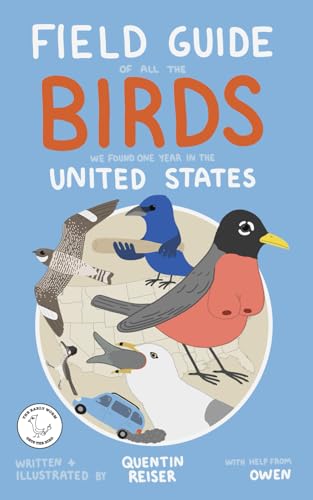
Ready to plunge into the world of birdwatching? The “Field Guide of All the Birds We Found One Year in the United States” is your ultimate companion for exploring avian delights! These dedicated brothers cruised the U.S. in a trusty minivan, cataloging an impressive array of bird species over twelve months, showcasing the beauty and diversity of our feathered friends. This guide, linking to the documentary “Listers: A Glimpse Into Extreme Birdwatching,” provides enthralling insights on behavior and habitats. With its practical format, you’ll find it a perfect resource for both seasoned birders and aspiring enthusiasts, making every outing an educational adventure!
Best For: Birdwatching enthusiasts, researchers, and nature lovers looking to deepen their understanding of U.S. avian biodiversity.
Pros:
- Comprehensive Resource: Offers detailed descriptions and behaviors of a wide array of bird species.
- Educational Value: Encourages awareness and appreciation of biodiversity, promoting conservation efforts.
- Engaging Companion: Pairs well with the documentary, providing a visual and narrative context to the birdwatching journey.
Cons:
- Limited to One Year: The guide may not include newer bird species or changes in bird populations after the expedition year.
- Potentially Overwhelming: The extensive variety of species documented could be daunting for beginner birdwatchers.
- Minimal Visuals: May lack high-quality images or illustrations that some users might expect in a field guide.
The Sibley Birder’s Life List and Field Diary

The Sibley Birder’s Life List and Field Diary is an essential companion for those who love birdwatching, no matter their experience level! Crafted by renowned ornithologist David Sibley, this compact diary lets you document sightings of 923 species across the U.S. and Canada. With dedicated space for your on-site notes, location, and time, you can cherish personal memories about each encounter. Plus, the handy checklist helps you build your life list effortlessly. Perfect for birders looking to track their adventures, it’s like a portable scrapbook for your audacious birdwatching exploits! You’ll never want to head out without it!
Best For: Birdwatchers of all experience levels looking to document their sightings and experiences.
Pros:
- Provides space for detailed notes on bird sightings, aiding in memory recall and personal storytelling.
- Covers a wide range of 923 species found in the U.S. and Canada, making it comprehensive for North American birders.
- Includes a checklist to simplify the process of building a life list, enhancing the birdwatching experience.
Cons:
- Being a physical diary, it may not appeal to those who prefer digital tracking methods or apps.
- The compact size may limit space for detailed notes for avid birders with extensive sightings.
- Requires manual entry of sighting details, which might be cumbersome for some users compared to automated recording.
Kaufman Field Guide to Birds of North America Hardcover Kenn Kaufman
Sale

Kaufman Field Guide To Birds Of North America
- Houghton Mifflin Field Guide to Birds of N.A. by Kaufman Field Guides - 0-618-57423-9
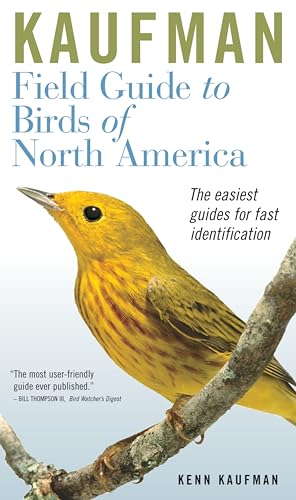
For budding birdwatchers enthusiastic to immerse themselves in the vibrant world of North America’s feathered friends, the Kaufman Field Guide to Birds of North America, authored by the renowned Kenn Kaufman, stands as the ultimate resource! This critically acclaimed guide features a compact format that makes it easy to carry along on your adventures. Complete with official bird names, range maps, and beginner-friendly tips, it’s tailor-made for those just starting their birdwatching journey. With its innovative design, you’ll discover fast identification in the field, enhancing your experience as you connect with nature’s enchanting avian wonders!
Best For: Beginner birdwatchers looking for a user-friendly guide to identify North American birds.
Pros:
- Compact format makes it easy to carry in the field.
- Offers official bird names and detailed range maps for accurate identification.
- Includes beginner-friendly tips that enhance the birdwatching experience.
Cons:
- May lack detailed information for experienced birdwatchers seeking in-depth knowledge.
- The innovative design may take time for some users to get accustomed to.
- Limited advanced birdwatching techniques may not satisfy all levels of enthusiasts.
The Field Guide to Dumb Birds of North America
Sale


The Field Guide to Dumb Birds of North America (Bird Books, Books for Bird Lovers, Humor Books)
- Each entry is accompanied by facts about a bird's (annoying) call its (dumb) migratory pattern its (downright tacky) markings and more.|The essential guide to all things...
Looking for a birding guide that serves up humor along with helpful insights? “The Field Guide to Dumb Birds of North America” might just be your perfect match! This national bestseller by Matt Kracht presents 50 common North American birds with a playful twist, featuring quirky characters like the Goddamned Canada Goose and the White-Breasted Butt Nugget. With its vivid illustrations, migratory maps, and snarky commentary, it combines entertainment with education—perfect for seasoned birdwatchers and reluctant enthusiasts alike. At around 160 pages, this amusing guide makes a fantastic coffee table book or gift for anyone who enjoys a good laugh about our winged friends!
Best For: This guide is best for birdwatching enthusiasts, humor lovers, and those looking for a unique gift that blends comedy with nature.
Pros:
- Humorous Approach: Offers a light-hearted and snarky take on the quirks of various bird species, making it entertaining to read.
- Illustrated Entries: Features delightful illustrations that enhance the descriptions and add visual appeal.
- Educational Content: Provides useful information about bird calls, migratory patterns, and tips for birdwatching while maintaining a fun tone.
Cons:
- Limited Scope: Focuses only on 50 common North American birds, which may not satisfy serious birdwatchers seeking comprehensive information.
- Humor May Not Appeal to All: The snarky humor might not resonate with everyone, especially traditional bird enthusiasts.
- Casual Format: Its light-hearted nature may not be taken seriously by those looking for a more formal birding guide.
Sibley Field Guide to Birds of Eastern North America (Second Edition)
Sale


The Sibley Field Guide to Birds of Eastern North America: Second Edition (Sibley Guides)
- The Sibley Guide to Birds has quickly become the new standard of excellence in bird identification guides, covering more than 810 North American birds in amazing detail...
Are you a passionate birdwatcher enthusiastic to discover the diversity of avian life in eastern North America? You’ll love the Sibley Field Guide to Birds of Eastern North America (Second Edition), authored by the esteemed David Sibley! This authoritative guide showcases 650 species, enriching your birding adventures with over 4,600 detailed illustrations and 600 updated maps—each one reflecting the latest range information. Plus, the revised text on behavior and conservation keeps you informed. With its user-friendly design featuring species accounts in columns, you’ll easily identify and appreciate each bird (and you’ll be ready for those surprise sightings!).
Best For: Birdwatchers and nature enthusiasts looking to explore the rich variety of birds in eastern North America.
Pros:
- Comprehensive coverage of 650 bird species with detailed illustrations and descriptive captions.
- Updated maps provide accurate information on bird ranges for different seasons, enhancing identification.
- User-friendly design allows for easy comparison between species, making it suitable for both beginners and experienced birders.
Cons:
- Focuses solely on birds found east of the Rocky Mountains, limiting usefulness for those in other regions.
- The large size of the guide may be cumbersome to carry during field trips.
- Some users may prefer digital formats for easier access and portability.
Sibley Birds West: Field Guide to Birds of Western North America

If you’re a birder passionate about exploring the diverse avian life of Western North America, you’ll find “Sibley Birds West: Field Guide to Birds of Western North America” by the talented David Sibley to be a must-have companion! With 715 species covered, including regional populations, it offers over 5,046 precise illustrations that showcase essential field marks. Plus, each entry contains updated habitat details, behavior descriptions, and conservation statuses. You’ll love the impressive maps—652 of them—showing migration patterns and ranges, compiled by 110 regional experts. This expertly designed guide transforms your birding adventures into an informed, enjoyable experience!
Best For: Birding enthusiasts seeking a comprehensive and visually engaging guide to over 700 bird species in Western North America.
Pros:
- Provides detailed illustrations (over 5,046) that aid in identifying key field marks.
- Includes updated information on habitat, behavior, and conservation efforts for each species.
- Features extensive mapping with over 652 updated range maps, reflecting current distribution patterns.
Cons:
- May be overwhelming for beginners due to the extensive information and number of species covered.
- The size of the guide could make it less portable for field use.
- Some users may prefer digital formats for easier updates and convenience.
Peterson Field Guide to Birds of North America, Second Edition
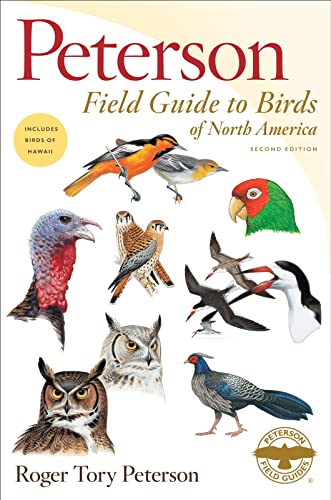
The Peterson Field Guide to Birds of North America, Second Edition is the ultimate companion for anyone looking to truly immerse themselves in the enchanting world of birdwatching! This definitive resource has been a trusted guide for decades, suitable for birders of every skill level. Its well-known identification system makes recognizing various species intuitive and straightforward. Plus, with stunning illustrations and updated range maps, you’ll always have accurate, engaging visuals at your fingertips. Remarkably, this edition expands to include exotic species from Hawaii, perfectly aligning with the American Birding Association’s standards—perfect for that adventurous birder in all of us!
Best For: Birdwatchers of all skill levels seeking an accurate and engaging guide for bird identification.
Pros:
- Intuitive Identification System: The well-known system simplifies the recognition of various bird species.
- Stunning Illustrations: High-quality visuals enhance the birdwatching experience and ensure accurate identification.
- Expanded Coverage: Includes exotic species from Hawaii, keeping it relevant and comprehensive as per updated standards.
Cons:
- Possible Overwhelm for Beginners: With extensive content, novices might find it challenging to navigate at first.
- Cost: As a specialized guide, it may be pricier compared to general birdwatching resources.
- Limited to North American Species: While comprehensive, its focus on North American birds may not appeal to global birders.
The Sibley Guide to Birds, 2nd Edition

Curious about birdwatching and want a trusty guide that doesn’t leave you hanging? The Sibley Guide to Birds, 2nd Edition, illustrated by David Allen Sibley, is your go-to resource! This widely praised book showcases nearly 7,000 digitally remastered paintings, with 85 beautifully organized bird family pages and over 600 new illustrations of rare species. You’ll love the expanded text that describes habitats and voices, making identification a breeze. Plus, with more than 700 updated range maps, you’ll confidently track migratory routes and seasonal changes. Invest in this essential guide, and elevate your birding experience to new heights!
Best For: Birders of all levels seeking a comprehensive and user-friendly guide to North American birds.
Pros:
- Nearly 7,000 digitally remastered paintings enhance visibility and detail for easier identification.
- Expanded text includes crucial habitat information and voice descriptions, aiding in learning and understanding.
- Over 700 updated range maps provide accurate tracking of migratory patterns and seasonal changes.
Cons:
- The large volume of content may be overwhelming for novice birders.
- The physical size of the guide can make it less portable for field use compared to smaller guides.
- Some users might find the price point higher than other birding resources.
National Geographic Field Guide to the Birds of North America, 7th Edition

Are you an aspiring birdwatcher or a seasoned enthusiast enthusiastic to expand your knowledge? The National Geographic Field Guide to the Birds of North America, 7th Edition is a game changer! With over 2.75 million copies in print, this guide caters to beginners and pros alike, blending user-friendly organization with the latest taxonomy from the American Ornithological Society. You’ll find 1,023 species, including 37 new ones, accompanied by stunning hand-painted illustrations and 80 fresh maps! It’s packed with insightful, expert-vetted text that’ll deepen your birdwatching experience. Grab this essential guide and elevate your adventures in North America’s avian wonderland!
Best For: The National Geographic Field Guide to the Birds of North America, 7th Edition is best for birdwatching enthusiasts ranging from beginners to seasoned experts seeking a comprehensive and visually appealing resource.
Pros:
- Updated with the latest taxonomy and 37 new species, ensuring current and accurate information.
- Features hand-painted illustrations and maps that enhance the visual experience of bird identification.
- User-friendly organization makes it accessible for both novice and experienced birders.
Cons:
- The wealth of information may be overwhelming for first-time birdwatchers.
- Higher price point compared to some other birding guides on the market.
- Physical size may be cumbersome to carry in the field for some users.
Factors to Consider When Choosing Birding Field Guides

When you’re picking a birding field guide, consider factors like species coverage and user-friendly layout, because the right combination makes your birdwatching adventures that much easier! You’ll want crisp illustrations and accurate range maps to truly capture each bird’s uniqueness, and a good guide should also offer clear identification techniques that’ll help you spot feathered friends without the guesswork. So, let’s break down what to look for to guarantee your field guide not only fits in your backpack but also enriches your birding experience!
Species Coverage and Diversity
Choosing the right birding field guide feels like starting a thrilling treasure hunt, especially since the diversity in species coverage can be exhilarating! Look for guides that cover hundreds to over a thousand species, like the Peterson Field Guide to Birds of North America, which showcases around 850 species along with engrossing illustrations. Detailed entries are key—behavior, nesting habits, and habitat insights make the experience richer. Plus, regional guides or those with a specific focus, like Sibley’s Birding Basics, can offer tailored insights into local populations. Maps that highlight migratory patterns and seasonal changes reveal fascinating distribution dynamics, while extensive illustrations help identify varied appearances across habitats. Grab your guide, and immerse yourself in the awe-inspiring world of birds!
User-Friendly Layout Design
While you may be enthusiastic to plunge into the world of birding, selecting a field guide that boasts a user-friendly layout design can greatly enhance your experience in the field! Look for guides organized by taxonomic orders and families, like “The Sibley Field Guide to Birds,” which makes finding species a breeze. Features such as glossaries and indices are invaluable, helping you quickly locate entries. Column formats streamline comparisons between similar birds, and color-coded range maps in “National Geographic Field Guide” illustrate distributions beautifully! Additionally, ribbon markers or clear pagination allow you to mark important pages easily. With these design elements, birding becomes more efficient—and let’s face it, less of a scavenger hunt! Happy birdwatching!
Illustrations and Visual Quality
An engaging field guide doesn’t just have a user-friendly layout; it also relies heavily on high-quality illustrations to bring the beauty of birds to life! When you choose a guide, look for vivid, detailed images that enhance identification accuracy. Guides like the National Geographic Field Guide to the Birds of North America feature numerous illustrations, making it easier to spot even regional rarities. Pairing these images with informative captions clarifies essential field marks—perfect for distinguishing similar species in a hurry. Plus, consistent artwork boosts memory retention, so you won’t forget those unique traits when you’re out birding. Remember, better print quality means clearer visuals, enhancing your overall birdwatching experience!
Range Maps Accuracy
When you’re diving into the world of birding field guides, you’ll quickly realize that the accuracy of range maps can make or break your avian adventures! Accurate range maps are your lifeline for understanding where to find specific bird species throughout different seasons, reflecting patterns influenced by climate change. Look for guides like the “National Geographic Field Guide to the Birds of North America” with expert-contributed maps that are updated and reliable! You’ll also want detailed notations for winter, summer, and migratory ranges, which are essential for planning your birdwatching trips. By comparing range maps across various guides, you might just discover fascinating insights into species behaviors and shifting ranges—who knew birding could be this exciting!
Identification Techniques and Systems
Choosing the right birding field guide can be a game-changer for your avian adventures since effective identification techniques help you pinpoint species in a snap! Look for guides that use unique systems, like comparing shapes and sizes or highlighting color patterns and specific markings, instantly setting them apart. Some guides, like the “Peterson Field Guide to Birds” (400 pages, Houghton Mifflin), include detailed illustrations paired with descriptive captions, which are essential for recognition. Also, consider whether the book has a taxonomic organization to streamline identification. Plus, modern guides often feature audio descriptions of bird calls, enhancing your ability to recognize species by sound, letting you feel like a true bird whisperer! Exciting, right?
Author Expertise and Reputation
Finding the right birding field guide can feel like searching for a needle in a haystack—especially with so many options out there! When choosing, immerse yourself in the author’s expertise. Look for established ornithologists—those with impressive publication histories and contributions to scientific understanding—since their insights on identification and behavior are invaluable. Renowned authors often collaborate with talented illustrators, enhancing the guide’s visual appeal and educational value. Guides like “The Sibley Guide to Birds” (600 pages, Knopf) offer authoritative content you can trust! Plus, multiple authors can bring diverse perspectives to the table, incorporating the latest findings on bird conservation. Prioritizing well-regarded authors guarantees you’re getting a guide that’s accurate and current—just the companion you need for successful birding adventures!
Format and Portability
The right format and portability features can make all the difference during your birdwatching adventures! When choosing a field guide, consider its size and weight; lightweight options are super handy for long excursions. You’ll want a durable cover, too, as nature can be tough on your belongings (trust me, I’ve learned the hard way!). Make sure the layout is user-friendly, with neatly organized sections for quick access while you’re excitedly pointing out that sparrow! High-quality illustrations or photos are essential for precise identification—nothing beats visual aids. Features like ribbon markers or elastic bands can help you find your favorite sections effortlessly. Remember, a convenient guide means more time enjoying the birds! You’re in for a treat!
Conservation and Education Focus
When it comes to birding field guides, a strong conservation and education focus can really elevate your experience out in the field! Guides like the *National Geographic Field Guide to the Birds of North America* (592 pages) do an amazing job of incorporating species’ conservation statuses and the effects of climate change on their habitats. Many modern guides also feature range maps that not only show current distributions but also potential shifts due to environmental changes, which keeps you informed and engaged. Look for titles that include essays from experts, conservation tips, and ethical birdwatching practices, as these can spark your passion for responsible engagement! The more you understand about avian biodiversity, the better you’ll appreciate every bird you encounter!
Frequently Asked Questions
How Do I Select the Best Field Guide for Beginners?
To select the best field guide for beginners, consider ones like the National Geographic Field Guide to Birds, featuring stunning photos and a handy 528 pages! You’ll want a book with clear labels and concise descriptions. Look for guides with region-specific info to narrow down your options, making their birdwatching journey enjoyable. Don’t forget to check out compact options—lightweight ones fit perfectly in your backpack! Get ready for exciting adventures!
Are There Field Guides Specifically for Backyard Birdwatching?
There are fantastic field guides specifically for backyard birdwatching. Check out “The Backyard Birdwatcher’s Bible” by Paul Sterry, which has 384 pages filled with vibrant photos and essential tips. Another great option is “Birds of North America” by the National Geographic Society; it’s a bit hefty at 592 pages but packed with detailed information. You’ll love how these guides help you identify your feathered friends without needing a PhD! Happy birding!
What Is the Difference Between a Pocket Guide and a Comprehensive Guide?
A pocket guide’s compact and portable, perfect for spontaneous birdwatching adventures, while a detailed guide’s an oversized treasure chest, bursting with detailed information! You’ll find pocket guides like “Peterson Field Guide to Birds” (just about 300 pages) easy to slip into your bag, yet detailed ones like “Sibley Guide to Birds” (over 600 pages!) offer in-depth insights on habitat and behavior. So, if you want convenience or depth, choose wisely based on your birding style!
How Do I Identify Regional Birds Not Covered in National Guides?
Identify regional birds not covered in national guides by checking local birding websites or joining regional birding clubs, where you’ll find insights and tips from seasoned birdwatchers. Look for specialized field guides, like “The Sibley Guide to Birds of Eastern North America” (600 pages) or smaller, targeted guides that focus on specific states or regions. Don’t forget to consult apps like Merlin Bird ID for quick, on-the-fly identification. Happy birding!
Are There Digital Alternatives to Traditional Birding Field Guides?
You’ll find plenty of digital alternatives to traditional birding field guides. Apps like Merlin Bird ID from the Cornell Lab of Ornithology (free, awesome features) and iBird Pro (for $19.99, over 900 species) offer instant identification with images and sounds. Websites like eBird also provide real-time data on your region’s birds! So, whether you’re out and about or relaxing at home, you’ve got all the tools you need to enhance your birding experience!


