As an Amazon Associate, we earn from qualifying purchases. Some links on this site are affiliate links at no extra cost to you. Our recommendations are based on thorough research and editorial judgment.
10 Best Botanical Art Books That Will Inspire Your Creativity and Style

If you’re looking to spark your creativity with botanical art, you’ve got to check out titles like “Billy Showell’s Botanical Painting in Watercolour” (Pavilion Books, 176 pages), which offers expert techniques alongside stunning illustrations. “Redouté: Book of Flowers” is another gem, featuring exquisite engravings that breathe life into floral art. Plus, “Botanical Art Techniques” (Search Press, 224 pages) is perfect for honing your skills! Stick around, and you’ll discover even more artistic treasures to inspire your style!
Key Takeaways
- Redouté delivers stunning engravings of flowers, making it a perfect choice for art lovers seeking historical beauty.
- Botanicals: 100 Postcards offers visually captivating designs, ideal for nature enthusiasts who love sending personalized cards.
- Billy Showell’s Botanical Painting provides expert insights and techniques for artists looking to elevate their botanical art skills.
- Botanical Art Techniques features extensive photographic projects, catering to both beginners and seasoned artists wanting to enhance their creativity.
- Botanical Line Drawing is accessible for all skill levels, encouraging artistic exploration through diverse subject matter for aspiring illustrators.
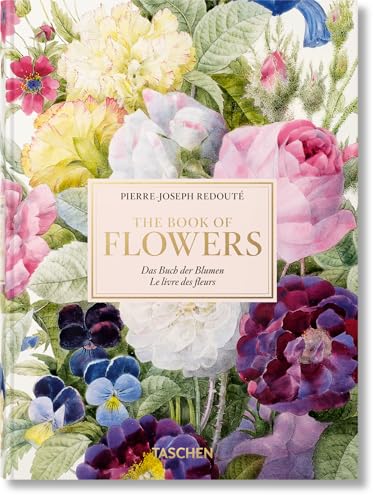
Redouté. Book of Flowers – 40 Years

You may be interested


If you’re a fan of exquisite illustrations or just someone who appreciates the beauty of nature, you’ll want to immerse yourself in “Redouté.” This stunning collection showcases Pierre-Joseph Redouté’s remarkable color engravings, featuring iconic works like his series on Roses and Lilies. Published by TASCHEN in recognition of their 40th anniversary, this compact edition retains the visual richness you’d expect from a larger collection, all while being more accessible. Offering insight into Paris’s historical gardens, it’s an essential addition for both art lovers and aspiring botanical artists. You won’t want to miss this blend of beauty and botanical precision!
Best For: This collection is best for art lovers, botanical enthusiasts, and anyone who appreciates exquisite nature illustrations.
Pros:
- Offers stunning, detailed color engravings by the master botanical artist Pierre-Joseph Redouté.
- The compact format makes it accessible and easy to display, retaining the original visual richness.
- Provides insight into the historical gardens of Paris, making it both an aesthetic and educational addition.
Cons:
- Some may find the compact size limiting compared to the original larger editions.
- The price might be higher than other floral art books not focused on such detailed botanical illustrations.
- Limited to a specific focus on flowers, which may not appeal to those interested in broader themes of nature.
Botanicals: 100 Postcards from the New York Botanical Garden
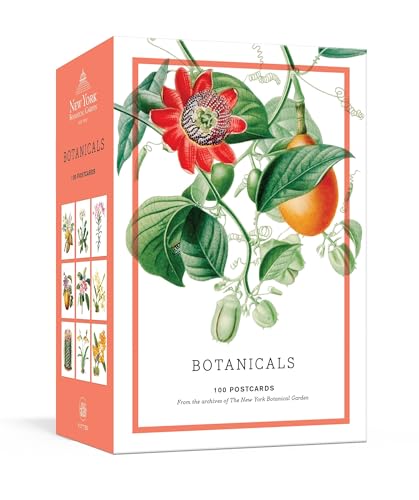
For anyone who appreciates the beauty of nature and the artistry of botanical illustrations, “Botanicals: 100 Postcards from the New York Botanical Garden” is an absolute treasure! This delightful set features 100 exquisite portraits of exotic flowers, cacti, and succulents, showcasing rare artworks pulled from the garden’s archives. Each postcard, printed on lush, uncoated stock, perfectly replicates the original paintings’ vibrant colors and details—definitely worthy of framing or gifting! Whether you’re mailing these gorgeous pieces to friends or using them for your creative projects, this collection is sure to inspire your own botanical artistry. Don’t miss out on this beauty!
Best For: Nature enthusiasts, art lovers, and anyone who enjoys sending or displaying beautiful botanical illustrations.
Pros:
- High-quality printing: Postcards are printed on lush, uncoated stock, closely resembling original artworks.
- Versatile usage: Perfect for mailing, framing, gifting, or using in DIY crafts.
- Stunning visuals: Features brilliantly colored exotic flowers, cacti, and succulents that enhance aesthetic appeal.
Cons:
- Limited quantity: Only 100 postcards available, which may not be enough for extensive gifting or crafting projects.
- Not all art may appeal: Some users may not find all floral designs to their taste.
- Potential for wear: Regular handling or mailing could result in wear and tear, especially with uncoated stock.
Billy Showell’s Botanical Painting in Watercolour
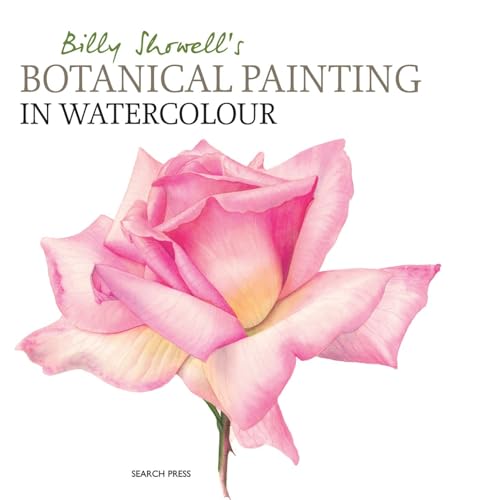
Billy Showell’s *Botanical Painting in Watercolour* is a must-have for anyone passionate about enhancing their botanical art skills, especially those who appreciate the blend of tradition and modern flair! With expert guidance on tools and techniques, Showell dives deep into techniques for capturing the intricate details of plants—like texture, color, and patterns. Each step-by-step study, accompanied by close-up photographs, makes learning enjoyable and accessible. (You might even find yourself painting like a pro before you know it!) Published by Harper Design and packing 144 visual pages, this book is a visual feast that will inspire and educate both newcomers and seasoned artists alike!
Best For: Botanical artists seeking to enhance their skillset with a blend of traditional techniques and contemporary styles.
Pros:
- Expert insights on tools and methods for capturing botanical details such as texture and color.
- Step-by-step guidance with close-up photographs makes learning accessible and enjoyable.
- Visually stunning showcase of artwork that inspires creativity and showcases skill refinement.
Cons:
- Some techniques may be too advanced for complete beginners with no prior experience.
- Limited focus on digital painting techniques, which may not appeal to all artists.
- The book may not cover every type of plant, focusing primarily on specific species preferred by the author.
Botanical Art Techniques: A Comprehensive Guide to Various Mediums
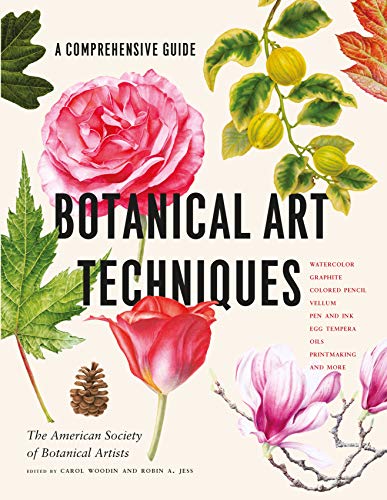
Whether you’re just starting your journey into the world of botanical art or looking to refine your existing skills, “Botanical Art Techniques: A Thorough Guide to Various Mediums” from the esteemed American Society of Botanical Artists is an absolute must-have! This incredible manual covers essential techniques—from watercolor and graphite to pen and ink—making it suitable for all skill levels. With over 900 photographs showcasing finished works by contemporary artists, it’s visually engaging too! Step-by-step projects guide you seamlessly from beginner to advanced levels, ensuring you’ll continually improve. Trust me; this book’s authoritative, instructional quality is truly indispensable!
Best For: This guide is best for anyone interested in botanical art, from beginners eager to learn the basics to seasoned artists looking to refine their techniques.
Pros:
- Step-by-step projects make it easy to follow and improve skills progressively.
- Over 900 photographs provide visual inspiration and showcase expert examples.
- Covers a wide range of techniques suitable for different mediums and styles.
Cons:
- May be overwhelming for absolute beginners due to the volume of information.
- Some techniques might require specific materials that could be costly.
- Limited information on digital techniques, focusing primarily on traditional mediums.
Botanical Line Drawing: 200 Step-by-Step Floral and Nature Illustrations

If you’ve ever dreamed of creating stunning botanical illustrations but felt intimidated by the complexity often associated with art, then *Botanical Line Drawing: 200 Step-by-Step Flowers, Leaves, Cacti, Succulents, and Other Items Found in Nature* is your perfect companion! Crafted by the talented artist behind Pigeon Letters, this no-skills-necessary guide lays out 200 delightful prompts for you to explore. You’ll start with simple doodles and work your way up to intricate designs, making it a fantastic way to develop your unique style. Plus, these charming line drawings are perfect for adding flourishes to any project!
Best For: Beginners and hobbyists who want to explore and develop their skills in botanical line drawing without any prior experience.
Pros:
- Easy to follow: 200 step-by-step prompts ensure even those with no artistic skills can create beautiful drawings.
- Varied subject matter: Covers a wide array of natural themes, making it versatile for different interests.
- Encourages creativity: Supports the development of a personal style and can be applied to other art projects.
Cons:
- Limited advanced techniques: May not provide enough challenge for more experienced artists looking for complex guidance.
- Focus on line drawing: Those seeking rich, textured illustrations might find it too simplistic.
- Primarily illustrations: The absence of colored guides may deter some users who want to explore color techniques alongside line drawing.
A Garden Eden: Masterpieces of Botanical Illustration (45th Edition)
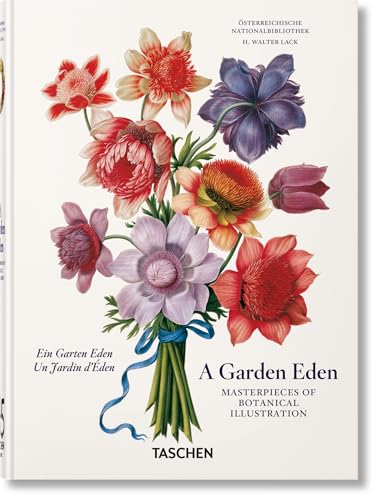
Immerse yourself in the enchanting world of botanical illustration with “A Garden Eden: Masterpieces of Botanical Illustration (45th Edition),” a must-have for art lovers, nature enthusiasts, and anyone seeking a stunning visual feast! Published by TASCHEN, this multilingual edition showcases exceptional works from the National Library of Vienna, including new images spanning from Byzantine manuscripts to 19th-century masterpieces. You’ll be captivated by illustrations of peonies, callas, and chrysanthemums, all highlighting the meticulous accuracy and vibrant colors of nature. It’s more than just art; it emphasizes our connection to the environment and the beauty of flora we often overlook!
Best For: Art lovers, nature enthusiasts, and anyone seeking a stunning visual feast of botanical illustrations.
Pros:
- Stunning Visuals: Features vibrant reproductions of exquisite botanical illustrations.
- Rich Historical Collection: Showcases works from various time periods, including Byzantine manuscripts and 19th-century masterpieces.
- Educational Insight: Merges artistry with scientific understanding, enhancing viewers’ appreciation of flora.
Cons:
- Limited Accessibility: Published as a multilingual edition, but availability may be restricted in some regions.
- High Cost: May be considered expensive for casual readers or those on a budget.
- Specific Interest: Primarily appeals to niche audiences interested in botanical art or illustration, potentially limiting broader appeal.
The Joy of Botanical Drawing: A Step-by-Step Guide to Drawing and Painting
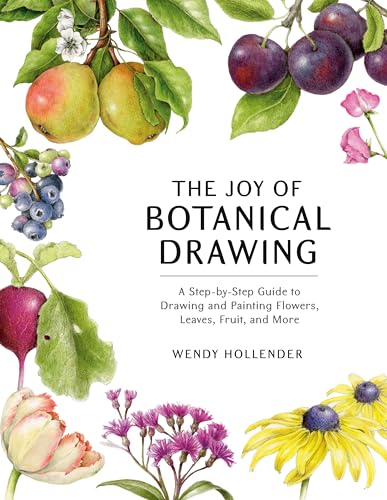
For aspiring artists who crave a connection to nature through their creativity, *The Joy of Botanical Drawing: A Step-by-Step Guide to Drawing and Painting* by Wendy Hollender is a fantastic choice! This well-structured guide, with its 160 pages filled with rich illustrations, walks you through drawing flowers, leaves, and fruits using colored pencils and watercolor pencils. Hollender, renowned for her brilliant botanical art, expertly shares techniques that promote mindfulness while enhancing your skillset. With short, easy lessons building on each other, even beginners can create stunningly lifelike portraits (you’ll impress your friends!). Immerse yourself and release your inner artist!
Best For: Aspiring artists of all skill levels who want to deepen their appreciation for nature through botanical illustration.
Pros:
- The book offers a progressive learning approach, making it accessible for beginners and helping them to gradually build their skills.
- Rich, detailed illustrations enhance the learning experience and inspire creativity.
- Practicing botanical drawing can promote mindfulness and a better appreciation for the natural world.
Cons:
- Some readers may find the focus on colored and watercolor pencils limiting if they prefer other mediums.
- The step-by-step format might feel too slow for advanced artists looking for more challenging techniques.
- The book may require additional materials that could incur extra costs for beginners.
Botanical Art: An Image Archive for Artists & Designers
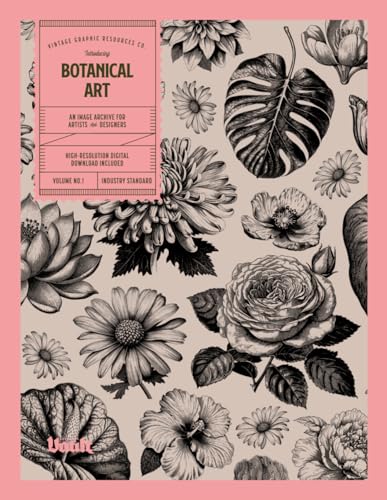
Botanical Art: An Image Archive for Artists & Designers is perfect for creative minds craving inspiration, whether you’re a fine artist, designer, or even a tattoo enthusiast! Curated by the talented Kale James, this visual treasure trove boasts 477 stunning botanical engravings, showcasing everything from elegant roses to exotic bird of paradise plants. Each high-resolution (300 DPI) image is ideal for your illustration, tattoo, or collage needs, allowing you to elevate your projects beautifully. Plus, you can print and frame your favorites to create gorgeous decor! Order your copy from Vault Editions, and let the exploration of botanical beauty begin!
Best For: Botanical Art: An Image Archive for Artists & Designers is best for fine artists, designers, tattoo artists, and collage creators looking for high-quality botanical imagery to inspire their work.
Pros:
- Curated collection of 477 beautifully restored botanical images catering to a range of artistic needs.
- High-resolution (300 DPI) files suitable for detailed illustration, tattoo design, and print projects.
- Images can be printed and framed for stylish home or studio decor.
Cons:
- Limited to only botanical themes, which may not appeal to all artists or designers.
- Requires a digital download, which might not suit those who prefer physical image collections.
- Potentially overwhelming choice for users who may have difficulty selecting from 477 options.
Mushroom Botanical Art
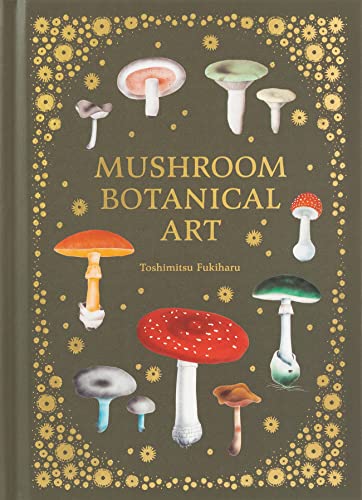
If you’re a passionate admirer of nature’s hidden gems, particularly mushrooms, then *Mushroom Botanical Art* is an absolute must-have for your collection! This best-selling luxury English edition features stunning paintings of mushrooms and fungi, created by talented European and Japanese naturalists from the 18th to 19th centuries. Each illustration, executed in a straightforward natural history style, showcases these fascinating organisms in their natural habitats, with meticulous attention to detail. You’ll love the beautiful color plates, which not only attract botanical art fans but also provide endless inspiration for your own artistic endeavors. Immerse yourself in this world of mushroom beauty!
Best For: *Mushroom Botanical Art* is best for nature enthusiasts, botanical art aficionados, and artists seeking inspiration from intricate mushroom illustrations.
Pros:
- Beautiful and detailed illustrations that capture the essence of mushrooms and fungi.
- Historical significance, showcasing artwork from renowned 18th to 19th-century naturalists.
- Provides inspiration for artists looking to draw or paint nature scenes.
Cons:
- May not appeal to those uninterested in botanical art or mycology.
- Luxury edition may come at a higher price point than standard books.
- Limited practical use beyond artistic inspiration and appreciation.
A Curious Herbal: Elizabeth Blackwell’s Botanical Art
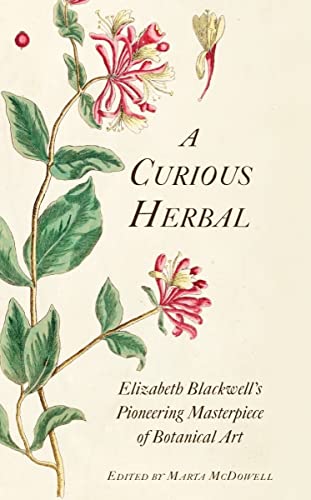
Discovering *A Curious Herbal* is like stepping into a vivid world where art and nature intertwine, making it a must-have for anyone passionate about botanical art, women’s history, or the evolution of science. Elizabeth Blackwell, facing personal hardship in the 1730s, crafted this stunning herbal, the first of its kind by a woman artist, publishing it between 1737 and 1739. With 500 hand-colored plates, each image bursts with intricate detail! Modern editions, including an enlightening preface, honor her legacy. Don’t miss Marta McDowell’s insights on herbals or Janet Stiles Tyson’s enthralling biography—they add rich context that enhances your reading experience!
Best For: Those with an interest in botanical art, women’s history, and the history of science will find *A Curious Herbal* particularly enriching.
Pros:
- Provides a unique perspective on the intersection of art and botany through the exquisite illustrations of medicinal plants.
- Highlights the pioneering role of women in the field of botanical illustration and science.
- Includes valuable context from expert contributions, enhancing the understanding of Blackwell’s impact and the history of herbals.
Cons:
- The historical focus may not appeal to readers who prefer contemporary botanical works.
- Some may find the 18th-century terminology and descriptions less accessible without prior knowledge of the subject.
- The book’s publication and historical significance may overshadow the purely aesthetic appreciation for the artwork.
Factors to Consider When Choosing Botanical Art Books

When you’re choosing botanical art books, there are some key factors to contemplate that’ll make a huge difference! You’ll want to evaluate your artistic style preference, the subject matter that excites you the most, and whether the book suits your skill level. Plus, don’t forget about the quality of illustrations and the book’s format and size—these aspects can really enhance your reading and creating experience!
Artistic Style Preference
Choosing the right botanical art book can feel a bit like wandering through a beautiful garden; there’s so much to explore and ponder! When you immerse yourself in the selection, think about the artistic style—traditional versus contemporary interpretations can dramatically alter the emotional pull. Look for books with stunning watercolor illustrations, like those from Phaidon Press, or appreciate the charm of loose line drawings. Decide if you prefer rigorous scientific accuracy or a more expressive approach—each serves a different purpose! For truly enthralling collections, seek books that blend meticulous detail and vibrant colors, like “Botanical Art: A Practical Guide” by Sarah Roy. And don’t forget to reflect on the historical context; it can deepen your connection to the art!
Subject Matter Focus
Subject matter focus can greatly shape your experience with botanical art books, so it’s vital to pinpoint what genuinely captivates you! If you’re drawn to floral portraits or fungi illustrations, you’ll find specific titles like “Botanical Line Drawing” irresistible, with 144 pages of easy prompts tailored for beginners. For those curious about historical context, explore collections showcasing 18th and 19th-century botanical illustrations—these gems highlight how artistry has evolved! Interested in personal growth? “The Joy of Botanical Drawing” not only teaches techniques, but also fosters a mindfulness connection with nature. And if you love high-resolution images for your creative projects, “Botanical Art: An Image Archive” is your go-to reference, perfect for graphic design or even tattoo art!
Skill Level Suitability
Selecting the right botanical art book feels like starting on a creative adventure! Whether you’re just beginning or looking to refine your skills, invest in beginner-friendly resources that introduce basic drawing techniques and materials. Look for thorough guides like “The Botanical Illustration Workbook” (240 pages, published by Crystal Productions), which covers various skill levels with step-by-step projects! If specific techniques excite you—like watercolor or line drawing—choose texts that align with those interests for a richer experience. Books featuring detailed visual resources and photographs will enhance your understanding and inspire your creations. Also, consider instructional materials that promote practice and mindfulness; they can deepen your appreciation for nature while improving your artistic abilities, regardless of your experience level!
Format and Size
When you plunge into the world of botanical art books, the format and size can really make or break your experience! Compact editions are perfect for portability, letting you explore beautiful artwork on-the-go, while larger formats, like “The Art of Botanical & Bird Illustration” by D. Murray, let you immerse yourself in intricate details—ah, the joy of seeing those fine lines and textures! Think about your intended use: a postcard-sized book makes for a charming gift, but a large coffee table edition, such as “Botanical Artistry” by J. Williams, is fantastic for showcasing your passion. Also, consider print quality; uncoated stocks can truly mimic that original painting feel, enhancing your overall enjoyment (and your coffee table’s vibe)!
Quality of Illustrations
The magic of botanical art lies in the stunning quality of its illustrations, and choosing the right book requires a discerning eye! You’ll want to look for books that feature accurate, detailed representations of plant features, showcasing the artist’s meticulous techniques. For example, watercolor illustrations exude vibrant colors and smooth shading that’ll take your breath away! Books printed on luxurious, uncoated stock can offer a tactile experience, mirroring the original artworks’ texture. A collection that encompasses diverse styles—think traditional versus contemporary—will broaden your perspective. And don’t overlook the value of close-up photographs and step-by-step guidance that deepen your understanding of plant anatomy. Your next favorite book is waiting to inspire!
Author Expertise Importance
While choosing a botanical art book, jumping into the author’s expertise can greatly elevate your reading experience and understanding! Authors with backgrounds in botanical sciences or illustration techniques, like Clare W. Walker Leslie or Margaret Stevens, often provide rich insights into both the science and art of botanical illustrations. It’s essential to reflect on the author’s reputation—award-winning artists or members of professional societies bring credibility and valuable methodologies. Also, a personal narrative can make a book engaging; think about how their challenges shape their insights. Look for books with step-by-step guidance, helping you to develop your skills over time! These factors not only enhance the educational value but also make your artistic journey rewarding and inspiring!
Instructional Clarity Provided
Choosing a botanical art book that boasts strong instructional clarity can truly elevate your creative journey! Look for titles that feature step-by-step frameworks, which guide you seamlessly from beginner techniques to more advanced skills. Books like “Botanical Illustration from Life” (by Fiona Struengmann, 128 pages) often include visual resources—think detailed illustrations and photographs—that enhance your understanding. Projects and exercises not only foster hands-on learning but also bridge theory with practice, making it easier to apply what you learn! Also, clear language and organized formatting help demystify complex concepts, so you won’t feel lost in a sea of information. When authors share personal insights and tips, it deepens your understanding and boosts your artistic confidence!
Historical Context Offered
Exploring the historical context in botanical art books can transform your appreciation of this beautiful discipline, as it reveals a fascinating journey that intertwines art with science over centuries! Books like “Botanical Illustration: The First 25 Years” (published by HarperCollins, 256 pages) guide you through the evolution of botanical illustrations, showcasing techniques from ancient manuscripts to modern approaches. Consider works by notable artists like Elizabeth Blackwell, whose groundbreaking 18th-century herbal offers a glimpse into the intersection of art, gender, and science. Institutions like the National Library of Vienna publish stunning collections, connecting you to historical figures with vibrant illustrations. Each page you turn uncovers the cultural significance of botanical art, influenced by exploration and discovery—how exciting is that?
Frequently Asked Questions
How Can Botanical Art Enhance My Home Décor?
Botanical art can elevate your home décor by adding vibrant colors and intricate details, making any space feel alive! Imagine showcasing a beautifully framed print from a publisher like Chronicle Books, which often features artists’ unique styles with rich textures and vivid hues. The size of these prints fits perfectly on most walls (think chic statement pieces), and they spark joy and conversation. It’s a delightful way to bring nature inside, don’t you think?
What Supplies Do I Need for Botanical Art?
For botanical art, you’ll need quality materials like watercolor paints, graphite pencils, and fine brushes. A good sketchbook (like Strathmore’s, 400 Series, 9”x12”) can help you practice. Don’t forget natural paper for final pieces—like Arches Cold Press! An eraser and a palette are essential for blending colors. Finally, a few reference books, such as “The Art of Botanical & Bird Illustration,” can really guide you on techniques and inspiration. Happy creating!
Are There Online Courses for Learning Botanical Art?
Absolutely, there are plenty of online courses for learning botanical art! Platforms like Skillshare and Udemy offer diverse classes that range from beginner to advanced levels. You’ll find courses that cover everything from basic drawing techniques to intricate watercolor skills. For instance, the “Botanical Illustration in Watercolor” course on Skillshare is quite popular. So, grab your pencils, and let your creativity blossom—your botanical journey awaits!
Can Botanical Art Be Created Digitally?
Absolutely, you can create stunning botanical art digitally! Using software like Adobe Illustrator or Procreate, you’ve got the freedom to experiment with colors and designs. These platforms offer brushes that mimic real-life textures, making your digital art feel organic. Plus, you can easily tweak your work, which is a huge advantage! If you’re curious, check out online tutorials that can guide you through the process—it’s a great way to blend tech and nature!
How Do I Choose the Right Book for My Skill Level?
Choosing the right book for your skill level is like picking the perfect paintbrush; it’s gotta feel just right! Start with “Botanical Illustration from Life” by Fiona Strickland, which offers 128 pages packed with clear instructions and vibrant examples. If you’re a beginner, try “The Plant Lover’s Guide to Botanical Art” by Aimee Lee. It’s engaging and approachable, perfect for your artistic journey! Don’t overthink it; just grab what sparks joy and creativity!


