As an Amazon Associate, we earn from qualifying purchases. Some links on this site are affiliate links at no extra cost to you. Our recommendations are based on thorough research and editorial judgment.

10 Best Brand Design Books to Inspire Your Creative Journey

If you’re ready to supercharge your creative journey, check out *Designing Brand Identity* by Alina Wheeler—it’s got over 700 illustrations and 50 case studies! Richard Shear’s *A History of Brands* provides an in-depth exploration into consumer culture, while *Identity Designed* by David Airey offers practical insights into visual branding. Don’t miss *The Brand Gap*, which connects business strategy with design! These must-haves, packed with fantastic details and visuals, will inspire your work! Want to learn even more?
Key Takeaways
- *Designing Brand Identity* by Alina Wheeler is a comprehensive guide with essential brand fundamentals and practical tools for branding teams.
- *Identity Designed* by David Airey focuses on visual branding, offering case studies and methodologies ideal for designers and entrepreneurs.
- *The Brand Gap* merges business strategy with creative design, essential for entrepreneurs and marketers looking to enhance customer experience.
- *Principles of Logo Design* provides clear, step-by-step guidance on logo creation, emphasizing timeless principles for effective branding.
- *Archetypes in Branding* connects emotional triggers with customer loyalty, offering a unique framework that fosters creativity in brand development.
Designing Brand Identity: An Essential Guide for the Whole Branding Team


You may be interested


If you’re diving into the world of branding, Alina Wheeler’s *Designing Brand Identity*—now in its 5th edition—is a key resource you won’t want to miss! This essential guide for the whole branding team walks you through brand fundamentals and crisp processes, boasting over 700 illustrations and 50 detailed case studies. You’ll find invaluable checklists, tools, and expert quotes that bring branding to life. It’s praised by industry leaders for its impact and practicality, so whether you’re a project manager, educator, or a student, it’s time to elevate your branding game! Trust me, this book’s a must-have for turning ideas into identity!
Best For: Branding professionals, including project managers, educators, and students looking to enhance their understanding and implementation of brand identity.
Pros:
- Comprehensive coverage of brand fundamentals, processes, and strategies, making it a valuable resource for all levels of branding expertise.
- Over 700 illustrations and 50 case studies provide practical examples and visual aids that clarify complex concepts.
- Highly praised by industry leaders, establishing its credibility and importance in the branding field.
Cons:
- The extensive content may be overwhelming for beginners who are seeking more concise information.
- Some may find the large number of illustrations and case studies to be excessive or not directly relevant to their specific branding needs.
- As it focuses primarily on branding, those looking for broader marketing strategies might find it lacking in that area.
A History of Brands: Origins of Consumer Markets (SVA Masters in Branding)
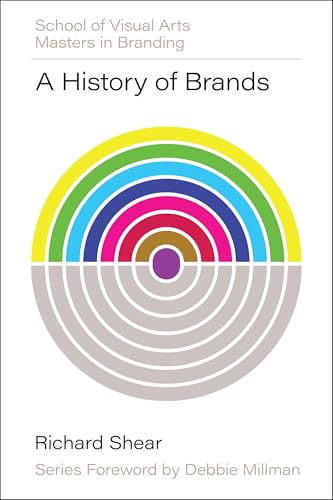
For anyone passionate about the evolution of marketing and consumer culture, Richard Shear’s *A History of Brands: Origins of Consumer Markets* (published by SVA in the Masters in Branding series) serves as an essential guide and delightful read! This book intricately explores branding’s journey from ancient symbols to today’s powerful trademarks, capturing iconic brands’ narratives and the cultural impacts they’ve had. You’ll find insights on technological advancements, which have reshaped branding strategies and consumer engagement. With thought-provoking visuals and solid analysis, this engaging 220-page volume makes you appreciate how brands reflect society’s values and influence global trends—definitely a page-turner worth your time!
Best For: Individuals interested in the history of branding, marketing professionals, and anyone looking to understand consumer culture.
Pros:
- In-depth Exploration: Offers a comprehensive view of the evolution of branding from ancient symbols to modern-day trademarks.
- Cultural Insights: Highlights how brands reflect and shape cultural values while influencing consumer behavior.
- Technological Relevance: Discusses the impact of technological advancements on branding strategies and consumer engagement.
Cons:
- Lengthy Read: At 220 pages, it may be considered long for those seeking a quick overview of branding concepts.
- Academic Tone: Some readers might find the analysis more suited for academic study than casual reading.
- Limited Case Studies: While it covers iconic brands, it may not delve deeply into the stories of lesser-known brands that also shaped market dynamics.
Identity Designed: The Definitive Guide to Visual Branding

Looking to dive deep into the world of visual branding? *Identity Designed: The Definitive Guide to Visual Branding*, published by Rockport Publishers, is an absolute must-have for design students, independent designers, and entrepreneurs enthusiastic to elevate their brand identity skills! Written by renowned designer David Airey, this thorough guide offers practical insights, case studies from top studios like Lantern and OCD, and innovative strategies to exceed client expectations. You’ll explore essential methodologies for research, strategy, and implementation while benefiting from quick-reference key points at the end of each case. Grab this 224-page gem and transform your understanding of branding!
Best For: Design students, independent designers, and entrepreneurs looking to enhance their skills in visual branding.
Pros:
- Comprehensive insights into branding methodologies and strategies.
- Includes case studies from renowned design studios for real-world applicability.
- Provides quick-reference key points for easy understanding of complex concepts.
Cons:
- Focus may be too specialized for those outside the design and branding field.
- Some readers may find the content dense due to the extensive information provided.
- Limited to visual branding, which might not cover broader marketing concepts.
The Brand Gap: How to Bridge the Distance Between Business Strategy and Design
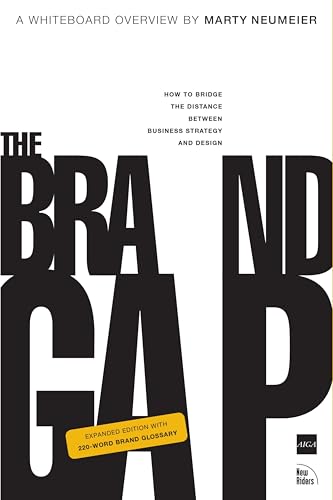
The Brand Gap is an essential read for entrepreneurs, marketers, and designers enthusiastic to unify their strategies with creativity in brand-building—trust me, you won’t want to miss it! Published by New Riders and packed into 240 insightful pages, this book presents a unified theory of branding that effortlessly intertwines strategic thinking with creative design. You’ll discover five essential disciplines that elevate brand effectiveness, like redefining what a brand truly is and the pivotal role collaboration plays. Plus, the focus on customer experience and practical strategies makes it an invaluable resource for anyone looking to innovate cost-effectively in today’s competitive market!
Best For: Entrepreneurs, marketers, and designers seeking to blend strategic thinking with creative design in brand-building.
Pros:
- Comprehensive theory: Merges business strategy with creative design for a holistic branding approach.
- Practical application: Offers cost-effective strategies for branding innovation without substantial financial risk.
- Enhanced collaboration: Highlights the importance of teamwork in developing effective brand strategies.
Cons:
- Lengthy read: At 240 pages, some may find it time-consuming to absorb all the insights.
- Concept density: The unified theory and five disciplines may be overwhelming for beginners unfamiliar with branding jargon.
- Limited case studies: Some readers may expect more real-world examples to illustrate the concepts.
Identity Designed: The Process: Research, Strategy, Design, Implementation

Crafting a standout visual identity is no small feat, and “Identity Designed: The Process: Research, Strategy, Design, Implementation” by David Airey makes this journey accessible for design students and professionals alike! At 288 pages, this book dives deep into four essential stages of identity design, offering practical insights alongside compelling case studies from renowned studios like Pentagram and Manual. Airey’s engaging style balances creativity with strategic thinking, teaching you to craft identities that resonate and elevate brand narratives. Whether you’re a marketer, student, or business owner, you’ll find this resource invaluable for shaping your brand’s visual presence!
Best For: “Identity Designed: The Process” is best for design students, professionals seeking to enhance their understanding of visual identity, and business owners aiming to elevate their brand’s presence.
Pros:
- Comprehensive coverage of the identity design process, including research, strategy, design, and implementation.
- Real-world case studies from esteemed design studios provide practical insights and inspiration.
- Balance of creativity and strategy encourages readers to create impactful and resonant brand identities.
Cons:
- May be too in-depth for readers seeking quick or simple design solutions.
- Focus on visual identity may limit its appeal to those interested in other aspects of marketing.
- Some case studies may require prior design knowledge to fully appreciate their intricacies.
Creating a Brand Identity: A Guide for Designers

If you’re enthusiastic to plunge into the world of branding, “Creating a Brand Identity” by Catharine Slade–Brooking is right up your alley! This all-encompassing guide, packed with exercises, colorful case studies, and engaging diagrams, appeals to students and professionals alike. You’ll dive deep into defining your audience, analyzing competitors, and creating mood boards, stepping through the entire process of branding—from naming and logo design to rebranding, and client presentations. With a glossary of brand terminology and recommendations for further reading, this book beautifully combines practical application with insightful theory, making it a must-have for any aspiring designer’s library!
Best For: Students and professionals in graphic design, branding, and marketing looking to enhance their understanding of brand identity creation.
Pros:
- Offers practical exercises and real-world case studies to reinforce learning.
- Includes a glossary and further reading suggestions for deeper insights into branding concepts.
- Covers a comprehensive range of branding activities, from audience analysis to logo design.
Cons:
- May be overwhelming for beginners due to the breadth of topics covered.
- Some exercises may require access to design software or tools that not all readers possess.
- The focus on case studies might not appeal to those seeking a more theoretical approach to branding.
Logo Design. Global Brands
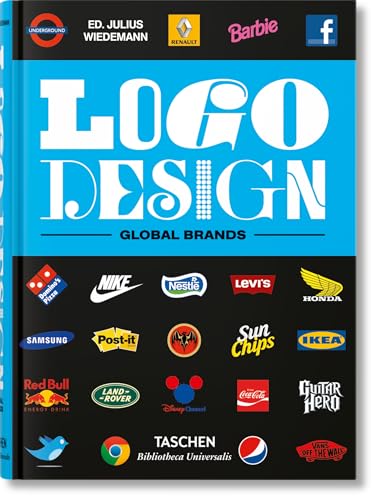
Looking to amplify your understanding of logo design and the corporate identities of global brands? Immerse yourself in the second volume of the Bibliotheca Universalis logo manual! This extensive catalog showcases around 4,500 logos, weaving together history, design insight, and brand stories from various sectors—airlines, sportswear, and more. You’ll explore how logos symbolize values like trust and quality in our globalized world (seriously, it’s a treasure trove!). With its pages teeming with background info on each logo’s designer and origins, it’s a must-have resource for designers and marketers alike—perfect for inspiring your creative journey. Don’t miss out!
Best For: Designers, marketers, and anyone interested in branding concepts and the corporate identities of global brands.
Pros:
- Comprehensive collection of approximately 4,500 brand logos from diverse sectors.
- In-depth background information on each logo’s designer, year of origin, and country.
- Valuable insights into how logos express trust, quality, and reliability in a global context.
Cons:
- May be overwhelming for casual readers with the extensive amount of information provided.
- Primarily focused on logos, which may not cover other aspects of branding comprehensively.
- Limited appeal to those outside the design and marketing fields seeking a broader understanding of corporate identity.
Designing Brands: A Collaborative Approach to Creating Brand Identities

For anyone enthusiastic to plunge into the vibrant world of brand design, “Multiply” stands out as an essential guide—especially if you’re a budding designer or a business owner wanting to craft a compelling brand identity. This book offers a thoughtful, collaborative approach to developing elegant and timeless brands, featuring chapters on Discovery, Typography, and more. Authored by Mario Depicolzuane and enriched by insights from industry experts, it reveals techniques to define visual elements across digital and physical platforms. At around 200 pages, it’s a valuable resource that’ll keep you inspired and engaged throughout your creative journey—seriously, you won’t want to put it down!
Best For: This book is best for budding designers and business owners looking to create a compelling brand identity through a collaborative and thoughtful approach.
Pros:
- Comprehensive Coverage: Covers essential topics like Discovery, Typography, and Brand Development for a well-rounded understanding of brand design.
- Expert Insights: Features contributions from leading designers and creative directors, providing valuable perspectives and techniques.
- Engaging Format: The step-by-step approach keeps readers inspired and makes complex concepts accessible.
Cons:
- Length: At around 200 pages, some readers may find it a bit lengthy for a quick reference.
- Targeted Audience: Primarily focuses on those new to brand design, which might not appeal to seasoned professionals.
- Potential for Overlap: Some concepts might feel repetitive for readers already familiar with branding fundamentals.
Principles of Logo Design: A Practical Guide to Creating Effective Signs, Symbols, and Icons

Whether you’re a seasoned designer looking to refine your craft or a curious beginner enthusiastic to plunge into the world of logo creation, *Principles of Logo Design: A Practical Guide to Creating Effective Signs, Symbols, and Icons* is your go-to resource! Written by George Bokhua, this award-winning book (2022 American Graphic Design Award winner) lays out essential design principles, like simplicity and the golden ratio, to craft unforgettable logos. With step-by-step guidance on sketching and executing designs in Adobe Illustrator, you’ll develop visually striking logos that resonate. Plus, it’s perfect for designers at any skill level—definitely a must-have for your creative library!
Best For: Designers of all skill levels looking to create effective and memorable logos using foundational design principles.
Pros:
- Award-winning resource: Recognized with the 2022 American Graphic Design Award for its outstanding book design.
- Step-by-step guidance: Offers clear instructions for sketching and executing logos using Adobe Illustrator.
- Timeless principles: Emphasizes fundamental design concepts such as simplicity and the golden ratio, important for creating lasting logos.
Cons:
- Focused scope: Primarily concentrates on logo design, which may not appeal to those seeking broader graphic design content.
- Requires software familiarity: Readers should be comfortable with Adobe Illustrator, which may pose a barrier for absolute beginners.
- Potential complexity in understanding classic design principles for those without prior design experience.
Archetypes in Branding: A Toolkit for Creatives and Strategists
If you’re a creative professional or strategist searching for a dynamic way to elevate your brand development, *Archetypes in Branding: A Toolkit for Creatives and Strategists* might just be your best choice! This accessible guide features an engaging framework and includes sixty original archetype cards to help you uncover brand motivations and connect with customers. It embraces team empowerment, encouraging creativity while promoting integrity throughout the innovation process. As you explore understanding diverse stakeholder relationships and emotional triggers, you’ll find yourself building deeper connections and enhancing brand loyalty. You’ve got this—let’s transform your branding journey together!
Best For: This toolkit is best for creative professionals and brand strategists looking to enhance their brand development process.
Pros:
- Provides a clear and accessible framework for creating authentic brand strategies.
- Includes sixty original archetype cards that help uncover brand motivations and emotional triggers.
- Empowers teams to foster creativity and maintain integrity throughout the innovation process.
Cons:
- May require time for users to fully understand and effectively implement the archetype concepts.
- The effectiveness of the toolkit can vary based on the team’s experience and familiarity with branding principles.
- Limited to branding context; may not be applicable to other fields outside of brand strategy.
Factors to Consider When Choosing Brand Design Books

When you’re picking brand design books, it’s essential to take into account factors like the target audience consistency, as well as the variety of content formats offered! You’ll also want to check the author’s reputation and expertise, ensuring they’ve got relevant experience in the field (trust me, it makes a difference!). Plus, books that include practical applications and compelling case studies can elevate your understanding, so keep an eye out for those features!
Target Audience Alignment
Understanding your target audience is key to selecting the right brand design books, as not all titles will resonate equally with different groups. For example, *Designing Brand Identity* (Wiley, 240 pages) is perfect for branding pros, while *Identity Designed* (Packt Publishing, 352 pages) targets aspiring designers and entrepreneurs. If you’re into hands-on learning, pick up *Creating a Brand Identity* (300 pages), filled with exercises and case studies—a fantastic resource for students! Knowing if your audience craves theoretical concepts or hands-on practices can really guide your choices. For a balanced read, *The Brand Gap* (200 pages) merges strategic insights with creativity! Finally, consider books like *Archetypes in Branding*, which present frameworks to help teams engage stakeholders effectively. Happy reading!
Content Format Variety
Selecting brand design books isn’t just about finding titles that fit your interests; it’s also about the format! You’ll want a mix of exercises, case studies, and visuals, which can cater to your learning style and make complex ideas easier to grasp. For instance, books like “Designing Brand Identity” by Alina Wheeler (approximately 480 pages) feature case studies that showcase real-world applications, while “Steal Like an Artist” by Austin Kleon uses engaging illustrations to inspire. Plus, checklists and glossaries can help streamline your branding journey! Look for titles that include practical tools, like “Branding In Five and a Half Steps” by Michael Johnson—it’s packed with insight and strategy to truly empower your creative ambitions!
Author Expertise Reputation
The credibility of an author plays an essential role in choosing the right brand design book! You’ll want to explore the author’s background and professional experience, as those with impressive portfolios or industry awards—like David Airey and Alina Wheeler—offer invaluable insights. They’ve collaborated with top design studios, presenting practical applications that make concepts stick. Plus, books from industry leaders often provide real-world case studies and examples, enriching your understanding of effective branding strategies. Don’t forget to check their teaching methodology; experienced educators simplify complex ideas into easily digestible formats, boosting your comprehension and retention. So, immerse yourself in these books and let the expertise of their authors elevate your creative journey! Happy reading!
Case Study Inclusion
When you immerse yourself in brand design books, you’ll quickly see that including case studies can dramatically enhance your learning experience! Books packed with real-world examples, like “Designing Brand Identity” by Alina Wheeler, showcase successful branding strategies and reveal the nitty-gritty of goals, processes, and outcomes. You’ll appreciate how different methodologies work, along with their effectiveness across various contexts. Plus, multiple case studies allow you to spot trends in brand identity development over time! Visual documentation—think logos and branding materials—adds another layer of inspiration (who doesn’t love a great visual?). You’ll learn from both triumphs and challenges faced by brands, elevating your ability to make informed decisions in your own branding journey!
Practical Application Focus
Diving into the world of brand design books can be an exhilarating adventure, especially when you know what to look for! Focus on books packed with checklists, tools, and frameworks, as these will help you implement brand systems in real scenarios. Look for resources that boast case studies showcasing successful brand strategies; they’ll give you practical insights into applying theories. Don’t forget to pick texts with interactive exercises to reinforce your learning (and let’s face it, a little hands-on experience can go a long way!). Emphasizing collaboration is essential too, so choose books that include methodologies for teamwork, since real-world branding often involves various stakeholders. Finally, stay updated with contemporary best practices that reflect current market trends!
Frequently Asked Questions
What Is the Best Way to Choose the Right Design Book for Me?
To pick the right design book, start by defining your goals! Are you focusing on branding, typography, or user experience? Check out “Designing Brand Identity” by Alina Wheeler (272 pages, Wiley) for an in-depth exploration into branding essentials. If you’re after inspiration, consider “Steal Like an Artist” by Austin Kleon (160 pages, Perigree), which mixes creativity with practical advice. Flip through them first—physical features can really impact your experience, trust me!
Are There Ebooks or Audiobooks Available for These Design Titles?
Absolutely, you’ll find a treasure trove of ebooks and audiobooks for those design titles! For instance, titles like “Designing Brand Identity” by Alina Wheeler (around 400 pages) are often available on platforms like Kindle or Audible, allowing you to immerse yourself on the go. Plus, many publishers, like Wiley, offer digital versions that make it easy to read or listen anytime. It’s like having your own personal mentor ready to inspire you! Ready to plunge into?
How Can I Apply Concepts From These Books to My Own Projects?
You can apply concepts from these books by grabbing a sketchpad or digital design tool and experimenting with their techniques! For instance, “Designing Brand Identity” (Wiley, 368 pages) breaks down brand elements that you can directly implement in your projects. Use color psychology from “The Colors of Branding” (Thames & Hudson, 200 pages) to enhance your designs! Immerse yourself in those exercises, and don’t be afraid to test your ideas; that’s where real creativity happens!
What Are Some Online Resources That Complement These Brand Design Books?
You’ll love diving into online platforms like Behance or Dribbble! These sites are like bustling creative bazaars where you can explore vibrant portfolios. Check out Skillshare for video tutorials (many around 20 minutes!) that break down design concepts in easy-to-digest chunks. Also, explore Pinterest for endless visual inspiration—think of it as your creative mood board! And don’t miss Adobe’s resources; they’ve got everything from presets to design challenges! Happy designing!
Do These Books Cover Digital Branding and Social Media Strategies?
Yes, these books often cover digital branding and social media strategies! For instance, “Building a StoryBrand” by Donald Miller (240 pages) dives into creating impactful online narratives. Another great pick, “Branding in Five and a Half Steps” by Michael Johnson (224 pages), features practical insights that apply perfectly to modern platforms. You’ll get a mix of theory and action steps to elevate your brand in the digital landscape (plus, who doesn’t love actionable tips?)!


