As an Amazon Associate, we earn from qualifying purchases. Some links on this site are affiliate links at no extra cost to you. Our recommendations are based on thorough research and editorial judgment.


The 5 Best Chip Carving Books for Beginners and Experts Alike

If you’re looking to jump into chip carving, I highly recommend five standout books! Start with *Chip Carver’s Workbook* (128 pages of beginner-friendly projects), or check out *New & Traditional Styles of Chip Carving* for a blend of classic charm and modern flair. Don’t miss *Functional Chip Carving Designs for the Home*, featuring 36 practical projects. *The Complete Guide to Chip Carving* offers in-depth techniques, while *Chip Carving: Techniques for Carving Beautiful Patterns by Hand* sharpens your skills. Keep exploring to uncover even more fantastic options!
Key Takeaways
- Chip Carver’s Workbook provides easy-to-follow projects ideal for beginners, ensuring a gentle introduction to chip carving techniques.
- New & Traditional Styles of Chip Carving inspires both novices and experienced carvers with diverse projects and detailed examples.
- Functional Chip Carving Designs for the Home focuses on practical projects that cater to varying skill levels, enhancing functional artistry.
- The Complete Guide to Chip Carving serves as a comprehensive resource with essential design techniques and practical tips for learners.
- Chip Carving: Techniques for Carving Beautiful Patterns by Hand blends practical advice with creative challenges, engaging both beginners and seasoned craftsmen.
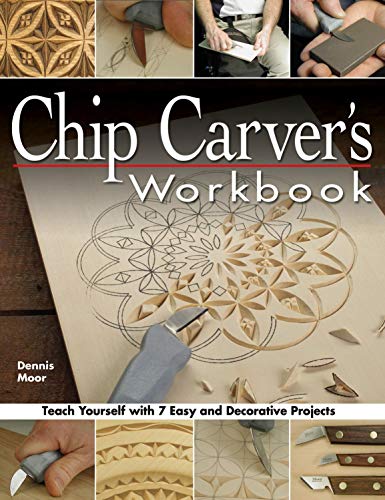
Chip Carver’s Workbook: Teach Yourself with 7 Easy & Decorative Projects

You may be interested


If you’re a beginner enthusiastic to plunge into the charming world of chip carving, then “Chip Carver’s Workbook: Teach Yourself with 7 Easy & Decorative Projects” by Dennis Moor is the perfect fit for you! This engaging workbook (published by Fox Chapel Publishing) spans 128 pages, brimming with insightful guidance on wood selection, tool use, and essential techniques. Moor’s easy-to-follow instructions lead you through seven delightful projects, like a napkin holder and a cheese and cracker tray, allowing you to create stunning, decorative pieces for your home. Plus, with its clear photos illustrating every step, you’ll feel confident as you carve!
Best For: Beginners who are eager to explore the art of chip carving and create decorative wooden projects.
Pros:
- Easy to Follow: The workbook provides clear instructions and step-by-step guidance, making it accessible for novices.
- Visual Aids: Includes helpful how-to photos that demonstrate various techniques, improving understanding and execution.
- Variety of Projects: Features a diverse range of seven projects that cater to different interests and skill levels, ensuring a well-rounded learning experience.
Cons:
- Limited Advanced Techniques: The book focuses primarily on beginner projects, which may not satisfy more experienced carvers looking for advanced techniques.
- Material Costs: Potential additional costs for wood and tools may deter some beginners from getting started.
- Time-Consuming: Some projects may require significant time investment, which might not suit individuals seeking quick, simple crafts.
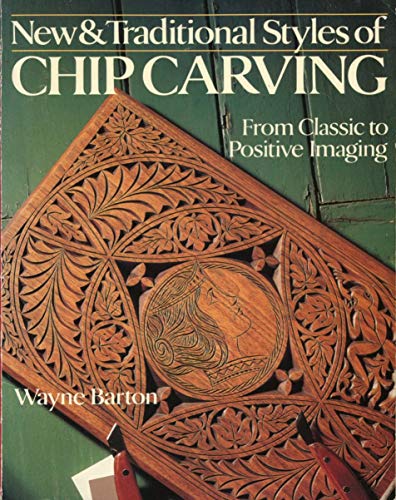
New & Traditional Styles of Chip Carving: From Classic to Positive Imaging
New & Traditional Styles of Chip Carving: From Classic to Positive Imaging
- Used Book in Good Condition
Chip carving enthusiasts, whether you’re a seasoned artisan or just diving into this enchanting craft, will find “Chip Carving Books” an invaluable resource filled with inspiration and practical guidance. You’ll discover an exciting array of new and traditional styles, showcasing projects that blend classic designs with contemporary vibes. One standout is the Rosewood clock, which incorporates both chip carving and positive imagery, creating a stunning focal point for any room! As you explore positive imaging techniques, you’ll appreciate the whimsical free-form incised owl alongside elegant doves. Each project will spark your creativity and elevate your craftsmanship—what are you waiting for?
Best For: Chip carving enthusiasts of all skill levels looking for inspiration and practical guidance in both traditional and contemporary styles.
Pros:
- Diverse Project Variety: Offers a wide range of projects incorporating both classic and modern chip carving techniques.
- Positive Imaging Exploration: Features unique positive imaging techniques that inspire creativity and artistic expression.
- Detailed Examples: Highlights projects like the Rosewood clock that effectively combine chip carving with imaginative designs.
Cons:
- Skill Level Variability: Some projects may be challenging for beginners without prior experience in chip carving.
- Resource Costs: Materials needed for specific projects, such as high-quality wood, may be expensive.
- Time Commitment: Some intricate designs require significant time investment to complete effectively.
Functional Chip Carving Designs for the Home: 36 Simple Projects from Bowls to Barrettes
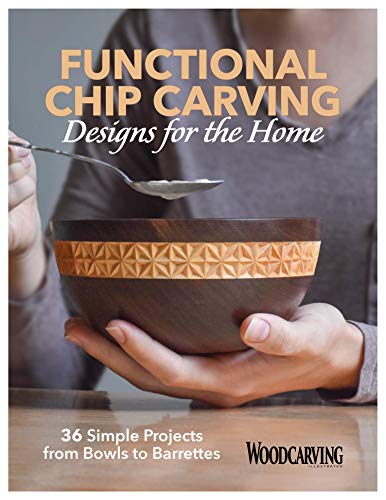
Looking for a hands-on creative outlet that turns ordinary materials into functional art for your home? *Functional Chip Carving Designs for the Home* is the perfect choice for both beginners and those with a bit more experience, featuring 36 projects that range from charming bowls to elegant barrettes, all compiled by the folks at *Woodcarving Illustrated*. With 52 packed pages, you’ll find step-by-step instructions paired with stunning photography, ensuring you’ve got everything you need to create beautiful items like coasters or Christmas decorations. Plus, expert tips from 14 leading carvers offer invaluable insights to refine your skills. Get started today!
Best For: Individuals seeking a hands-on creative outlet to turn ordinary materials into functional art for their home, whether they are beginners or have some experience in chip carving.
Pros:
- Detailed step-by-step instructions make it accessible for beginners and experienced carvers alike.
- Includes a diverse array of projects, ensuring there is something for everyone, from bowls to Christmas decorations.
- Expert tips from leading carvers help refine skills and improve techniques.
Cons:
- Limited to chip carving, which may not appeal to those interested in other forms of woodworking or crafts.
- Some projects may require specific tools that beginners may not readily have on hand.
- The skill level range may be daunting for complete novices despite beginner-friendly tips.
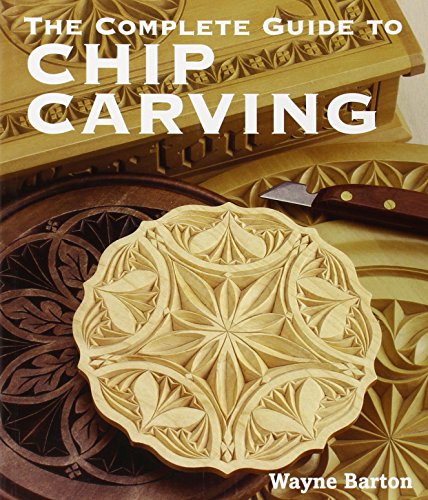
The Complete Guide to Chip Carving
The Complete Guide to Chip Carving
- Used Book in Good Condition
For aspiring artisans enthusiastic to plunge into the world of chip carving, “The Complete Guide to Chip Carving” by Wayne Barton is an absolute gem! This 224-page book, published by Fox Chapel Publishing, is a thorough resource that caters perfectly to beginners. Barton, a master in the craft, dives into essential tools and rings the bell on the best types of wood for your projects. You’ll love the in-depth chapters on design techniques—including everything from grids to lettering! Plus, with practical tips sprinkled throughout, you’ll find yourself carving like a pro in no time. Grab your knives and start creating!
Best For: Beginners looking to learn the art of chip carving and elevate their crafting skills.
Pros:
- Comprehensive resource with detailed insights and techniques tailored for novices.
- In-depth chapters on various design techniques, including patterns and lettering.
- Practical tips and hints to effectively enhance the learning experience.
Cons:
- May not provide advanced techniques for experienced carvers seeking more complex projects.
- Limited to chip carving, which may not interest those looking for a broader range of woodworking skills.
- Some readers may find the emphasis on design patterns less appealing if they prefer free-form creativity.
Chip Carving: Techniques for Carving Beautiful Patterns by Hand
Sale

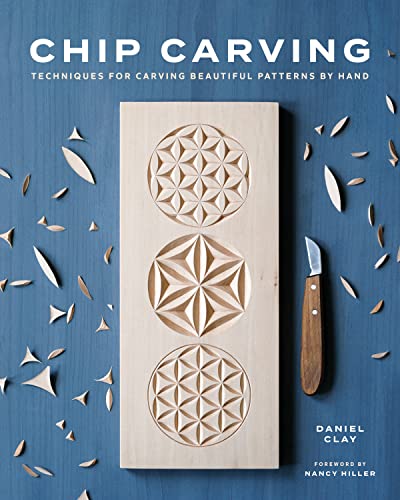
Chip Carving: Techniques for Carving Beautiful Patterns by Hand
- Step-by-step guidance to help you achieve any type of surface carving you can imagine
- How to create crisp, clean designs by following a logical process
- Illustrations for completing a carving with the perfect paint or finish
Ready to immerse yourself in a timeless craft, ideal for both creative novices and seasoned artisans? “Chip Carving: Techniques for Carving Beautiful Patterns by Hand” is a must-have guide! Filled with practical tips on tool selection, sharpening, and wood preparation, it equips you perfectly for your chip carving journey. With its step-by-step practice boards, you’ll build essential skills and confidence. Plus, the ten beginner projects spark your creativity while solidifying your understanding of this art form. Dive deeper, exploring freehand techniques that let you personalize your designs, all while embracing the charm of traditional European folk carvings. Happy carving!
Best For: Chip Carving: Techniques for Carving Beautiful Patterns by Hand is best for both beginners looking to learn woodworking and experienced carvers wanting to refine their skills.
Pros:
- Offers detailed guidance on essential tools and techniques for chip carving.
- Includes step-by-step practice boards to help develop carving skills.
- Features ten creative beginner projects that reinforce learning while allowing for personal expression.
Cons:
- May not provide advanced techniques in-depth enough for highly experienced carvers.
- Limited focus on materials beyond basic wood types may restrict creativity.
- Some users might find the freehand carving techniques challenging without prior experience.
Factors to Consider When Choosing Chip Carving Books

When you’re picking out chip carving books, it’s important to think about a few key factors to guarantee you get the most out of your crafting journey! Consider your skill level, the variety of projects offered, and the author’s expertise; these elements can really shape your learning experience. Also, pay attention to how clearly instructions are presented and whether visual aids are included, as they can make a world of difference in understanding techniques!
Skill Level Considerations
How can you choose the right chip carving book that matches your skill level? Start by evaluating your abilities; beginner books, like “Chip Carving for Beginners” by David H. Drennan (120 pages, 2018), focus on fundamental techniques and simple projects. You’ll appreciate step-by-step instructions that guide you through learning! Advanced titles, such as “Mastering Chip Carving” by Tom McLaughlin (220 pages, 2020), delve into intricate designs and complex methods, making them perfect for seasoned carvers looking to challenge themselves. It’s essential to understand the terminology introduced in beginner texts before tackling more advanced projects, as they may presume prior knowledge. So, choose wisely—your improvement depends on it, and fun awaits as you sharpen those skills!
Project Variety Offered
A wealth of project variety awaits in chip carving books, making the selection process both exciting and essential for your growth! Look for books that offer a range of projects, from practical items like bowls and coasters to purely decorative pieces (because who doesn’t love a good ornament?). Some titles, like “The Art of Chip Carving” by Charles N. Laird, boast dozens of projects appealing to various skill levels. You’ll want books that mix techniques and styles, so you’re never stuck in a rut. Step-by-step instructions paired with clear photographs really help get you through any tricky spots! So, plunge into and choose a book that inspires you—your next masterpiece awaits!
Author’s Expertise and Background
Choosing a chip carving book is a thrilling adventure, and the author’s expertise can be the compass guiding your journey! When selecting a book, check the author’s background—those with years of experience and recognition often present more reliable instruction. Look for authors who’ve published multiple works or taught chip carving; this usually means they’re well-acquainted with essential tools, techniques, and safety measures. Authors connected with respected woodcarving organizations, like the Carving Magazine, often share insights shaped by community feedback and trends. Finally, explore previous works—accolades and popularity among readers can signal an author’s effectiveness at breaking down complex techniques into digestible nuggets. A solid author can truly elevate your chip carving experience! Happy carving!
Instructional Clarity and Detail
When it comes to finding the right chip carving book, you’ll want to prioritize instructional clarity and detail—these elements can make or break your learning experience! Look for books that feature clear, concise instructions that guide you through techniques as smoothly as a well-sharpened knife. Detailed illustrations, like how-to photos and full-size patterns, help you visualize and replicate steps accurately. Books such as “Chip Carving: The New Basics” from Fox Chapel Publishing, with its 128 pages of projects and coordinating photography, are perfect for beginners. Thorough guides shouldn’t just plunge into carving; they should also cover essential tools and sharpening techniques—foundational skills that pave the way for your success! Plus, expert tips can fast-track your development!
Availability of Visual Aids
While delving into the world of chip carving, you’ll quickly find that the availability of visual aids plays an essential role in mastering this intricate art! Books featuring how-to photos and detailed illustrations, like “Chip Carving for Beginners” by Wayne Barton, typically run about 144 pages and include step-by-step visual guides that boost your chances of success. Illustrated examples of stunning border patterns and rosettes help simplify complex techniques, making them less intimidating! Plus, clear visuals serve as handy reference points during your carving projects, reinforcing what you’ve learned. Look for a variety of visual aids, from crisp photographs to specific patterns, to cater to your learning style—trust me, it’ll make the entire process so much more enjoyable!
Tools and Materials Guidance
Books on chip carving not only enrich your skills with visual aids but also provide invaluable guidance on the tools and materials you’ll need to excel! When choosing a book, look for those covering essential tools, like chip carving knives, along with tips on selecting, holding, and sharpening them. You’ll also want resources that recommend the best wood types since certain grains work better for chip carving. Plus, safety measures and preparation practices are vital, so confirm your book covers those, too. A solid guide should detail wood preparation methods, including grain direction and cut considerations. Expert tips from seasoned carvers are a bonus, enhancing your entire chip carving experience! (After all, we all enjoy learning from the pros!)
Types of Projects Included
Imagine flipping through a chip carving book, enthusiastically exploring the array of projects it presents, from charming napkin holders to intricate decorative clocks. You’ll want a book packed with a mix of beginner and intermediate designs to match your skill level and help you grow. Seek out titles like “Chip Carving Made Easy” by David A. Kearney, offering about 120 pages that balance practicality with creativity. Some projects, like practical bowls and boxes, help you create useful items, while others immerse into purely decorative art pieces. Look for clear step-by-step instructions and helpful visuals—it’s essential! Plus, explore various styles, whether traditional patterns or contemporary works, to really ignite your creativity and keep your carving experience fresh and exciting!
Practical Tips and Techniques
Once you’ve explored various chip carving projects, it’s time to gear up with some practical tips to select the right books for your carving journey! Look for authors with solid expertise and a teaching style that clicks with you—think of it as finding your carving soulmate! Check out books like *Chip Carving for Beginners* by Wayne Barton, which features clear, step-by-step guidance on essential techniques like wood selection and tool sharpening. A variety of projects is vital for keeping you engaged—aim for books that cater to different skill levels. Visual aids like how-to photos and full-size patterns can make a world of difference, and don’t forget to seek those expert tips that tackle common hiccups. Happy carving!
Frequently Asked Questions
Can I Use Any Type of Wood for Chip Carving?
You can’t make a silk purse from a sow’s ear, but you can chip carve with several types of wood! Basswood is a favorite due to its softness and fine grain, making carving easier. Cedar also works well, bringing a lovely aroma! Pine’s readily available, too. Just avoid hardwoods like oak because they’re tough on blades (no one wants a dull chisel). Happy carving, and enjoy creating beautiful pieces from your selected wood!
What Tools Are Essential for a Beginner Chip Carver?
You’ll want a few essential tools to kick off your chip carving journey! A sharp chip carving knife, like those from Flexcut (which are renowned for their precision), is a must-have. Don’t forget a sturdy carving glove to protect your hands—safety first! A cutting board helps stabilize your wood, while a palette of fine detail chisels gives you more creative options. With just these tools, you’re ready to start crafting beautiful designs!
How Long Does It Take to Master Chip Carving?
Mastering chip carving can take anywhere from a few months to several years, depending on your dedication and practice. If you’re persistent and passionate, you’ll likely see progress sooner. Daily drills enhance your skills, while experimenting with designs boosts creativity (and is pretty fun!). Don’t be discouraged by initial struggles; even seasoned artists stumble! Just plunge in, enjoy the journey, and let each chip bring you closer to mastery! Keep carving those creations!
Can I Incorporate Chip Carving Into Other Woodworking Projects?
Absolutely, you can incorporate chip carving into other woodworking projects! It adds a beautiful texture and unique character to items like furniture, picture frames, or even decorative boxes. Just grab a chip carving knife, and don’t be afraid to experiment with shapes and patterns! You’ll transform simple pieces into stunning works of art. If you’re feeling adventurous, check out “Chip Carving Made Easy” by John Bullar for guidance and inspiration!
Are There Online Resources to Complement Chip Carving Books?
There are fantastic online resources that can really enhance your chip carving journey. Try websites like YouTube for visual demonstrations—one helpful channel is “Chip Carving Master,” featuring detailed videos and tips. You can also explore forums like Woodworking Talk, where enthusiasts share advice and project photos. Plus, online tutorials often have community discussions filled with insights. These platforms are great complements to traditional books and can inspire your creativity!


