As an Amazon Associate, we earn from qualifying purchases. Some links on this site are affiliate links at no extra cost to you. Our recommendations are based on thorough research and editorial judgment.

5 Best Cooking Technique Books to Elevate Your Culinary Skills

If you’re ready to elevate your culinary skills, check out “Jacques Pépin New Complete Techniques” for over 1,000 stunning photos and 600 methods. “How to Cook Without a Book” encourages creativity with easy-to-follow recipes. For wok lovers, “The Wok: Recipes and Techniques” by J. Kenji López-Alt offers 200 recipes and vibrant visuals! Don’t miss “100 Techniques: Master a Lifetime of Cooking Skills” for innovative methods. Finally, “How to Cook Everything: The Basics” is perfect for beginners. Keep exploring to discover even more tools to sharpen your kitchen prowess!
Key Takeaways
- Jacques Pépin’s New Complete Techniques is ideal for beginners and pros, featuring over 600 methods and 160 recipes with stunning visuals.
- How to Cook Without a Book encourages creativity and intuitive cooking through master recipes and handy charts, suitable for all skill levels.
- The Wok: Recipes and Techniques provides over 200 recipes and a science-based approach, focusing on versatile Asian cooking methods.
- 100 Techniques: Master a Lifetime of Cooking Skills covers essential and advanced skills, offering practical recipes with step-by-step guidance.
- How to Cook Everything: The Basics features 1,000 photos and 185 recipes, making it accessible for novice cooks to build confidence and learn essential skills.
Jacques Pépin New Complete Techniques

You may be interested


10 Best Acrylic Book Stands That Elevate Your Reading Experience
September 17, 2024

10 Best Acrylic Painting Books to Elevate Your Artistic Skills
September 17, 2024
If you’re looking to elevate your culinary skills, Jacques Pépin’s New Complete Techniques is the gold standard for both budding chefs and seasoned pros! This remarkable book, revised from Pépin’s original Complete Techniques, features over 1,000 stunning color photographs and adds an invigorating 30% of new techniques. With more than 600 methods and 160 recipes, you’ll find everything from knife sharpening to decorative vegetable artistry. Pépin’s approachable, step-by-step instructions make certain you’ll confidently tackle even the trickiest tasks (and avoid disastrous kitchen experiments). Perfect for anyone enthusiastic to refine their craft, this book is an absolute must-have for your culinary library!
Best For: This book is ideal for both beginners looking to learn foundational cooking skills and experienced chefs seeking to refine their techniques.
Pros:
- Comprehensive coverage of over 600 cooking techniques and 160 recipes, ensuring a wealth of knowledge for all skill levels.
- Step-by-step instructions paired with over 1,000 color photographs provide clear, visual guidance for mastering intricate cooking methods.
- The inclusion of 30% new techniques keeps the content fresh and relevant for contemporary cooking practices.
Cons:
- The extensive range of techniques may be overwhelming for absolute beginners who seek a more simplified introduction to cooking.
- Some recipes may require specialized ingredients or equipment that aren’t readily available to all home cooks.
- As a revised edition, readers of the original may find less new content than expected, particularly if they’re familiar with Pépin’s previous work.
Recommended Products


Hardcover/ 231 pages/ 90+ full-color photographs

How to Cook Without a Book: Recipes and Techniques
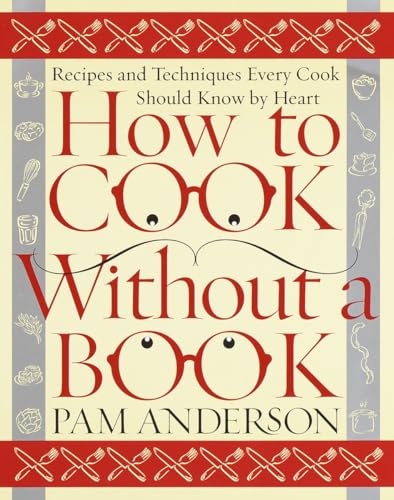
For anyone enthusiastic to break free from the confines of traditional recipes while still crafting delicious meals, “How to Cook Without a Book: Recipes and Techniques” by Pam Anderson is an absolute gem! This insightful guide, published by Hachette Books, spans 272 pages and emphasizes intuitive cooking, teaching you core techniques that enhance creativity without relying on rigid recipes. You’ll learn versatile techniques applicable to different meats, and adapt simple ingredients into delightful dishes! Anderson’s easy-to-follow master recipes and handy charts make every cooking goal accessible, enabling you to whip up quick appetizers or impressive weeknight meals without breaking a sweat.
Best For: Anyone looking to enhance their cooking skills and creativity without relying on traditional recipes.
Pros:
- Encourages intuitive cooking, allowing flexibility and creativity in meal preparation.
- Focuses on mastering core techniques, which can be applied to a variety of dishes and ingredients.
- Includes easy-to-follow master recipes and charts, making it accessible for cooks of all skill levels.
Cons:
- May be challenging for those who prefer structured recipes, as the focus is on techniques rather than detailed instructions.
- Requires a willingness to experiment, which might be intimidating for beginner cooks.
- Limited specific recipes, which could leave some users craving more detailed guidance for certain dishes.
Recommended Products


The Wok: Recipes and Techniques
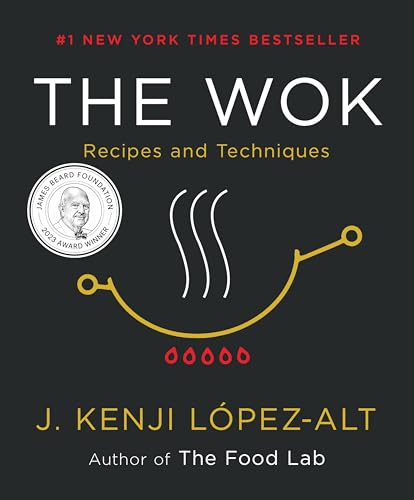

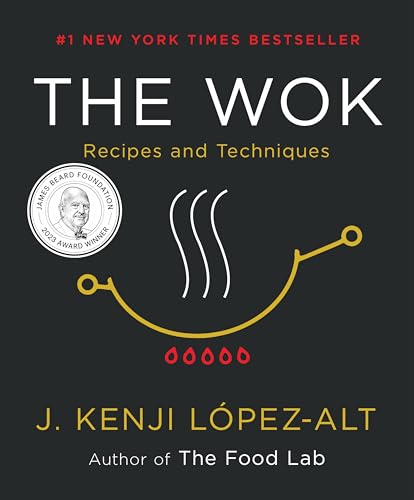
Discovering “The Wok: Recipes and Techniques” is like unearthing a hidden gem for anyone enthusiastic to elevate their cooking game! Authored by J. Kenji López-Alt, a culinary wizard known for his science-based approach, this #1 New York Times bestseller packs over 200 tantalizing recipes that make your taste buds dance. From Kung Pao Chicken to tempura vegetables, each dish showcases the wok’s incredible versatility! With more than 1,000 vibrant photographs, you’ll feel inspired every time you flip through it. Plus, you’ll master essential techniques like achieving that glorious smoky wok hei, ensuring every meal’s a hit!
Best For: Home cooks and culinary enthusiasts looking to master wok cooking and explore diverse Asian-inspired dishes.
Pros:
- Comprehensive Resource: Over 200 recipes and in-depth techniques make it suitable for cooks at all skill levels.
- Visual Inspiration: More than 1,000 color photographs provide a vivid guide to the dishes and cooking methods.
- Versatile Cooking: Emphasizes the wok’s flexibility, covering various cooking techniques from stir-frying to deep frying.
Cons:
- Specific Equipment: Requires a wok, which may not be a staple kitchen item for everyone.
- Focus on Asian Cuisine: Primarily centered on Asian recipes, which might not appeal to those desiring a broader culinary range.
- Potential Overwhelming Choices: The extensive number of recipes might be daunting for beginners unsure of where to start.
Recommended Products


A Cookbook of Your Own Legacy: Document your kitchen masterpieces in ZICOTO's recipe book to write in your own recipes and preserve family recipes for generations. With smart sections for ingredients, directions, and more, it’s easy to record and treasure beloved recipes
100 Techniques: Master a Lifetime of Cooking Skills

Looking to elevate your culinary game? “100 Techniques: Master a Lifetime of Cooking Skills” from America’s Test Kitchen is your go-to resource! This 400-page treasure trove features 100 transformative techniques paired with over 200 modern recipes, making it a practical guide for every home cook. You’ll master essential skills like proper seasoning and innovative methods like skillet pizza for a crispy crust. Plus, tackle ambitious projects from barbecuing Texas beef ribs to curing your own bacon! The clear instructions and thoughtful recipes turn theory into practice, helping you build confidence in the kitchen, one delicious dish at a time!
Best For: Home cooks looking to enhance their cooking skills with a comprehensive guide to techniques and recipes.
Pros:
- Wide Range of Techniques: Covers essential, innovative, and advanced culinary skills, catering to all levels of cooking expertise.
- Practical Recipes: Over 200 modern recipes allow readers to apply techniques in real-world cooking scenarios, promoting practical learning.
- Clear Instructions: Step-by-step guidance ensures users can easily follow along and build confidence in the kitchen.
Cons:
- Size: At 400 pages, the book may be overwhelming for beginners who prefer more concise guides.
- Not All Techniques Are Universal: Some unique techniques may require specific tools or equipment that not all home cooks have.
- Ingredient Availability: Certain recipes may call for ingredients that are less accessible, potentially limiting the ability to fully utilize all techniques.
Recommended Products


How to Cook Everything: The Basics Cookbook
Sale


How to Cook Everything: The Basics: All You Need to Make Great Food – With 1,000 Photos: A...
- This is the essential teaching cookbook, with 1,000 photos illustrating every technique and recipe; the result is a comprehensive reference that’s both visually...
- Special Basics features scattered throughout simplify broad subjects with sections like “Think of Vegetables in Groups,” “How to Cook Any Grain,” and “5 Rules...
- 600 demonstration photos each build on a step from the recipe to teach a core lesson, like “Cracking an Egg,” “Using Pasta Water,” “Recognizing Doneness,” and...
Imagine stepping into your kitchen, feeling a bit unsure but enthusiastic to learn—this is where “How to Cook Everything: The Basics” by Mark Bittman shines! With 1,000 instructive photographs, including 600 that outline essential skills like “Cracking an Egg,” you’ll soon feel like a pro. This extensive cookbook features 185 easy-to-follow recipes across various categories, from salads to desserts, making it accessible for all levels. Bittman’s practical tips and teaching approach help you build confidence while encouraging creativity in your cooking. It’s almost like having a culinary mentor right by your side, cheering you on as you cook deliciously!
Best For: Novice cooks looking to build their skills and confidence in the kitchen.
Pros:
- Clear and straightforward recipes suitable for various skill levels.
- 1,000 instructive photographs that enhance understanding of cooking techniques.
- Practical tips and variations encouraging creativity and skill development.
Cons:
- May not offer advanced techniques for experienced cooks.
- Some recipes may be too basic for those with prior cooking knowledge.
- Limited coverage on specialized cuisines or complex dishes.
Factors to Consider When Choosing Cooking Technique Books

When you’re picking out cooking technique books, think about who the audience is—are they beginners or seasoned pros? Look for titles that offer plenty of visuals and practical applications, like the “Essential Techniques” series from America’s Test Kitchen, which is packed with helpful step-by-step photos! Plus, consider whether the focus is on mastering techniques or just a collection of recipes—variety really makes a difference in honing your skills!
Recommended Products


![Taste & Technique: Recipes to Elevate Your Home Cooking [A Cookbook]](https://m.media-amazon.com/images/I/51hZZISBhCL._SL500_.jpg)
Target Audience Inclusivity
What makes a cooking technique book truly inclusive? It should embrace a wide array of skill levels, allowing both novices and seasoned chefs to discover valuable insights. Beginners benefit from step-by-step instructions and essential visual aids, like those found in “The Joy of Cooking” (Scribner, 2019); advanced cooks will thrive on innovative techniques designed to push their culinary boundaries, as seen in “The Food Lab” (W. W. Norton & Company, 2015). Inclusivity doesn’t stop with skill level; it’s vital to offer diverse recipes that accommodate various ingredients and culinary traditions! In addition, encouraging intuitive methods in these books fosters creativity and confidence, so you’ll feel empowered to experiment and adapt without fear of culinary catastrophe! (Trust me; I’ve had my share!)
Visual Learning Support
How exactly can visual learning support elevate your culinary journey? Well, it’s a game changer! Books like “How to Cook Everything: The Basics” dazzle with over 1,000 photographs, illustrating every essential step in preparation, which means you don’t have to guess what’s next! Detailed visuals break down complex techniques—think knife skills and cooking methods—making them digestible (pun intended!). This approach caters to various learning styles, so if you’re a visual learner, those images will stick with you. Plus, a well-structured book with step-by-step images boosts your confidence, urging you to tackle those culinary challenges at home. Immerse yourself in these books, and let those stunning visuals guide you as you whip up delicious masterpieces!
Techniques Versus Recipes
Ever wondered whether you should focus on mastering cooking techniques or simply follow recipes to improve your culinary skills? When you explore technique-based books, like “The Science of Good Cooking” by Cook’s Illustrated, you’ll find that mastering fundamental skills opens up a world of versatility! Rather than sticking strictly to instructions, you can adapt recipes based on what’s in your pantry (hello, leftover veggies!). These books often include helpful visual aids, making complex methods easier to grasp. Plus, when you understand key cooking methods, like searing, you can apply them across various proteins, creating unique dishes! Embrace your creativity in the kitchen and let your culinary adventures unfold—who knows what delicious creations await you?
Recipe Variety Offered
When you’re hunting for a cooking technique book, consider the variety of recipes it offers—after all, a well-rounded selection can really spice up your culinary journey! Look for books like *The Cook’s Illustrated Cookbook* (2018), which boasts over 2,000 recipes across countless cuisines, ensuring you can whip up everything from home-style comfort food to impressive restaurant-quality dishes. If you prefer focusing on a specific vessel, check out *The Wok: Recipes and Techniques* by Naomi Duguid, which hones in on versatility and creativity. Aim for volumes that offer innovative techniques alongside traditional ones, as they’ll help you adapt your favorites into exciting new creations. A rich selection truly enriches your cooking experience!
Practical Application Focus
A rich recipe variety can truly ignite your culinary adventures, but pairing those recipes with practical applications makes all the difference when picking cooking technique books. Look for extensive guides like “Salt, Fat, Acid, Heat” by Samin Nosrat, which boasts step-by-step photos and thorough explanations that make complex techniques feel accessible. Books focusing on versatile methods, such as “The Professional Chef” by The Culinary Institute of America, help you adapt skills to numerous dishes, boosting creativity. Prioritize resources providing real-world applications and practical tips—like “The Joy of Cooking” with its valuable insights—ensuring you can immediately apply what you learn. Combining knowledge with hands-on experience makes you not just a cook, but a confident culinary artist!
Author Expertise
Author expertise is a fundamental factor to evaluate when you’re choosing cooking technique books. You’ll want to check the author’s background—acclaimed chefs, like those with James Beard awards, often guarantee a high-quality experience! Authors who have trained in prestigious kitchens bring you tested, reliable techniques, which is just what you need for impressive meals. Also, consider their teaching philosophy; some may encourage intuitive cooking, giving you freedom, while others might emphasize precision (for the perfectionists among us!). If you love scientific insights, books by analytical chefs can deepen your understanding! Ultimately, knowing your author’s credentials can greatly impact your cooking journey, ensuring you’re guided by the very best! Happy cooking, folks!
Clarity of Instructions
Clarity of instructions can make or break your experience in the kitchen, so picking up a cooking technique book with well-explained guidance is essential! Look for books that offer step-by-step directions, like *The Fundamentals of Cooking* by *Johnson & Wales University* (320 pages) which features excellent photographs that cater to visual learners. Clear, concise language is crucial; it helps demystify techniques, making them approachable, especially for new cooks! Books that include handy tips and notes provide context and encourage skill growth, while at-a-glance charts serve as quick references to cement your understanding. Choose wisely, and you’ll elevate your culinary skills, turning your cooking adventures into delightful successes! (Trust me, you’ll thank yourself later!)
Ingredient Flexibility
When it comes to selecting cooking technique books, ingredient flexibility is an essential factor that can transform your kitchen experience into an exciting culinary adventure! Look for books that emphasize technique over strict recipes, like *The Flavor Bible* by Karen Page and Andrew Dornenburg (400 pages, Ten Speed Press) or *Salt, Fat, Acid, Heat* by Samin Nosrat (480 pages, Simon & Schuster). These gems encourage you to adapt based on seasonal ingredients, helping you turn pantry staples into mouthwatering dishes. Mastering core techniques lets you confidently swap out proteins, making the cooking process more accessible while reducing food waste. Choose intuitive cooking guides that foster experimentation—trust me, it’ll invigorate your creativity and deepen your understanding of flavors and textures!
Frequently Asked Questions
What Skill Level Are These Cooking Technique Books Suitable For?
These cooking technique books cater to various skill levels, from beginners to seasoned chefs! Did you know that 70% of cooks feel more confident after just a few guided lessons? One fantastic option is “Salt, Fat, Acid, Heat” by Samin Nosrat, with its 480 engaging pages. You’ll love its relatable approach! Whether you’re grilling, baking, or sautéing, each title can transform your cooking game, helping you create mouthwatering dishes in no time!
Are These Books Available in Digital Formats?
Many of these books are available in digital formats, like Kindle or ePub, making it super convenient for you to access them on your devices. Publishers like Ten Speed Press and Wiley usually offer e-versions, so you can immerse yourself in exceptional culinary techniques anywhere. Just picture yourself mastering those skills while commuting or lounging at home! Plus, you won’t have to worry about shelf space (hooray for minimalism!)!
Do These Books Include Vegetarian or Vegan Techniques?
Absolutely, many fantastic cooking technique books include vegetarian and vegan techniques! For instance, “Plenty” by Yotam Ottolenghi (though a bit over 300 pages) is a treasure trove of plant-based inspiration. Additionally, “The New Vegan” by Vinny Dotolo and Jon Shook (around 240 pages) showcases superb cooking skills tailored for the herbivorous palate. You’ll love the vibrant recipes and creative techniques—perfect for elevating your culinary prowess while keeping it green! Enjoy diving in!
How Do I Choose the Right Technique Book for My Cuisine Preference?
To choose the right technique book for your cuisine preference, first pinpoint what cuisine excites you—Italian, Thai, or maybe Moroccan! Then, explore reputable publishers like America’s Test Kitchen or Williams-Sonoma, focusing on books with around 300 pages for depth. Check detailed reviews to ascertain they’ve got techniques relevant to your interests. Also, consider physical features like index accessibility and high-quality photography to inspire your cooking journey! It’s all about finding your culinary soulmate!
Can I Gift These Cooking Technique Books to Beginners?
Gifting cooking technique books to beginners is like handing them a treasure map to culinary success. For starters, “Salt, Fat, Acid, Heat” by Samin Nosrat (464 pages, Simon & Schuster) breaks down essential principles in a fun way. Another gem is “The Joy of Cooking” (1,200+ pages, Scribner), a classic filled with detailed instructions. Each book lights a spark, empowering them to experiment, learn, and enjoy the magic of cooking. What a thoughtful gift!


