As an Amazon Associate, we earn from qualifying purchases. Some links on this site are affiliate links at no extra cost to you. Our recommendations are based on thorough research and editorial judgment.

10 Best Digital Photography Books to Elevate Your Skills in 2026

If you’re aiming to elevate your photography skills in 2026, you can’t go wrong with some fantastic reads! “Understanding Exposure” by Bryan Peterson (which has over 300 pages of insightful techniques) simplifies complex concepts, while Scott Kelby’s “The Digital Photography Book” gives you 200 practical tips for stunning shots. DK’s “The Beginner’s Photography Guide” features visual aids and hands-on projects for quick learning. Discover your perfect match, and you’ll soon capture spectacular photos—there’s so much more to explore!
Key Takeaways
- Incorporate Visual Learning Aids: Choose books with annotated images and diagrams to enhance understanding and inspire your creativity in photography.
- Focus on Practical Tips: Opt for resources that offer actionable advice, like Kelby’s book, to see immediate improvements in your photography skills.
- Consider Your Skill Level: Select books tailored for your expertise, such as Horenstein’s manual for beginners or Peterson’s guide for improving exposure.
- Explore Hands-On Projects: Engage with books like DK’s guide that feature projects to reinforce learning and apply fundamental concepts practically.
- Stay Updated with Trends: Choose books that reflect current practices and insights in photography to ensure your skills remain relevant and effective.
Digital Photography: A Basic Manual

You may be interested


If you’re someone who’s diving into digital photography for the first time—or maybe altering from film—then “Digital Photography: A Basic Manual” by Henry Horenstein is your ideal companion! This handy guide, published by a respected name in photography, offers step-by-step courses that simplify essential concepts like exposure controls and shutter speed. With its 264 pages filled with illustrated examples from renowned professionals, you’re in for a visual treat. Horenstein’s expert approach suits both novices and those adapting, while focusing intricately on digital specifics, like image editing and file storage. Grab a copy, and let your creativity blossom!
Best For: Aspiring photographers and those transitioning from film to digital photography seeking a comprehensive guide to enhance their skills.
Pros:
- Step-by-step courses that simplify complex photography concepts for easy understanding.
- Illustrated examples from renowned professionals offer visual insights into diverse photography styles.
- Covers both fundamental and digital-specific aspects, making it a versatile resource for various skill levels.
Cons:
- May not delve deeply into advanced techniques for experienced photographers.
- Some readers might prefer a more interactive format rather than a traditional manual.
- Focus on digital may alienate purists who are solely interested in film photography.
The Digital Photography Book
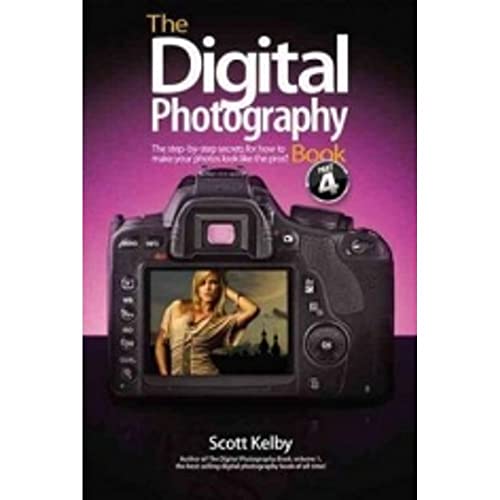
Scott Kelby’s “The Digital Photography Book” stands out as the ultimate guide for photographers enthusiastic to elevate their skills from ordinary snapshots to breathtaking imagery! This best-selling gem, a follow-up to volume 3, continues Kelby’s straightforward approach, making it accessible for everyone. Each page dives into a single concept, addressing real-life shooting scenarios with practical tips and pro settings—no technical jargon here! You’ll find 200 exclusive tricks that tackle common frustrations, encouraging you to transform your photos into sharp, colorful masterpieces. Whether you’re a beginner or a seasoned shooter, this book’s like having a pro mentor right by your side!
Best For: Photographers looking to enhance their skills and achieve professional-quality images from their casual photography.
Pros:
- Provides practical advice in an easy-to-understand format, making it accessible for photographers of all skill levels.
- Contains 200 useful tricks and tips that effectively address common photography challenges.
- Emphasizes real-life scenarios and actionable techniques, aiding readers in immediate application to their own photography.
Cons:
- May not cover advanced technical concepts, which could be limiting for experienced photographers seeking in-depth knowledge.
- Some readers may find the focus on straightforward advice lacks depth in certain areas of photography.
- As a follow-up to previous volumes, those unfamiliar with earlier editions might feel they are missing context or foundational concepts.
The Beginner’s Photography Guide: Ultimate Step-by-Step Manual for Digital Cameras


Starting on your photography journey? “The Beginner’s Photography Guide: Ultimate Step-by-Step Manual for Digital Cameras,” published by DK, is your go-to resource! With around 288 pages, this extensive book simplifies essential concepts like equipment selection and exposure settings, making it perfect for beginners. You’ll appreciate the clear, hands-on projects that guide you through your camera’s functions while using annotated images to illustrate techniques (because who doesn’t love a visual?). Plus, it’s packed with handy checklists and innovative tips from professionals, ensuring you’re up-to-date with current trends. Grab this gem, and capture those memorable moments perfectly!
Best For: Beginners looking to learn the fundamentals of photography and improve their skills with digital cameras.
Pros:
- Provides clear, step-by-step guidance with practical projects for hands-on learning.
- Includes visual aids that help illustrate photography techniques and equipment use.
- Offers up-to-date information and tips to keep learners aligned with current trends in photography.
Cons:
- Might be too simplified for advanced photographers seeking in-depth technical knowledge.
- Limited coverage of niche photography styles or techniques.
- Some sections may lack the depth that more experienced photographers might desire.
Understanding Exposure, Fourth Edition: How to Shoot Great Photographs with Any Camera

No matter your skill level, whether you’re just starting out or looking to refine your techniques, “Understanding Exposure, Fourth Edition: How to Shoot Great Photographs with Any Camera” by Bryan Peterson is the perfect guide to elevate your photography game! With its engaging style and clear explanations, this 288-page gem from Amphoto Books breaks down essential concepts like light, aperture, and shutter speed, showing you how they work together to create stunning images. Plus, the updated visuals and practical tips help you tackle tricky scenarios, whether you’re freezing action or mastering flash techniques. Get ready to release your creative potential!
Best For: Photographers of all skill levels seeking to understand and improve their exposure techniques for better image quality.
Pros:
- Comprehensive explanations of light, aperture, and shutter speed, making complex concepts accessible.
- Includes updated visuals and practical tips for various shooting scenarios, enhancing learning and application.
- Covers advanced topics like flash techniques and filters, broadening a photographer’s technical skills.
Cons:
- Some readers may find the depth of information overwhelming if they are complete beginners.
- The focus on technical aspects may not appeal to those looking for a more artistic approach to photography.
- Limited coverage of specific camera models or brand-specific features, which might leave some users wanting more tailored advice.
The School of Photography: Beginner’s Guide

If you’re diving into the world of photography and feeling a bit lost among the myriad of cameras, lenses, and techniques, “The School of Photography: Beginner’s Guide” is your ticket to clarity and confidence! This essential guide breaks down complex concepts into manageable lessons, designed for both newbies and those wanting to polish their skills. You’ll learn to confidently operate your camera in manual mode, tackle various situations, and quickly improve your photography. With clear steps and engaging exercises, this guide will help elevate your artistry—who knew sharpening your skills could be this fun? Grab your copy and start shooting!
Best For: Beginners feeling overwhelmed by photography tools and techniques, as well as experienced photographers seeking to refine their skills.
Pros:
- Comprehensive lessons that simplify complex concepts, making photography accessible to all skill levels.
- Hands-on exercises encourage practical application, enhancing learning and retention.
- Enables users to confidently operate their cameras in manual mode, which is crucial for capturing stunning images.
Cons:
- May not provide advanced techniques that experienced photographers might seek.
- Some readers may find certain lessons too elementary if they already have basic knowledge.
- Requires a dedicated time commitment to fully benefit from all lessons and exercises.
The Advanced Photography Guide

For the aspiring photographer keen to elevate their craft, “The Advanced Photography Guide” expertly caters to your needs with its extensive exploration of sophisticated techniques! With step-by-step tutorials, you’ll master movement-freezing shots, filter usage, and multiple exposures, enhancing your skills and confidence. This guide covers lenses, exposure settings, aperture applications, and post-production nuances, perfect for revitalizing your knowledge or diving into new styles. Plus, it features creative projects that inspire, from close-ups to night photography. Beautiful images and practical advice throughout motivate you to develop your unique photographic style (and perhaps even make your Instagram followers a tad envious!).
Best For: Aspiring photographers looking to enhance their skills with advanced techniques and creative project ideas.
Pros:
- Comprehensive coverage of advanced photography topics, including lenses, exposure, and post-production.
- Step-by-step tutorials that simplify complex techniques, making learning accessible and enjoyable.
- Inspiring project ideas that encourage exploration and creativity across various photography styles.
Cons:
- May be overwhelming for beginners without basic photography knowledge.
- Some advanced techniques could require additional equipment that may not be readily available.
- Not as much focus on fundamental concepts, which could leave some gaps for novice photographers.
Digital Photography Complete Course

Ready to elevate your photography game? With “Digital Photography Complete Course,” you’ll plunge into an exciting 20-week journey that transforms you from a novice into a confident photographer. Each chapter presents structured tutorials, blending technical insights with engaging visuals (you’ll love those diagrams!). You’ll learn about key concepts like aperture, exposure, and depth-of-field, all explained in a friendly manner. Plus, the book offers practical assignments and Q&As, helping you apply what you’ve studied. Perfect for anyone enthusiastic to master their camera, this book makes a fantastic gift too—who wouldn’t want to capture stunning images? Grab your copy today!
Best For: Photography lovers of all ages, students, and beginners seeking to improve their skills and unlock the full potential of their cameras.
Pros:
- Comprehensive 20-week course structure designed for beginners to progressively learn photography.
- Clear explanations of technical concepts paired with engaging diagrams for easier understanding.
- Hands-on practical assignments and tutorials that encourage real-world application of skills.
Cons:
- May be overwhelming for complete novices due to the amount of information presented.
- Primarily focused on digital photography, which may not cover film photography techniques.
- Requires dedication and time commitment for the full 20-week course to reap maximum benefits.
The Digital Photography Book: Step-by-Step Secrets for Professional-Like Photos

Scott Kelby’s “The Digital Photography Book: Step-by-Step Secrets for Professional-Like Photos” is an absolute gem for anyone looking to elevate their photography game, especially those who find complicated technical jargon intimidating. With over 300 pages packed with practical tips and over 200 tricks, this revised classic simplifies photography beautifully. You’ll love how Kelby’s conversational style directly guides you through diverse subjects, from landscapes to portraits. Each page offers actionable advice to immediately improve your skills, transforming your photos from basic snapshots to stunning gallery prints! Plus, it’s filled with helpful recipes for specific shots—definitely an essential addition to your photography library!
Best For: Aspiring photographers who seek straightforward, practical guidance to improve their skills without getting bogged down by technical jargon.
Pros:
- Offers over 200 practical tips and tricks for immediate application.
- Covers a variety of photography styles, making it versatile for different interests.
- Simple and conversational writing style makes learning enjoyable and accessible.
Cons:
- May not delve deeply into theoretical aspects of photography for those seeking in-depth knowledge.
- Some advanced photographers may find the content too basic or simplistic.
- Not a comprehensive textbook; focus is primarily on practical advice rather than technical details.
Digital Photography Small Business Startup Book for Beginners
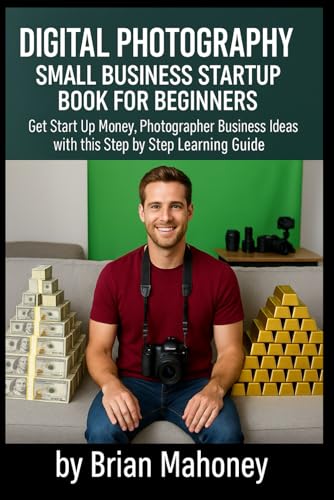
If you’re an aspiring photographer ready to leap from hobbyist to entrepreneur, the “Digital Photography Small Business Startup Book for Beginners” is your ideal roadmap! This practical guide dives into everything from selecting a lucrative niche to strategies for securing startup funds—even if your credit isn’t stellar. Written by Brian Mahoney, a seasoned expert in nurturing entrepreneurs, this book packs straightforward advice into its pages, ensuring you can easily grasp complex concepts. With tips on attracting paying clients and maximizing shoot earnings, you’ll be well-equipped to turn your passion into profit. Don’t wait—grab this invaluable resource and start your journey today!
Best For: Beginner photographers looking to transition into a professional photography business and those wanting to monetize their passion.
Pros:
- Straightforward guidance on turning a photography hobby into a profitable business.
- Covers essential topics such as niche selection, securing startup funds, and client acquisition.
- Written by a credible author with experience in training entrepreneurs for success.
Cons:
- May not provide in-depth techniques for advanced photographers.
- Focuses more on beginners and side hustlers, possibly overlooking established photographers.
- Some readers may find the direct approach lacking in nuanced details.
The Digital Photography Book
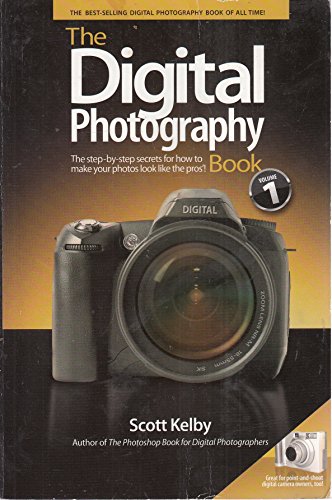
For beginner to intermediate photographers enthusiastic to elevate their skills, “The Digital Photography Book” is an essential resource that demystifies the world of photography while making it accessible and enjoyable. Written by the acclaimed author of “The iPod Book,” this guide spans 256 pages filled with invaluable insights into cameras, equipment, and the latest digital technology. It covers key techniques like exposure and lighting—seriously, you’ll finally understand depth of field! Plus, you won’t get lost in photo editing, as you’ll learn how to capture fantastic images from the start. Trust me—this book’s a game changer! Get ready to shoot like a pro!
Best For: Beginner to intermediate photographers looking to enhance their skills and understand digital photography.
Pros:
- Provides comprehensive insights into the latest digital technology and equipment.
- Covers essential photographic techniques in an easy-to-understand manner.
- Emphasizes capturing great images directly, reducing reliance on excessive photo editing.
Cons:
- May not cover advanced techniques for experienced photographers.
- Focuses primarily on digital photography, potentially excluding film enthusiasts.
- Some readers may find the content less in-depth than specialized photography textbooks.
Factors to Consider When Choosing Digital Photography Books

When picking out digital photography books, you’ve got to take into account your skill level, the content coverage, and how well the book caters to visual learners! You’ll also want to check the author’s expertise to guarantee you’re getting solid advice, along with a practical focus that helps you apply what you learn. So gear up for some exciting choices that can take your photography to the next level (just like it did for me)!
Target Skill Level
Choosing the right digital photography book can feel overwhelming, especially considering how many options flood the market! To find the perfect fit, think about your skill level. If you’re a beginner, look for books with step-by-step tutorials and foundational concepts, like “Understanding Exposure” by Bryan Peterson, which has about 192 pages of clear guidance. Intermediate photographers might enjoy titles such as “The Digital Photography Book” by Scott Kelby, focusing on practical techniques and specific styles in around 200 pages. For advanced shooters, “Creative Photography: 52 Weekend Projects” by Harold Davis dives into intricate topics, encouraging you to explore post-processing and sophisticated techniques (with 160 pages of creative inspiration). Matching your book to your skill level keeps learning engaging and fruitful!
Content Coverage
Content coverage is essential in selecting a digital photography book that resonates with your learning style and goals! You’ll want a book that covers essential photography concepts like exposure controls, aperture, and shutter speed—skills valuable for both film and digital photography. Look for titles offering step-by-step guidance on operating camera functions and techniques, perfect for beginners. Practical projects and assignments encourage real-world experimentation (because who doesn’t love hands-on learning?). Make certain the book stays relevant by addressing technological advancements and current creative trends—don’t get stuck using last year’s tips! Books like “Understanding Exposure” by Bryan Peterson, which is filled with rich, practical insights, can definitely elevate your skills. Embrace the learning journey—you’re in for a treat!
Visual Learning Aids
How can visual learning aids transform your understanding of photography techniques? They can be game-changers! Books with annotated images and diagrams let you visualize complex topics, making concepts like exposure settings and depth of field much clearer (thank goodness)! Step-by-step tutorials enhance your practical skills, allowing you to practice methods effectively, which is essential for any photographer. Look for titles like “The Digital Photography Book” by Scott Kelby, which features stunning visuals that inspire creativity and showcase various styles. Don’t underestimate the power of before-and-after examples in photo editing, either—they highlight the importance of nailing your shot initially, rather than relying on software alone. Choosing books with rich visual content will definitely elevate your learning experience!
Author Expertise
When diving into the world of digital photography books, it’s essential to contemplate the author’s expertise, as this can make a significant difference in your learning journey. Experienced photographers offer real-world insights and techniques that bring concepts to life, while those with teaching backgrounds often simplify complicated ideas into digestible pieces. Plus, checking the author’s reputation within the photography community can signal the trustworthiness of their material. For instance, titles like “Understanding Exposure” by Bryan Peterson are well-regarded for their clarity and practical focus. Likewise, examining an author’s previous works, publishing history, and contributions to photography literature can reveal their depth of knowledge—and you’re looking for the best bang for your learning buck! So, choose wisely!
Practical Application Focus
Finding the perfect digital photography book can feel like searching for a needle in a haystack, but focusing on practical application can greatly narrow down your options! Look for books that emphasize hands-on projects and step-by-step tutorials, like “Digital Photography Complete Course” by DK Publishing, which packs 256 pages full of actionable wisdom. Prioritize guides written in jargon-free language, ensuring you can easily apply techniques in real-life scenarios. Visual aids, such as annotated images, can simplify complex concepts, making them much easier to grasp. Don’t forget to choose resources that address common challenges and offer pro tips for various photographic styles—these can greatly broaden your skills. Happy shooting!
Unique Features Offered
What unique features can elevate your digital photography book selection to new heights? First, consider the depth of content—some books, like “Understanding Exposure” by Bryan Peterson (224 pages), focus on practical advice, while others, like “The Digital Photography Book” series by Scott Kelby, delve into technical details. Visual aids are essential; look for books that include annotated images and diagrams to clarify techniques. Confirm the book suits your level, whether you’re a newbie or aiming for advanced techniques. Specific chapters on styles like portraits or landscapes can cater to your interests, too! Finally, don’t overlook helpful resources, like kit lists and troubleshooting tips, which make your learning fun and practical as you grow your photography skills!
Reader Engagement Strategies
Selecting digital photography books that truly engage you can make all the difference in your learning journey. Look for titles like “Digital Photography Complete Course” (Dorling Kindersley, 352 pages) that offer step-by-step guidance and vivid visual aids! Books filled with annotated images and diagrams, like “Understanding Exposure” (Amphoto Books, 144 pages), will boost your comprehension. You’ll love resources that focus on practical advice without the annoying jargon, making it easier to apply new concepts! Consider those featuring real-life shooting scenarios and actionable tips to tackle common challenges. Finally, don’t forget books with hands-on projects, like “The Photographer’s Playbook” (Abrams, 256 pages), encouraging you to get out there, practice, and truly master your craft. Happy photographing!
Frequently Asked Questions
What Format Should Digital Photography Books Be in for Best Reading Experience?
For the best reading experience, digital photography books should be in a printed format, like hardcover or high-quality paperback, featuring vibrant images and clear layouts. I love books from publishers like Amphoto Books, often around 200-300 pages, which balance stunning visuals with practical advice. Plus, look for books with glossy pages to showcase your favorite shots! Trust me, flipping through a beautifully bound book beats scrolling any day (no offense to screens)!
Are There Specific Books for Learning Smartphone Photography Techniques?
You’ll love “Smartphone Photography: How to Shoot and Edit Amazing Photos on Your Phone” by David McGowan (500 pages, published by Wiley). This gem walks you through composition, lighting, and editing specific to mobile devices. Another excellent choice is “The Art of iPhone Photography” by Bob Weil and Nicki Fitz-Gerald, diving deep into advanced techniques. (A solid 224 pages!) These books can truly transform your smartphone snaps into stunning visual stories.
How Do I Choose the Right Photography Book for My Skill Level?
To choose the right photography book for your skill level, start by evaluating your current expertise—beginner, intermediate, or advanced. Look for books like “Understanding Exposure” by Bryan Peterson (224 pages) to grasp foundational concepts, or “The Digital Photography Book” by Scott Kelby, which is packed with practical tips (256 pages). Check reviews, and don’t forget to contemplate physical features like binding and photo quality. You’ll find books that suit your learning style perfectly!
Are There Any Free Digital Photography Resources Online?
You’ve hit the jackpot with free digital photography resources! Websites like CreativeLive and Coursera offer excellent courses, while YouTube is full of insightful tutorials. Don’t miss platforms like Pexels for stunning images to inspire your work! Looking for a community? Try Flickr groups or photography forums where you can share your shots and get feedback. With these resources at your fingertips, you’re well on your way to capturing your vision beautifully!
How Often Should I Update My Photography Knowledge With New Books?
You should aim to update your photography knowledge every six months or so! This keeps you in the loop with new techniques and trends. Look for books like “Understanding Exposure” by Bryan Peterson (224 pages) or “The Digital Photography Book” by Scott Kelby (288 pages), both packed with useful tips and illustrated examples. They’re published by renowned companies, helping you stay motivated! (Besides, who doesn’t love a fresh perspective?) Quick reads can spark your creativity!


