As an Amazon Associate, we earn from qualifying purchases. Some links on this site are affiliate links at no extra cost to you. Our recommendations are based on thorough research and editorial judgment.


10 Must-Read Ethnomusicology Books for Every Music Enthusiast

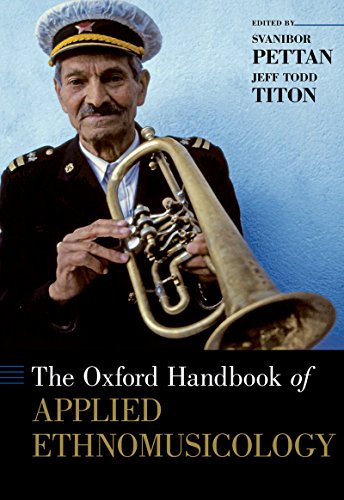
If you’re enthusiastic to plunge into ethnomusicology, check out *The Oxford Handbook of Applied Ethnomusicology* (Oxford Handbooks, 624 pages), a must-have for its diverse perspectives! Don’t miss *On Highway 61* by Elijah Wald (320 pages), which brilliantly explores America’s musical evolution. The *Handbook for Folklore and Ethnomusicology Fieldwork* (400 pages) offers practical advice for aspiring researchers! And you’ll love Nettl’s *The Study of Ethnomusicology* with its updated insights. Stick around and discover even more hidden gems!
Key Takeaways
- *”The Oxford Handbook of Applied Ethnomusicology”* offers diverse perspectives on music’s role in marginalized communities and encourages participatory action research.
- *”On Highway 61″* provides a cultural history of American music, exploring the complex influences and exchanges that shaped popular genres over time.
- The *”Handbook for Folklore and Ethnomusicology Fieldwork”* provides practical guidance on fieldwork methods, project development, and data preservation for researchers.
- Bruno Nettl’s *”The Study of Ethnomusicology”* delivers comprehensive insights into the evolution of ethnomusicological research, ideal for scholars and students alike.
- Turino’s *”Music as Social Life”* focuses on the social dimensions of music, emphasizing its role in cultural connections and empowerment.
The Oxford Handbook of Applied Ethnomusicology (Oxford Handbooks)
You may be interested


If you’re a student, researcher, or simply an enthusiast interested in the dynamic field of ethnomusicology, then “The Oxford Handbook of Applied Ethnomusicology” is a fantastic read for you! Edited by Svanibor Pettan and Jeff Todd Titon, this volume features incisive essays from over twenty contributors across eleven countries. With a global scope that dives into themes like conflict and the status of marginalized communities, it highlights participatory action research‘s transformative power. You’ll find fresh case studies that engage with real-world issues, making it an essential addition to your bookshelf (or coffee table). Grab your copy—you’re in for an enlightening journey!
Best For: This handbook is best for students, researchers, and enthusiasts seeking to deepen their understanding of applied ethnomusicology and its impact on marginalized communities.
Pros:
- Diverse Perspectives: Features contributions from over twenty authors, providing a wide array of insights and experiences.
- Global Scope: Encompasses case studies from eleven countries, enhancing cross-cultural understanding in ethnomusicology.
- Focus on Action Research: Emphasizes participatory action research, empowering often-overlooked voices in scholarly discourse.
Cons:
- Newly Commissioned Essays: Some readers may find that the freshness of the essays comes with a lack of established peer-reviewed status.
- Complex Themes: The academic nature of certain themes might be challenging for casual readers or those new to the field.
- Limited Availability: As a specialized scholarly volume, it may not be readily available in all bookstores or libraries.
On Highway 61: Music, Race, and the Evolution of Cultural Freedom
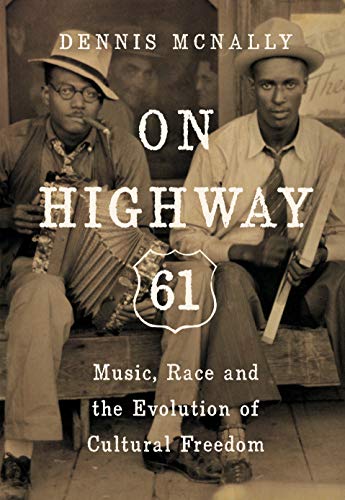
For anyone passionate about uncovering the intricate connections between music, race, and cultural evolution, “On Highway 61: Music, Race, and the Evolution of Cultural Freedom” by Elijah Wald is an essential read! This compelling book, published by Amistad and spanning over 250 pages, offers a fascinating historical journey through the last 150 years of American music. Wald expertly weaves in influences from figures like Thoreau and Twain while tracing the emergence of genres like ragtime, blues, and jazz. You’ll discover how cross-cultural exchanges shaped popular music, especially the undeniable impact of African American traditions on today’s musical landscape!
Best For: Those interested in exploring the deep-rooted connections between music, race, and American cultural history.
Pros:
- In-depth historical analysis of American music over the last 150 years, offering rich context to cultural evolution.
- Highlights important figures like Thoreau and Twain, connecting literary influences with musical development.
- Explores cross-cultural exchanges, illustrating how African American music has fundamentally shaped popular genres.
Cons:
- Potentially dense material that may be challenging for casual readers unfamiliar with historical music theory.
- Limited focus on contemporary music, possibly leaving out recent developments in the music scene.
- Requires an interest in both music and social issues, which may not appeal to all readers.
Handbook for Folklore and Ethnomusicology Fieldwork
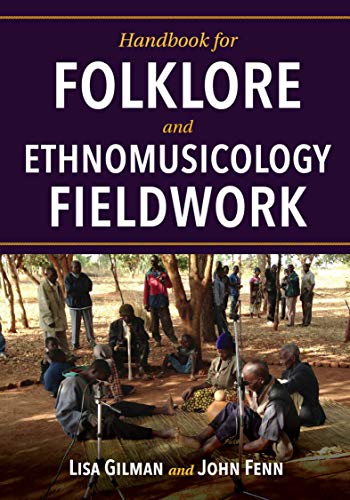
The “Handbook for Folklore and Ethnomusicology Fieldwork” is a must-have for anyone diving into the enthralling world of ethnographic research, especially those keen to immerse themselves in the nuances of human culture and expression. Spanning 360 pages, published by the University of Illinois Press, it walks you through everything from project development to data preservation. You’ll learn about diverse methodologies, including digital ethnography, making it adaptable to your specific research goals. With practical tips on budgeting and funding, the book’s user-friendly approach prepares you for both the excitement and challenges of fieldwork—plus, it’s packed with relatable anecdotes that make learning enjoyable!
Best For: Researchers and students interested in ethnographic studies who seek a comprehensive guide to folkloric and ethnomusicology fieldwork techniques.
Pros:
- Comprehensive coverage: The handbook offers detailed guidance from project inception to data preservation, making it suitable for researchers at all stages.
- Diverse methodologies: It includes various fieldwork approaches, such as digital ethnography, tailored to different research contexts and objectives.
- Practical advice: Contains tips on budgeting and funding, alongside relatable anecdotes from authors’ experiences, enhancing the learning process.
Cons:
- Lengthy read: At 360 pages, it may be overwhelming for those looking for quick references.
- Niche focus: Specifically tailored to folklore and ethnomusicology, it may not address broader ethnographic methods outside these areas.
- Fieldwork dependency: Its practical advice is heavily reliant on an active fieldwork component, which may not be applicable to all researchers.
The Study of Ethnomusicology: Thirty-Three Discussions
Bruno Nettl’s *The Study of Ethnomusicology: Thirty-Three Discussions* isn’t just another academic text—it’s an essential read for anyone diving into the vibrant world of ethnomusicology! Originally published in 1983 and affectionately dubbed The Red Book, this classic offers engaging insights and a witty style that make complex ideas approachable. The third edition, featuring exciting new chapters and an updated bibliography, reflects Nettl’s six decades of evolving perspectives, making it invaluable for both scholars and students. At around 400 pages, this staple belongs on every music enthusiast’s bookshelf, enticing you to further explore the cultural tapestry woven through music!
Best For: Scholars and students looking to deepen their understanding of ethnomusicology through a well-regarded and engaging text.
Pros:
- Engaging Writing Style: Nettl’s witty and approachable prose makes complex concepts accessible for readers of all levels.
- Comprehensive Updates: The third edition includes new chapters and reflect recent developments, keeping the content relevant and fresh.
- Essential Resource: An updated bibliography provides valuable resources for further exploration within the field.
Cons:
- Lengthy Read: At around 400 pages, some readers may find it a bit lengthy compared to other introductory texts.
- Academic Slant: While accessible, the focus may still heavily lean towards academic perspectives, which might not appeal to all casual readers.
- Field-Specific: As an ethnomusicology-focused text, its contents may not cater to those with a broader interest in music studies outside this niche.
Music as Social Life: The Politics of Participation
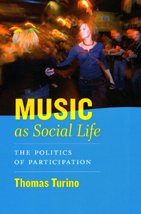
Looking to dive deep into how music shapes our social landscape? “Music as Social Life: The Politics of Participation” by Thomas Turino is a fantastic choice for anyone interested in understanding music’s powerful role in cultural expression and community connection. Published by the University of Chicago Press, with around 264 pages, this book is packed with engaging insights! Turino explores various cultures, from indigenous Peruvians to American old-time musicians, showing how music influences social and political movements. Plus, you’ll appreciate the included compact disc, which illustrates concepts beautifully. Trust me, it’s an eye-opening journey into the heartbeat of societies!
Best For: Anyone interested in exploring the intersection of music, culture, and social dynamics.
Pros:
- Engaging Cultural Examples: The book features rich case studies from diverse cultures, making the subject matter relatable and multidimensional.
- Accessible Insights: Turino presents complex ideas in an approachable way, appealing to both music enthusiasts and casual readers.
- Supplemental Audio: The included compact disc enhances understanding by providing practical illustrations of the musical concepts discussed.
Cons:
- Academic Tone: Some readers may find the analytical framework dense or academic in nature, which could be challenging for a general audience.
- Limited Focus on Contemporary Music: The exploration primarily centers on traditional and indigenous practices, potentially neglecting modern music trends.
- Lengthy Read: At 264 pages, it may require a significant time investment for those looking for quick insights.
Umm Kulthum: Arabic Song and Egyptian Society in the Twentieth Century
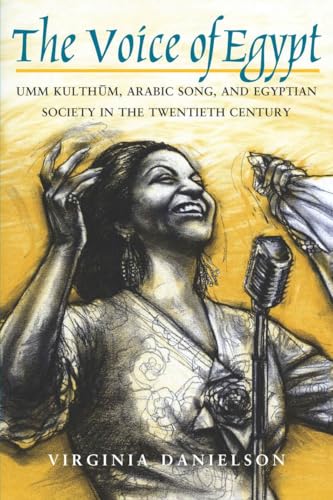
For anyone fascinated by the rich tapestry of Arabic music, “Umm Kulthum: Arabic Song and Egyptian Society in the Twentieth Century” by Virginia Danielson stands out as an essential read! This impressive book, published by the University of Chicago Press, investigates the life of Umm Kulthum—the iconic voice of Egypt—offering a enthralling biography complete with 280 pages of engaging narratives and rich historical context. You’ll discover how her unique blend of musical styles and innovative use of mass media propelled her to fame, connecting her with millions across social strata. It’s a remarkable exploration you won’t want to miss!
Best For: Those interested in Arabic music, cultural studies, and the social dynamics of 20th-century Egypt.
Pros:
- In-depth Exploration: Provides a comprehensive biography and historical context about Umm Kulthum’s life and career.
- Cultural Insights: Examines the intersection of music, society, and politics in Egypt during a transformative era.
- Engaging Narrative: Rich storytelling that captivates readers and enhances their understanding of Arabic music.
Cons:
- Lengthy Read: At 280 pages, it may require a significant time commitment for some readers.
- Niche Topic: Primarily focused on a specific cultural figure, which may not appeal to everyone.
- Limited Audience: Readers unfamiliar with Arabic music or culture may find some references challenging to fully grasp.
Improvise for Real: The Complete Method for All Instruments
If you’re a musician tired of traditional methods that stifle creativity, “Improvise for Real: The Complete Method for All Instruments” may just become your go-to resource! This innovative guide, published by Truefire and spanning 246 pages, dives into the magic of improvisation, empowering you to blend melodies and harmonies effortlessly. Unlike typical teaching methods that box you in, this book encourages imaginative exploration right from the start. With resources like backing tracks and the Sing the Numbers audio course, it enhances both your ear training and artistic growth. Get ready to release your unique voice and express yourself more authentically!
Best For: Musicians seeking a creative and holistic approach to improvisation that prioritizes self-expression and understanding of music.
Pros:
- Offers a comprehensive understanding of harmony, enabling seamless blending of melodies and chords.
- Encourages improvisation from day one, fostering creativity and personal expression.
- Includes valuable resources like backing tracks and the Sing the Numbers audio course for enhanced ear training.
Cons:
- May require a shift in mindset for those used to traditional, structured teaching methods.
- The emphasis on creativity might be overwhelming for beginners seeking a more systematic approach to learning.
- Some musicians may find the lack of focus on memorization and set licks challenging in the early stages of their journey.
Inside Arabic Music: Arabic Maqam Performance and Theory

Discovering the depths of Arabic music and its intricate maqam performance can be a thrilling experience for anyone passionate about diverse musical traditions! “Inside Arabic Music: Arabic Maqam Performance and Theory,” published by Oxford University Press, stands out as the perfect guide, especially for musicians or cultural enthusiasts keen to explore beyond surface melodies and rhythms. This 400-page treasure trove uncovers the oral traditions of Arabic music, linking performance and theory while addressing its global influences. You’ll relish understanding how improvisation, like taqsim, conveys emotions, making this book essential for anyone who wants to connect with Arabic culture through its enchanting soundscapes!
Best For: Musicians, cultural enthusiasts, and anyone interested in a deeper understanding of Arabic music and its maqam performance.
Pros:
- Offers comprehensive insights into the oral traditions and theoretical aspects of Arabic music.
- Highlights the emotional depth and cultural significance of improvisational techniques like taqsim.
- Connects music practice with broader cultural influences, enhancing appreciation for global musical interconnections.
Cons:
- The focus on oral traditions may pose challenges for new learners accustomed to written notation.
- The complexity of maqam and its nuances might be overwhelming for beginners without prior musical training.
- The length of the book (400 pages) may be daunting for casual readers seeking a quick overview.
Ethnomusicology: A Very Short Introduction
When you’re curious about the rich tapestry of music and its cultural significance, “Ethnomusicology: A Very Short Introduction” from Oxford University Press is the perfect choice! At just around 144 pages, this book brilliantly explores how music connects us across diverse cultures, from Japanese gagaku to contemporary rap. You’ll appreciate the engaging insights into research methods, as ethnomusicologists dive deep into communities, actively participating in musical events to understand cultural meanings. It’s like having a knowledgeable friend guiding you through fascinating musical landscapes! This accessible read is a must-have for any music enthusiast aiming to uncover the secrets behind musical traditions!
Best For: Anyone interested in exploring the cultural significance of music and understanding various musical traditions across the globe.
Pros:
- Concise and engaging: At just 144 pages, the book provides a quick yet comprehensive overview of ethnomusicology.
- Diverse musical examples: It covers a wide range of musical styles, from traditional forms to contemporary genres, appealing to a broad audience.
- Insightful research methods: The book highlights how ethnomusicologists gather data through community immersion, enhancing understanding of music’s cultural context.
Cons:
- Limited depth: Due to its concise nature, some readers may find the exploration of topics insufficiently detailed.
- Target audience: While it’s great for enthusiasts, serious scholars may seek more rigorous academic resources.
- Accessibility of language: Some academic terminology might pose a challenge for casual readers unfamiliar with musicology concepts.
Music Theory in Ethnomusicology (Oxford Theory in Ethnomusicology)
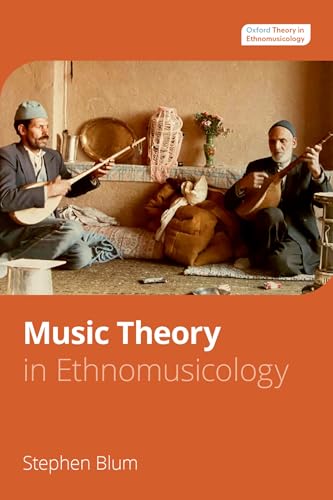

For anyone keen on understanding how music theory intertwines with diverse cultural perspectives, “Music Theory in Ethnomusicology” from the Oxford Theory in Ethnomusicology series is an essential addition to your bookshelf! This insightful volume encourages readers to explore the historical context of ethnomusicology, emphasizing the fascinating relationships forged during the 60s and 70s. With a focus on communication and the decolonization of musical understandings, it highlights how various cultures interpret musical terminologies differently. Packed with thoughtful analyses and compelling examples, this 300-page book will ignite your passion for music in ways you never imagined! Seriously, you won’t regret diving into this!
Best For: Students, researchers, and enthusiasts of musicology seeking a deeper understanding of cross-cultural music theory.
Pros:
- Provides a comprehensive exploration of the historical context of ethnomusicology, particularly during the 1960s and 70s.
- Encourages critical thinking about the influence of institutional frameworks on music theory and promotes decolonization in musical studies.
- Offers rich examples and analyses that illuminate the complexities of musical communication across diverse cultures.
Cons:
- The academic nature of the text may be challenging for casual readers unfamiliar with music theory jargon.
- It may not cover specific music genres or traditions in depth, focusing instead on broader theories and concepts.
- Some readers might find the focus on decolonization and cross-culturalism too theoretical without practical applications.
Factors to Consider When Choosing Ethnomusicology Books

When you’re picking out ethnomusicology books, you should totally consider the author’s expertise and how well their credentials align with your interests. It’s also super important to look for relevance in the subject matter, along with the research methods used, which can really shape your understanding of different cultural perspectives. Plus, don’t forget about accessibility and readability—if a book looks intimidating (hello, 500-page tomes!), you might want to think twice before adding it to your shelf!
Author Expertise and Credentials
Diving into the world of ethnomusicology books is like starting a treasure hunt, where the gems often lie in the author’s expertise and credentials! When you’re picking a book, check the author’s academic background—degrees and affiliations can speak volumes about their knowledge. Also, consider whether they’ve got hands-on fieldwork experience, as it usually adds depth to their insights. Don’t forget to look for their contributions to big conversations in ethnomusicology and involvement in key organizations. Plus, if they’ve dabbled in interdisciplinary research, that might offer you an exciting, broader perspective. Finally, read up on critiques of their previous works; peer feedback is a great indicator of their authority and influence in the field! Happy hunting!
Subject Matter Relevance
Choosing the right ethnomusicology book can feel like a bit of an adventure, especially if you keep certain factors in mind! Look for works that cover a wide range of musical forms, incorporating both traditional and contemporary genres for a richer understanding. Texts with practical case studies from diverse regions, like those published by Oxford University Press, can truly enhance your learning experience. It’s crucial to reflect on how music intersects with social and political contexts, as this helps illuminate cultural identities. Additionally, you’ll want books that discuss participatory action research, addressing marginalization and community involvement. Trust me, these factors will lead you to a more complete and deeply engaging ethnomusicology journey. Happy reading!
Research Methodologies and Approach
Considering how rich and varied ethnomusicology can be, examining the research methodologies used in this field is just as important as exploring the musical forms themselves. You’ll find books that explore diverse methodologies, like participatory action research, which empowers communities by elevating marginalized voices. Check out “The Handbook for Folklore and Ethnomusicology Fieldwork” (University of Illinois Press, 300 pages)—it guides you through understanding identity dynamics during research! Ethnographies often feature immersive methods, so look for titles that discuss experiences with local musicians (you’ll definitely want that first-hand insight). Also, some books focus on everything from oral traditions in Arabic music to modern digital ethnography, revealing just how versatile this field can be. Happy reading!
Cultural Context and Perspectives
While exploring the world of ethnomusicology books, you’ll want to reflect on the cultural context that shapes music-making, performance, and appreciation across diverse societies. Understanding this context is essential, as it reveals how musical traditions reflect unique cultural meanings! Look for books like “Music as Culture” by Alan Merriam (University of California Press, 252 pages), which dives deep into the social functions of music. You’ll also enjoy “The Study of Ethnomusicology” by Bruno Nettl (University of Illinois Press, 384 pages), discussing how historical figures and social movements influence musical evolution. Don’t forget to take into account books employing varied methodologies, such as digital ethnography—these will enrich your perspective on music across different cultural landscapes! Happy reading!
Accessibility and Readability
When diving into the world of ethnomusicology books, it’s essential to think about how accessibility and readability shape your understanding of the complex ideas presented within. Books like “Ethnomusicology: A Very Short Introduction” (Oxford University Press, 144 pages) are perfect for newcomers, using concise language to break down tough concepts. “The Oxford Handbook of Applied Ethnomusicology” combines theoretical discussions with practical examples, making the content relatable and easier to grasp. Plus, if a book includes visuals, CDs, or online resources, like many do, it can enhance your engagement and comprehension. Always look for inclusive language that embraces diverse cultural narratives—it’ll make your learning experience richer and more enjoyable! You’ll appreciate getting different perspectives in this fascinating field!
Updates and Editions Availability
Choosing the right ethnomusicology books can feel like maneuvering through a vibrant tapestry of ideas, especially as you consider the importance of updates and editions! Always check for the latest edition to explore the most current research and perspectives; for instance, the third edition of “The Study of Ethnomusicology” showcases significant developments (it’s a must-have!). Newer editions often feature updated bibliographies, offering you a treasure trove of resources to further your knowledge. Also, collections like “The Oxford Handbook of Applied Ethnomusicology” provide fresh essays bursting with contemporary discourse! Plus, revisions can capture evolving methodologies, like those seen in “Music Theory in Ethnomusicology.” Stay up-to-date, and your understanding will flourish!
Frequently Asked Questions
What Is Ethnomusicology and Why Is It Important?
Ethnomusicology is the study of music within its cultural context, uncovering how it connects people and reflects their identities! It’s important because it fosters understanding across cultures, enhancing appreciation for diverse traditions. Plus, you’ll discover unique instruments and styles from around the world! By exploring works from publishers like University of Illinois Press, you’ll engage with intriguing stories, providing insights into societies and transforming your view of music (and maybe even life!). Keep rocking!
How Can I Apply Ethnomusicology Principles in My Music Practice?
To apply ethnomusicology principles in your music practice, immerse yourself in diverse musical traditions! Explore cultural contexts, analyze rhythms, and infuse your compositions with unconventional elements. You might try collaborating with local musicians or incorporating traditional instruments (like a sitar or djembe) into your sound. Consider using field recordings too, which bring authenticity and a personal touch to your music. Don’t forget the joy of understanding and celebrating the rich tapestry of global sounds!
Are There Online Resources for Learning About Ethnomusicology?
You can immerse yourself in ethnomusicology online through platforms like JSTOR for academic papers or YouTube, where channels like “The Ethnomusicologist” share engaging documentaries. Check out Coursera or edX for free courses that cover various aspects of the subject! Websites like the Society for Ethnomusicology (SEM) also offer resources and networking opportunities. You’ll find interactive materials, podcasts, and more to enrich your learning experience. Go ahead, explore! It’s all waiting for you!
How Do I Choose the Right Ethnomusicology Book for My Interests?
To choose the right ethnomusicology book for your interests, start by identifying your favorite musical genres or cultural areas. Books like “The Study of Ethnomusicology” by Bruno Nettl (University of Illinois Press) offer great foundational insights, while “Worlds of Music” by Jeff Todd Titon (Cengage Learning, 600 pages) dives into different cultures. Don’t forget to check illustrations and references—these features can enhance your experience! Enthusiasm is key, so pick what speaks to you!
Can Ethnomusicology Enhance My Understanding of Different Music Cultures?
Ethnomusicology dives deep into the heart of musical cultures, much like exploring a vibrant marketplace where each stall bursts with unique sounds and stories. You’ll discover how different melodies shape identities and traditions. For instance, “Music as Culture” by Alan Merriam (University of Chicago Press, 1964) is a classic at 266 pages, weaving fascinating case studies. Engaging with these texts fuels your appreciation and broadens your musical horizons! You’ll love it!


