As an Amazon Associate, we earn from qualifying purchases. Some links on this site are affiliate links at no extra cost to you. Our recommendations are based on thorough research and editorial judgment.

5 Must-Read Fiber Arts Books for Creative Inspiration and Techniques

Looking to spark your creativity in fiber arts? You’ve got to check out “Art in Felt & Stitch” by Moy Mackay (Search Press, 128 pages) for beginner-friendly felt-making, and “Stupendous Stitching” by Carol Ann Waugh (C&T Publishing, 128 pages), which is jam-packed with embroidery techniques and fun visuals! Don’t miss “The Art of Manipulating Fabric” by Colette Wolff (350 diagrams!) and the inspiring “Unravelling Women’s Art” (256 pages). There’s so much more to explore!
Key Takeaways
- “Art in Felt & Stitch” by Moy Mackay offers beginner-friendly felt-making techniques using fibers and threads, ideal for all skill levels.
- “Stupendous Stitching” by Carol Ann Waugh combines hand embroidery and machine stitching, featuring video tutorials and project ideas for both novices and experts.
- “The Art of Manipulating Fabric” by Colette Wolff explores advanced fabric techniques with over 350 diagrams, targeting textile artists and sewers.
- “Unravelling Women’s Art” showcases female contributions in textile arts through interviews, combining education and storytelling for artists and history enthusiasts alike.
- Check artist credibility and previous publications to ensure reliable techniques and diverse artistic styles for a more enriching creative experience.
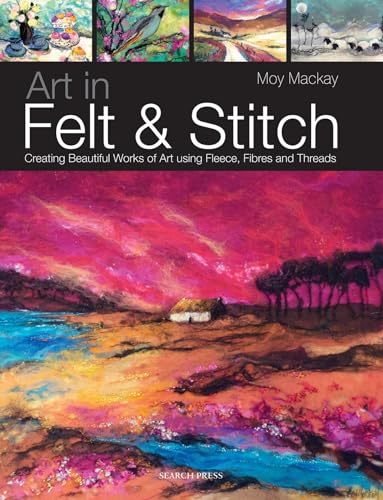
Art in Felt & Stitch: Creating Beautiful Works of Art Using Fleece, Fibres, and Threads

You may be interested


If you’re looking to plunge into the vibrant world of felt-making, “Art in Felt & Stitch” by Moy Mackay is your perfect companion (trust me, you won’t regret it!). This beautifully illustrated guide, published by Search Press, spans 128 pages of detailed techniques and inspiring visuals that showcase Mackay’s exceptional use of color and texture. You’ll learn to create stunning pieces—from still-lifes to landscapes—using just basic materials. Mackay’s beginner-friendly instructions make it easy to immerse yourself in stitching techniques that include hand and machine methods, ensuring you’ll find joy and creativity in your felt art journey.
Best For: Anyone interested in exploring the vibrant art of felt-making, from beginners to seasoned crafters looking for new techniques.
Pros:
- Beginner-friendly instructions make it accessible for all skill levels.
- Stunning visuals and examples provide inspiration and guidance throughout the learning process.
- The techniques cover both hand and machine stitching, allowing for creative versatility in art creation.
Cons:
- Limited advanced techniques may not satisfy experienced felt artists looking for more complexity.
- The focus on landscapes and still-lifes may not appeal to those interested in diverse subject matter.
- Requires some initial investment in basic materials and tools for felt-making.
The Art of Manipulating Fabric

For anyone passionate about transforming ordinary fabric into stunning works of art, “The Art of Manipulating Fabric” by Colette Wolff is an absolute gem! This extensive resource dives deep into techniques like gathering, shirring, and pleating, offering over 350 diagrams that serve as clear, step-by-step guides. The handsome photo galleries not only showcase each technique but also emphasize the beautiful play of light and shadow on sculptural fabrics. Targeted at textile artists and quilters alike, this book expands your design horizons, making it an essential addition to your creative library—or at least that’s what I tell myself when it arrives on my doorstep!
Best For: Textile artists, quilters, and garment or home decor sewers who are looking to expand their fabric manipulation skills.
Pros:
- Comprehensive resource with over 350 diagrams for various fabric manipulation techniques.
- Stunning photo galleries that visually enhance understanding of techniques through light and shadow.
- Wide applicability for both traditional and modern fabric manipulation, making it suitable for diverse creative projects.
Cons:
- May be overwhelming for beginners due to the extensive range of techniques covered.
- Some users might find the diagrams complex or challenging to follow without prior sewing knowledge.
- Limited focus on specific projects or patterns, as it mainly emphasizes techniques rather than complete designs.
Unravelling Women’s Art: Creator, Rebels and Innovators in Textile Arts

Looking to ignite your creativity and explore the vibrant world of textile arts? “Unravelling Women’s Art: Creator, Rebels and Innovators in Textile Arts” is the perfect choice for artists, historians, and anyone curious about the rich tapestry woven by female creators throughout history. This beautifully crafted book, published by Thames & Hudson and packed with 256 pages, showcases the pivotal roles women have played in textile arts—from embroidery to soft sculpture! Through 20 interviews with contemporary artists, it offers insights into their unique journeys. Plus, the historical context highlights how these crafts shifted from private homes to public galleries!
Best For: Artists, historians, and anyone interested in exploring the significant contributions of women to the world of textile arts.
Pros:
- Rich historical context that reveals the evolution of women’s roles in textile arts.
- Features insightful interviews with contemporary textile artists, inspiring creativity and connection.
- Combines educational content with entertaining storytelling, making it an enjoyable read.
Cons:
- Focus may be too narrow for readers seeking a broader overview of general art history.
- Some readers may find specialized textile arts less appealing if they prefer other art mediums.
- The emphasis on women’s contributions might alienate those looking for a more inclusive perspective on art.
Interpreting Themes in Textile Art
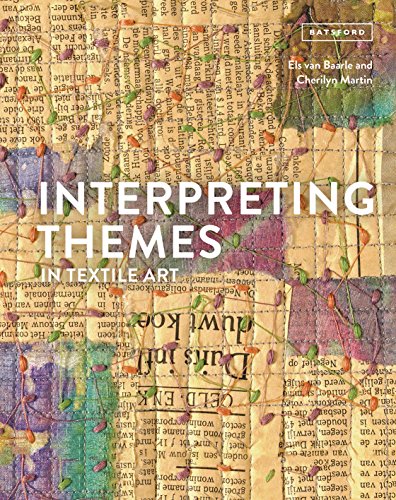
Textile artists seeking fresh ideas and innovative perspectives will find “Fiber Arts Books for Creative Inspiration” to be an absolute treasure! This collaboration between Els van Baarle and Cherilyn Martin spotlights six enchanting themes—like memory and the charm of everyday items—that you can explore through your own creations. As you flip through stunning photos of their finished projects, you’ll uncover insightful interpretations and techniques that illuminate their artistic journeys. Plus, you’ll find practical advice for maximizing creative collaborations, ensuring you spark mutual inspiration with fellow artists. Grab your copy and immerse yourself in this rich world of textile art!
Best For: Textile artists and creatives looking for inspiration through collaborative themes and innovative techniques.
Pros:
- Diverse themes: Explore six distinct themes that encourage creativity and personal interpretation.
- Visual inspiration: Stunning photos of finished projects spark ideas for your own textile art.
- Collaboration tips: Learn how to maximize collaboration benefits and foster mutual inspiration with other artists.
Cons:
- Limited audience: May primarily appeal to those already interested in textile art rather than a broader craft audience.
- Artistic complexity: Some techniques may be challenging for beginners without prior experience in textile art.
- Niche focus: The specific themes explored may not resonate with all artists across different mediums.
Stupendous Stitching How to Make Fun and Fabulous Fiber Art
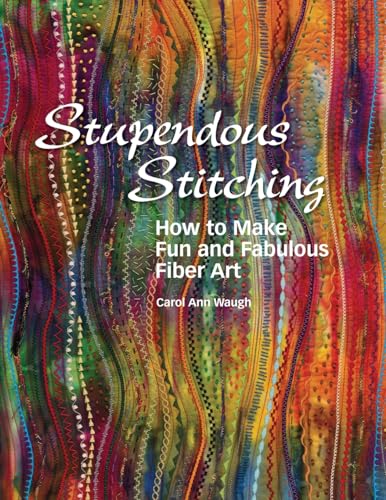
Crafted for both seasoned fiber artists and curious beginners, “Stupendous Stitching: How to Make Fun and Fabulous Fiber Art” is an excellent choice if you’re looking to inject a burst of creativity into your projects! With thorough insights from Carol Ann Waugh, this vibrant 128-page book (published by C&T Publishing) explores unique techniques like hand embroidery, decorative machine stitching, and couching. You’ll find step-by-step instructions that turn plain fabric into stunning artwork, complete with gorgeous project ideas for pillows and accessories. Plus, the included video tutorials and inspirational photo gallery are perfect for sparking your artistic flair (seriously, who doesn’t love a good visual?).
Best For: This book is best for both seasoned fiber artists and curious beginners looking to enhance their skills and creativity in fiber art.
Pros:
- Unique Techniques: Teaches a combination of hand embroidery, decorative machine stitching, and couching for diverse application.
- Comprehensive Resources: Includes thorough instructions, video tutorials, and an inspirational photo gallery to guide artists.
- Creative Project Ideas: Offers a variety of project ideas for pillows and accessories to spark creativity and experimentation.
Cons:
- Limited Scope: Focuses primarily on fiber art, which may not appeal to those interested in other crafting mediums.
- Skill Level Varies: Beginners may find some techniques challenging without prior experience in sewing or embroidery.
- Physical Book Limitations: Being a book format, it may not provide the same interactive experience as an in-person class.
Factors to Consider When Choosing Fiber Arts Books

When you’re picking out fiber arts books, there are some key factors to keep in mind that’ll really shape your creative journey! Consider your skill level, the variety of techniques offered, and how visually appealing the layouts and projects are—because who wouldn’t want a book that sparks joy just by looking at it? Plus, checking the author’s background can give you confidence in the content, so you’ll feel like you’ve chosen a reliable guide for your crafting adventures!
Skill Level Suitability
Steering through the world of fiber arts books can feel like starting on an exciting adventure—especially if you know what you’re looking for! First off, assess your skill level: are you a beginner craving clear, friendly instructions, or an advanced artist ready to tackle new challenges? For starters, look for books like “The Art of Knitting” (Abrams, 256 pages) that’s packed with visual aids and simple projects! It’ll guide you through the basics while keeping things enjoyable. And for those seasoned pros, consider “Mastering the Stitches” (Interweave, 200 pages), pushing your boundaries with complex techniques. Always check if the materials and tools align with your current set-up, as diverse projects help you grow in your fiber journey, no matter your level!
Technique Variety Offered
A fantastic array of techniques awaits you in the domain of fiber arts books, and selecting the right resource can greatly enrich your creative journey! Consider exploring titles like “The Art of Feltmaking” (X Publishing, 224 pages), which dives into felt-making and three-dimensional fabric manipulation. Look for books that provide thorough instructions along with inspiring visual aids—diagrams and photographs can truly bring techniques to life! Resources that cover both traditional and modern variations, like “Embroidery Techniques Released” (Y Publishing, 180 pages), can introduce innovative approaches. Plus, books featuring project ideas contextualize skills and encourage you to experiment with applications in fiber arts. Trust me, a variety of techniques can unlock your creative potential!
Visual Appeal Importance
Selecting the right fiber arts book goes beyond just understanding techniques; the visual appeal of these resources can ignite your imagination and inspire truly creative expression! A book like “The Art of Manipulating Fabric,” with its enchanting photo galleries, vividly showcases technique possibilities that encourages you to experiment. When complex methods are presented alongside over 350 diagrams, as seen in this book, they become much more approachable! Additionally, a thoughtfully designed layout in books like “Interpreting Themes in Textile Art” not only elucidates intricate themes but also makes them relatable. Ultimately, effective color and texture visuals act as both inspiration and guidance, helping you make smart aesthetic choices in your projects, enhancing your overall learning experience in fiber arts literature!
Project Diversity Available
When it comes to diving into fiber arts, embracing project diversity can truly elevate your creative journey! When selecting books, look for those that offer a variety of project ideas—think stitching, fabric manipulation, and felt-making—to spark your imagination. Resources like “The Art of Fabric Collage” (C&T Publishing, 120 pages) provide foundational techniques alongside accessible tutorials, perfect for beginners and seasoned artists alike. You’ll love books that showcase completed projects with detailed, step-by-step instructions. Consider themed texts, like “Stories in Stitches,” which explore concepts like memory, guiding your artistic narrative (and providing great coffee table material). Also, extensive resources with links to video tutorials add an interactive dimension, enhancing your understanding and showcasing diverse fiber art applications. Happy crafting!
Artist Experience Credibility
Choosing the right fiber arts book can feel like maneuvering through a vibrant yarn shop filled with endless possibilities! To guarantee you’re picking a gem, check the artist’s background and career achievements; years of experience can signal reliable techniques. Look for glowing reviews or testimonials from other artists—those insights can reveal how effective the book’s methods are! Investigating if the artist has shown in galleries or snagged awards can boost their credibility, too. Consider their previous publications—this can indicate their teaching style and how well they communicate concepts. Finally, assess the diversity of their artistic style; you’ll want an artist whose experience spans various techniques to keep your creative journey fresh and exciting!
Inspirational Content Inclusion
Finding a fiber arts book that sparks your creative inspiration involves more than just glancing at the cover! You’ll want to check for engaging photography, as beautiful images of completed works can ignite your imagination. Look for titles that explore the authors’ creative processes; personal reflections can really connect you to their artistic journey! Books showcasing varied themes, such as “The Art of Fiber” by Laura Smith (128 pages, published by Craft Publishing), can introduce fresh perspectives and ideas. Also, publications featuring interviews with contemporary artists offer valuable context, especially regarding current trends. Finally, don’t overlook practical exercises or project ideas; they can motivate your hands-on learning and skill development. Happy book hunting!
Resource Accessibility Quality
While exploring fiber arts books, you’ll want to pay close attention to the accessibility of the resources available within. Clear step-by-step instructions and quality diagrams can make complex techniques easier to grasp, particularly for beginners. Look for books that offer detailed visuals, like “The Art of Tapestry Weaving” by Rebecca Mezoff (219 pages), which includes stunning photo galleries that motivate creativity! Additionally, books featuring links to video tutorials (like those found in “Knitting with Confidence” by Mary Ann Stephens) allow you to see techniques in action! Engaging illustrations and examples from accomplished artists not only inspire you but also help you develop your unique style. Remember, the right resources make all the difference in your fiber arts journey!
Frequently Asked Questions
What Are Some Beginner-Friendly Fiber Arts Techniques to Start With?
If you’re diving into fiber arts, start with knitting and crochet! They’re super beginner-friendly, and you’ll only need basic tools like yarn and hooks or needles. Try the basics—casting on, single crochet, or knit stitch— to create cozy scarves or dishcloths. Don’t worry, it’s all about practice! Check out some online tutorials for visual help, or grab a starter book like “Stitch ‘n Bitch.” You’ll be crafting in no time!
How Can Fiber Arts Inspire Other Creative Disciplines?
Fiber arts can inspire other creative disciplines by sparking ideas, igniting passion, and showcasing techniques! When you see vibrant yarns or intricate stitches, you might feel compelled to explore painting or even photography. The textures and colors in fiber work can influence your palettes across mediums. Plus, patterns can inspire unique designs in graphic art (just look at how quilting influences fashion!). Immerse yourself, and let your creativity flow! You’ll be amazed at the connections!
What Tools Are Essential for Fiber Arts Projects?
To kickstart your fiber arts projects, you’ll need a few key tools! Grab a sturdy pair of scissors (like those by Fiskars), a dependable yarn needle, and a measuring tape. It’s also great to have a crochet hook set (Clover’s ergonomic options are fantastic!). Don’t forget quality yarn from brands like Lion Brand, and some storage containers to keep everything tidy. With these essentials, you’ll be well-equipped to release your creativity!
How Do I Maintain My Fiber Art Pieces?
To maintain your fiber art pieces, you’ll want to store them safely, avoiding direct sunlight to prevent fading, and keep them clean by gently dusting. For knitted items, wash them in cold water with a mild detergent (I love using Eucalan, which’s gentle and effective!). Regularly check for any signs of wear. And remember, a little TLC goes a long way—just like tending a garden, your art thrives on care!
Are There Online Resources That Complement Fiber Arts Books?
You’ll find fantastic online resources that really enhance your fiber arts journey. Websites like Ravelry connect you with other creators, while YouTube channels offer video tutorials (like Fiber Tutor) that bring techniques to life. Don’t forget Pinterest—it’s a treasure trove for project inspiration and tutorials. And check out online blogs, such as Purl Soho’s, where you’ll discover new patterns and ideas that’ll spark your creativity! Happy crafting!


