As an Amazon Associate, we earn from qualifying purchases. Some links on this site are affiliate links at no extra cost to you. Our recommendations are based on thorough research and editorial judgment.


10 Best Garden Design Books to Inspire Your Green Thumb

Looking to spruce up your garden? Check out *Martha Stewart’s Gardening Handbook* (400 pages, all levels) for essential techniques and stunning visuals! Or, immerse yourself in *The Elegant and Edible Garden* (224 pages) to blend beauty with productivity in your potager design. Want inspiration? *Bunny Williams: Life in the Garden* offers enchanting photography and personal anecdotes. These books, from celebrated publishers, provide expert insights and gorgeous imagery to help transform your outdoor space into a flourishing paradise! Find out which ones fit your style!
Key Takeaways
- Explore comprehensive resources like “Martha Stewart’s Gardening Handbook” for essential techniques and tailored plant selections suited for all skill levels.
- Discover aesthetic and functional gardening with “The Elegant and Edible Garden,” which emphasizes beauty alongside productivity through thoughtful design principles.
- Consider “Fine Gardening Beds & Borders” for practical tips and versatile designs that cater to gardeners seeking budget-friendly, year-round garden appeal.
- Dive into inspiring visuals and personal anecdotes with “Bunny Williams: Life in the Garden,” ideal for those passionate about garden design storytelling.
- Utilize the detailed processes in the “Encyclopedia of Landscape Design,” which includes case studies and illustrations for transformative outdoor spaces.
Fine Gardening Beds & Borders: Design Ideas for Gardens Large and Small

You may be interested


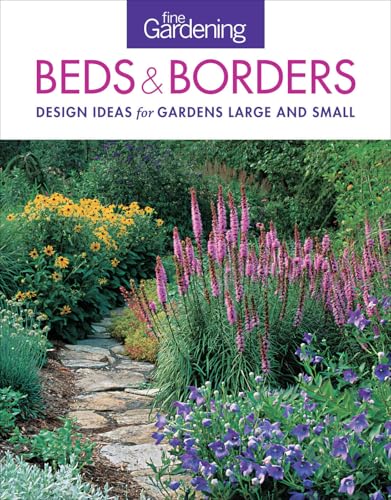
If you’re someone looking to transform your outdoor space, then “Fine Gardening Beds & Borders: Design Ideas for Gardens Large and Small” is a must-have! Published by Taunton Press, this book, with its 224 pages, is packed with practical tips tailored for every gardening level. You’ll discover a wealth of versatile designs suitable for tiny balconies or sprawling backyards, emphasizing stunning results with minimal effort. Plus, you’ll learn to pick plants that provide year-round delight, considering color and texture. Affordable and insightful, you can craft a garden that’ll impress without breaking the bank—who doesn’t want that? (No magic wand required!)
Best For: Those looking to enhance their outdoor spaces with practical gardening solutions, regardless of their skill level.
Pros:
- Versatile designs cater to gardens of all sizes, from small balconies to large yards.
- Budget-friendly strategies allow for professional-quality gardens without high costs.
- Expert plant selection tips provide year-round color and texture for lasting beauty.
Cons:
- Some novice gardeners may find certain concepts overwhelming without prior knowledge.
- The breadth of information could make it difficult to focus on a specific project.
- Limited focus on landscaping beyond planting may not satisfy all outdoor design enthusiasts.
The Elegant and Edible Garden: Design a Dream Kitchen Garden
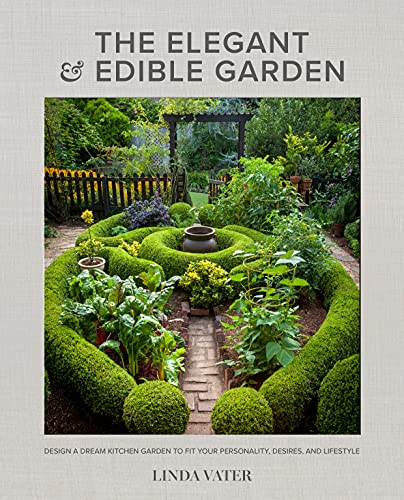
For those who crave a garden that seamlessly blends beauty and functionality, “The Elegant and Edible Garden: Design a Dream Kitchen Garden,” published by Timber Press and featuring a stunning array of 224 pages, stands out as the perfect choice! This book guides you through creating a potager garden, where edible and ornamental plants coexist beautifully, reflecting your personality and lifestyle. With principles like symmetry and rhythm, you’ll design an aesthetically pleasing space that’s practical too. Plus, there are tips on incorporating your family’s needs, making your garden a delightful spot for entertaining. Who wouldn’t want that gorgeous outdoor oasis?
Best For: Garden enthusiasts looking for a harmonious blend of beauty and productivity, ideal for those who want to create a personal oasis in their outdoor space.
Pros:
- Offers detailed design principles that help create an aesthetically pleasing and functional potager garden.
- Provides practical gardening techniques for growing a diverse range of edible and ornamental plants.
- Encourages outdoor living and connection, making gardens a perfect space for entertaining family and friends.
Cons:
- Potentially overwhelming for beginners with limited gardening knowledge or experience.
- Focus on aesthetics may lead to additional maintenance requirements compared to a traditional vegetable garden.
- May not cater to specific regional gardening challenges or limitations.
Bunny Williams: Life in the Garden
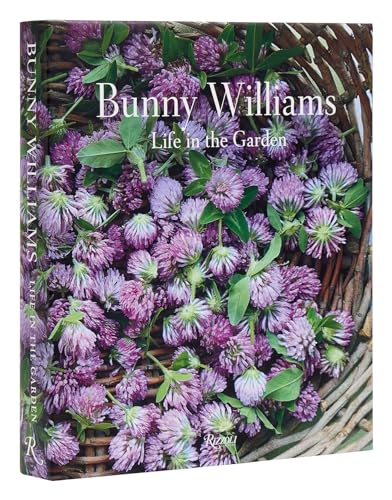
Bunny Williams’ “Life in the Garden” is an absolute gem for anyone who’s passionate about garden design and dreams of transforming their outdoor space into a lush paradise! This stunning book, published by Gibbs Smith, spans 304 pages of enchanting photography, personal anecdotes, and practical advice that’ll inspire you to create your dream garden. From her picturesque parterre garden to a delightful vegetable plot and even a rustic folly, Bunny showcases the beauty of every season. You’ll appreciate her design philosophy of integrating nature both outdoors and indoors. It’s a must-read for aspiring gardeners and seasoned decorators alike!
Best For: Anyone passionate about garden design and those looking to enhance their outdoor spaces with practical advice and inspiration from a renowned expert.
Pros:
- Stunning Visuals: The book features enchanting photography that showcases the beauty of gardens throughout the seasons.
- Personal Anecdotes: Readers will connect with Bunny Williams’ engaging storytelling and personal experiences in gardening.
- Expert Advice: Offers practical tips and design philosophies that are applicable to both novice and experienced gardeners.
Cons:
- Limited Focus on Technical Aspects: May not provide in-depth information on specific gardening techniques or horticulture.
- High Expectations: The exquisite designs and stunning aesthetics presented may be daunting for those with limited gardening experience.
- Price Point: Depending on retail price, it may be considered a higher-end book when compared to other gardening guides.
Martha Stewart’s Gardening Handbook
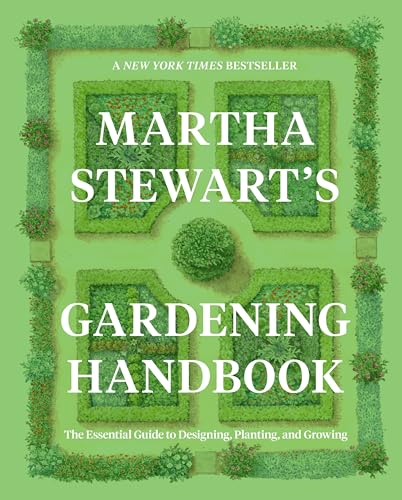
Martha Stewart’s Gardening Handbook stands out as the ultimate choice for anyone looking to cultivate their green thumb, whether you’re a seasoned gardener or just starting out. This all-encompassing guide, published by Clarkson Potter with over 400 pages, covers everything from soil testing to selecting the right plants for your climate! With gorgeous visuals sourced from Martha’s own gardens, you’ll feel inspired as you learn practical design tips and essential gardening concepts. Plus, it breaks down the selection of plant varieties, making it easier to create your dream garden. Get ready to dig in and grow!
Best For: Anyone looking to start or enhance their gardening journey, from novices to experienced gardeners seeking comprehensive knowledge and inspiration.
Pros:
- Comprehensive guide covering essential gardening concepts and techniques.
- Stunning visuals and practical tips sourced from Martha Stewart’s personal gardens.
- Detailed information on plant selection tailored to various climates and regions.
Cons:
- At over 400 pages, it may be overwhelming for absolute beginners.
- Some advanced gardeners might find it covers topics they are already familiar with.
- Availability might be limited depending on location and retailer stock.
Encyclopedia of Landscape Design: Planning Your Outdoor Space

Ready to revamp your outdoor space? The *Encyclopedia of Landscape Design: Planning Your Outdoor Space* is your go-to guide! With detailed insights suitable for all skill levels, this extensive resource walks you through every stage of garden design, from initial assessment to vibrant planting. You’ll adore the quick-reference visual directory that helps you choose the right plants and materials (perfect for when you’re feeling overwhelmed!). Featuring stunning case studies of RHS gold medal-winning landscapes, this 208-page book—packed with beautiful illustrations—gives you the inspiration and tools to create your dream garden. Let’s dig in and transform your yard together!
Best For: Garden enthusiasts of all skill levels who are looking to design and transform their outdoor spaces effectively.
Pros:
- Comprehensive coverage of the entire garden design process, making it easy to follow.
- Includes case studies of RHS gold medal-winning landscapes for added inspiration.
- Beautiful illustrations accompany the text, sparking creative ideas for your garden.
Cons:
- The extensive nature of the book may feel overwhelming for absolute beginners.
- Minimal focus on budget considerations for those looking to design on a tight budget.
- Some advanced techniques may require external resources or tools not covered in the book.
Garden Design Master Class: 100 Lessons on the Art of the Garden

If you’re enthusiastic to plunge into the world of garden design, “Garden Design Master Class: 100 Lessons on the Art of the Garden” is an exceptional choice that’ll spark your creativity! This enchanting compilation features 100 essays from the world’s finest landscape architects and garden designers, exploring everything from sunlight to vegetable gardening. Notable contributors like Nancy Goslee Power and Carolyne Roehm bring expert insights, ensuring you’ll learn the nuances of design principles and styles. The gorgeous photographs paired with each essay beautifully illustrate the concepts, making this a must-have for amateurs and pros alike. Get inspired and dig in!
Best For: Amateurs, students, and professionals seeking inspiration and expert advice in garden design.
Pros:
- Offers insights from 100 leading garden designers and landscape architects.
- Beautifully illustrated with photographs that enhance understanding of design concepts.
- Covers a wide range of topics, from practical gardening techniques to aesthetic principles.
Cons:
- May be too advanced for complete novices without any gardening experience.
- The diverse topics might feel overwhelming for readers looking for specific guidance.
- Limited hands-on activities or step-by-step instructions may leave some readers wanting more practical application.
The Essential Garden Design Workbook: Completely Revised and Expanded
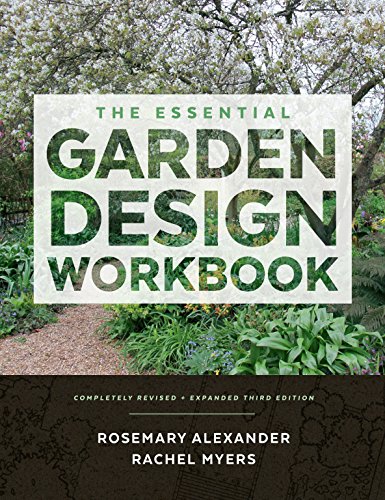
Whether you’re a budding gardener or a seasoned design professional, “The Essential Garden Design Workbook: Completely Revised and Expanded,” published by Timber Press and featuring 272 pages of hands-on guidance, is your go-to companion for crafting stunning outdoor spaces. Authored by the talented Rosemary Alexander and Rachel Myers, this workbook is thoughtfully updated to showcase modern design practices along with new garden plans, photos, and diagrams! You’ll love the profiles of 50 top plants and the invaluable tips on sustainability and business planning. With its clear structure covering every design step, it’s perfect for anyone keen to cultivate their green thumb!
Best For: This workbook is best for gardening enthusiasts, students, and professionals seeking to enhance their outdoor design skills.
Pros:
- Comprehensive coverage of the entire garden design process, making it useful for all skill levels.
- Updated insights and visuals reflect contemporary design practices and trends.
- Includes practical tips on sustainability, diversity, and starting a garden design business.
Cons:
- Some might find the amount of information overwhelming at first glance.
- Limited focus on specific regional gardening challenges or climates.
- May require prior knowledge or interest in gardening design concepts for full appreciation.
How to Design a Garden: Create and Maintain Your Dream Garden

For aspiring gardeners enthusiastic to transform their outdoor spaces into beautiful retreats, “How to Design a Garden: Create and Maintain Your Dream Garden” by Pollyanna Wilkinson offers an invaluable roadmap. With expert strategies from an award-winning designer, you’ll learn to customize your space, whether it’s for lively gatherings or peaceful solitude. The book dives into design fundamentals, covering light, focal points, and plant choices while providing practical guidance on mood boards and layouts. Plus, the month-by-month maintenance tips guarantee your garden thrives for years! Trust me, this 208-page gem is a must-have for turning your garden dreams into reality!
Best For: Aspiring gardeners looking to transform their outdoor spaces into personalized retreats or lively gathering spots.
Pros:
- Comprehensive guidance: Offers expert strategies and fundamental design principles tailored for various garden types.
- Practical resources: Includes month-by-month maintenance tips ensuring long-term care and success of your garden.
- Personalization focus: Encourages customization to reflect individual preferences and lifestyle, enhancing the garden experience.
Cons:
- Lengthy read: At 208 pages, it may be overwhelming for those looking for quick tips.
- Not for beginners: Some design principles may be too advanced for absolute novices without prior gardening knowledge.
- Limited regional advice: The book may not address specific climate considerations for every geographic area, which can impact plant choices.
The Layered Garden: Design Lessons for Year-Round Beauty

If you’re a garden enthusiast enthusiastic to transform your outdoor space into a vibrant, year-round paradise, “The Layered Garden: Design Lessons for Year-Round Beauty,” published by Timber Press, might just become your new best friend! David Culp takes you on a personal tour of Brandywine Cottage’s two acres, showcasing his clever layering techniques. You’ll learn how interplanting various species—like heirloom daffodils and winter hellebores—creates a nonstop parade of color! The book also offers practical guidance, including tips on selecting plants based on seasonal changes and maintaining longevity, culminating in a celebration of the beauty and joy that garden-making brings!
Best For: Garden enthusiasts looking to create a vibrant, year-round garden display with expert design techniques.
Pros:
- Comprehensive Guidance: Provides practical tips on selecting and maintaining a diverse range of plants for all seasons.
- Inspiration from Real Gardens: Features a personal tour of Brandywine Cottage, allowing readers to see layering techniques in action.
- Celebration of Nature: Encourages a deep appreciation for gardening and the beauty it brings to life.
Cons:
- Potentially Overwhelming for Beginners: The layering concept may be complex for novice gardeners to fully grasp and execute.
- Requires Ongoing Maintenance: Achieving year-round beauty demands consistent care and monitoring of plants.
- Region-Specific Plant Choices: Some plant varieties may not be suitable for all geographical locations, limiting applicability.
The Art of Outdoor Living: Gardens for Entertaining Family and Friends

Transforming your outdoor spaces into vibrant areas for entertaining is a thrilling journey you won’t want to miss! “The Art of Outdoor Living: Gardens for Entertaining Family and Friends” is a must-have for design enthusiasts keen to create stylish retreat-like experiences right in their backyards. With stunning tours of 12 unique properties, Scott Shrader, a renowned California designer, beautifully showcases outdoor rooms that merge aesthetic appeal with functionality. You’ll discover elements like private pools and cozy seating near outdoor ovens, while essays on sustainability will inspire thoughtful planning. Discover your perfect entertaining oasis in this 224-page gem!
Best For: Design enthusiasts and homeowners looking to enhance their outdoor spaces for entertaining friends and family.
Pros:
- Inspires creativity with stunning visuals and diverse styles of outdoor gardens.
- Offers practical advice on integrating functionality into outdoor design, making spaces both beautiful and usable.
- Encourages sustainability by highlighting environmentally conscious design elements and seasonal adaptability.
Cons:
- May not suit all budgets, as some design elements may require a considerable investment.
- Limited focus on DIY projects, which beginners might find less accessible compared to professional designs.
- Requires space; those with smaller backyards might struggle to implement the extensive ideas presented.
Factors to Consider When Choosing Garden Design Books

When picking out the perfect garden design book, you’ve gotta contemplate several key factors that really matter. Your skill level should match the book’s content, and it helps to reflect on your design style preferences and the type of plants you want to grow. Plus, don’t forget to assess the practicality of the designs and the quality of visual inspiration—after all, a picture’s worth a thousand words!
Skill Level Suitability
Selecting the right garden design book can remarkably influence your gardening journey, especially since your skill level plays an essential role in that choice. If you’re a beginner, you’ll adore extensive guides like “The Garden Primer” by Barbara Damrosch (608 pages, Workman Publishing)—they break down basics like soil composition and plant selection. For those at intermediate or advanced levels, consider “Garden Design: A Book of Ideas” by Heidi Howcroft and Marianne Majerus (224 pages, Thames & Hudson), which dives into design principles and unique garden styles. Many books clearly label their audience, so you can easily find one that matches your experience. Match the complexity of projects with your current skills, and you’ll cultivate success while enjoying every moment!
Design Style Preferences
Finding the perfect garden design book can feel overwhelming with so many styles and philosophies to choose from, but focusing on your personal design preferences can make the process enjoyable! Consider whether you’re drawn to the elegance of formal gardens, which emphasize symmetry, or the casual charm of informal cottage gardens. Some books, like “Garden Design: A Book of Ideas” by Heidi Howcroft, explore integrating edible plants with ornamental ones, catering to beauty and productivity lovers. Look for literature showcasing diverse landscaping styles, from sustainable practices to sleek modern aesthetics. Renowned designers’ philosophies, featured in various guides, can illuminate your unique style, helping you select a book that truly resonates with your vision! Discovering this will transform your outdoor space!
Plant Selection Guidance
Choosing the right plants can make or break your garden design, and that’s where a great garden design book really shines! Look for books that emphasize climate and hardiness zones, ensuring your selections thrive in your local environment. You’ll appreciate guides that detail how to layer plants, focusing on bloom times and seasonal interest to keep your garden vibrant year-round. Seek out those that recommend color, texture, and size combinations for visual harmony—after all, nobody wants a chaotic patchwork! (Trust me, it won’t be pretty!) Don’t forget the joy of combining ornamental and edible plants for functional beauty! Consider books like “The Flower Gardener’s Bible” by Lewis and Nancy Hill, with 320 pages of rich insights, to get you inspired!
Practicality and Maintenance
While flipping through potential garden design books might feel overwhelming at times, consider how practicality and maintenance factor into your ultimate choice! Look for titles that customize designs to your local climate and soil conditions; successful growth depends on it! Evaluate the maintenance tips presented—some designs might demand more upkeep than you can manage. Books like “The Flower Gardener’s Bible” (Timber Press) offer solid, hands-on advice on seasonal plant care, essential for your garden’s health. Plus, check for budget-friendly solutions and sustainable practices to save you time and money. Greg’s Gardening Guide (Cool Springs Press) excels here! Finding the right balance makes all the difference—you’ll thank yourself later! (Trust me—no one enjoys weeding every weekend!)
Visual Inspiration Quality
As you step into the world of garden design, visual inspiration becomes a powerful tool that guides your creative journey! High-quality books, like “The Garden Primer” by Barbara Damrosch, feature stunning photographs that showcase dazzling plant varieties and seasonal beauties, helping you visualize layouts in your own space. Look for detailed diagrams and practical insights that make spatial planning a breeze. The magic lies in books that pair informative text with evocative images, enhancing your understanding of essential gardening techniques. Not to mention, inspiration from professional gardens and case studies lets you explore diverse styles and approaches. So, grab a book (make it a big one, trust me!), and watch your garden dreams unfold beautifully!
Frequently Asked Questions
What Are the Best Gardening Books for Beginners?
If you’re ready to dig in, “The Vegetable Gardener’s Bible” by Edward C. Smith (320 pages, Storey Publishing) is a must-have! You’ll love how it covers everything from soil preparation to pest control, making gardening a breeze. Another gem is “Garden Primer” by Barbara Damrosch (496 pages, Workman Publishing), packed with practical advice and beautiful illustrations. Both books are like a warm hug for beginners, guiding you step-by-step towards your garden dreams!
How Can I Choose the Right Garden Design Book for My Space?
To choose the right garden design book for your space, consider your garden’s size and your style preferences! Look for titles like “The Garden Primer” by Barbara Damrosch (704 pages, Workman Publishing), which covers everything from layout to plant care. Don’t forget to check the book’s illustrations—vivid pictures spark inspiration! You might enjoy “Garden Design: A Book of Ideas” (Frances Lincoln, 144 pages) for unique, clever layouts. Happy planting, and may your garden flourish!
Are There Digital Versions of These Gardening Books Available?
Absolutely, you’ll find a plethora of digital versions of gardening books available! From eBooks on platforms like Kindle to interactive guides on apps, there’s a world to explore. For instance, “The Garden Primer” by Barbara Damrosch (over 500 pages) is a fantastic resource, and it’s available digitally! Immerse yourself in vibrant images and tips at your fingertips. Just think, cultivating your garden’s beauty has never been more accessible or exciting! Enjoy the journey!
How Do I Know if a Garden Design Book Is Reputable?
You can spot a reputable garden design book by checking the author’s credentials, the publisher’s name, and reviews from trusted gardening sites! Look for well-known publishers like Timber Press, with page counts over 200, and glossy pages featuring stunning visuals. Don’t forget to evaluate the author’s experience—seasoned horticulturists or landscape designers usually deliver practical insights. Plus, reader reviews can reveal helpful tips and highlight standout features you might love (or cringe at!) in a book!
Can These Books Help With Gardening in Small Urban Spaces?
Many gardening books offer brilliant blueprints for small urban spaces. For instance, “The Vertical Garden” by Patrick Blanc (224 pages, Timber Press) showcases stunning ways to utilize vertical space. You’ll discover clever container tips and space-saving solutions that transform tiny balconies into lush retreats! (Seriously, who knew plants could thrive on a 3×3 foot balcony?) So immerse yourself in these designs, and you’ll cultivate that urban paradise you’ve always dreamt of!


