As an Amazon Associate, we earn from qualifying purchases. Some links on this site are affiliate links at no extra cost to you. Our recommendations are based on thorough research and editorial judgment.


10 Must-Read Hip Hop History Books That Every Fan Should Own

If you’re a hip-hop fan, you’ve gotta check out essential reads like “Can’t Stop Won’t Stop” (512 pages, St. Martin’s Press), which dives deep into the genre’s roots. Then there’s “Contact High,” filled with iconic photos that celebrate hip-hop visually! Don’t miss “The Rap Year Book,” packed with fun infographics detailing each year since 1979. Or explore “The History of Gangster Rap” for cultural insights. Stick around, and you’ll discover even more must-have titles!
Key Takeaways
- “Can’t Stop Won’t Stop” offers an engaging narrative tracing hip-hop’s roots and evolution, enriched by interviews with influential figures.
- “The Graphic History of Hip Hop” combines vibrant visuals and storytelling to celebrate hip-hop’s 50th anniversary, making it accessible for all ages.
- “The Rap Year Book” provides a unique analysis of major songs each year since 1979, enhanced by engaging infographics and humor.
- “The History of Gangster Rap” explores the genre’s cultural significance through detailed chapters and interviews with iconic artists like Snoop Dogg and Ice-T.
- “Contact High” showcases a visual history through rare photography and essays, highlighting hip-hop’s artistic evolution for enthusiasts and visual lovers alike.
Can’t Stop Won’t Stop (Young Adult Edition): A Hip-Hop History

You may be interested


If you’re a young adult enthusiastic to dive deep into the roots and evolution of hip-hop culture, “Can’t Stop Won’t Stop (Young Adult Edition)” by Jeff Chang is a fantastic pick! This vibrant adaptation intricately chronicles the rise of hip-hop from its inception to its modern-day impact, making it both informative and engaging. With a compelling narrative and award-winning flair, it’s a treasure trove for anyone eager to understand how hip-hop not only transformed music but also shaped American culture and politics. Featuring original interviews with icons, it immerses you in the voices that defined a generation, revealing the powerful essence of hip-hop!
Best For: Young adults looking to explore the transformative history and cultural significance of hip-hop in an engaging and accessible format.
Pros:
- Engaging storytelling: The adaptation is vibrant and relatable, making complex topics accessible to a younger audience.
- Rich source of information: Features original interviews with influential figures in hip-hop, providing unique insights and perspectives.
- Award-winning narrative: Recognized with the American Book Award, ensuring a high standard of quality and depth.
Cons:
- Specific audience appeal: Primarily targets young adults and may not appeal as much to older readers or those uninterested in hip-hop culture.
- Lengthy content: The comprehensive nature of the book might feel overwhelming for those seeking a quick overview.
- Potential bias: The narrative may reflect the author’s perspective, which could influence the portrayal of certain events and figures.
The Graphic History of Hip Hop
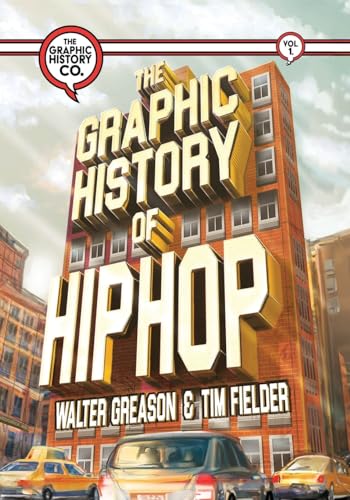

Immerse yourself in “The Graphic History of Hip Hop,” a remarkable graphic novel that’s perfect for anyone curious about the roots and evolution of a musical revolution! Written by Walter Greason and illustrated by Tim Fielder, this book marries music, history, and stunning visuals into an engaging format that captivates readers of all ages. Celebrating the fiftieth anniversary of hip hop, it highlights pivotal moments that changed the world. The blend of storytelling and art creates an unforgettable experience, making it a must-have addition to any fan’s collection. Grab your copy, and plunge into the vibrant universe of hip hop history!
Best For: Anyone interested in the history and evolution of hip hop music, from casual fans to dedicated scholars.
Pros:
- Engaging Format: Combines storytelling with stunning visuals, making history accessible and exciting.
- Comprehensive Coverage: Celebrates pivotal moments in hip hop, providing a deep understanding of the genre’s cultural impact.
- Appeals to All Ages: Suitable for a wide range of readers, from kids to adults, enhancing its reach and significance.
Cons:
- Niche Audience: May not appeal to those uninterested in hip hop or graphic novels.
- Lengthy Read: As a graphic novel, it may take longer to read compared to traditional books or articles.
- Subjectivity in Content: Interpretations of hip hop history may reflect the creators’ perspectives, which might not align with everyone’s views.
Contact High: A Visual History of Hip-Hop
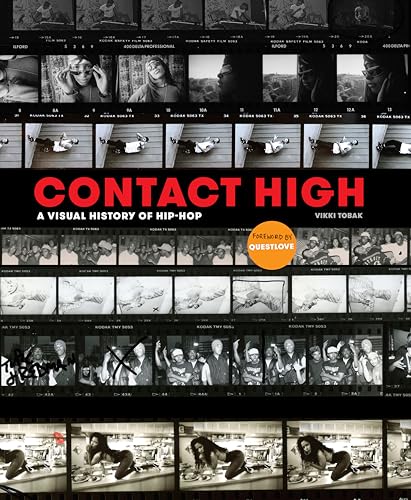
For anyone passionate about hip-hop culture or photography, “Contact High: A Visual History of Hip-Hop” is an absolute must-have! This stunning collection, one of Amazon’s Best Art & Photography Books of 2018, offers a unique glimpse into the lives of hip-hop photographers through their contact sheets. You’ll discover rare outtakes from over 100 photoshoots along with insightful essays from industry legends like RZA and DJ Premier. This visually-rich book chronicles hip-hop’s evolution, celebrating iconic album covers and the vibrant artistry behind them. If you’re keen to dive deeper into this cultural phenomenon, grab a copy—your coffee table will thank you!
Best For: This book is best for music and photography enthusiasts who are passionate about exploring the history and visual representation of hip-hop culture.
Pros:
- Features rare outtakes and contact sheets from over 100 significant hip-hop photoshoots.
- Includes insightful essays and interviews with legendary figures in the industry, providing depth and context.
- Celebrates the evolution of hip-hop and its visual artistry, making it a comprehensive resource for fans.
Cons:
- The focus on photography may not appeal to readers primarily interested in hip-hop music or culture without a visual element.
- Some readers may find the format of contact sheets less engaging than a traditional narrative or photo book.
- Limited appeal for those unfamiliar with hip-hop history or photography, as it assumes a certain level of background knowledge.
The Rap Year Book

Among the best choices for anyone looking to dive deep into hip hop culture is “The Rap Year Book,” published by McSweeney’s and weighing in at a hefty 288 pages. This book takes you on a fascinating journey through rap history, discussing the most significant song from each year since 1979! With year-by-year analyses, it explores legendary tracks, famous feuds, and the struggles artists face, giving you a thorough understanding of the genre’s evolution. Plus, the engaging infographics and humorous footnotes add a delightful touch—who doesn’t love a good laugh? You’ll definitely want this New York Times Best Seller on your shelf!
Best For: Anyone interested in exploring the history and cultural significance of hip hop music through an engaging and informative format.
Pros:
- Explores the evolution of rap through a year-by-year analysis of influential songs.
- Features engaging visuals, including infographics and artist portraits, enhancing the reading experience.
- Received critical acclaim, being a New York Times Best Seller and recognized by Billboard as one of the greatest music books.
Cons:
- The focus on specific songs may leave out other important tracks and artists from the same years.
- Some readers may find the humor and footnotes distracting from the main content.
- The documentary adaptation may not capture the same depth and detail as the book.
The History of Gangster Rap: From Schoolly D to Kendrick Lamar
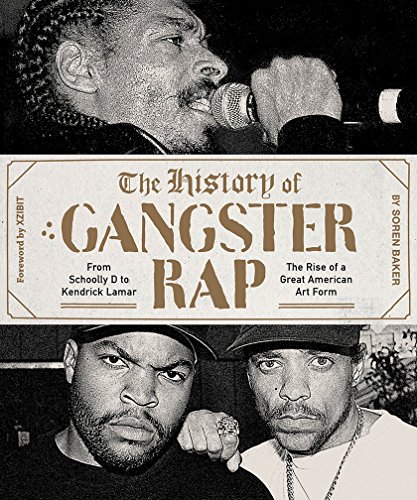
If you’ve ever wanted to immerse yourself in the gritty world of gangster rap and understand its cultural significance, Soren Baker’s *The History of Gangster Rap* is a must-read! This detailed exploration, published by Insight Editions, spans 288 pages packed with sixteen carefully structured chapters that chronologically unravel the evolution of the genre. You’ll gain insights from interviews with legendary figures like Snoop Dogg and Ice-T! Plus, the book features helpful sidebars and breakout bios that enhance your understanding of key players and events—like the infamous Tupac and Biggie conspiracies! Trust me, you won’t want to miss this essential read!
Best For: Those interested in the cultural significance and historical evolution of gangster rap, from its origins to contemporary artists.
Pros:
- In-depth Exploration: Provides a comprehensive understanding of gangster rap’s impact on pop culture and society.
- Firsthand Accounts: Features interviews with iconic artists, offering unique perspectives on the genre.
- Supplementary Materials: Includes sidebars and breakout bios that enhance engagement and understanding of key figures and events.
Cons:
- Niche Subject Matter: May appeal primarily to fans of hip-hop and gangster rap, limiting its audience.
- Lengthy Read: At 288 pages, it may be more than what casual readers are looking for.
- Potential Bias: As with any historical narrative, there may be perceived biases in how certain events or individuals are portrayed.
The Come Up: An Oral History of the Rise of Hip-Hop

Hip-hop aficionados and history buffs alike will find “The Come Up: An Oral History of the Rise of Hip-Hop” by Jonathan Abrams to be an indispensable gem! Clocking in at around 352 pages, this compelling account documents hip-hop’s journey from Bronx playgrounds in 1973 to a cultural powerhouse. Through over 300 interviews with icons like Ice Cube and DMC, Abrams weaves stories that bring the genre’s evolution to life. You’ll uncover hip-hop’s impact on fashion, language, and youth culture in America, all while enjoying vivid storytelling. This book’s recognition from outlets like The Guardian only proves it’s a must-read for any fan!
Best For: Hip-hop enthusiasts, history buffs, and cultural scholars looking to explore the genre’s influential evolution.
Pros:
- Offers in-depth insights through over 300 interviews with key figures in hip-hop.
- Provides a comprehensive narrative detailing hip-hop’s cultural impact and significance.
- Recognized as one of the best books of the year, underscoring its quality and relevance.
Cons:
- At 352 pages, some readers may find it a lengthy read.
- The focus on oral histories may not appeal to those who prefer traditional narrative styles.
- Limited scope on contemporary developments in hip-hop beyond its historical origins.
Hip-Hop Is History

For music lovers and hip-hop enthusiasts alike, Questlove’s “Hip-Hop Is History” is an essential journey through the genre’s vibrant past, as it captures both personal anecdotes and cultural milestones with a remarkable blend of passion and expertise. This 448-page gem, published by Amistad, chronicles the first fifty years of hip-hop through Questlove’s unique lens—his own upbringing in a musical Philadelphia household. You’ll savor tales of late-night jam sessions and lesser-known tracks that have shaped the culture. Questlove’s enthusiastic storytelling, combined with his experience as a participant in hip-hop, makes this book a thrilling and enlightening read for any fan!
Best For: Hip-hop enthusiasts and music lovers seeking an in-depth exploration of the genre’s history through a personal lens.
Pros:
- Offers a unique personal perspective from Questlove, enhancing the narrative with intimate stories.
- Combines lesser-known tracks with major hits, providing a comprehensive view of hip-hop’s evolution.
- Engaging storytelling that captivates readers and illuminates the cultural impact of hip-hop.
Cons:
- The book’s length (448 pages) may be daunting for some readers.
- Could be overly detailed for casual fans not familiar with hip-hop’s extensive history.
- Focuses primarily on Questlove’s personal experiences, which may not resonate with all readers’ experiences or backgrounds.
The History of Hip Hop
Whether you’re a music enthusiast, aspiring artist, or simply curious about cultural movements, “Hip Hop History Books” is your go-to choice for exploring this dynamic genre. These reads chronicle hip hop’s fascinating journey from 1970s NYC boombox battles to its rise as a multi-billion-dollar industry, underscoring essential elements like MCs, DJs, and iconic fashion. You’ll discover how rivalries fueled innovation and shaped subcultures, plus witness hip hop’s evolution over decades packed with milestones. Plunge into the pages of books like “Can’t Stop Won’t Stop” (276 pages) or “The Hip Hop Wars” (250 pages) and celebrate this transformative cultural force!
Best For: Individuals interested in understanding the evolution and cultural significance of hip hop music and its influence on society.
Pros:
- Comprehensive Coverage: Offers a detailed exploration of hip hop’s history, key elements, and milestones.
- Cultural Insight: Provides an understanding of the societal impact and underground scenes that shaped the genre.
- Engaging Reads: Features popular titles that draw readers in with captivating narratives and stories.
Cons:
- Niche Focus: May not appeal to those who are not particularly interested in hip hop or music culture.
- Lengthy Texts: Some readers might find the page counts overwhelming or time-consuming.
- Potential Bias: Personal anecdotes and perspectives may influence the portrayal of hip hop history.
Hip Hop at the End of the World: The Photography of Brother Ernie
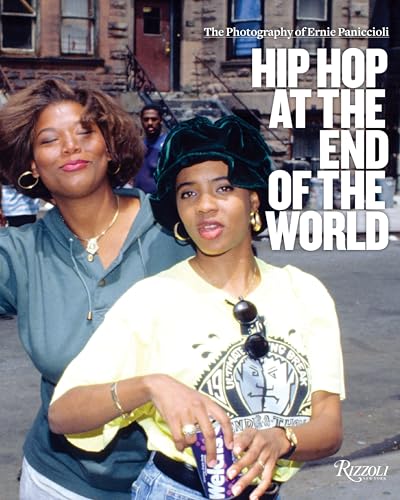
If you’re a hip-hop aficionado or just someone keen to plunge into the culture and history surrounding it, “Hip Hop at the End of the World: The Photography of Brother Ernie” is a must-have! This stunning collection features over 250 vibrant images of legends like Ice Cube, The Notorious B.I.G., and Snoop Dogg, chronicling hip-hop’s evolution. Renowned photographer Ernest Paniccioli, known as Brother Ernie, offers a curated selection from his archives, accompanied by personal anecdotes that enhance each story. With rare, unpublished shots, this book serves as an essential, stunning snapshot of a significant era in hip-hop. Don’t miss it!
Best For: Hip-hop enthusiasts, photographers, and anyone interested in the cultural history of music.
Pros:
- Extensive Collection: Features over 250 images of iconic hip-hop artists, providing a comprehensive visual history.
- Personal Touch: Accompanied by anecdotes from Brother Ernie, which deepen the connection to each photograph.
- Rare Content: Includes rare and unpublished images, making it a unique addition to any collection.
Cons:
- Niche Appeal: Primarily targets a specific audience, which may limit its broad market reach.
- Physical Format: As a printed book, it may not appeal to those who prefer digital formats for photography.
- Price Point: The cost may be higher than standard photography books, possibly deterring some potential buyers.
Hip-Hop: A Cultural Odyssey
Sale


Hip-Hop: A Cultural Odyssey
- INTRIGUING READ: The Bad Boy Unisex A Cultural Odyssey Coffee Table Rap & Hip-Hop Biography Textbook offers an in-depth look at hip-hop culture. It features 420 pages of...
- LEATHER BOUND: This solid casual leather-bound hardcover book is durable and aesthetically pleasing, making it a great addition to any book collection or coffee table...
- EMBOSSED TITLE: The book features an embossed title on the front, adding a touch of elegance and sophistication. It measures 18 1/4" x 13" x 2", a perfect size for...
Immerse yourself in the vibrant world of Hip-Hop with “Hip-Hop: A Cultural Odyssey,” an incredible 420-page leather-bound coffee-table book that shines as a must-have for fans spanning all generations! This stunning volume features hundreds of poster-sized photographs, capturing the essence of Hip-Hop culture, alongside exclusive testimonials from legends like DJs, MCs, and graffiti artists. You’ll read insightful essays and profiles from notable contributors including Gabriel Alvarez and Ayana Byrd, exploring the profound impact of 40 influential icons. With lists of the top 100 singles and fierce images, this book is both an educational tool and a visual feast! Don’t miss it!
Best For: Hip-Hop enthusiasts of all ages looking to deepen their understanding and appreciation of the genre’s cultural impact.
Pros:
- Visually Stunning: Features hundreds of striking photographs and unique portraits that vividly capture Hip-Hop culture.
- Comprehensive Content: Includes over 250 essays, profiles, and testimonials from respected figures in the Hip-Hop community, providing rich insights into its history and evolution.
- Ultimate Resource: Offers extensive lists of the top 100 singles and albums from each decade, making it an essential guide for fans and newcomers alike.
Cons:
- Price Point: As a leather-bound coffee-table book, it may be considered expensive for some consumers.
- Heavy Weight: With 420 pages, it is quite heavy and may not be convenient for on-the-go reading.
- Limited Audience Appeal: While it appeals to Hip-Hop fans, those outside the genre may not find it as engaging or relevant.
Factors to Consider When Choosing Hip Hop History Books

When you’re picking a hip hop history book, you’ve got to evaluate who it’s for, the depth of the content, and the author’s credibility. Don’t overlook visuals; a well-designed layout can enhance your experience, making the rich cultural context come alive! Plus, checking the book’s relevance and impact on the genre can lead you to some truly exceptional titles, so let’s explore these factors together!
Target Audience Considerations
Choosing the right hip hop history book can feel like finding a needle in a haystack—especially with so many incredible options available! When you’re picking, think about the target audience. For example, Jeff Chang’s “Can’t Stop Won’t Stop” (320 pages, published by St. Martin’s Press) is perfect for young adults! If you love visuals, “Contact High” dives into the photography of hip hop culture, focusing on stunning imagery. Conversely, “The Come Up” offers gripping oral histories with various artists’ perspectives. And don’t miss “The Graphic History of Hip Hop”; it combines artistic storytelling with compelling details, making learning a blast! Ultimately, consider whether cultural impact, personal anecdotes, or technical insights resonate most with your hip hop journey!
Content Depth and Insights
How do you decide which hip hop history book will truly enrich your understanding of the genre? Seek titles that dive deep into hip-hop’s origins, tracing its evolution from Bronx block parties in the ’70s to a global sensation. Look for works featuring interviews with iconic artists, offering diverse perspectives that highlight hip-hop’s cultural significance. Books like “Can’t Stop Won’t Stop” by Jeff Chang (384 pages, St. Martin’s Press) discuss pivotal events and innovations, like sampling techniques and rivalries, that define the sound. Assess how well each book contextualizes hip-hop within socio-political movements and youth culture. And remember, books combining narrative with visuals, like photographs, can enhance your appreciation of hip-hop’s unique aesthetic!
Visual Elements and Design
Visual elements really bring hip-hop history books to life, making them a joy to explore! Books like “Hip Hop Family Tree” (Uncivilized Books, 360 pages) feature iconic photography and illustrations that vividly capture hip-hop’s evolution. You’ll find eye-catching graphic art enhancing compelling narratives, making them truly engaging. Look for unique layouts, such as infographics or posters that summarize key events and figures visually. A strong use of firsthand imagery, including rare photographs, will deepen your understanding of pivotal moments in hip-hop. High-quality presentations, often featuring contributions from renowned photographers and artists, greatly enhance the overall appeal of these books. So, get excited to plunge into these visual masterpieces! You won’t regret keeping them on your shelf!
Author’s Background and Credibility
While diving into the world of hip-hop history books, you’ll want to pay close attention to the author’s background and credibility, as these factors can greatly influence the narrative you’re about to explore. Authors with personal hip-hop experiences often provide unique insights, boosting the book’s authenticity! Look for renowned writers—like Jeff Chang or Nelson George—whose accolades speak volumes about their expertise. If a scholar investigates hip-hop’s cultural nuances, that often leads to a richer analysis (think musicology or cultural studies backgrounds). Plus, authors who interview key figures add depth to their perspectives, and a diverse range of voices in a book reveals a thorough understanding of hip-hop’s evolution and cultural significance! Trust me, you’ll thank yourself later!
Cultural Impact and Relevance
To truly appreciate the cultural impact and relevance of hip-hop history books, it’s essential to select ones that capture the genre’s astounding influence on society, identity, and art over the decades! Look for titles like “The Hip Hop Wars” by Tricia Rose (360 pages, Basic Books), which dives into hip-hop’s role in societal change, or “Can’t Stop Won’t Stop” by Jeff Chang (512 pages, St. Martin’s Press), exploring the cultural roots of the genre. These books not only tell compelling stories but also highlight hip-hop’s connection to race, fashion, and language. Each page beautifully showcases the ingenuity of urban youth culture, providing a keen lens into their experiences! So, stock your shelves with titles that resonate deeply and reflect hip-hop’s global impact!
Frequently Asked Questions
What Are the Essential Themes in Hip Hop History Literature?
Essential themes in hip hop history literature include identity, resistance, and community. You’ll explore how artists express their backgrounds while confronting societal issues (and sometimes cracking a joke or two). Works like “Can’t Stop Won’t Stop” by Jeff Chang (page count: 368) delve into the cultural impacts, while Karyn B. Smith’s “The Hip Hop Wars” (292 pages) examines the genre’s debates and controversies. These reads will leave you inspired and craving even more knowledge!
How Do These Books Differ From Traditional Hip-Hop Biographies?
These books dive deeper than traditional hip-hop biographies, offering rich insights into culture, politics, and social movements. For instance, “Can’t Stop Won’t Stop” (Picador, 2005, 464 pages) blends history with personal stories, creating a tapestry that’s lively and engaging! Readers explore the roots of hip-hop, while savoring a narrative full of unique voices. It’s like flipping through a history book that grooves—making you think and feel! You won’t regret this journey!
Are There Specific Genres of Hip Hop Covered in These Books?
These books delve into various hip hop genres, from East Coast boom-bap to Southern trap, offering a well-rounded picture of the scene. Check out “The Beastie Boys Book,” published by Spiegel & Grau, with 592 pages packed full of anecdotes and interviews, plus stunning visuals! Or grab “Hip Hop Revolution” by Jeffrey Ogbonna, showcasing the genre’s cultural impact. You’ll discover not just musical stories, but a rich tapestry of influences and styles!
Can I Find Hip Hop History Books Suitable for Younger Audiences?
Absolutely, you can find hip hop history books perfect for younger audiences! Check out “Hip Hop Speaks to Children” by Nikki Giovanni (published by HarperCollins, 44 pages). It’s packed with vibrant illustrations and engaging poetry that celebrates hip hop culture! Another great choice is “The Boy Who Cried Ninja,” a fun story infused with rhymes—ideal for ages 7-12 (published by Scholastic, 32 pages). These books make history lively and relatable, fostering curiosity and connection!
What Formats Are Available for These Hip Hop History Books?
You can find hip hop history books in various formats to suit your reading style! Check out hardcovers for that sturdy, collector’s feel—like “The Hip Hop Wars” by Tricia Rose, spanning 384 pages, published by Basic Books! E-books offer convenience; try “The Beastie Boys Book,” perfect on-the-go! Plus, audiobooks like “Decoded” by Jay-Z let you vibe to hip hop history while multitasking (who knew learning could be this fun?). Get exploring!


