As an Amazon Associate, we earn from qualifying purchases. Some links on this site are affiliate links at no extra cost to you. Our recommendations are based on thorough research and editorial judgment.

10 Best Historical Architecture Books You Need on Your Shelf

If you’re keen to explore the fascinating domain of architecture, you can’t miss these ten historical gems! Start with “Architectural Digest at 100” (Abrams, 400 pages)—a stunning visual collection, then check out “A Field Guide to American Houses” (Knopf, revised), packed with over 600 photographs. Each book offers unique insights, whether it’s legendary cathedrals in “Cathedrals: Masterpieces of Architecture” or global masterpieces in “World Architecture: The Masterworks.” Stick around; there’s even more to uncover!
Key Takeaways
- “Cathedrals: Masterpieces of Architecture” offers insights into iconic cathedrals, celebrating architectural gems with detailed narratives and stunning visuals.
- “The Building of England” explores the evolution of English architecture through rich illustrations and cultural insights, appealing to history and architecture enthusiasts.
- “Seeking New York” provides narratives behind Manhattan’s architectural history, blending visual content and storytelling for a captivating experience.
- “Architecture: The Definitive Visual Guide” covers global architectural developments over 6,000 years, combining engaging visuals with informative content.
- “Knowledge Encyclopedia: Art & Architecture for Children” educates young readers about famous landmarks with well-labelled images and fun facts to inspire curiosity.
Architectural Digest at 100: A Century of Style


You may be interested


If you’re a design enthusiast or simply someone who loves to peek inside the homes of celebrities, “Architectural Digest at 100: A Century of Style” is an absolute must-have for your bookshelf! This 400-page coffee table book, published by Abrams, features stunning visuals that showcase American life and design over the past century. With an introduction by Amy Astley and a foreword by Anna Wintour, you’ll explore the personal spaces of icons like Barack Obama and David Bowie. The work of legendary designers like Frank Lloyd Wright enriches the narrative, making it a delightful journey for anyone passionate about style!
Best For: Design enthusiasts and fans of celebrity homes looking for inspiration and a visual history of American design.
Pros:
- Beautifully curated visuals showcasing a century of American architecture and design.
- Features insights from renowned designers and architects that enhance the understanding of style evolution.
- Includes personal spaces of celebrities, making it a fascinating read for fans and home décor enthusiasts alike.
Cons:
- The price point may be higher than typical coffee table books, potentially limiting access for some readers.
- 400 pages might be overwhelming for those looking for a quick read or summary.
- Focuses almost exclusively on American design, which may not appeal to those interested in global design trends.
Knowledge Encyclopedia: Art & Architecture for Children

The “Knowledge Encyclopedia: Art & Architecture for Children” is an absolute gem for young readers enthusiastic to explore the fascinating world of creative structures and masterpieces! Published by DK, this vibrant 224-page encyclopedia dives into awe-inspiring landmarks like the Eiffel Tower and Big Ben, while unpacking Renaissance motifs and Leonardo da Vinci’s artistry. Its well-labelled images and extensive glossary make it easy to grasp complex concepts, turning learning into an adventure. Plus, its “Isn’t It Amazing” section is packed with fun facts that’ll ignite your curiosity! It’s perfect for gifting or enriching school libraries—every budding artist and architect will love it!
Best For: Young readers eager to explore the world of art and architecture through engaging and educational content.
Pros:
- Engaging visuals: The encyclopedia includes well-labelled images that enhance understanding of complex concepts.
- Inspiring content: Features fascinating landmarks and masterpieces that captivate children’s imaginations and encourage exploration.
- Educational resources: Contains an extensive glossary and fun facts to facilitate learning and make the process enjoyable.
Cons:
- Limited depth: Some topics may be oversimplified for older or more advanced readers seeking in-depth knowledge.
- Target audience: Primarily designed for children, which may not appeal to adults looking for comprehensive art and architecture resources.
- Physical format: As a print encyclopedia, it lacks the interactivity and multimedia features found in digital resources.
Cathedrals: Masterpieces of Architecture

For anyone captivated by the splendor of cathedrals and enthusiastic to explore their architectural brilliance, “Cathedrals: Masterpieces of Architecture” by Simon Jenkins is an outstanding choice! This beautifully illustrated volume, published by Penguin Books, spans about 400 pages and elegantly combines insightful commentary with personal reflections. Jenkins showcases iconic structures like St. Paul’s and the Duomo in Florence, while also uncovering lesser-known gems. He vividly narrates tales of the artisans and patrons who brought these masterpieces to life, making it an engaging read. With hundreds visiting these cultural treasures annually, this book not only enlightens but also inspires!
Best For: Anyone interested in history, art, and architecture who wants to deepen their understanding of cathedrals and their cultural significance.
Pros:
- Provides insightful commentary and personal reflections, making history accessible.
- Showcases a blend of iconic and lesser-known cathedrals, celebrating architectural diversity.
- Engaging narratives about artisans and patrons enhance the reading experience.
Cons:
- The extensive focus on architecture may not appeal to readers solely interested in other historical themes.
- The book’s length may be overwhelming for those looking for a quick overview.
- Some may find the emphasis on personal reflections detracts from the more academic aspects of cathedral history.
World Architecture: The Masterworks
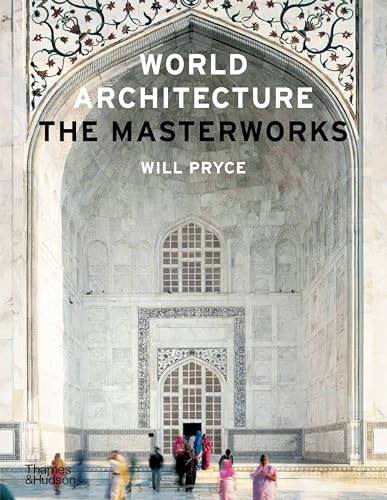
Looking to discover the breathtaking domains of architecture while deepening your understanding of historical contexts? “World Architecture: The Masterworks” by Will Pryce is the perfect guide! This beautifully crafted book features 357 stunning full-color photographs, showcasing masterpieces like the Taj Mahal and Gehry’s Guggenheim Museum in Bilbao. With detailed texts accompanying each image, you’ll grasp not only the brilliance of these structures but also their evolution over two thousand years. Covering eighty remarkable buildings, it’s like having an architectural world tour right on your shelf! This compelling work makes history come alive, and trust me, you won’t want to miss it!
Best For: Architecture enthusiasts and students seeking an in-depth understanding of historical masterpieces and their contexts.
Pros:
- Comprehensive Coverage: Features eighty remarkable buildings and over forty in-depth analyses, offering a thorough exploration of architectural history.
- Stunning Visuals: Contains 357 full-color photographs that vividly showcase the beauty of each featured structure.
- Educational Insights: Accompanying texts provide valuable context, enhancing the reader’s appreciation of architectural evolution over two thousand years.
Cons:
- Large Format: The book’s size may make it less portable for casual reading or travel.
- Potential Cost: Being a high-quality, comprehensive work, it may be pricier than standard architecture books.
- Limited Interactivity: As a traditional book, it lacks interactive elements that could enhance the learning experience, such as videos or 3D views.
A Field Guide to American Houses (Revised)

If you’re a history buff or simply someone fascinated by domestic design, “A Field Guide to American Houses (Revised),” published by Knopf in its second edition, absolutely deserves a spot on your shelf! This thorough guide, first published in 1984, is now packed with new sections on neighborhoods and expanded categories of house styles, complete with over 600 fresh photographs and illustrations that vividly enhance your understanding. The appendix on approaches to construction in the 20th and 21st centuries adds depth, while the expanded bibliography encourages further exploration. Trust me, you won’t want to miss out on this essential resource!
Best For: History enthusiasts, architecture students, and homeowners seeking to deepen their understanding of American domestic design.
Pros:
- Comprehensive coverage of house styles across America, making it an essential resource for identification and understanding.
- Updated visual elements, including 600 new photographs and illustrations, enhance the learning experience.
- Supplementary resources like an appendix on modern construction approaches and an expanded bibliography for further reading.
Cons:
- The extensive detail and breadth of information may be overwhelming for casual readers.
- Some readers might find the focus on American houses limiting if they are interested in international architecture.
- The book’s size and format may make it less portable for those who want to reference it on-site during house tours or explorations.
Castles, Palaces & Stately Homes: Illustrated Guide to Great Britain and Northern Ireland
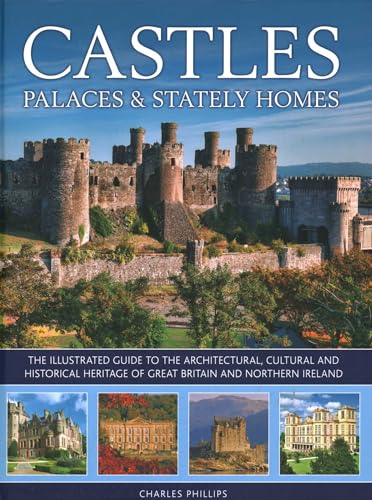
Immerse yourself in “Castles, Palaces & Stately Homes: The Illustrated Guide to Great Britain and Northern Ireland,” and you’ll discover a treasure trove that’s perfect for history buffs and architecture enthusiasts alike! This sumptuous guide by Charles Phillips, featuring insights from Professor Richard G. Wilson, showcases Britain’s architectural heritage with detailed explorations of iconic sites like Windsor Castle, Blenheim Palace, and the magnificent World Heritage Sites of Edward I’s castles. The book’s lush illustrations breathe life into its pages, enriching your understanding of styles and notable architects, ensuring you won’t just read—it’ll feel like a journey through time!
Best For: This book is best for history buffs and architecture enthusiasts who wish to explore the rich heritage of Britain’s castles, palaces, and stately homes.
Pros:
- Sumptuously illustrated, enhancing the reader’s experience with visual representations of architectural sites.
- Comprehensive coverage of significant historical buildings, providing detailed accounts that cater to deep exploration.
- Insights from reputable authors with expertise in British history and architecture, ensuring authoritative and informed content.
Cons:
- May be overwhelming for casual readers who are not particularly interested in intricate architectural details.
- The focus on prominent sites may leave out lesser-known but equally interesting structures.
- The depth of historical context might be less engaging for those seeking a quick overview rather than a detailed narrative.
Illustrated Dictionary of Historic Architecture (Dover Architecture)

For anyone passionate about architecture—whether you’re a seasoned architect, an enthusiastic student, or a curious enthusiast—the “Illustrated Dictionary of Historic Architecture” by Cyril M. Harris is a must-have! This thorough guide features over 5,000 essential terms and more than 2,000 stunning line drawings that illustrate various architectural styles! You’ll find everything from ancient ruins to twentieth-century Modernism and engaging details on Greek, Gothic, Renaissance, and Asian influences. It serves as an invaluable research tool, expertly emphasizing clarity and accuracy. Perfect for architects, historians, and anyone who appreciates beautiful buildings, this book is sure to enrich your architectural vocabulary!
Best For: Architects, students, historians, and architecture enthusiasts seeking a comprehensive guide to historic architectural terminology and styles.
Pros:
- Provides over 5,000 essential architectural terms, making it a thorough reference for professionals and students alike.
- Features more than 2,000 illustrative line drawings that enhance understanding of architectural styles and details.
- Covers a wide range of historical periods, from ancient ruins to modern architecture, appealing to diverse interests.
Cons:
- May be overwhelming for casual readers due to its extensive number of terms and complex topics.
- The focus on illustrations might not fully satisfy those looking for detailed text-based explanations.
- As a printed resource, it lacks the interactive elements that digital platforms may offer, such as multimedia content.
The Building of England: How History Shaped Our Buildings
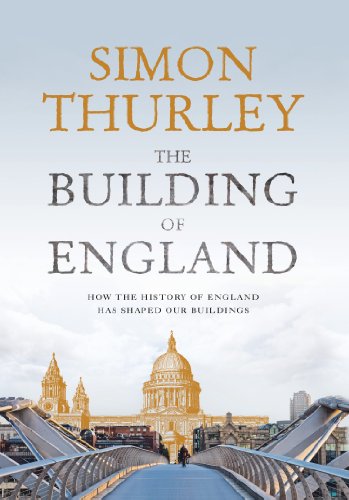
When exploring England’s architectural legacy, “The Building of England: How History Shaped Our Buildings” by Simon Thurley offers a fascinating journey for enthusiasts of history and design alike! This incredible book (with a hefty 436 pages, published by HarperCollins) investigates England’s rich architectural evolution over a millennium, covering styles from Saxon to modern times. With over 500 stunning illustrations, including photographs and maps, it brings history to life in a way that’ll captivate you (and might even make you want to grab a hard hat!). Thurley’s insights on cultural significance challenge you to think about what tomorrow’s architecture might hold!
Best For: Architecture enthusiasts, history buffs, and anyone interested in understanding how England’s past has shaped its built environment.
Pros:
- Rich illustrations: Over 500 drawings, photographs, and maps enhance the narrative, making it visually appealing and informative.
- Comprehensive coverage: Provides a thorough exploration of architectural evolution across a millennium, covering various significant styles.
- Cultural insights: Offers a deep understanding of how architecture reflects the beliefs, ideas, and aspirations of different eras in England’s history.
Cons:
- Lengthy read: At 436 pages, it may be overwhelming for casual readers or those seeking a brief overview.
- Niche focus: Primarily appeals to those specifically interested in architecture or English history, which may limit its audience.
- Potentially dense content: The historical context and architectural terminology might be challenging for readers without a background in these areas.
Architecture: The Definitive Visual Guide

If you’re a history buff or an architecture enthusiast keen to explore the evolution of our built environment, “Architecture: The Definitive Visual Guide” is a treasure trove just for you! This fantastic book spans over 6,000 years, showcasing global architectural developments, intriguing materials, and the social changes that influenced design. With stunning photography and commissioned CGI artworks, the visuals alone are breathtaking! Plus, it dives into innovative practices, like green architecture, while profiling significant architects in a detailed 56-page reference section. Published in association with the Smithsonian Institution, this guide is perfect for your shelf (you won’t regret it)!
Best For: Architecture enthusiasts and history buffs looking to deepen their understanding of the built environment across centuries and cultures.
Pros:
- Combines stunning visuals with detailed information, making it engaging and easy to understand.
- Offers insights into current architectural trends and innovations, including sustainable practices.
- Features a comprehensive reference section profiling key architects and iconic buildings.
Cons:
- May be overwhelming for casual readers due to the extensive historical coverage and technical details.
- The focus on global architecture might not delve deeply into local styles for specific regions.
- Limited interactivity as it is primarily a visual guide without accompanying multimedia resources.
Seeking New York: The Stories Behind Manhattan’s Historic Architecture
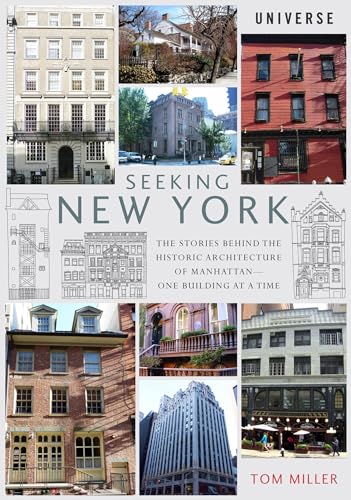
Plunge into “Seeking New York: The Stories Behind Manhattan’s Historic Architecture,” and you’ll find it’s an incredible treasure for anyone who loves a mix of history, architecture, and compelling narratives! Published by Princeton Architectural Press, this beautifully illustrated guide, featuring 224 richly detailed pages of line drawings and photographs, chronicles Manhattan’s architectural evolution through individual buildings. You’ll uncover tales of iconic structures like the Waldorf Astoria and explore the deeper social transformations that shaped the city. Author Tom Miller’s engaging style weaves personal stories and scandals into these brick-and-mortar tales, sparking your curiosity about the city’s fascinating past!
Best For: Those with a passion for history and architecture who seek a deeper understanding of Manhattan’s unique built environment.
Pros:
- Richly Illustrated: The book features beautiful line drawings and photographs, enhancing the reading experience.
- Engaging Narratives: Tom Miller’s storytelling blends architectural details with personal stories and scandals, making the history more relatable.
- Comprehensive Coverage: It includes both iconic buildings and lesser-known structures, providing a well-rounded view of Manhattan’s architectural landscape.
Cons:
- Lengthy Read: With 224 pages, it may be more in-depth than some casual readers prefer.
- Niche Appeal: The focus on architecture and history may not attract those uninterested in these topics.
- Limited to Manhattan: The guide does not cover other parts of New York City or the broader architectural context beyond Manhattan.
Factors to Consider When Choosing Historical Architecture Books

When you’re picking out historical architecture books, you should definitely consider the author’s expertise and authority, as well as the visual presentation quality that grabs your attention! Think about how relevant the subject matter is to your interests and whether the content provides enough depth and clarity to engage you fully. Ultimately, don’t forget to gauge if the book’s style matches your reading preferences—after all, you want it to be enjoyable, not just informative!
Author Expertise and Authority
Choosing historical architecture books can feel overwhelming, especially with so many options out there, but focusing on the author’s expertise can help narrow your choices! Look for authors with strong academic backgrounds, like those with degrees from esteemed institutions, and a track record of successful publications in historical architecture. It’s exciting to see historians who’ve personally explored the sites they write about, as this lends authenticity and a rich perspective to their storytelling. Plus, accolades or awards can indicate their respect among peers. Take note of how well they balance accuracy with engaging narratives—this blend enhances your understanding and appreciation. Books like “A History of Architecture” by Banham or “Understanding Architecture” by Frampton often showcase such expertise and authority!
Visual Presentation Quality
Visual presentation quality plays an essential role in your exploration of historical architecture books, bringing the fascinating intricacies of buildings to life! Look for titles featuring stunning photographs and illustrations, which highlight architectural details and styles—like “The Architecture of Happiness” by Alain de Botton. Combine these visuals with CGI artworks for an enthralling experience that does justice to iconic buildings. You’ll appreciate clever uses of line drawings and maps that clarify complex concepts while giving historical context to your reading journey (plus, they’re easier to follow!). An abundance of visual references, such as color photographs and cutaway views, enhances your understanding, making you more engaged and retaining the rich narratives behind historical architecture. Happy reading!
Subject Matter Relevance
If you’re keen on diving deep into the world of historical architecture, it’s essential to contemplate a few key factors that can make or break your reading experience! First, think about the architectural styles or periods that excite you—whether it’s Gothic, Renaissance, or Modernism. Next, look for books that provide thorough surveys of notable buildings, as this context enriches your understanding. Don’t forget the visual elements: photographs, drawings, and diagrams are must-haves! Also, consider narratives discussing the cultural impacts of architecture; they add a fascinating layer to your studies. Finally, check the author’s expertise—an informed perspective can greatly enhance the depth and accuracy of the information. Happy reading! You’re in for a treat!
Content Depth and Clarity
While diving into the vast sea of historical architecture books, you’ll quickly realize that content depth and clarity are essential for a fulfilling reading experience! Look for books that provide clear definitions and engaging visuals, like the “Illustrated Dictionary of Historic Architecture,” which features illustrations to help grasp complex terms. You’ll love the depth in detailed guides like “A Field Guide to American Houses,” with its thorough explorations of architectural styles. Consider resources with well-labeled images and glossaries, such as “Knowledge Encyclopedia: Art & Architecture for Children,” making concepts more accessible! Finally, books like “World Architecture: The Masterworks” combine stunning visuals with informative texts, enriching your understanding of historical structures—and you definitely won’t want to miss that!
Audience Suitability and Engagement
Choosing the right historical architecture book can make all the difference, especially when it comes to engaging your audience and sparking their curiosity! Consider who’ll be reading: younger folks or those new to the subject might struggle with dense terminology, so aim for books like “A Little History of Architecture” by Iain Sinclair, which blends knowledge with enthralling stories. Look for vibrant visuals—photographs and illustrations, preferably on high-quality glossy pages—that can illustrate complex architectural concepts beautifully. Don’t forget to check for glossaries or annotated illustrations (they’re like little helpers for understanding!). Finally, opt for books that balance intricate designs with relatable narratives, ensuring everyone enjoys their journey through history!
Historical Context Exploration
When diving into the world of historical architecture books, understanding the rich context surrounding the buildings adds depth and meaning to your reading experience! Look for titles that investigate cultural, social, and political influences on architecture, like “Architecture and Globalization in the Twenty-First Century” (Thames & Hudson, 224 pages), which brilliantly connects trends to historical events. You’ll love how books on specific regions, such as “A Historical Guide to the Architecture of Philadelphia” (University of Pennsylvania Press, 320 pages), explore local influences. They illustrate the evolution of building techniques and materials, showcasing advancements that transformed designs. By grasping the historical context, you’ll deeply appreciate the artistic and engineering significance of these stunning structures. Trust me, it’s a complete game-changer!
Architectural Styles Coverage
Understanding the historical context of architecture sets a solid foundation, but it’s just as important to explore the diverse architectural styles that manifest this rich heritage! When choosing historical architecture books, check how many styles they cover—specifically focusing on movements like Gothic, Renaissance, or Modernism can be enlightening. Look for publications that examine the cultural contexts behind these styles, offering vibrant illustrations through photographs and drawings that bring the stories to life. Books like *A History of Architecture* by Sir Banister Fletcher (with over 1,000 pages of visual splendor!) or *Architecture: A Visual History* from DK are fantastic picks. Don’t forget to seek out in-depth analyses of key buildings; these insights enrich your understanding of design and building techniques. Happy reading!
Supplementary Learning Resources
Finding the right historical architecture books can feel like a treasure hunt, especially since so many resources offer unique features to enrich your journey! Look for titles that include extensive bibliographies, like “A Field Guide to American Houses (Revised)” (500 pages, Wiley), perfect for diving deeper into architectural styles. Also, consider books with glossaries, such as “Knowledge Encyclopedia: Art & Architecture for Children,” which clarify complex terms for younger readers (and older ones, too!). Visual aids are essential—check out “World Architecture: The Masterworks” (320 pages, DK) for stunning imagery. Supplementary sections in books like “Architecture: The Definitive Visual Guide” (600 pages, DK) provide context, while engaging side features can spark curiosity, ensuring you never run out of exciting insights!
Frequently Asked Questions
What Are the Key Features of Historical Architecture Books?
Key features of historical architecture books include detailed illustrations, insightful commentaries, and extensive research. You’ll often find gorgeous photos, diagrams, and even drawings that bring the structures to life! Look for titles published by reputable houses—like Thames & Hudson or Rizzoli—with page counts typically ranging around 200-300 (perfect for coffee table browsing!). Great books balance aesthetic appeal with informative content, keeping you captivated while expanding your architectural vocabulary (enthusiasm level: appropriate!). Isn’t that exciting?
How Can I Choose the Right Book for My Interests?
To choose the right book for your interests, start by identifying what captivates you—ancient ruins, Gothic cathedrals, or modernist designs! Look for titles like “A History of Architecture” by Andrew Ballantyne (400 pages, Thames & Hudson) that dive deep into specific eras. Check out illustrations, too; a visually rich book makes learning so much more enjoyable! And don’t forget reviews—other readers’ insights can really guide you to the gem you’ll love!
Are There Any Online Resources for Historical Architecture?
You can immerse yourself in websites like ArchDaily or Dezeen, where you’ll find a treasure trove of articles and features on historical architecture. Also, the Digital Public Library of America is fantastic for accessing digitized books and resources. If you’re into podcasts, “99% Invisible” explores fascinating architecture stories too. Just imagine expanding your knowledge while sipping coffee at home (no heavy lifting required)! It’s all waiting for you, so explore!
What Are the Benefits of Studying Historical Architecture?
Studying historical architecture enriches your understanding of cultural heritage, revealing that over 60% of people feel a stronger connection to a location when they know its architectural history! You’ll appreciate design evolution and societal values reflected through structures. Plus, engaging with books like “A World History of Architecture” by Michael Fazio (720 pages, Wiley) deepens your insight into diverse styles, inviting you to explore different eras and locales while fostering an appreciation for craftsmanship!
Can I Find Rare Historical Architecture Books at Local Libraries?
Absolutely, you can find rare historical architecture books at local libraries! Many libraries stock unique titles that showcase stunning designs, like “A Field Guide to American Houses” by Virginia Savage McAlester, featuring 880 pages of detailed illustrations. Don’t forget to check smaller branch libraries or special collections, as they often hold hidden gems (like out-of-print volumes). Plus, talking to a librarian might lead you to incredible discoveries you hadn’t even considered!


