As an Amazon Associate, we earn from qualifying purchases. Some links on this site are affiliate links at no extra cost to you. Our recommendations are based on thorough research and editorial judgment.

10 Best Horticulture Books That Every Gardener Should Read

If you want to level up your gardening game, check out these ten must-read horticulture books! You’ll love “Plant Science for Gardeners,” which simplifies complex plant biology. “Houseplants for Beginners” is perfect for easy indoor care, while “The Old Farmer’s Almanac Vegetable Gardener’s Handbook” gives you step-by-step veggie growing advice. Don’t miss “Introductory Horticulture” and the “Complete Gardener’s Guide” for a thorough foundation. You won’t regret exploring these titles—they’re packed with wisdom and can transform your gardening journey!
Key Takeaways
- “Plant Science for Gardeners” provides a science-based overview, enhancing gardener confidence in plant care techniques and ecological practices.
- “Introductory Horticulture” offers comprehensive principles aimed at aspiring horticulturists, promoting sustainable gardening and advanced technology awareness.
- “The Old Farmer’s Almanac Vegetable Gardener’s Handbook” delivers step-by-step advice for 32 vegetables, featuring visual aids for novice and experienced gardeners alike.
- “Houseplants for Beginners” categorizes 120 plants by maintenance level, offering essential tips for successful indoor gardening and pest management.
- “Complete Gardener’s Guide” serves as a user-friendly resource with 400 pages of instructions across diverse gardening topics suitable for all skill levels.
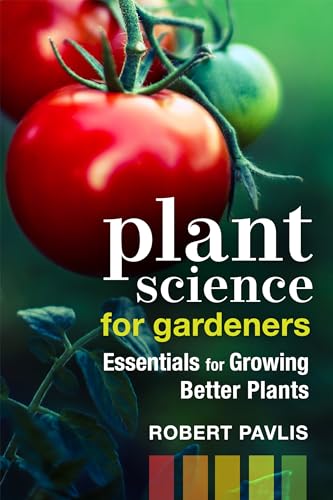
Plant Science for Gardeners: Essentials for Growing Better Plants

You may be interested


If you’re a gardener looking to elevate your gardening game, then “Plant Science for Gardeners: Essentials for Growing Better Plants” is your go-to resource! This engaging book provides a science-based overview of plant biology, breaking it down into practical, everyday terms that make gardening less about guesswork and more about informed choices. Published by Timber Press and clocking in at 256 pages, it’s packed with essential information on nutrition, water management, and photosynthesis optimization. You’ll find confidence growing as you tackle pruning and train your plants effectively, transforming your garden into a lush paradise (without needing a PhD!). Enjoy those bountiful harvests!
Best For: Gardeners seeking a science-based approach to enhance their gardening skills and plant care.
Pros:
- Provides clear, practical explanations of plant biology, making complex concepts accessible for all gardeners.
- Equips gardeners with knowledge to make informed decisions on plant nutrition, water management, and light optimization.
- Enhances confidence in trying new gardening techniques and plants, leading to healthier gardens and better harvests.
Cons:
- May require initial investment of time to fully understand plant science concepts before applying them.
- Focused primarily on scientific principles, which might feel overwhelming for novice gardeners who prefer simpler, rule-based methods.
- Possibly limited appeal for gardeners who are solely interested in aesthetic gardening rather than understanding plant biology.
Houseplants for Beginners: A Practical Guide to Plant Care
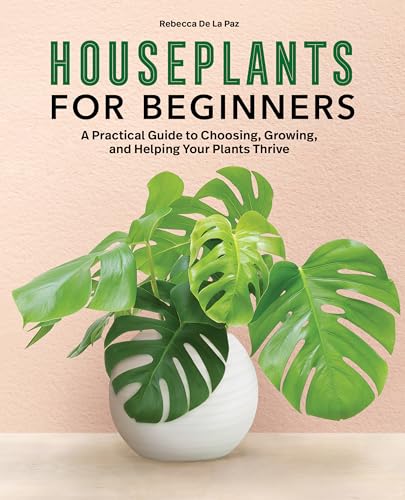
For anyone stepping into the world of plants, “Houseplants for Beginners: A Practical Guide to Plant Care“ is an absolute gem! Published by Storey Publishing, this guide packs in 160 pages of essential tips—from choosing the right plants to repotting them. You’ll find 120 plant profiles organized by maintenance levels, tailoring options to your lifestyle, whether you’re a novice or a seasoned pro. The book tackles troubleshooting and offers straightforward solutions for pests and diseases. Plus, its sections on propagation are truly enlightening, ensuring you’re set for houseplant success! Immerse yourself, and transform your space into a vibrant indoor oasis!
Best For: Beginners looking to easily care for houseplants while enhancing their indoor spaces and well-being.
Pros:
- User-friendly: Offers beginner-friendly tips for selecting and caring for plants.
- Comprehensive: Includes 120 plant profiles, aiding users in choosing plants suited to their maintenance capabilities.
- Problem-solving: Provides effective solutions for common issues like pests and diseases.
Cons:
- Limited depth: May not cover advanced techniques for seasoned plant enthusiasts.
- Lengthy: At 160 pages, some readers may feel it could be more concise.
- Print-only: Availability may be limited to physical copies, potentially missing a digital format.
The Old Farmer’s Almanac Vegetable Gardener’s Handbook
Sale


The Old Farmer's Almanac Vegetable Gardener’s Handbook: Essential Step-by-Step Advice for Growing...
- Step-by-step advice for success with more than 30 vegetables in any zone|The dirt on soil: why testing is so important—and how to do it|Easy techniques for growing...
The Old Farmer’s Almanac Vegetable Gardener’s Handbook is the perfect companion for anyone enthusiastic to dig into vegetable gardening, whether you’re just starting out or have years of experience under your belt! Known for its clear, step-by-step advice on growing 32 different vegetables, this handbook features over 150 stunning full-color photos and invaluable time-saving tips. With proven techniques and recommended varieties, you’ll find everything you need to grow a bountiful garden. Plus, it offers useful reference tables and anecdotes from seasoned gardeners! This beloved resource, now in its sixth printing, has surely earned its place on your bookshelf!
Best For: This handbook is best for both novice and experienced gardeners looking to enhance their vegetable gardening skills with detailed guidance and expert tips.
Pros:
- Provides clear, step-by-step instructions for growing a diverse range of 32 vegetables.
- Features over 150 full-color photos, making it visually appealing and easy to follow.
- Includes time-saving tips, proven techniques, and anecdotes from experienced gardeners, enriching the gardening experience.
Cons:
- May not cover more advanced gardening techniques for experienced gardeners seeking specialized knowledge.
- Limited to only 32 vegetables, which may not satisfy those looking to grow a wider variety.
- Some information may become outdated as gardening practices and techniques evolve over time.
Introductory Horticulture

Want to kickstart your gardening passion? Search no further than “Introductory Horticulture, 9e” by Cengage Learning! This engaging textbook, packed with 576 pages of vivid imagery, covers essential principles and practical methods for gardeners of all levels. You’ll love the step-by-step procedures and stunning visuals that make complex concepts clear! Plus, it emphasizes sustainable practices (yes, organic methods) while introducing you to cutting-edge technology and career paths. Whether you’re dreaming of green thumbs or planning a horticulture career, this resource will equip you with invaluable knowledge. Immerse yourself, and watch your horticultural skills blossom! It’s a must-have for your reading list!
Best For: This textbook is best for aspiring horticulturists and gardening enthusiasts looking to enhance their skills and knowledge in horticulture.
Pros:
- Engaging and visually rich content that simplifies complex concepts.
- Emphasis on sustainable and organic practices in gardening.
- Provides insights into new technologies and potential career paths in horticulture.
Cons:
- Lengthy at 576 pages, which may be overwhelming for beginners.
- Focuses on a broad range of topics, which might not dive deeply into specialized areas.
- May require supplementary materials for a complete understanding of advanced horticultural techniques.
Liberty Gardens Guidebook: A Beginner’s Guide to Growing Healthy Food

If you’re a newcomer to gardening or just looking to reclaim control over your food choices, the “Liberty Gardens Guidebook: A Beginner’s Guide to Growing Healthy Food” is tailor-made for you! Packed with practical advice and easy steps, this guide can transform any space into your personal garden sanctuary. From backyard beds to potted plants, it teaches you how to grow wholesome food without breaking the bank! You’ll appreciate its encouragement to join a passionate community focused on nutritious living, backed by endorsements from gardening experts. Embrace sustainability and celebrate the joy of growing your own food! (Yes, you can do it!)
Best For: Individuals looking to regain control over their food choices and those new to gardening wanting to grow their own healthy food.
Pros:
- Clear, step-by-step guidance suitable for beginners, making gardening accessible for all experience levels.
- Flexibility to fit any space, whether it’s a backyard or balcony, allowing for various gardening setups.
- Encourages community engagement and an emphasis on food sovereignty, fostering a sense of belonging and shared purpose.
Cons:
- May not provide advanced gardening techniques for experienced gardeners seeking more sophisticated methods.
- Focuses primarily on growing food, potentially lacking other aspects of gardening like ornamental plants.
- Some individuals may find the initial investment in materials and plants to be a barrier to starting their garden.
Floriography: An Illustrated Guide to the Victorian Language of Flowers (Volume 1)

Floriography: An Illustrated Guide to the Victorian Language of Flowers (Volume 1) is a must-have for anyone enchanted by the secret messages of nature! Authored by Jessica Roux, this beautifully illustrated book is a visual delight, featuring full-color botanical illustrations that serve as both art and information. It explores the historical significance of nearly 100 flowers, revealing their coded meanings during the 19th century—perfect for romantic souls, local witches, and prospective brides! You’ll adore how it connects each flower’s symbolism with its characteristics and folklore, making it not just a guide, but a stunning conversation piece for any home!
Best For: Romantic individuals, local witches, brides-to-be, and gardeners who appreciate the symbolism of flowers and their historical context.
Pros:
- Beautiful Illumination: The stunning full-color botanical illustrations enhance both the artistic and informational appeal of the book.
- Rich Historical Insights: Offers in-depth exploration of the secret meanings behind nearly 100 flowers, providing a unique glimpse into 19th-century communication.
- Versatile Use: Functions as both an educational resource and a decorative piece, making it a great gift for floral enthusiasts.
Cons:
- Limited Scope: Focuses primarily on the Victorian era, which may not appeal to those looking for contemporary floral meanings.
- Niche Audience: Primarily targets romantic individuals, which may not resonate with a broader audience.
- Physical Book: As a printed book, it may not appeal to readers who prefer digital resources.
A Botanist’s Vocabulary: 1300 Terms Explained and Illustrated
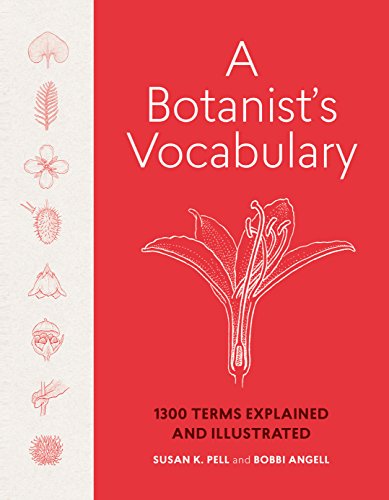
For those enthusiastic to dive deeper into the world of plants, “A Botanist’s Vocabulary: 1300 Terms Explained and Illustrated” is an absolute gem! This essential reference, published by Timber Press, provides you with succinct definitions of 1300 botanical terms, accompanied by detailed black and white illustrations that clarify each concept. Whether you’re a curious gardener keen to expand your knowledge or a budding naturalist exploring plant labels and catalogs, this book dramatically enhances your appreciation of the natural world. You’ll love how it helps you describe and categorize your plant findings, making your gardening experience even more fulfilling!
Best For: Enthusiastic gardeners and naturalists eager to deepen their understanding of botanical terminology and plant identification.
Pros:
- Enhances appreciation and knowledge of plants through clear definitions and illustrations.
- Serves as a valuable reference tool for effectively communicating about botanical concepts.
- Encourages curiosity and exploration of the natural world, enriching the gardening experience.
Cons:
- May be overwhelming for beginners with no prior knowledge of botanical terms.
- Limited to 1300 terms, which might not cover every specific botanical vocabulary a professional may encounter.
- The black and white illustrations may not appeal to those who prefer colorful and vibrant visuals in plant literature.
Complete Gardener’s Guide

The “Complete Gardener’s Guide” is the ultimate companion for aspiring green thumbs and seasoned garden enthusiasts alike, brimming with invaluable insights and friendly advice! This beautifully illustrated book, published by DK in 2020, spans 400 pages of detailed, step-by-step instructions that cater to everyone, from beginners to advanced gardeners. You’ll uncover everything from container planting to tackling hardscaping, like raised beds and patios. With straightforward tips on pruning, watering, and pest management, you’ll effortlessly maintain a thriving garden. Plus, the DIY projects will inspire you to push your skills while choosing the right ornamental plants for your climate. Get ready to dig in!
Best For: The “Complete Gardener’s Guide” is best for both novice and experienced gardeners seeking comprehensive advice and inspiration for all aspects of gardening.
Pros:
- Wide range of topics: Covers everything from container gardening to DIY landscaping projects, making it suitable for all skill levels.
- User-friendly: Includes jargon-free guides and step-by-step instructions, which simplify complex gardening tasks.
- Visually appealing: Beautifully illustrated, providing inspiration and clarity for visual learners.
Cons:
- Lengthy read: At 400 pages, it may feel overwhelming for those who prefer concise resources.
- Possibly too basic: Advanced gardeners might find some sections lacking in depth or challenge.
- Limited regional specifics: While it offers a variety of plant options, it may not cater to all climate-specific gardening challenges.
Marijuana Horticulture: The Indoor/Outdoor Medical Grower’s Bible

If you’re a medical grower keen to dive deep into the world of cannabis cultivation, search no more than *Marijuana Horticulture: The Indoor/Outdoor Medical Grower’s Bible*! This fifth edition packs an impressive 512 full-color pages, featuring 1,120 vibrant photographs and illustrations that bring your grow room to life. With over 500,000 copies sold, it’s truly a staple in the cannabis community. The 17 chapters cover everything from indoor techniques to outdoor strategies, all expertly updated, with fresh contributions from over 300 specialists. Plus, you’ll find a new medical section by Dr. John McPartland—essential reading for serious growers! Happy cultivating!
Best For: Medical growers who are looking for a comprehensive and updated guide to cannabis cultivation techniques for both indoor and outdoor settings.
Pros:
- Comprehensive Coverage: Offers detailed insights across 17 chapters on various cultivation techniques and methods.
- Expert Contributions: Includes invaluable information from over 300 specialists, providing diverse perspectives in cannabis horticulture.
- Visual Appeal: Features 1,120 full-color photographs and illustrations that enhance understanding and make the content engaging.
Cons:
- Lengthy: At 512 pages, some readers may find it overwhelming or challenging to navigate through.
- Specific Focus: Primarily aimed at medical growers, which may not appeal to casual or recreational users interested in cannabis cultivation.
- Potentially Expensive: Might be seen as pricey compared to other gardening books, which could deter budget-conscious buyers.
Botany for Gardeners, Fourth Edition
Gardeners looking to deepen their understanding of plant life must check out “Botany for Gardeners, Fourth Edition,” a true gem from Timber Press that packs a punch with 368 pages of insightful content! First published in 1990, this bestselling guide has sold over 260,000 copies, proving it’s a must-have for any gardener’s library. The latest edition is even better, featuring updated photos and illustrations, along with the latest scientific advancements in botany. You’ll explore topics like plant organization, adaptation, and reproduction methods, all in clear, accessible language. It’s the perfect blend of knowledge and practicality for every gardening enthusiast!
Best For: This book is best for both novice and experienced gardeners seeking to enhance their understanding of plant biology and gardening techniques.
Pros:
- Comprehensive Coverage: Offers detailed information on various aspects of botany, including plant organization and reproduction.
- User-Friendly Language: Written in accessible language, making complex concepts easy to understand for all readers.
- Updated Content: Features the latest scientific advancements and updated visuals, enhancing the learning experience.
Cons:
- Lengthy Read: At 368 pages, it may be considered too extensive for casual gardeners looking for quick references.
- Limited to Botany: Focuses primarily on botany, which may not satisfy gardeners looking for broader gardening techniques or landscaping tips.
- No Practical Gardening Projects: Lacks step-by-step gardening projects, which some gardeners might expect from a gardening guide.
Factors to Consider When Choosing Horticulture Books

When you’re picking out horticulture books, it’s vital to reflect on what you truly need—are you looking for beginner-friendly tips or in-depth scientific knowledge? Think about the author’s expertise (a well-known gardener can often make a complex topic accessible), practical applications that you can use in your own garden, and don’t forget the visual appeal! After all, a beautiful layout with stunning photos can make your reading experience all the more enjoyable!
Target Audience Needs
Have you ever wondered what makes a gardening book truly resonate with your personal gardening journey? First, consider your experience level—are you a newbie keen to learn or a seasoned pro looking to refine your skills? Next, think about your specific interests! If you’re passionate about vegetable gardening or houseplants, choose titles that cater to those niches to maintain your enthusiasm. Demographics matter too; busy lifestyles often call for books that offer quick tips and time-saving techniques. Also, beginners like you can benefit from troubleshooting advice that simplifies challenges. Finally, if sustainability‘s your thing, opt for books incorporating eco-friendly practices that support your values, like “The Green Gardener” (Timber Press, 256 pages), ensuring a satisfying read that’s both insightful and practical!
Content Depth and Breadth
While selecting the right horticulture book can seem intimidating, it’s important to focus on content depth and breadth to guarantee you’re getting the most out of your reading experience! Look for titles that cover essential topics like plant biology, nutrition, and pest management—these are key for a well-rounded understanding of horticulture. Books with in-depth explanations of botanical terms not only boost your knowledge but also your gardening conversations (you’ll be the life of the garden party!). Consider practical applications alongside theory, as this bridges knowledge and action. Plus, various plant profiles and care levels can cater to different experiences, adding engagement. Finally, check for updated content to keep your gardening skills fresh—after all, the plants won’t wait!
Practical Applications for Users
Diving into the world of horticulture books can feel overwhelming, especially with so many options available, but focusing on practical applications can really enhance your gardening experience! Books that explore plant science offer actionable insights, enabling you to make informed decisions that lead to healthier gardens. For example, “The Garden Primer” (Ten Speed Press, 2013, 512 pages) covers everything from plant nutrition to water management techniques, reducing costly mistakes. You’ll also want to take into account resources that teach growth management, like pruning, which boosts plant resilience. Additionally, books like “The House Plant Expert” (Dorling Kindersley, 2018, 256 pages) help beginners select suitable houseplants—perfect for your lifestyle. Plus, discovering medicinal plants can empower your gardening journey! Happy reading!
Visual Appeal and Design
When you’re choosing horticulture books, the visual appeal can make all the difference in how you engage with the content! Look for books featuring full-color photographs and diagrams, like those from Timber Press, that transform complex concepts into easily digestible visuals. High-quality illustrations not only enhance your learning but can also serve as beautiful decor (yes, who says function can’t be fabulous?). A well-designed layout, such as those found in “The Garden Primer,” makes it easy to navigate, jumping right to the info you need. Pay attention to color and typography too, as they can spotlight key tips and concepts. So, if you find a book that’s both informative and visually stunning, go ahead and snag it—you won’t regret it!
Author Expertise and Credibility
Great horticulture books can truly enrich your gardening journey, and the author’s expertise is a vital factor to contemplate! Look for authors with backgrounds in horticulture or botany—these folks often bring hands-on experience and advanced degrees that enrich their insights. Books by recognized experts, published by reputable houses like Timber Press or Chelsea Green, frequently include the latest research and best practices. When you spot endorsements from reputable organizations, it’s a good sign that the author knows their stuff! Collaborations with established institutions can also indicate a depth of understanding, helping you learn effectively. So, don’t just pick up any book—choose ones that feature credible voices and solid credentials to guarantee you’re cultivating your garden with the best advice around!
Current Trends in Horticulture
In today’s gardening landscape, you’ll find that trends are shaping how we cultivate our green spaces and sustain our appetites, making it even more exciting to explore horticulture books! For instance, “The Vegetable Gardener’s Bible” by Edward C. Smith (320 pages, Storey Publishing) perfectly captures the booming interest in homegrown food, a top gardening project for its practicality. Also, consider “Techno Garden” by Michael D. Thede, which discusses how technology enhances gardening efficiency, a crucial topic in modern horticulture. With 260 pages, it’s packed with innovations! As you sift through options, look for books that highlight organic practices and food security strategies, reflecting today’s motivations to grow our food and support sustainable living! Happy reading!
Sustainability and Eco-Friendliness
Finding horticulture books that spotlight sustainability and eco-friendliness can truly elevate your gardening game! Look for titles like “The Resilient Gardener” by Carol M. Sutherland, which dives into organic agriculture (about 200 pages of insightful content!) and eco-friendly pest strategies, guiding you away from harsh chemicals. Books that highlight sustainable water management, such as “Water-Wise Plants for the Southwest” by Kelly Grummons, will teach you to conserve precious resources while still growing lush gardens! Plus, resources on native plants, like “Bringing Nature Home” by Douglas Tallamy, showcase how to create resilient landscapes that thrive in your local climate. By choosing these gems, you’ll not only enhance your garden but also contribute positively to the environment—how cool is that?
Frequently Asked Questions
What Are the Benefits of Reading Horticulture Books?
Reading horticulture books brings tons of benefits! You’ll deepen your understanding of plant care, discover effective growing techniques, and troubleshoot common garden issues. For instance, “The Garden Primer” by Barbara Damrosch (48th edition, 880 pages!) is a thorough guide packed with invaluable tips. Plus, they often feature inspiring photographs and illustrations, making learning enjoyable! So, curl up with a good book, and you’ll transform your gardening game in no time! Happy reading!
How Do I Choose the Right Horticulture Book for My Needs?
To choose the right horticulture book for your needs, consider your current skill level, specific interests (like vegetable gardening or landscaping), and desired depth of information. Look for titles published by reputable sources, such as “The Vegetable Gardener’s Bible” by Edward C. Smith (300 pages) for thorough guidance. Check for user reviews and illustrations—visual aids make understanding easier! Don’t hesitate to visit your local library or bookstore to browse, get inspired, and find that perfect match!
Can I Find Horticulture Books at My Local Library?
Your local library’s a treasure trove for horticulture books. Just like a well-tended garden, it flourishes with information! You might discover gems like “The Garden Primer” by Barbara Damrosch (about 600 pages) or “All New Square Foot Gardening” by Mel Bartholomew. Libraries often have newer editions, too. Don’t hesitate—just stroll in, ask a librarian, and you could cultivate your gardening knowledge right from those shelves! Happy reading!
Are There Good Online Resources for Horticulture Information?
You can immerse yourself in fantastic online resources for horticulture information. Websites like the USDA’s National Agricultural Library offer a wealth of research papers, while platforms like Gardening Know How are packed with practical tips. Don’t miss out on the Royal Horticultural Society’s site—it’s bursting with guides on plants and gardening techniques! Plus, forums like GardenWeb let you connect with fellow enthusiasts! It’s like having a gardening buddy, minus the muddy shoes!
How Often Should I Update My Horticulture Book Collection?
You should update your horticulture book collection every couple of years, or when a new edition comes out, to stay current with essential techniques and trends! Titles like *The Plant Lover’s Garden* (Timber Press, 224 pages) and *Botany for Gardeners* (Timber, 192 pages) offer fresh insights. Look for physical books with quality illustrations and engaging layouts—they’ll inspire you! Embrace the excitement of cultivating knowledge; your garden and mind will flourish spectacularly!


