As an Amazon Associate, we earn from qualifying purchases. Some links on this site are affiliate links at no extra cost to you. Our recommendations are based on thorough research and editorial judgment.


3 Best Interior Architecture Books That Every Design Enthusiast Must Read

If you’re passionate about interior architecture, you won’t want to miss these three gems! First, check out *The Interior Design Handbook* by Frida Ramstedt (240 pages) for practical advice and stunning visuals. Next, *The Fundamentals of Interior Architecture* from Bloomsbury offers essential concepts and hands-on projects that keep you engaged. Finally, *Human Dimension & Interior Space* (Wiley, 288 pages) dives into functional design standards with a focus on inclusivity. Stick around to discover even more fantastic recommendations!
Key Takeaways
- “The Fundamentals of Interior Architecture” offers essential concepts and practical projects ideal for aspiring designers to deepen their understanding.
- “Human Dimension & Interior Space” emphasizes anthropometrics, ensuring inclusivity and functionality in design through illustrated data.
- “The Interior Design Handbook” provides comprehensive advice with visual aids, catering to both beginners and seasoned decorators for balanced home aesthetics.
- Look for books that reflect recent trends in sustainability and inclusivity to stay current in the evolving design landscape.
- Seek resources that combine theory with practical application, such as projects at the end of chapters, enhancing engagement and hands-on learning.
The Interior Design Handbook: Furnish, Decorate, and Style Your Space


You may be interested


If you’re someone who dreams of transforming your living space into a stylish sanctuary, then *The Interior Design Handbook: Furnish, Decorate, and Style Your Space* by Frida Ramstedt is absolutely your go-to guide! This extensive resource, packed with 240 pages of insightful design principles, helps both novices and seasoned decorators understand the ‘why’ behind decorating choices. Ramstedt emphasizes essential concepts like the golden ratio while providing practical advice on everything from the ideal coffee table height to lighting fixture placement. Plus, the handy illustrations make complex ideas clear, ensuring you’ll create a beautifully balanced home—no matter your personal style!
Best For: Individuals looking to enhance their decorating skills and create beautifully balanced homes regardless of their design experience.
Pros:
- Comprehensive Resource: Covers essential design principles beneficial for both beginners and experienced decorators.
- Practical Advice: Offers actionable tips on various aspects of interior design, including furniture sizes and lighting placement.
- Visual Aids: Includes illustrations that clarify complex concepts, making it easier to understand and apply design principles.
Cons:
- Lengthy Read: With 240 pages, it may feel overwhelming for those looking for quick tips or shortcuts.
- Trend Neutral: Focuses on classic design principles rather than current trends, which may not appeal to some readers seeking the latest styles.
- Requires Engagement: Effective use of the handbook necessitates active participation in understanding and applying the concepts, which may challenge some readers.
The Fundamentals of Interior Architecture
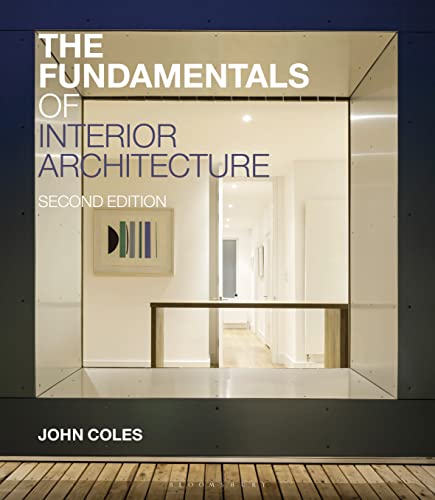
For aspiring interior architects looking to plunge into the essentials of the field, *The Fundamentals of Interior Architecture* (second edition) offers a fantastic resource that’ll spark your creativity and refine your skills! Published by Bloomsbury, this visually appealing book presents core areas like space and form, materials and texture, and light and mood, combining theory with practitioner insights. You’ll also find inspiring projects at the end of each chapter, allowing you to apply what you’ve learned (no pressure, right?). With rich illustrations filling its pages, it’s both informative and a joy to flip through—definitely a must-have for your design library!
Best For: Aspiring interior architects and design students seeking to enhance their knowledge and skills in a visually engaging format.
Pros:
- Richly illustrated content that enhances understanding of core design principles.
- Practical projects at the end of each chapter inspire readers to apply their knowledge in real-world scenarios.
- Inclusion of practitioner insights through biographies and interviews adds valuable context to theoretical concepts.
Cons:
- The focus on foundational concepts may not be suitable for advanced designers seeking in-depth analysis.
- Some readers may find the breadth of topics too general and lacking in specialized detail.
- The visually appealing format might lead to distractions from core content for some learners.
Human Dimension & Interior Space: Design Reference Standards
Sale


Human Dimension & Interior Space: A Source Book of Design Reference Standards
- Used Book in Good Condition
Looking to elevate your design skills? “Human Dimension & Interior Space: Design Reference Standards,” published by the esteemed Wiley, is a must-have resource for interior designers, architects, and anyone passionate about creating functional spaces. This groundbreaking book dives into anthropometrics, ensuring you consider a diverse range of body sizes, not just the so-called average. With illustrated tables, dimensioned drawings, and insightful theory covering the needs of the elderly and disabled, this 288-page gem challenges you to rethink design standards! Embrace adjustable solutions and understand that everyone deserves a space that feels just right! Grab your copy—you won’t regret it!
Best For: Interior designers, architects, builders, and students looking to create functional and inclusive spaces.
Pros:
- Offers comprehensive anthropometric data that accommodates a diverse range of body sizes.
- Includes illustrated tables and dimensioned drawings that enhance understanding and application of design standards.
- Emphasizes the importance of considering the needs of the elderly and disabled, promoting inclusive design solutions.
Cons:
- The focus on anthropometrics may not cover all aspects of design aesthetics or functionality.
- Some users may find the information dense and challenging to apply without prior knowledge of design principles.
- The book may not address specific cultural considerations that can impact design choices.
Factors to Consider When Choosing Interior Architecture Books

When you’re picking interior architecture books, consider the author’s expertise, the relevant topics they cover, and the quality of illustrations that guide your learning. You want materials that not only focus on practical application but also reflect the latest industry trends, so you stay ahead. Trust me, finding that perfect book can spark your creativity in ways you never imagined!
Author’s Expertise
Choosing the right interior architecture books isn’t just about picking pretty covers; it hinges on understanding the author’s expertise, which can greatly shape your design journey! Look for books authored by renowned designers, like “The Interior Design Reference + Specification Book” by Chris Grimley and Mimi Love, who bring valuable insights from real-world experience. Understanding an author’s philosophy—like emphasizing timeless design principles over fleeting trends—can profoundly influence your approach. Check their credentials (after all, that expertise should shine through) and explore biographies for deeper insights into their unique design philosophies. For instance, Tom Kundig’s work often showcases a seamless blend of theory and practice, making it both inspiring and informative! Immerse yourself in these recommendations for a richer learning experience!
Relevant Topics Covered
A strong foundation in interior architecture comes from understanding key concepts, so it’s vital to look for books that explore space and form, materials and texture, and light and mood—the building blocks of stunning design! For inspiration, check out “Interior Architecture: Definitions, Theories, and Practices” by Korydon Smith, which spans 250 pages filled with practical applications. Additionally, don’t overlook visually rich resources that feature diagrams and anthropometric tables, as they make complex principles easier to grasp. Seek books offering insights from industry practitioners, like “Designing For Everyone” by Jena D. Gold, providing real-world context. Finally, verify your selections address anthropometric data to create accessible designs, focusing on inclusivity for diverse body sizes and needs—because everyone deserves a beautifully designed space!
Illustrated Learning Materials
While you’re on the hunt for the perfect interior architecture books, don’t underestimate the power of illustrated learning materials—they can truly elevate your understanding! High-quality illustrations, like engaging diagrams and detailed drawings, make complex concepts more digestible, helping you grasp spatial relationships and design principles easily. Books with rich visual content, like “Interior Design Illustrated” by Francis D.K. Ching (224 pages, Wiley), showcase various architectural styles, sparking creativity! Plus, don’t overlook resources that include comparative data, like anthropometric tables—they’re essential for understanding how human dimensions play out in real spaces. A well-illustrated book not only informs but also inspires exploration, taking your design journey to exciting new heights (trust me, you won’t regret it)!
Practical Application Focus
When diving into the world of interior architecture books, you really want to find resources that blend practical application with inspirational content! Look for titles like “Interior Design Illustrated” by Francis D.K. Ching, which offers projects at the end of each chapter to spark your creativity (plus, it’s highly visual!). Consider books that illustrate key concepts—like “The Fundamentals of Interior Design” by Simon Dodsworth—with engaging images and practical insights from seasoned professionals in the field. Also, don’t overlook books that include essential anthropometric data, ensuring your designs fit real spaces and diverse needs. Furthermore, seek titles emphasizing adjustability, promoting inclusive solutions that cater to everyone—because everyone deserves a great space! Happy reading!
Latest Industry Trends
Choosing the right interior architecture books means looking at the latest industry trends that reflect our ever-evolving design landscape! You’ll want to focus on books that highlight sustainability, showcasing eco-friendly materials and biophilic design, which enhances wellness and productivity. Titles like “Sustainable Interiors” by David S. Smith (available from Publisher X, 256 pages) can be eye-opening! Additionally, books that explore tech advancements such as augmented reality tools are essential; check out “Virtual Design Revolution” by Anna R. Lee (Amazon, 200 pages). Don’t forget adaptive reuse strategies— consider “Repurposed Spaces” by Jane D. Blue (Publisher Y, 180 pages)—and look for those that prioritize inclusivity, ensuring diverse needs are met. You’re starting on a thoughtful journey, so choose wisely!
Reader Level Suitability
Selecting the right interior architecture book can transform your understanding of design, especially if you consider the reader level suitability! Think about whether you need a beginner-friendly guide or something more specialized—the depth of content varies dramatically. For hands-on learners, look for books featuring practical applications and projects, which are fantastic for novices. Visual aids like illustrations and photographs can be game-changers for visual learners, enhancing your grasp of complex ideas. Plus, books including insights from industry professionals provide valuable real-world perspectives! It’s also essential that the book covers fundamental design principles so you can confidently tackle advanced topics later on. Publishers like Rizzoli or Phaidon offer stunning options packed with useful layers of information—let your journey begin!
Consideration of User Needs
Understanding user needs is essential for any aspiring interior architect and can greatly influence your choice of books! Look for titles that investigate anthropometrics, like “Universal Design: Creating Inclusive Environments” by Roberta Null (352 pages, Wiley). This book highlights how to create spaces that accommodate diverse body sizes and functions. Consider books that emphasize special requirements, especially for physically disabled and elderly users, as they enhance your inclusive design skills. Also, resources featuring anthropometric tables offer essential data on human dimensions vital for crafting user-centered environments. Explore “The Measure of Man and Woman” (John Wiley & Sons) for practical insights! A solid choice will expand your understanding of dimensions and adjustability, guiding you toward innovative design solutions that truly cater to users!
Cultural and Contextual Insights
While diving into the world of interior architecture books, you’ll find that cultural and contextual insights can transform your design perspective and elevate your creativity! Look for texts that weave together biographies of leading designers and discuss how diverse philosophies thrive, like “Interior Design: A True Story” by Lucinda Rogers. Explore books that reveal how a space’s location impacts design choices, enhancing your appreciation of regional styles, such as “The Architecture of Happiness” by Alain de Botton. Don’t overlook volumes addressing specific demographics, ensuring inclusivity. Resources featuring anthropometric data or historical contexts, like “Designing for Diversity” by Georgina Wong, will enrich your understanding and appreciation of the profound relationship between culture and design. Happy reading!
Frequently Asked Questions
What Are the Best Books for Beginners in Interior Architecture?
If you’re diving into interior architecture, you can’t go wrong with “The Interior Design Reference & Specification Book” from Rockport Publishers; it’s packed with over 400 pages of essential knowledge! Another favorite is “Interior Design Illustrated” by Francis D.K. Ching, which beautifully merges visuals with foundational concepts (plus, it’s a great coffee table show-off!). Finally, check out “How to Interior Design” by Inspiring Interiors for practical tips—it’s an easy, enjoyable read!
How Can I Develop My Own Interior Design Style?
Developing your interior design style’s like finding your favorite song—you’ve gotta explore and experiment! Start by gathering inspiration from various sources like Pinterest or design magazines, then identify recurring themes you love. Don’t hesitate to mix and match furniture styles, colors, and textures (think unexpected pairings!). Document your ideas in a sketchbook, and eventually, let your unique personality shine through your choices! Trust me, your space will become a true reflection of you!
What Online Resources Complement Interior Architecture Books?
To complement your interior architecture books, immerse yourself in engaging online resources like Design*Sponge and Architectural Digest’s website. They feature real-time trends, expert interviews, and design tutorials that help you explore new ideas. Instagram and Pinterest are also goldmines for visual inspiration, showcasing stunning interiors worldwide. Plus, platforms like Houzz offer user-generated content that connects you with professionals and fellow enthusiasts! You’ll find endless inspiration (and maybe a few “oh wow” moments)!
Are There Recommended Books Focused on Sustainable Interior Design?
If you wanna explore sustainable interior design, you absolutely must check out “Sustainable Interior Design: A Practical Guide” by Eileen McTaggart, published by RIBA Publishing, with 224 pages of pure inspiration! Another gem is “Eco-Chic: The Fashion Paradox” by Sandy Black—it’s got a fabulous approach to sustainable materials! Both books blend aesthetics and ethics seamlessly, and you’ll feel smarter (and greener) just flipping through their eco-friendly pages! Trust me, you’ll love ’em!
How Do I Choose the Right Book for My Specific Project?
To choose the right book for your project, think about your specific needs! If you’re focusing on modern design trends, “Interior Design Master Class” by Carl Dellatore (368 pages, published by Rizzoli) is excellent. For practical insights, try “The Decoration of Houses” by Elizabeth H. McLean (272 pages, Thames and Hudson); it’s full of solid advice! Don’t forget to check reviews and flip through pages—visual appeal matters too! Happy reading!


