As an Amazon Associate, we earn from qualifying purchases. Some links on this site are affiliate links at no extra cost to you. Our recommendations are based on thorough research and editorial judgment.

10 Best Jazz History Books That Every Music Lover Should Read

If you’re keen to explore the vibrant world of jazz, check out *The Jazz Book: From Ragtime to the 21st Century* for a thorough history or *The Art of Jazz: A Visual History* for stunning imagery (over 300 images!) that captures jazz’s cultural impact. For personal stories, *Hear Me Talkin’ to Ya* shares firsthand accounts from the legends themselves. Don’t miss *3 Shades of Blue*, which dives into *Kind of Blue*, or *The Penguin Jazz Guide*, featuring 1,001 essential albums! Uncover even more fascinating titles ahead!
Key Takeaways
- *The Jazz Book: From Ragtime to the 21st Century* offers a comprehensive overview of jazz’s evolution, suitable for readers wanting in-depth knowledge.
- *3 Shades of Blue* delves into the cultural significance of Miles Davis, John Coltrane, and Bill Evans, exploring broader themes of race and creativity.
- *Hear Me Talkin’ to Ya* provides firsthand accounts from jazz legends, enriching understanding through authentic narratives and diverse perspectives.
- *The Art of Jazz: A Visual History* connects jazz with visual arts through over 300 images, enhancing appreciation of the genre’s cultural impact.
- *The Penguin Jazz Guide* curates 1001 essential jazz albums with engaging stories, perfect for both enthusiasts and those newer to the genre.
The Jazz Book: From Ragtime to the 21st Century

You may be interested


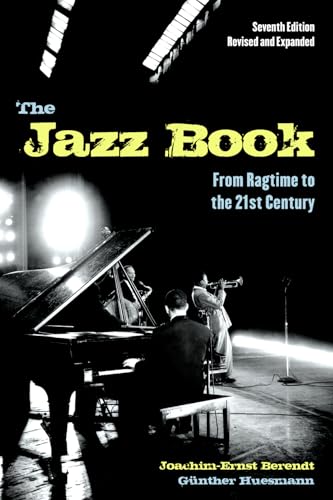
If you’re a jazz enthusiast keen to dive deep into the heart of this rich musical genre, *The Jazz Book: From Ragtime to the 21st Century* is your ultimate companion! For fifty years, this encyclopedic treasure has cataloged jazz history, and its seventh edition brings you thorough revisions, updated insights, and stylish flair. You’ll discover new chapters about artists like John Zorn and the evolving sounds since the 1990s. Plus, it dives into unique instruments, from harmonicas to tubas! Published by the esteemed Da Capo Press, it’s a must-read at 600 pages of jazz magic—perfect for any serious fan!
Best For: Jazz enthusiasts and scholars seeking a comprehensive and updated exploration of the genre’s history and influences.
Pros:
- Comprehensive Coverage: Offers an extensive history of jazz music, addressing various styles and influential musicians from ragtime to modern times.
- Updated Content: Includes new chapters and revisions that reflect the latest trends in jazz since the 1990s, such as avant-garde and postmodernist movements.
- Diverse Instrument Exploration: Expands discussions of unique instruments and their roles in jazz, enhancing understanding of the genre’s sonic diversity.
Cons:
- Lengthy Read: At 600 pages, it may be overwhelming for casual readers or those new to jazz.
- Depth of Information: Some may find the encyclopedic approach too detailed or dense, making it less accessible for beginners.
- Potential Bias: The focus on specific musicians and styles may overlook other significant aspects of jazz history, leading to a narrower perspective.
Hear Me Talkin’ to Ya: The Story of Jazz As Told by the Men Who Made It
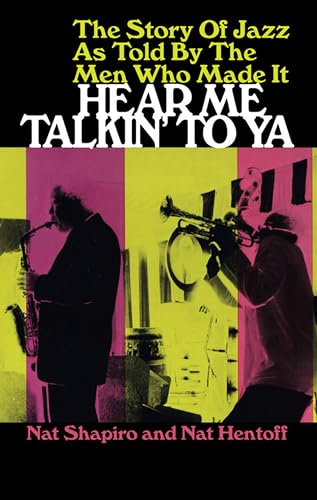
For anyone passionate about jazz—whether you’re a budding musician, a dedicated enthusiast, or a curious student of American cultural history—“Hear Me Talkin’ to Ya: The Story of Jazz As Told by the Men Who Made It” is an absolute gem! Published by Da Capo Press and boasting 304 pages, this remarkable book features firsthand stories from legends like Louis Armstrong and Billie Holiday, capturing jazz’s vibrant history. Through interviews, letters, and lively conversations, you’ll explore jazz’s essence, defined by authenticity, rhythm, and spontaneity. It reads like a compelling narrative, making it a must-have for any music lover’s collection—trust me, you’ll thank yourself later!
Best For: Jazz enthusiasts, musicians, and students eager to dive into the history and essence of jazz through the experiences of its legendary figures.
Pros:
- Authenticity: Features firsthand accounts that provide an intimate look into the lives of jazz legends.
- Engaging Narrative: Written in a compelling style that makes jazz’s history come alive for the reader.
- Diverse Perspectives: Offers insights and definitions of jazz from various influential musicians, enriching the understanding of the genre.
Cons:
- Length: At 304 pages, it may feel lengthy for casual readers.
- Niche Appeal: Primarily geared towards jazz fans, which might limit interest for those outside the genre.
- Historical Context: Readers seeking a modern analysis of jazz may find the focus on historical perspectives less relevant.
The Art of Jazz: A Visual History

Immerse yourself in the vibrant world of jazz with *The Art of Jazz: A Visual History*, perfect for music lovers and art enthusiasts alike! This stunning book takes you through the fascinating intersection of jazz and visual arts, showcasing over 300 intriguing images. From album covers inspired by the avant-garde to unique promotional photography, jazz’s influence is palpable on every page. Organized chronologically, it elegantly captures jazz’s evolution from the early twentieth century to today. With insightful features in each chapter, you’ll gain a deeper understanding of jazz’s cultural impact. Published by [insert publisher name, if known], this is a must-have addition to your collection!
Best For: Music enthusiasts and art lovers seeking a deeper appreciation of the cultural impact of jazz through visual arts.
Pros:
- Rich Visual Content: Over 300 captivating images that illustrate the evolution of jazz imagery.
- Chronological Organization: Easy navigation through key periods in jazz history, making it accessible for readers.
- In-Depth Insights: Authoritative features in each chapter provide a comprehensive understanding of jazz’s cultural significance.
Cons:
- Niche Appeal: May primarily attract those specifically interested in jazz or visual arts, limiting its audience.
- Potential Cost: As a specialized book, it may be priced higher than typical music or art books.
- Limited Audio Component: While it focuses on visual arts, the lack of audio elements might leave some readers wanting more of the musical experience.
3 Shades of Blue: Miles Davis, John Coltrane, Bill Evans
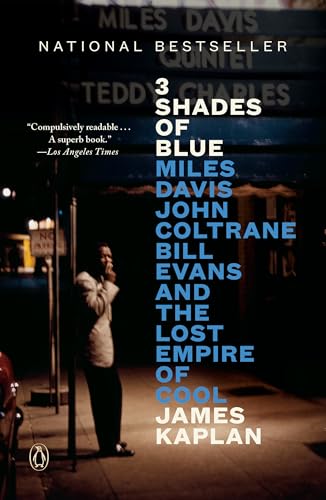
Exploring the world of jazz through “3 Shades of Blue: Miles Davis, John Coltrane, Bill Evans” isn’t just for avid musicians or historians; it’s a must-read for anyone who appreciates the profound cultural impact of this genre! This national bestseller (don’t you just love that title?) dives deep into the legendary album *Kind of Blue*, showcasing the vibrant jazz scene of 1959. Kaplan’s superb narrative intertwines the artists’ lives, revealing the intersections of music, race, and creativity. With engaging prose, this book, featured by The Minneapolis Star Tribune, celebrates jazz’s ongoing legacy and its transformative power. You won’t want to miss it!
Best For: Those interested in jazz history, music enthusiasts, and anyone seeking to understand the cultural impact of legendary artists.
Pros:
- In-depth exploration of the iconic album *Kind of Blue* and its creation.
- Engaging narrative style that weaves together the lives of Miles Davis, John Coltrane, and Bill Evans.
- Cultural significance that addresses broader themes of race, creativity, and the evolution of jazz.
Cons:
- May not appeal to readers unfamiliar with jazz or its historical context.
- Some may find the depth of detail overwhelming or dense.
- Focuses heavily on specific artists, which might limit interest for those seeking a broader overview of jazz.
Birdland, the Jazz Corner of the World: An Illustrated Tribute, 1949–1965
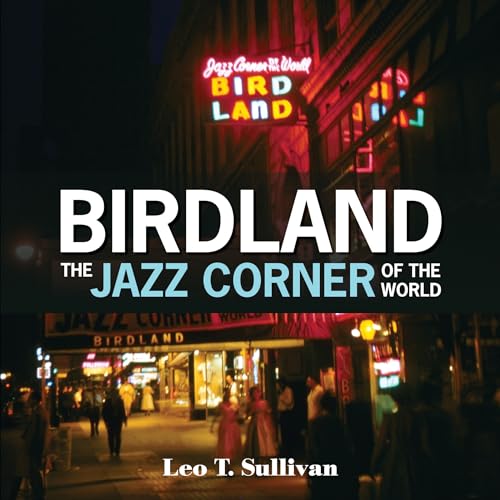
Birdland, the Jazz Corner of the World: An Illustrated Tribute, 1949–1965 is an absolute must-have for anyone who treasures the rich tapestry of jazz history! This stunning book, published by the University of California Press, spans 288 pages filled with enchanting vintage photographs, rare memorabilia, and engaging capsule biographies. You’ll feel like you’re sitting front-row at legendary performances featuring artists like Charlie Parker, Dizzy Gillespie, and John Coltrane. As you flip through the pages, the vibrant energy of double bills unfolding until dawn comes alive! This tribute captures Birdland’s essence, making it a cherished addition to your jazz library!
Best For: Jazz enthusiasts, historians, and collectors who appreciate the cultural significance and legacy of iconic jazz performances.
Pros:
- Captivating visuals: The book is filled with stunning vintage photographs and rare memorabilia that bring the era to life.
- Engaging content: Capsule biographies of legendary artists provide insightful context about their performances at Birdland.
- Cultural significance: Celebrates the rich history of jazz and its impact through a legendary venue, making it a valuable addition to any jazz library.
Cons:
- Limited audience: May not appeal to those who are not interested in jazz music or its history.
- Price point: The book may be seen as pricey for casual readers or those unfamiliar with jazz.
- Physical format: As a printed book, it may not be as accessible as digital formats for some readers.
Music: The Definitive Visual History (DK Definitive Visual Encyclopedias)

If you’re looking for a visually stunning and thorough guide to the world of music that also dives into the rich history of jazz, then “Music: The Definitive Visual History” from DK Definitive Visual Encyclopedias is a must-have! At over 400 pages, this impressive tome showcases everything from medieval chants to modern pop, while intricately detailing how jazz influenced other genres like rock and Latin rhythms. You’ll discover illustrated histories of popular instruments, fascinating biographies of legends like Billie Holiday, and curated listening recommendations that’ll enrich your musical journey. Trust me, this book is both informative and a delight to flip through!
Best For: Music enthusiasts, students, and anyone looking to explore the rich history and evolution of music across genres.
Pros:
- Offers a comprehensive overview of music history from prehistory to modern times.
- Includes illustrated histories of instruments and biographies of influential musicians, making it visually engaging.
- Provides curated listening recommendations to enhance the understanding of different musical styles.
Cons:
- The extensive 400-page format may be overwhelming for casual readers.
- Some may find the focus on historical context less engaging than purely music-centric content.
- Limited in-depth analysis of individual musical genres may leave some niche interests unaddressed.
Jazz: A History of America’s Music

For anyone enthusiastic to plunge into the vibrant world of jazz, “Jazz: A History of America’s Music” is an absolute must-read! Published by Knopf, this visually stunning masterpiece boasts over five hundred photographs, chronologically narrating jazz’s evolution and its deep roots in American culture. You’ll meet legendary figures like Louis Armstrong and Billie Holiday, who transformed music into art. The narrative intertwines significant events like the Great Depression and civil rights movements, showcasing jazz as a cultural mirror. This book isn’t just about music; it’s about history, innovation, and social justice, making it an essential addition to your collection!
Best For: Enthusiasts of jazz music and American culture who wish to explore the genre’s history and social impact.
Pros:
- Rich Visual Experience: Features over five hundred captivating photographs that enhance the storytelling.
- Comprehensive Overview: Provides an in-depth chronicle of jazz, highlighting influential musicians and pivotal moments in American history.
- Cultural Significance: Explores jazz as a reflection of societal changes, making it relevant beyond just music.
Cons:
- Lengthy Read: The extensive narrative may be overwhelming for casual readers.
- Limited Focus on Contemporary Jazz: Primarily emphasizes historical contexts, potentially neglecting recent developments in the genre.
- Pricey for Some: The book may be considered expensive for those on a tight budget.
The Penguin Jazz Guide: The History of the Music in the 1001 Best Albums
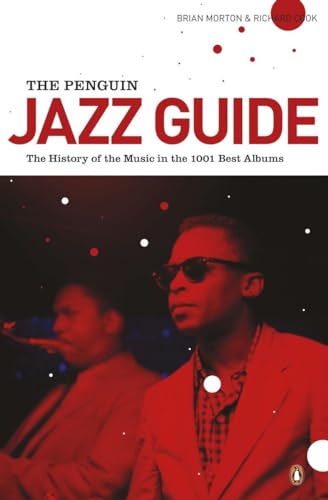
Diving into Richard Cook and Brian Morton’s “The Penguin Jazz Guide: The History of the Music in the 1001 Best Albums” is like opening a treasure chest for both jazz aficionados and curious newcomers! This insightful guide, published by Penguin Books, spans over 600 pages filled with curated records that trace jazz’s rich evolution through iconic masterpieces like *Kind of Blue* and hidden gems that’ll surprise you. With witty, opinionated reviews and updated insights from Morton, you’ll discover engaging stories behind each album. It’s not just a book; it’s a journey through jazz that’ll keep you enthralled for hours!
Best For: Jazz enthusiasts and newcomers seeking a rich exploration of essential jazz albums and their histories.
Pros:
- Comprehensive Coverage: The guide features 1001 essential jazz albums, spanning both well-known classics and hidden gems.
- Witty Reviews: Critical reviews are filled with humor and strong opinions, making for an engaging reading experience.
- Updated Insights: Recent revisions provide new biographical details and perspectives, enhancing understanding of artists and their works.
Cons:
- Subjective Selections: The list of albums may not align with every reader’s taste or definition of “essential” jazz.
- Lengthy Format: At over 600 pages, the book may be overwhelming for casual readers looking for quick recommendations.
- Potentially Limited Context: While focused on albums, some readers might desire more comprehensive discussions on the broader jazz movement beyond individual records.
How to Listen to Jazz
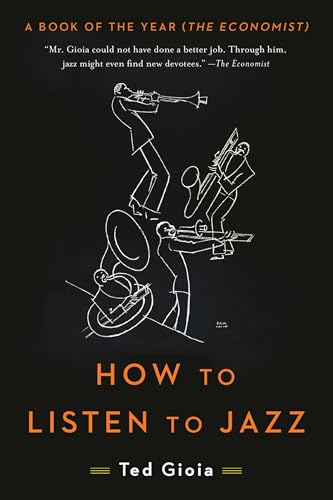
Curious about how to truly appreciate the nuances of jazz? Immerse yourself in Ted Gioia’s award-winning guide, “How to Listen to Jazz,” and reveal the secrets of this vibrant genre! With 224 pages of engaging insights, you’ll learn what to focus on during performances—from the improvisation that defines jazz to the historical context that shaped it. Gioia’s lively storytelling showcases legends like Louis Armstrong and modern talents too, helping you connect with the music on a deeper level. By highlighting the art of listening and exploring key musicians today, this book is essential for any jazz fan keen to enhance their experience!
Best For: Jazz enthusiasts and newcomers alike seeking to deepen their appreciation and understanding of the genre.
Pros:
- Engaging insights that make complex jazz concepts accessible to all listeners.
- Historical context helps frame the evolution of jazz and its key figures.
- Directory of contemporary musicians enhances appreciation for current contributions to jazz.
Cons:
- Some readers may find the focus on historical figures limiting in exploring a broader range of artists.
- The book’s academic approach may not appeal to those seeking a more casual read.
- As a guide, it may not provide exhaustive details on every jazz subgenre and artist.
DownBeat – The Great Jazz Interviews Anthology Book
Sale


DownBeat - The Great Jazz Interviews | 75th Anniversary Jazz Anthology Book with Iconic Musician...
- 340 Pages
- A 75th Anniversary Anthology
- Softcover
If you’re a jazz aficionado seeking a deep connection with the genre’s roots, then “DownBeat – The Great Jazz Interviews Anthology” is an absolute treasure! Celebrating 75 years of DownBeat magazine, this anthology offers a curated collection of rare interviews with legendary artists like Louis Armstrong, Charlie Parker, and Herbie Hancock. You’ll explore their unique insights on music and improvisation, discovering the profound philosophies that shaped jazz. Plus, the beautifully reproduced photographs and vintage covers add visual allure, making this 384-page gem a must-have for your collection, libraries, or classrooms. It’s an inspiring tribute to jazz’s vibrant legacy!
Best For: This anthology is best for jazz lovers, musicians, students, and educators looking to deepen their understanding of the genre and its influential artists.
Pros:
- Offers rare and insightful interviews with legendary jazz artists, enhancing understanding of the genre.
- Includes beautifully reproduced photographs and vintage magazine covers, adding aesthetic value.
- Serves as a valuable resource for educational settings, inspiring future generations of musicians.
Cons:
- May be too dense for casual readers or those new to jazz, as it focuses on in-depth discussions.
- The price point could be higher than typical music books, potentially limiting accessibility.
- Limited appeal for those uninterested in the historical context and evolution of jazz music.
Factors to Consider When Choosing Jazz History Books

When you’re on the hunt for jazz history books, it’s essential to take into account the author’s expertise—who shaped their insights—alongside the book’s focus on historical accuracy. You’ll want to check if it features musical legends you love, captures key eras in jazz evolution, and includes eye-catching visual elements, like illustrations or photographs (because who doesn’t appreciate a little eye candy?). Let’s break down these factors together, ensuring you get a book that truly resonates with your jazz passion!
Author Expertise and Background
Choosing the right jazz history book can feel like a treasure hunt, and one of the most essential factors is the author’s expertise and background! Opt for writers with degrees in music history or ethnomusicology, as they provide an invaluable context about jazz’s evolution. Look for established authors like Ted Gioia, whose books, often around 300 pages, explore deep into the genre’s roots, offering credible insights you can trust. Practicing musicians, like Wynton Marsalis, bring their experiences, adding authenticity to their narratives! Additionally, recognized jazz critics often compile firsthand interviews, creating rich perspectives on key figures, so consider books from publishers like Oxford University Press or Duke University Press that focus on thorough research. Happy hunting!
Focus on Historical Accuracy
Historical accuracy in jazz history books isn’t just a nice-to-have; it’s a must! When you’re diving into this vibrant genre, you want books that honor its roots, like “Kind of Blue: The Making of the Miles Davis Masterpiece” (348 pages, Da Capo Press), where firsthand accounts breathe life into the narrative. Look for extensive texts that connect jazz to its cultural backdrops, reflecting significant events, like civil rights movements. Books that utilize documented historical records often provide a richer understanding of various styles and regional influences. Additionally, check for critical reviews or bibliographies; they point you to credible works celebrated for their depth and thoroughness, truly enhancing your jazz journey and ensuring you absorb the music’s authentic essence!
Inclusion of Musical Legends
While exploring the domain of jazz history books, you’ll want to seek out titles that include rich accounts of musical legends, as these narratives not only illuminate the genre’s evolution but also showcase the magnetic personalities behind the music! Look for books like “The Louis Armstrong Companion” (published by Schirmer, 268 pages), which dives into Armstrong’s transformative contributions, or “Lady Sings the Blues” by Billie Holiday, offering poignant personal insights into her life and artistry. You can’t miss “Miles: The Autobiography,” where Davis shares his unique perspectives on jazz! These substantial works capture pivotal moments, revealing how artists shaped the cultural landscape of jazz, especially during the bebop and swing eras. Trust me, you’ll savor every page!
Coverage of Key Eras
When diving into jazz history books, it’s essential to contemplate how well a title covers the genre’s key eras, as this can make all the difference in your understanding of jazz evolution! Look for books that provide a thorough chronological overview, tracing its roots from New Orleans in the early twentieth century, through the vibrant Jazz Age, the exciting Big Band era, all the way to modern movements like postmodern jazz. Examine how historical contexts, like the Great Depression and Civil Rights Movement, shaped the genre, alongside the key figures who made indelible marks at pivotal moments. A fantastic read like “The Jazz Scene” by Eric Nisenson (300 pages, published by Da Capo Press) wonderfully captures these essential elements, ensuring you’re well-versed in jazz’s incredible story!
Visual Elements and Illustrations
Choosing a jazz history book that captivates your imagination not only involves understanding the text but also appreciating the visual elements that bring the genre to life. Many excellent titles include stunning photographs, illustrations, and album art, all of which enhance your grasp of jazz’s evolution and its influential figures. Books like “The Jazz Book” by Haskins feature over 300 images highlighting diverse jazz artistry, while others showcase rare memorabilia that vividly illustrates jazz’s cultural landscape. Historical photographs and vintage magazine covers enrich narratives, providing depth and context to the stories you’ll discover. These illustrated elements make complex subjects visually appealing and engaging, turning your reading experience into a vibrant journey through jazz history!
Accessibility for Beginners
Jazz history books can be delightful gateways for those just stepping into the vibrant world of jazz, especially when they’re written with beginners in mind! Look for titles like “The Jazz Book” by Eric V. Copage, which unpacks key concepts with clarity, making them super approachable. Books featuring interviews, like Ashley Kahn’s “Kind of Blue,” engage you with personal stories from musicians that resonate. Visually rich resources, like “Jazz: A History of America’s Music” by Geoffrey C. Ward, enhance understanding by spotlighting major figures. Plus, works that offer listening strategies, such as Ted Gioia’s “The History of Jazz,” help you appreciate the music itself! A bit of humor and engaging narratives can make learning feel enjoyable instead of intimidating!
Depth of Analysis
How can one truly appreciate the rich tapestry of jazz history without exploring books that offer a profound analysis? Look for thorough histories, like “Early Jazz” by Gunther Schuller, which spans over 600 pages, tracing jazz’s evolution from New Orleans to contemporary styles. Seek texts that probe into influential figures, revealing how their unique experiences shaped the genre. For instance, “The History of Jazz” by Ted Gioia, showcases essential cultural contexts alongside significant societal transformations. Books featuring quantitative insights—like album releases and evolving stylistic trends—pair well with qualitative evaluations to create a well-rounded view. Finally, consider titles that explore jazz’s interplay with blues, rock, and hip-hop, demonstrating its dynamic influence on and off the stage!
Recommendations and Listening Guides
While diving into the world of jazz history books, you’ve got to contemplate various factors that’ll enhance your understanding and appreciation of the genre. Start with titles like “The Story of Jazz” by Marshall Stearns (368 pages), which provides a chronological overview. Look for volumes that include listening guides, such as “Jazz: A Complete Guide to the Music” by John Szwed, highlighting essential recordings and significant albums! You’ll also want to explore books showcasing musician interviews, like “Conversations in Jazz” by David Ake, offering invaluable insights. Additionally, consider those enriching the experience with visual components, like album art. A great pick, “Jazz and the Cultural Imagination” (256 pages), emphasizes themes of improvisation and cultural reflection, ensuring you grasp jazz’s lasting significance!
Frequently Asked Questions
What Are the Key Themes in Jazz History Books?
Key themes in jazz history books often include the evolution of styles, significant figures like Louis Armstrong and Duke Ellington, and the socio-political contexts that shaped jazz. You’ll find discussions on innovation, improvisation, and community, plus the interplay between various cultures. Publishers like Penguin and Oxford University Press offer great options with detailed illustrations and extensive bibliographies, enhancing your learning experience! (And trust me, they’re not just pretty on the shelf!).
How Do I Select Jazz Books for Beginners?
When you’re picking jazz books for beginners, consider titles like “Now’s the Time” by Michael M. O’Neal, published by HarperCollins, with 250 pages packed with stories and insightful analysis! You’ll want to look for engaging narratives that introduce key figures and styles without overwhelming jargon. Enjoy hardcover formats for durability—trust me, they feel great in your hands! (Plus, they’re way easier to display on your shelf!) Enjoy the journey into jazz!
Are There Any Audiobooks Available on Jazz History?
You’ll find some fantastic audiobooks on jazz history that’ll keep you engaged. For instance, “Jazz: A History” by Ken Burns, published by Knopf, runs about 18 hours, giving you a rich narrative with fantastic insights. Another great option is “The History of Jazz” by Ted Gioia—it’s about 19 hours long and covers everything from the roots to modern styles. Just pop in your headphones, and you’re ready to groove through history!
Which Formats Are Preferred for Reading Jazz History Books?
When diving into jazz history books, you’ll find that physical copies, like coffee table books, stand out for their vibrant images and engaging layouts—think “Jazz” by Geoffrey C. Ward (368 pages, Knopf). Audiobooks let you experience the narrative while doing chores, showcasing legends. E-readers offer convenience with titles like “The Birth of Bebop” by Cheryl R. Mullenax, effortlessly manageable at just over 200 pages. Each format brings jazz to life in its own unique way!
How Can I Find Rare Jazz History Books?
To find rare jazz history books, check out specialty bookstores like Greenlight Bookstore or online platforms such as Alibris and AbeBooks, which often feature vintage editions. You can also explore library sales, estate sales, or even local flea markets. Don’t forget to browse websites like eBay or Etsy, where you might stumble upon unique finds! (Trust me, hunting for these treasures can be just as exciting as reading them!)


