As an Amazon Associate, we earn from qualifying purchases. Some links on this site are affiliate links at no extra cost to you. Our recommendations are based on thorough research and editorial judgment.


10 Best Marine Life Books That Dive Deep Into the Wonders of the Ocean

If you’re enthusiastic to explore the vast wonders of the ocean, you can’t miss titles like “National Geographic Ocean,” rich with maps and powerful visuals, or “My Life with Sea Turtles,” showcasing intriguing conservation stories. Immerse yourself in the “Knowledge Encyclopedia Ocean!” filled with 208 enchanting pages or “Ocean Anatomy,” which beautifully illustrates marine creatures. You’ll be hooked! This list is just the beginning, so keep going to uncover even more fantastic marine life books!
Key Takeaways
- *100 Dives of a Lifetime* offers stunning visuals and diverse diving destinations for passionate divers and travelers seeking underwater adventures.
- *Knowledge Encyclopedia Ocean!* engages young explorers with CGI imagery and educational content tailored for children aged 9-12 interested in marine life.
- *Ocean Anatomy* provides an illustrated guide covering ocean formation and sea creature anatomy, making it suitable for all curious minds.
- *My Life with Sea Turtles* shares an inspiring personal journey of conservation efforts, appealing to those passionate about marine biology and sea turtles.
- *National Geographic Ocean* explores critical ocean roles and environmental challenges, making it ideal for readers interested in marine conservation.
100 Dives of a Lifetime: Ultimate Underwater Destinations


You may be interested


If you’re a passionate diver or someone dreaming of their next adventure, then *100 Dives of a Lifetime: The World’s Ultimate Underwater Destinations* is just what you need! This beautifully crafted book features over 350 stunning National Geographic images, making it almost a visual feast. You’ll dive deep into diverse locales, from mesmerizing cenotes in Mexico to thrilling wreck dives in Micronesia. With expert tips and advice from renowned divers like Brian Skerry, this book is both informative and inspiring. Whether you’re a novice hoping for your first dive or an expert adventurer, every page might spark your wanderlust!
Best For: Passionate divers and aspiring travelers seeking inspiration and practical advice for their next underwater adventure.
Pros:
- Beautifully showcases over 350 stunning National Geographic images, enhancing the visual experience of diving destinations.
- Offers expert tips and insights from renowned divers, providing valuable information for both novice and experienced divers.
- Organizes diving locations by experience level and certification, making it easier for readers to find suitable adventures.
Cons:
- May not provide in-depth technical diving information for advanced divers seeking specialized knowledge.
- Limited to scuba diving experiences, which may not appeal to snorkelers or non-divers.
- The vast number of destinations might overwhelm readers, making it hard to choose which ones to visit first.
Knowledge Encyclopedia Ocean!

For young explorers brimming with curiosity, “Knowledge Encyclopedia Ocean!” stands out as the ultimate choice! Published by DK, this thorough resource includes striking CGI imagery across its 208 pages, effortlessly engaging kids aged 9-12. You’ll investigate colorful sections on marine life, from sharks to seahorses, and explore breathtaking underwater landscapes like ocean trenches and coral reefs. The visual brilliance pairs with clear, fact-checked text, making complex ideas accessible (perfect for those late-night study sessions!). Plus, its easy-to-navigate layout encourages questions, feeding the fire of discovery in any budding oceanographer—because who wouldn’t want to dive deeper into the mysteries of the ocean?
Best For: Young explorers aged 9-12 who are curious about marine life and ocean science.
Pros:
- Engaging Visuals: Stunning CGI imagery and illustrations that capture attention and enhance understanding.
- Fact-Checked Content: Information verified by subject experts, ensuring accuracy and reliability.
- Encourages Curiosity: Easy-to-navigate layout inspires questions and promotes a love for learning about the ocean.
Cons:
- Age-Restricted Appeal: Primarily designed for children aged 9-12, which may not be suitable for younger or older audiences.
- Limited Depth on Topics: While informative, some topics may not cover advanced concepts desired by more knowledgeable readers.
- Physical Format: Being a physical encyclopedia, it may not offer the interactive features often found in digital resources.
Ocean Anatomy: The Curious Parts & Pieces of the World under the Sea
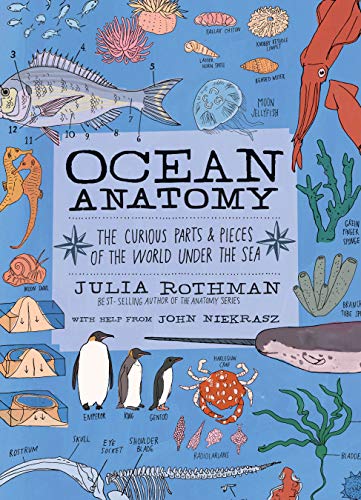
Immerse yourself in the enchanting world of “Ocean Anatomy: The Curious Parts & Pieces of the World under the Sea,” and discover why this illustrated guide by Julia Rothman is an absolute treasure for curious minds of all ages! With vibrant artwork and engaging explanations, this bestseller (published by Storey Publishing) covers everything from ocean formation to fascinating sea creature anatomy. You’ll explore the causes of seawater salinity, learn about seafaring vessels, and even confront pressing environmental issues like plastic pollution. At 224 pages, it provides an eye-opening experience that’ll make you appreciate our oceans like never before. Plunge into!
Best For: “Ocean Anatomy” is best for curious minds of all ages seeking to explore the wonders and science of the ocean.
Pros:
- Engaging Illustrations: The vibrant artwork captivates readers and enhances understanding of marine life.
- Comprehensive Content: Covers a wide range of topics from ocean formation to environmental issues, appealing to various interests.
- Educational Resource: Serves as an informative guide for both children and adults, making learning about the ocean fun.
Cons:
- Limited Depth on Complex Topics: Some scientific concepts may be presented in a simplified manner, lacking in-depth analysis.
- Physical Format: As a printed book, it may not include interactive elements that digital formats could offer.
- Niche Audience: While suitable for all ages, the specific focus on ocean anatomy may not appeal to those uninterested in marine biology.
My Life with Sea Turtles: A Marine Biologist’s Quest

Whether you’re an aspiring marine biologist or simply someone who cares about ocean preservation, “My Life with Sea Turtles: A Marine Biologist’s Quest,” published by Timber Press, is a must-read that beautifully captures the essence of these magnificent creatures. Christine Figgener shares her inspiring journey from an industrial town to Costa Rica, engaging readers with delightful anecdotes of her nighttime beach patrols and swimming alongside sea turtles. The book not only explores the ecological significance of these turtles but also highlights Figgener’s viral encounter with a plastic straw in a turtle’s nostril, sparking global change. You’ll find yourself motivated to take action!
Best For: Anyone passionate about marine conservation and the plight of sea turtles, including aspiring marine biologists and ocean advocates.
Pros:
- Engaging storytelling: Christine Figgener’s personal anecdotes make complex conservation topics accessible and relatable.
- Inspirational message: The book encourages readers to take actionable steps towards protecting sea turtles and their habitats.
- Awareness of critical issues: Highlights significant environmental challenges, such as plastic pollution, and their impact on marine life.
Cons:
- Niche audience: May be less appealing to readers who are not specifically interested in marine biology or environmental issues.
- Limited scientific detail: Some readers might seek more in-depth scientific analysis rather than personal experiences.
- Focus on one species: The emphasis on sea turtles may overlook broader marine conservation concerns and other marine species.
National Geographic Ocean: A Global Odyssey

If you’re a curious soul who’s enthusiastic to dive deep into the mysteries of the ocean, “National Geographic Ocean: A Global Odyssey” is your ideal pick! Packed with over 100 stunning maps and diagrams, this book not only explores the critical role oceans play in Earth’s climate and biodiversity but also highlights the pressing challenges we face, like climate change and plastic pollution. Written by renowned oceanographer Sylvia Earle, it inspires readers through stories of ocean champions while showcasing an incredible array of marine life—from sponges to whales. Don’t miss out on this invaluable resource for marine conservation!
Best For: Those passionate about marine conservation and eager to learn about ocean ecosystems and their importance to life on Earth.
Pros:
- In-depth insights: Offers a comprehensive exploration of ocean science, addressing both its importance and current threats.
- Visual appeal: Features over 100 maps and diagrams that enhance understanding and engagement.
- Inspirational narratives: Includes stories of ocean champions that motivate readers to take action for marine protection.
Cons:
- Heavy content: The extensive information may be overwhelming for casual readers without a background in oceanography.
- Limited hands-on activities: Primarily focuses on reading and learning, with few interactive elements for practical application.
- Potentially high cost: As a specialized book, it may be priced higher than general interest books, limiting accessibility.
An Anthology of Aquatic Life (DK Children’s Anthologies)

An Anthology of Aquatic Life (DK Children’s Anthologies) is an absolute treasure for young explorers aged 7 to 9 who are enthusiastic to plunge into the wonders of the underwater world! With over 100 aquatic lifeforms detailed through enchanting stories and vivid illustrations, this encyclopedia beckons kids to explore rivers, lakes, and oceans alike. You’ll uncover fascinating facts like how elephant seals can hold their breath for over an hour! The book’s stunning design, complete with gold foil and metallic edges, makes it a perfect gift. It’s engaging, educational, and undeniably a splendid addition to any curious kid’s bookshelf!
Best For: Young explorers aged 7 to 9 who are eager to discover the fascinating underwater world and learn about aquatic life.
Pros:
- Engaging and beautiful design, featuring gold foil and metallic edges, making it an attractive gift option.
- Over 100 aquatic lifeforms presented with captivating stories and stunning illustrations, enhancing the learning experience.
- Educational content that combines fun facts and ecological diversity, perfect for family reading or solo exploration.
Cons:
- The book may be too advanced for younger children under 7 who cannot fully grasp the concepts presented.
- Some detailed facts might overwhelm young readers who prefer simpler information.
- Limited information on specific marine ecosystems might leave some aspects of aquatic life underexplored.
Citizens of the Sea: Wondrous Creatures From the Census of Marine Life

Citizens of the Sea: Wondrous Creatures From the Census of Marine Life
- Used Book in Good Condition
For ocean enthusiasts, “Citizens of the Sea: Wondrous Creatures From the Census of Marine Life” is an absolute treasure! Published by National Geographic, this 224-page book is packed with stunning photography and an engaging narrative, showcasing the breathtaking diversity of marine life. You’ll discover that a single drop of seawater can hold more organisms than stars in the universe, enhancing your appreciation for the tiny wonders beneath the waves! With enthralling tales of unique relationships, impressive migration patterns, and extraordinary sensory abilities, you’ll never view the ocean the same way again—it’s a delightful journey you won’t want to miss!
Best For: Ocean enthusiasts and anyone curious about the diverse and fascinating life beneath the waves will find this book captivating.
Pros:
- Stunning photography: The visuals bring the beauty of marine life to life, making it an enjoyable read.
- Engaging narrative: The easygoing writing style keeps readers informed and entertained.
- Educational value: Offers insights into the complexities of marine ecosystems and the unique relationships among creatures.
Cons:
- Limited depth on specific topics: The book may not go in-depth on certain marine species or ecosystems, which some readers might desire.
- Target audience: Primarily appeals to those already interested in marine life, potentially limiting its broader appeal.
- Not a comprehensive guide: While informative, it serves more as an overview rather than a detailed reference on marine biology.
Oceanology: The Secrets of the Sea Revealed (DK Secret World Encyclopedias)

Immerse yourself in the enchanting world of “Oceanology: The Secrets of the Sea Revealed” from DK’s Secret World Encyclopedias, and you’ll discover a visually stunning resource that’s perfect for anyone fascinated by marine life! With its extraordinary photography, you’ll explore everything from microscopic plankton to majestic whales, gliding through habitats like vibrant coral reefs and mysterious mangrove swamps. This enthralling book explains marine adaptations, like the stonefish’s venom and sponges’ filtering secrets, while diving into forces shaping our oceans. Collaborating with the Smithsonian Institution, “Oceanology” offers an accessible introduction to ocean science that’s perfect for curious minds—get ready to dive deep!
Best For: Oceanology is best for curious minds, nature enthusiasts, and anyone interested in exploring the wonders of marine life and environments.
Pros:
- Stunning Visuals: Features extraordinary photography that captivates readers and showcases the beauty of marine life.
- Informative Content: Explains complex concepts like marine adaptations and oceanic forces in an accessible manner.
- Collaboration with Experts: Produced in association with the Smithsonian Institution, enhancing credibility and educational value.
Cons:
- Limited Depth on Topics: May not provide exhaustive details for advanced marine biology enthusiasts.
- Niche Audience: Primarily appeals to those specifically interested in marine life, potentially limiting broader appeal.
- Format Restrictions: As a book, it may not have interactive features found in digital resources.
Children’s Encyclopedia of Ocean Life

The “Children’s Encyclopedia of Ocean Life: An In-Depth Exploration of Our World’s Oceans” is an essential treasure for curious young minds aged 8 and up, enthusiastic to explore the mysteries of the ocean! This gem from the Arcturus Children’s Reference Library dives into enthralling topics like ocean shores, deep-sea creatures, and astonishing facts, such as how octopuses release ink. With stunning photography and helpful diagrams, it makes learning fun and engaging, perfect for school projects. You’ll find easy-to-understand information based on the latest marine biology research; it’s like a backstage pass to the wonders beneath the waves—who wouldn’t want that?
Best For: This book is best for children aged 8 and up who are curious about ocean life and looking to enhance their knowledge with engaging visuals and facts.
Pros:
- Engaging and informative content that caters specifically to the interests of children in marine biology.
- Stunning photography and helpful diagrams that make learning visually appealing and accessible.
- Research-based information that supports school projects and nurtures a deeper understanding of ocean ecosystems.
Cons:
- Limited depth of information might not satisfy older children or those looking for more advanced marine biology topics.
- Targeted age group may exclude younger children who could still benefit from simplified ocean content.
- Focus on visual elements may overshadow some textual content, leading to a less comprehensive understanding for certain readers.
Marine Biology For The Non-Biologist (Marine Life)

If you’re a curious teenager or a parent looking for a way to explore the wonders of marine life, *Marine Biology For The Non-Biologist* by Andrew Caine is an excellent choice! Tailored for ages 12 and up, this engaging book covers essential marine animal groups, from jellyfish to crab species, using a simplified writing style that makes complex topics accessible. Since its 2015 debut, it’s sold over 13,000 copies with a stellar 4.5-star rating! Immerse yourself in thrilling topics like coral reefs and deep-sea ecosystems, while also learning about pressing issues like pollution. You’ll find it both informative and enchanting!
Best For: Curious teenagers and parents seeking a comprehensive yet accessible introduction to marine biology.
Pros:
- Engaging and simplified writing style makes complex marine biology concepts understandable for younger audiences.
- Covers a wide range of marine life topics, from major animal groups to ecosystems and environmental issues.
- Strong customer feedback with a 4.5-star rating from over 470 reviews, indicating high satisfaction among readers.
Cons:
- Limited depth for advanced readers, as it caters primarily to beginners and younger audiences.
- Focuses mainly on marine animals, which may not appeal to those interested in marine plants or bacteria.
- Self-published, which may lead to variations in quality compared to traditionally published academic texts.
Factors to Consider When Choosing Marine Life Books

When you’re picking out marine life books, you’ll want to think about who will read it, like whether it’s for kids or adults. Visual appeal is huge too—books with stunning photography or illustrations really catch your eye and enhance understanding! Plus, consider the content depth and educational value: a book by an expert marine biologist can offer insights that’ll make you feel like you’re exploring the ocean yourself!
Target Age Group
Choosing the right marine life book can be a thrilling adventure, especially since different age groups require tailored content that keeps readers engaged! For younger kids, think colorful picture books with fun illustrations—like “The Deep Blue Sea: A Memoir of Our Ocean” by Jennifer Ward (32 pages) that simplifies complex topics. If you’re aiming for middle-grade readers, check out “Ocean Life: The Amazing Animals of the Sea” by Camilla de la Bedoyere, which spans 64 pages filled with fascinating tales and facts! For young adults and mature readers, “The Sea Around Us” by Rachel Carson, at 234 pages, dives deep into scientific insights that challenge your understanding of marine ecosystems. Verify the language resonates, and you’ll spark a lasting interest in our oceans!
Visual Appeal
Visual appeal plays an essential role in the allure of marine life books, as vibrant images and eye-catching designs pull readers into fascinating underwater worlds! Books like “Ocean: A Visual Encyclopedia” by Dorling Kindersley boast high-quality photographs that beautifully capture the complexity of marine ecosystems. If you’re looking to engage younger audiences, consider options with 3D CGI images that make marine creatures leap off the page (no scuba gear required!). Don’t underestimate the power of diagrams and infographics—these tools simplify complex ecological relationships and anatomy. Plus, aesthetic touches like metallic elements or lively colors easily grab attention! When stunning imagery combines with clear, concise text, you’ll find essential facts stick with you—often longer than that last snack on your plate!
Content Depth
As you immerse yourself in the world of marine life books, consider the content depth that best suits your interests and knowledge level! If you’re a younger reader, look for books that simplify complex ideas, making them engaging and fun. For deeper exploration, titles like “Marine Biology For The Non-Biologist” provide thorough discussions on animal groups and ecosystems, with about 300 pages packed with intriguing facts! Visual aids—diagrams, vibrant photography—help clarify intricate concepts, enhancing your learning experience. Some books narrate enthralling anecdotes, while others delve into biodiversity and conservation issues, so think about what excites you most! Plus, educational resources like companion journals can really enrich your understanding, keeping you updated on the latest marine research! So plunge in!
Educational Value
The joy of discovering marine life books lies in their educational value, which can spark curiosity and deepen your understanding of the ocean’s wonders! When choosing a marine life book, look for content grounded in the latest research, like “The Sea Around Us” by Rachel Carson, filled with stunning photography and illustrative diagrams that make complex ideas clear. Engaging narratives can inspire further exploration, so check out “The Soul of an Octopus” by Sy Montgomery for fascinating facts. Books that simplify tough topics, such as “Ocean: A Visual Encyclopedia” by DK, appeal to non-biologists and younger readers alike. Plus, including essential discussions on conservation, like in “Saving Sea Turtles” by Anne Schreiber, can awaken your passion for ocean preservation!
Author Expertise
When hunting for the perfect marine life book, considering the author’s expertise can make all the difference in your reading experience! Look for authors with strong backgrounds in marine biology or conservation—this credibility enriches the book’s content. Authors who’ve immersed themselves in marine environments, like seasoned marine biologists or researchers, often share invaluable firsthand insights that bring facts to life. Check for their previous publications in reputable journals; this shows they actively contribute to marine science. Their affiliations with respected institutions, such as universities or conservation organizations, reflect their commitment to accuracy, too! Finally, make sure the author can explain complex scientific concepts clearly, especially if the book targets younger audiences or casual readers—engagement matters! Happy reading!
Frequently Asked Questions
What Age Group Are These Marine Life Books Suitable For?
These marine life books are suitable for various age groups, with some aimed at curious kids ages 6-12, like “National Geographic Kids: Oceans,” packing vivid images and fun facts. Others, like “The Sea Around Us” by Rachel Carson, capture the minds of teens and adults with in-depth prose and striking illustrations, perfect for anyone age 14 and up. So plunge in—there’s something oceanic for everyone who’s ready to explore the depths!
Are There Any Audiobooks Available on Marine Life?
Absolutely, there are fantastic audiobooks on marine life! You could check out “The Soul of an Octopus” by Sy Montgomery, published by Atria Books. It’s a fascinating exploration of octopuses that spans about 288 pages, but the audiobook really brings it alive with her vivid storytelling. Another option is “Underwater Wilderness” by Michael M. Smith, from Ocean Books, which dives deep while only taking about 7 hours to listen—perfect for an adventurous drive!
Where Can I Buy These Marine Life Books?
You can buy marine life books on platforms like Amazon, Barnes & Noble, and independent local bookstores. For instance, “The Soul of an Octopus” by Sy Montgomery (256 pages) beautifully blends science and storytelling, while “The Book of Coral Propagation” by Dr. Emma Camp (200 pages) offers practical insights for enthusiasts. These gems not only educate but also enchant—the perfect combo! So, immerse yourself and explore your options to find the perfect read!
Do These Books Include Illustrations and Photographs?
Most of these marine life books are packed with stunning illustrations and photographs that bring the ocean’s wonders to life. For example, “The Encyclopedia of Marine Life” (published by DK) features over 400 pages of vibrant imagery. You’ll find enchanting visuals in “Coral Reef” from Firefly Books, too—perfect for anyone (like you!) wanting to see the beauty of underwater ecosystems. Trust me, you won’t want to miss these visual feasts!
Can I Find Marine Life Books at My Local Library?
You can find a variety of marine life books at your local library. Look for titles like “The Sea Around Us” by Rachel Carson (often around 200 pages), which beautifully captures the ocean’s essence. Libraries also often showcase stunning atlases or guides, packed with vivid illustrations. Just explore those shelves—who knows what treasures await you? Remember, reading about the ocean is almost as exciting as diving into it yourself!


