As an Amazon Associate, we earn from qualifying purchases. Some links on this site are affiliate links at no extra cost to you. Our recommendations are based on thorough research and editorial judgment.


10 Best Nature Photography Books to Inspire Your Next Adventure

If you’re itching to boost your nature photography skills, check out “National Geographic Simply Beautiful Photographs” (Annie Griffiths) for stunning images! “The New Art of Photographing Nature” (Art Wolfe) is a fantastic guide for composition, and “National Geographic Stunning Photographs” offers an awe-inspiring collection of visuals. Don’t miss “Ansel Adams in the National Parks” for classic landscapes, or “The Photo Ark” for a unique wildlife perspective. There’s so much more to explore—just wait until you see what else awaits!
Key Takeaways
- Explore captivating imagery and techniques in “The New Art of Photographing Nature” to enhance your photography skills during adventures.
- Discover the breathtaking landscapes and wildlife in “Treasured Lands: A Photographic Odyssey Through America’s National Parks.”
- Gain inspiration from compelling narratives and stunning visuals in “Wise Trees,” showcasing the cultural significance of historical trees.
- Experience the thrill of adventure sports depicted in “There and Back: Photographs from the Edge” by Jimmy Chin.
- Delve into conservation storytelling and striking animal portraits in “The Photo Ark” to inspire your adventures in wildlife photography.
You may be interested



Recommended Products



Get Ready To Impress: Transform your space into a realm of sophistication with these realistic decor books! The lovely coffee table books are destined to steal the spotlight as coffee table decor or bookshelf decor, leaving your guests in awe of your aesthetic taste
National Geographic Simply Beautiful Photographs


If you’re a nature lover or photography enthusiast looking to elevate your collection, “National Geographic Simply Beautiful Photographs” is an absolute gem! Curated by award-winning photographer Annie Griffiths, this stunning book presents engrossing images—like breathtaking landscapes, vibrant wildlife, and intimate portraits—organized into themed chapters that spotlight various aspects of beauty. Each section emphasizes elements like light, motion, and wonder, enriched with thoughtful essays and poetic quotes. With its exquisite visuals and the option to purchase prints, this 256-page hardcover book invites you to experience the world’s beauty like never before—a must-have for any dedicated photography lover!
Best For: This book is best for nature lovers and photography enthusiasts seeking to enhance their visual collection with stunning images and thematic explorations of beauty.
Pros:
- Features exquisite photography from National Geographic’s renowned collection.
- Organized into thematic chapters that focus on various aesthetic elements, enriching the reader’s understanding of beauty.
- Offers the option to purchase prints of featured images, elevating the experience beyond just viewing.
Cons:
- The focus on photography may not appeal to those who prefer textual literature or narrative content.
- Some readers may find the price of the book higher compared to standard photography collections.
- Limited interactivity as the book primarily showcases images without extensive informational content about each photograph.
The New Art of Photographing Nature: An Updated Guide to Composing Stunning Images

The New Art of Photographing Nature: An Updated Guide to Composing Stunning Images is a must-have for anyone enthusiastic to elevate their nature photography game, whether you’re a budding enthusiast or a seasoned pro looking to refine your skills. Co-authored by master photographer Art Wolfe and former Audubon photo editor Martha Hill, this revised edition includes insights on composition and small changes that can make a significant difference in your shots. With over 250 stunning visuals, you’ll see what works and what doesn’t, plus modern tech tips from digital imaging expert Tim Grey. Get ready to transform your photos!
Best For: This guide is best for nature photography enthusiasts, from beginners to seasoned professionals, looking to enhance their skills and understanding of composition.
Pros:
- In-depth insights on composition from expert photographers, helping readers elevate their photography skills.
- Visual examples of over 250 stunning photographs demonstrate effective techniques and common pitfalls.
- Modern technology tips provided by a digital imaging expert to maximize the benefits of digital photography.
Cons:
- Revised content may not offer significantly new information for readers of the original edition.
- Focus on composition might not appeal to those looking for technical aspects of photography such as camera mechanics.
- Price of the guide may be a factor for beginners on a tight budget looking for free resources.
Recommended Products


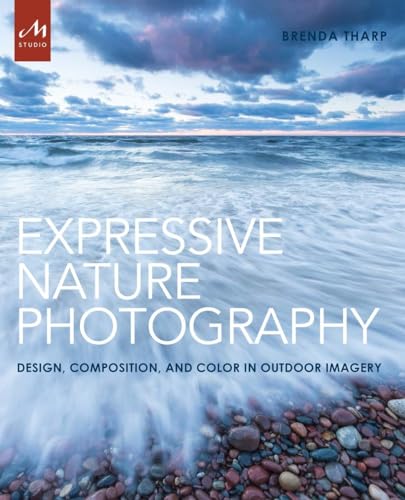
National Geographic Stunning Photographs

For those who find joy in capturing the beauty of our world, National Geographic’s “Stunning Photographs” is a must-have addition to your bookshelf! This incredible collection showcases breathtaking moments, featuring everything from an exploding firecracker to a sunset over a red-rock valley. Each striking image radiates energy and unfiltered beauty, inviting you to appreciate life’s emotions and experiences. With inspiring quotes woven throughout, the book deepens your connection to the imagery and themes. Perfect for anyone enthusiastic to explore vibrant colors and textures, this 400-page masterpiece, published by National Geographic, will certainly fuel your creative spirit and adventures!
Best For: Anyone who appreciates the beauty of nature and seeks inspiration through stunning visual imagery.
Pros:
- Diverse imagery showcasing a wide range of natural and emotional moments.
- Inspiring quotes that enhance the connection to the visuals and themes presented.
- High-quality publication that serves as an attractive addition to any bookshelf.
Cons:
- Limited textual content may leave some readers wanting more context about the images.
- Potentially high price for a coffee table book compared to standard photography books.
- Specific appeal primarily to photography enthusiasts or nature lovers, which may exclude broader audiences.
Wise Trees
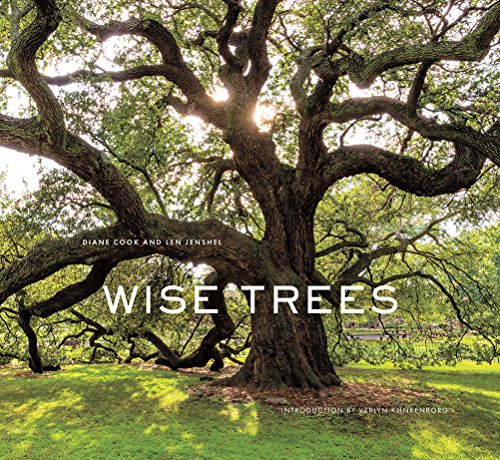
Nature lovers and aspiring photographers will find *Wise Trees*, published by Abrams, to be an irresistible addition to their collections! This stunning book by Diane Cook and Len Jenshel showcases over 50 historical trees, each with significant stories shaping cultures and lives worldwide. You’ll marvel at the resilience of trees like the 9/11 Survivor Tree and Luna, the Coastal Redwood. As you flip through its vibrant pages, you’ll appreciate not just the beauty but the profound connection between humanity and these natural wonders. With its engaging narrative and breathtaking visuals, it’s perfect for anyone seeking inspiration for their next adventure!
Best For: Nature lovers, aspiring photographers, and history enthusiasts looking for inspiration through incredible stories and striking visuals of historical trees.
Pros:
- Offers stunning photography and engaging narratives that connect readers to nature and its history.
- Features over 50 notable trees with significant cultural and historical relevance, appealing to a wide audience.
- Encourages environmental awareness and appreciation for the resilience of nature.
Cons:
- May be less appealing to those not particularly interested in nature or photography.
- The focus on historical trees may limit the range of topics covered for some readers.
- Price point may be higher than other standard photography books, affecting accessibility.
There and Back: Photographs from the Edge

If you’re an adventurer at heart or simply love the thrill of breathtaking landscapes, “There and Back: Photographs from the Edge” by Jimmy Chin is a must-have for your coffee table. This New York Times Bestseller showcases over 200 stunning photographs that capture extraordinary moments in adventure sports—from skiing down the majestic slopes of Mount Everest to traversing the rugged terrain of Antarctica’s Queen Maud Land. Chin invites you behind-the-scenes with enthralling narratives about photographing in intense conditions alongside legendary adventurers like Alex Honnold. Trust me, this book not only inspires wanderlust but will also take your breath away!
Best For: Adventure enthusiasts and photography lovers looking for inspiration through stunning visuals and compelling narratives.
Pros:
- Breathtaking Visuals: Over 200 extraordinary photographs that capture awe-inspiring moments in adventure sports.
- Behind-the-Scenes Insights: Engaging stories about the challenges of photographing in extreme conditions.
- Diverse Adventures: Features thrilling accounts from renowned adventurers and a wide range of captivating locations around the globe.
Cons:
- Limited Text Content: The focus on photography might mean less in-depth exploration of each adventure or location’s history.
- High Price Point: Coffee table books can be expensive and may not fit every budget.
- Niche Audience: Primarily caters to those with a keen interest in adventure sports or photography, possibly limiting broader appeal.
Treasured Lands: A Photographic Odyssey Through America’s National Parks

Imagine holding in your hands a beautifully crafted, coffee table gem that deftly bridges the gap between stunning photography and the awe of America’s natural wonders—welcome to “Treasured Lands: A Photographic Odyssey Through America’s National Parks.” This book isn’t just a collection of images; it’s a visual journey that brings the majesty of all 63 national parks right into your living room, making it the perfect gift for nature enthusiasts and aspiring photographers alike. Celebrated photographer QT Luong’s work spans over 600 breathtaking images, complete with insightful location notes and maps—perfect for anyone ready to explore America’s treasured natural heritage!
Best For: Nature lovers, photography enthusiasts, and anyone looking to explore and appreciate America’s national parks through stunning visuals.
Pros:
- Award-winning photography: Features over 600 breathtaking images recognized with multiple accolades.
- Comprehensive guide: Includes maps and location notes that enhance the viewer’s understanding and connection to the parks.
- Inspiration for exploration: Encourages readers to visit and appreciate the beauty of national parks in person.
Cons:
- Coffee table size: May take up significant space in smaller homes or apartments.
- Limited textual content: Focuses heavily on visuals, which may not satisfy readers seeking in-depth written narratives.
- Price point: As a premium coffee table book, it may be considered expensive for some buyers.
National Geographic Photo Basics: The Ultimate Beginner’s Guide to Photography

For anyone enthusiastic to jump into the world of photography—whether you’re wielding a DSLR or capturing moments with your smartphone—”National Geographic Photo Basics: The Ultimate Beginner’s Guide to Photography” is your go-to resource! Written by renowned photographer Joel Sartore, this insightful 208-page guide covers essential concepts like lighting, composition, and exposure. You’ll love how Sartore uses examples from his stunning portfolio across genres such as travel, nature, and family! With pro tips, quick assignments, and practical insights, you’ll rapidly elevate your photography skills. Grab this book, and let it ignite your creative journey—your future masterpieces await!
Best For: Aspiring photographers seeking to improve their skills in capturing great images using either DSLR cameras or smartphones.
Pros:
- Covers essential photography fundamentals such as lighting, focus, and composition, making it a comprehensive guide for beginners.
- Includes practical examples from the author’s work, which provides relatable insights across various photography styles.
- Offers pro tips and quick assignments that encourage hands-on learning and help users apply techniques immediately.
Cons:
- Might be too basic for advanced photographers looking for in-depth or technical content.
- Focuses primarily on digital photography, which may not appeal to those interested in film photography techniques.
- Limited information on advanced camera settings, which could leave some users wanting more detailed technical guidance.
Recommended Products


National Geographic The Photo Ark: One Man’s Quest to Document the World’s Animals
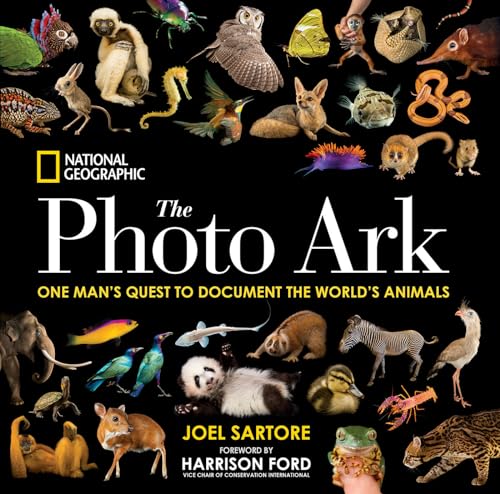
National Geographic’s “The Photo Ark: One Man’s Quest to Document the World’s Animals” is a must-have for anyone passionate about wildlife conservation and stunning photography. This enthralling book showcases over 6,000 striking portraits by Joel Sartore, who aims to document 12,000 animal species, especially those on the brink of extinction. Each image tugs at your heart, combining humor and compassion to deepen your connection with these incredible creatures. Written by Douglas Chadwick, the compelling narratives guide you through the importance of biodiversity. Plus, with an inspiring foreword by Harrison Ford, you’ll feel driven to support conservation efforts. Don’t miss this gem!
Best For: Wildlife enthusiasts and conservation advocates who cherish captivating photography and are passionate about preserving biodiversity.
Pros:
- Stunning Visuals: Features over 6,000 breathtaking animal portraits that capture the beauty and uniqueness of species.
- Compelling Narratives: Accompanying writings by Douglas Chadwick add depth and context, enhancing the reader’s understanding of conservation.
- Inspiring Foreword: Provides motivation and a call to action for readers through an inspiring introduction by Harrison Ford.
Cons:
- Limited Audience Appeal: Those uninterested in wildlife or photography may not find the book engaging.
- Heavy Focus on Endangered Species: The emphasis on endangered animals might overshadow the diversity of other species.
- Potentially High Price Point: Depending on the edition, the cost may be a barrier for some wildlife lovers or educators.
Ansel Adams in the National Parks: Photographs from America’s Wild Places
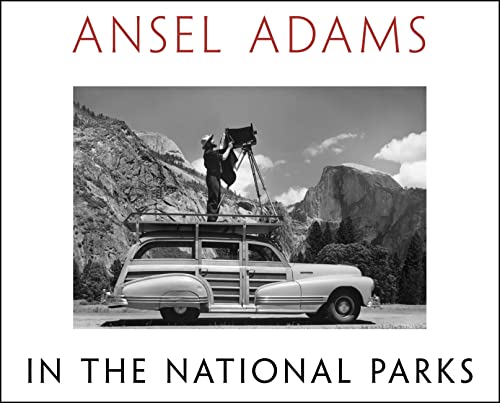
If you’re an admirer of breathtaking landscapes or a devoted fan of Ansel Adams, then “Ansel Adams in the National Parks: Photographs from America’s Wild Places” is a must-have treasure in your collection! This stunning book showcases over 200 photographs, including many rare gems and never-before-published images, capturing the awe inspiring beauty of iconic places like Yosemite and Yellowstone. Edited by Andrea G. Stillman, this compelling volume includes insightful quotes from Adams himself and essays by literary luminaries. If you cherish America’s wilderness, this book will ignite your passion for nature photography and inspire your next adventure!
Best For: Ansel Adams enthusiasts and anyone who appreciates the stunning beauty of America’s national parks.
Pros:
- Comprehensive Collection: Features over 200 photographs, including rare and unpublished images.
- Expertly Curated: Edited by Andrea G. Stillman, providing valuable insights and context.
- Inspiring Content: Includes quotes from Ansel Adams and essays by notable writers, enhancing the reader’s experience.
Cons:
- Limited Availability: Some images may be rare, making it challenging to find similar works elsewhere.
- Niche Appeal: Primarily interests fans of nature photography or Ansel Adams; may not attract a broader audience.
- Price Point: As a photographic collection, it could be viewed as expensive compared to standard photography books.
National Geographic Rarely Seen: Photographs of the Extraordinary

Immerse yourself in the mesmerizing world of “National Geographic Rarely Seen: Photographs of the Extraordinary,” and you’ll discover a treasure trove for every photography aficionado and nature lover alike! This breathtaking New York Times bestseller features stunning imagery capturing unique moments and places rarely glimpsed by the public. From 30,000-year-old cave art to giant crystals weighing over 50 tons, each page reveals the wonders of our planet, showcasing remarkable talent through renowned photographers and an introduction by Stephen Alvarez. With 256 pages filled with awe-inspiring visuals, you’ll enthusiastically flip through, preparing for your next adventure into the extraordinary!
Best For: Photography enthusiasts and nature lovers looking to experience rare and extraordinary visuals from around the world.
Pros:
- Stunning high-quality photography showcasing seldom-seen events and natural wonders.
- Features a wide range of subjects, from ancient art to unique geological phenomena.
- Introduced by a reputable National Geographic photographer, adding credibility and insight.
Cons:
- May not appeal to those who prefer mainstream or widely recognized images.
- Limited accessibility to experience some of the showcased wonders in person.
- Higher price point typical of collector’s series photography books.
Factors to Consider When Choosing Nature Photography Books

When you’re picking out a nature photography book, it’s essential to take into account factors like the subject matter focus, the photographer’s unique style, and how well the book presents its visuals. You’ll want to think about the educational value, too—does it offer insights that enrich your understanding of the natural world? Finally, don’t forget to think about who the intended audience is; different titles appeal to various levels of interest and expertise, making some books perfect gifts (or essential buys) for budding photographers!
Recommended Products


Subject Matter Focus
Choosing the right nature photography book can feel like a delightful adventure, especially considering how much the subject matter shapes your experience! Think about what really excites you—whether it’s stunning landscapes, enthralling wildlife, or the intricate beauty of trees. Books like “The Secret Lives of Trees” (Timber Press, 250 pages) explore unique natural wonders, enriching your appreciation and understanding. Also, consider whether a book emphasizes themes of conservation, which can add valuable context, such as “Wildlife Conservation in Photos” (National Geographic, 200 pages). Look for specialized focuses too; rare species or breathtaking phenomena elevate your educational experience. The right subject matter not only influences engagement but also ignites your adventurous spirit, inspiring you to explore the wonders around you!
Photographer’s Style and Techniques
Exploring the intricacies of a photographer’s style and techniques can enrich your experience with nature photography books, allowing you to appreciate each image on a deeper level! Pay attention to how different photographers convey emotions through their work—some evoke serenity, while others might inspire adventure. Look for books that showcase diverse techniques, like the stunning natural light captures or creative compositions found in “Wildlife Photographer of the Year” (this one’s packed with vibrant colors!). Understanding the choice of subjects, from landscapes to macro shots, helps you connect with the photographer’s passion. Books featuring unique methods such as long exposure or dynamic depth of field will not only enhance your skills but also ignite your own creativity!
Visual Quality and Presentation
Visual quality and presentation can transform a nature photography book from just pages of pictures to an immersive experience that captivates your senses! When you pick a book, look for high-resolution images that boast intricate details and vibrant colors; after all, you want to feel like you’re walking through that forest or standing beside that majestic animal! Opt for well-thought-out layouts that group photos thematically, enhancing your journey through the pages. Thicker, glossy paper can make colors pop and textures shine. If you find books with thoughtful essays or quotes, grab them—these elements deepen your connection to the images. Remember, the design should let the photographs breathe, without competing text or busy layouts (Aesthetically pleasing matters!). Enjoy your adventure!
Educational Value and Insights
A gorgeous collection of images can spark curiosity and inspire anyone to pick up a camera, but a nature photography book that offers educational value takes the experience to another level! When you choose a book, look for those that explore composition techniques, revealing how small tweaks can transform good photos into great ones. Books like “The Nature Photographer’s Complete Guide” (120 pages, Rocky Nook) cover essential principles of light and color, blending aesthetic insights with practical tutorials. Plus, many include post-processing tips, which are gold for refining your skills! Inspirational quotes alongside stunning visuals deepen your appreciation for the craft, turning your reading experience into a thoughtful journey, much like a well-structured adventure in the wild!
Intended Audience and Appeal
When you’re picking a nature photography book, it’s essential to think about who’ll be diving into its pages, as this choice can make all the difference in their enjoyment and learning experience! For instance, if you know someone who adores the environment, “Wise Trees” is a lovely fit, while beginners might find “National Geographic Photo Basics” super helpful. If your audience craves in-depth content, they’ll appreciate “Treasured Lands,” which beautifully highlights national parks. On the other hand, adventure-lovers often gravitate toward personal narratives like “There and Back.” Don’t forget the emotional impact! Books like “National Geographic Rarely Seen” spark curiosity and wonder with stunning visuals—just the thing to inspire anyone’s next trip (or armchair adventure!). Happy hunting!
Frequently Asked Questions
Recommended Products

Improved Dual Pixel CMOS AF and eye detection AF 24.1 Megapixel CMOS (APS-C) sensor with is 100–6400 (H: 12800)

75-300 millimeter telephoto zoom lens with f 4-5.6 maximum aperture for Canon SLR cameras

✔ COMPATIBLE WITH ALL SMARTPHONES, TABLETS, and LAPTOPS including ALL iPhone models, Samsung Galaxy and Note, Google Pixel, Huawei and more. CONTENTS INCLUDE: TruView 0.45x Wide Angle Lens, Clarus 15x Macro Lens, TruGrip Lens Clip, GlowClip Mini Rechargeable LED Light + Charging Cable, Quick-Release Lanyard, DuraCase, EasyClip, and Cleaning Cloth.
What Types of Cameras Do Professional Nature Photographers Typically Use?
Professional nature photographers typically use DSLRs like Canon 5D Mark IV or Nikon D850, but many are switching to mirrorless options like the Sony A7R IV. These cameras offer excellent image quality and robust weather sealing, perfect for outdoor conditions. Lenses vary from wide-angle for landscapes to telephoto for wildlife shots, allowing you to capture stunning detail (which you’ll definitely want!). With the right gear, you’ll be ready for any adventure!
How Do I Choose the Best Lens for Nature Photography?
Choosing the best lens for nature photography is like picking the perfect piece of cake—there’re so many delectable options! Generally, you can’t go wrong with a versatile zoom lens, like a 24-70mm; it’s great for landscapes and wildlife alike. For stunning detail, try a macro lens, showcasing nature’s tiniest wonders. Don’t forget about wide-angle lenses for sweeping vistas! Evaluate your style and shoot location, and you’ll find your ideal match!
What Time of Day Is Best for Nature Photography?
The best time for nature photography is typically during golden hour—just after sunrise and before sunset. The soft lighting creates stunning colors and enhances shadows, making scenes come alive! Plus, early mornings offer vibrant wildlife activity, while evenings can wrap the day in serene beauty (with fewer people around, too). So grab your gear, head out early or late, and capture those magical moments that’ll make you feel like a true artist!
How Can I Improve My Photography Skills Besides Reading Books?
You can elevate your photography skills by practicing consistently; try carrying your camera daily! For example, challenge yourself to capture a different theme each week, like “Textures,” focusing on surfaces in nature. Join local photography groups or online forums where you can share your work, receive constructive feedback, and engage in friendly critiques. Additionally, experimenting with various settings and lighting conditions helps you discover your style while honing your technical skills—like finding treasure without a map!
Are There Online Courses for Nature Photography Beginners?
Absolutely, there are fantastic online courses for nature photography beginners! Platforms like Udemy and Skillshare offer courses that cover everything from basic techniques to advanced editing skills. For instance, “Nature Photography: Capturing the World’s Beauty” on Udemy has over 10,000 students enrolled and provides step-by-step guidance. Plus, you can learn at your own pace, which is a definite bonus! So grab your camera and let’s get snapping—you’ve got this!


