As an Amazon Associate, we earn from qualifying purchases. Some links on this site are affiliate links at no extra cost to you. Our recommendations are based on thorough research and editorial judgment.

10 Best Oil Painting Books to Elevate Your Artistic Skills

If you’re looking to elevate your oil painting skills, check out “The Beginner’s Guide to Oil Painting” by Craig Stephens (22 projects, awesome color mixing tips). Don’t miss “The Oil Painter’s Color Handbook” by Todd M. Casey for in-depth color theory! For something fun, grab “Painting with Bob Ross,” which offers step-by-step landscape guidance. Each book provides clear instructions and practical exercises that cater to all skill levels. Let’s explore more fantastic titles that’ll inspire your artistic journey!
Key Takeaways
- “The Beginner’s Guide to Oil Painting” offers 22 projects with step-by-step instructions, ideal for enhancing skills in color mixing and textural effects.
- “1,500 Color Mixing Recipes for Oil, Acrylic & Watercolor” simplifies color mixing with durable recipes, catering to various skill levels.
- “The Elements of Landscape Oil Painting” breaks down landscape components and provides practical demonstrations, making it perfect for intermediate artists.
- “Kathleen Staiger’s Course” presents a structured learning path with engaging lessons, diagrams, and illustrations for mastering oil painting fundamentals.
- Authors with formal art education ensure credibility, enhancing the learning experience through simplification of complex concepts.
The Beginner’s Guide to Oil Painting

You may be interested


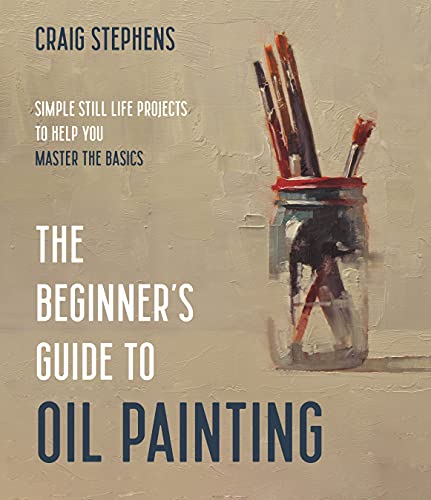
If you’re new to the world of art and enthusiastic to explore your creative side, “The Beginner’s Guide to Oil Painting” by Craig Stephens is the perfect starting point for you! Published by Search Press, this engaging 128-page guide takes you through 22 exciting projects designed to build your skills. Craig’s step-by-step directions, paired with helpful images, make each technique easy to understand and replicate. You’ll learn essential tasks like color mixing and creating textural effects while capturing beautiful light in your work! So grab your brush (challenge accepted!) and release your artistic potential with this timeless medium!
Best For: Beginners looking to explore oil painting and develop their artistic skills through structured projects.
Pros:
- Comprehensive Guidance: Step-by-step instructions with images make learning accessible to novices.
- Skill Development: 22 projects focus on key techniques like color mixing and textural painting.
- Timeless Medium: Oil painting is presented as a long-lasting art form, encouraging ongoing practice and enjoyment.
Cons:
- Limited Scope: Focus on beginner techniques may not satisfy more experienced artists seeking advanced skills.
- Material Costs: Initial investment in oil paints and brushes can be higher than other mediums.
- Time-Consuming: Oil painting often requires longer drying times, which may be frustrating for those looking for quicker results.
The Elements of Landscape Oil Painting Techniques
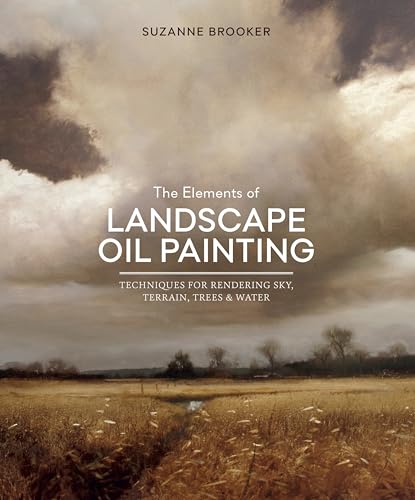
For anyone enthusiastic to immerse themselves in the vibrant world of landscape oil painting, “The Elements of Landscape Oil Painting” is a must-have resource! This extensive guide by renowned instructor Suzanne Brooker, approximately 224 pages long, breaks down landscapes into essential components like sky, terrain, trees, and water. You’ll appreciate the clear demonstrations and colorful samples from skilled painters, which illustrate techniques for tackling challenging elements (no more drowning in uncertainty!). With essential tools and color mixing tips, you’ll be well-prepared to elevate your skills. Immerse yourself, and watch your landscapes come to life with newfound depth and vibrancy!
Best For: This guide is best for both novice and experienced artists looking to enhance their landscape oil painting skills.
Pros:
- Clear breakdown of essential landscape components, making it easier to learn and master.
- Includes demonstrations and samples from renowned painters to inspire and guide your practice.
- Offers practical tools and techniques for effective color mixing and observation.
Cons:
- May be overwhelming for complete beginners due to the depth of information.
- Some advanced artists might find the techniques somewhat basic and not challenging enough.
- The focus on specific elements might limit the exploration of more abstract or unconventional landscape styles.
1,500 Color Mixing Recipes for Oil, Acrylic & Watercolor
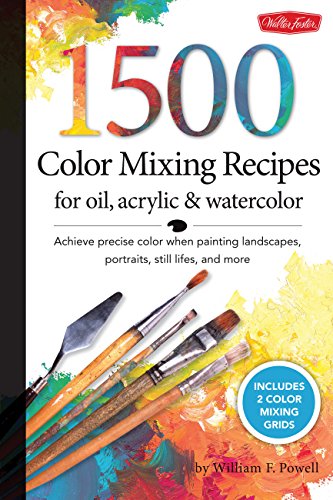
Color mixing can sometimes feel like charting a maze, but “1,500 Color Mixing Recipes for Oil, Acrylic & Watercolor” is a true lifesaver for artists of all levels who want to master their palette! Published by Walter Foster, this informative book not only has a durable spiral binding, but it also features wipeable glossy pages—perfect for those accidental splatters (we’ve all been there!). With easy-to-follow, four-step mixing instructions, you’ll locate your desired colors—from landscapes to portraits—in no time. Plus, you’ll get helpful insights into color theory to elevate your skills. Immerse yourself and release your creativity today!
Best For: Artists of all levels looking to simplify color mixing and enhance their painting skills with precise formulas and detailed guidance.
Pros:
- Durable spiral binding and wipeable glossy pages make it user-friendly in the studio.
- Comprehensive color mixing instructions simplify the process and save time.
- Foundational color theory education enhances understanding and application of color in art.
Cons:
- Some users may find the sheer number of recipes overwhelming.
- Focus on specific mediums may limit applicability for artists using unconventional painting methods.
- The need for removable plastic color-mixing grids may be seen as an extra expense for some.
The Oil Painter’s Color Handbook: A Guide to Color Mixing and Harmony

The Oil Painter's Color Handbook: A Contemporary Guide to Color Mixing, Pigments, Palettes, and...
- The Oil Painter's Color Handbook: A Contemporary Guide to Color Mixing, Pigments, Palettes, and Composition: A Contemporary Guide to Color Mixing, Pigments, Palettes, and...
Every oil painter, whether a budding artist or a seasoned professional, will find immense value in “The Oil Painter’s Color Handbook: A Contemporary Guide to Color Mixing, Pigments, Palettes, and Harmony” by Todd M. Casey. This extensive guide breaks down complex color theory into easily digestible lessons, making it accessible for all skill levels! Packed with illustrative charts, diagrams, and finished artworks, it covers everything from light and value to advanced mixing strategies. Plus, you’ll discover insightful exercises to refine your technique! Endorsed by notable artists, this book is a must-have for anyone serious about mastering their color skills!
Best For: Artists, art students, instructors, amateurs, and hobbyists at all skill levels looking to enhance their understanding of color mixing and harmony in oil painting.
Pros:
- Comprehensive coverage of color theory with clear, digestible lessons and practical examples.
- Illustrative visuals including charts and diagrams that enhance learning and comprehension.
- Challenging exercises that allow readers to practice and apply their newly acquired techniques.
Cons:
- May be overwhelming for complete beginners due to the depth of information provided.
- Focuses primarily on oil painting, which might not appeal to artists working in other mediums.
- Limited real-world application as the exercises may require additional materials or studio setup.
Painting with Bob Ross: Learn to paint in oil step by step!
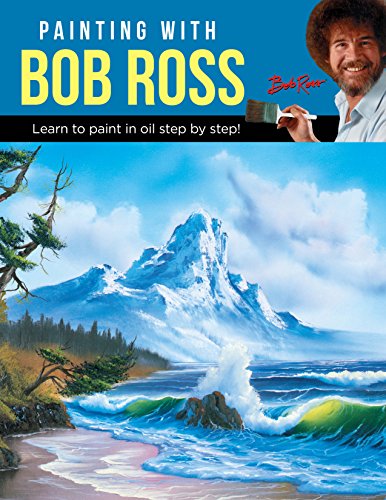
If you’ve ever felt the urge to explore the world of oil painting but weren’t sure where to start, *Painting with Bob Ross: Learn to paint in oil step by step!* is your perfect companion! This guide, rich in vibrant illustrations and clear instructions, offers 16 engaging projects that walk you through various landscapes. From mountains to forest rivers, Bob’s approachable techniques like brush loading and knife painting make this book accessible for all skill levels. With heartfelt encouragement woven throughout, you’ll feel empowered to embrace your creativity and, as Bob said, create “happy accidents.” You won’t want to miss it!
Best For: Beginners and aspiring artists looking to learn oil painting through step-by-step guidance in a relaxed and encouraging environment.
Pros:
- Clear and accessible instructions suitable for all skill levels.
- 16 engaging projects that cover a variety of landscapes, making it easy to follow along.
- Encouraging philosophy that promotes creativity and embraces “happy accidents.”
Cons:
- Limited to landscapes, which may not appeal to those interested in other art forms.
- Some may find the pace slower if they are already familiar with painting techniques.
- Requires purchasing specific materials and tools, which may be an added cost for beginners.
Encyclopedia of Oil Painting Techniques
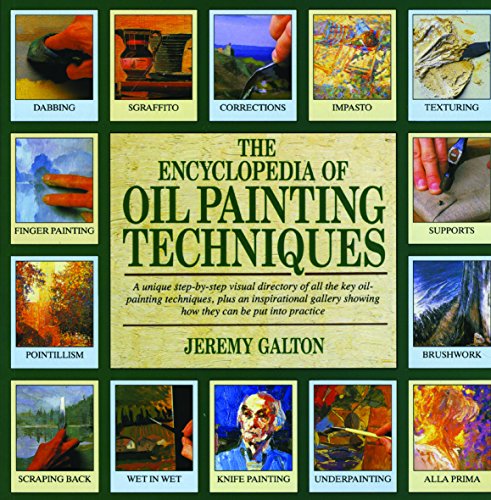
For artists seeking an extensive and engaging guide to oil painting techniques, the “Encyclopedia of Oil Painting Techniques” by Jeremy Galton is an unmatched treasure! With its A-Z structure, you’ll explore essential skills like wet-into-wet applications and effective brushwork that truly define your art. Published by Search Press, this hardcover beauty spans over 256 pages, featuring fabulous step-by-step demonstrations that make learning enjoyable for everyone, from beginners to seasoned pros! Plus, Galton sparks your creativity with innovative ideas, like mixing oil paints with sand or sawdust. So, gear up to elevate your artistry and truly transform your skills!
Best For: Artists of all skill levels looking to enhance their oil painting techniques and creativity.
Pros:
- Comprehensive Coverage: The A-Z structure covers a wide range of fundamental techniques, making it easy to follow.
- Visual Learning: Step-by-step demonstrations provide clear guidance, ideal for visual learners.
- Innovative Ideas: Encourages experimentation with unique combinations and various application tools.
Cons:
- Overwhelming Information: The extensive content may be daunting for complete beginners.
- Limited Focus on Advanced Techniques: May not dive deeply into advanced techniques for experienced artists.
- Physical Size: The hardcover format may be bulky for some artists to carry around or use in small spaces.
Fill Your Oil Paintings with Light & Color
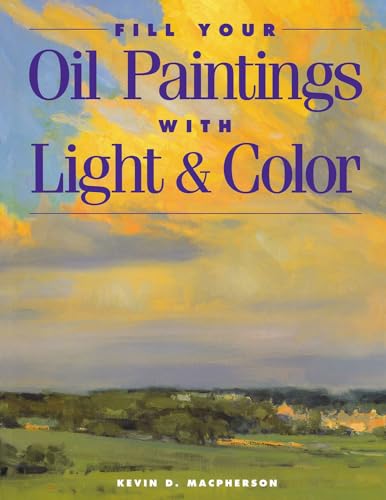
Are you ready to transform your oil paintings into vibrant showcases of light and color? Immerse yourself in Kevin Macpherson’s work, where rich colors and glowing impressions captivate the eye. His techniques emphasize bold, direct brushstrokes, making it simple to replicate the essence of a scene. Macpherson’s step-by-step guidance in his books offers accessible ways for artists of all skill levels to express their creativity. Unearth your own vibrant style and evoke emotion through impressionistic techniques that celebrate dynamic compositions! Grab one of his books, and let the adventure of light and color unfold on your canvas—who knows what masterpieces await you?
Best For: Aspiring artists of all skill levels who wish to enhance their oil painting techniques and explore the vibrancy of light and color.
Pros:
- Instant Access: Step-by-step instructions make it easy for anyone to start painting and experiment with colors.
- Artistic Growth: Techniques promote quick execution, allowing for immediate expression and development of personal style.
- Emotional Connection: Impressionistic approach helps artists evoke emotions and atmosphere in their works, enriching viewer engagement.
Cons:
- Learning Curve: While accessible, mastering the techniques may still require practice and dedication.
- Material Costs: Oil painting can involve higher costs for quality materials compared to other mediums.
- Messiness Factor: Oil paints can be more difficult to clean up and require careful handling compared to acrylics or watercolors.
Painting into the Light: How to work atmospheric magic with your oil paints
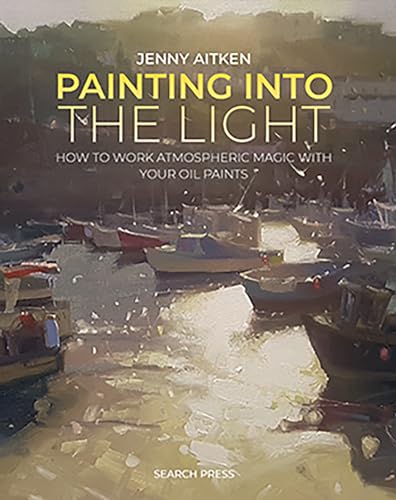
Revealing the secrets of atmospheric magic with “Painting into the Light” by Jenny Aitken, perfect for intermediate artists enthusiastic to master the elusive art of capturing light! This guide, published by Harper Design with 160 pages chock-full of color and technique, teaches you how to create glowing artworks, especially by working contre-jour. You’ll discover techniques like tonal control, simplification, and the secrets of color accuracy! Aitken even shares tips for both outdoor and indoor scenes, emphasizing the significance of location. Plus, her troubleshooting section reassures you that any painting can be salvaged. You’ll feel empowered to paint into the light!
Best For: Intermediate artists looking to enhance their skills in capturing light and creating atmospheric effects in their oil paintings.
Pros:
- Teaches essential techniques for achieving magical light effects, especially in contre-jour compositions.
- Includes comprehensive guidance for both indoor and outdoor painting, making it versatile for various settings.
- Features a troubleshooting section that encourages artists and helps them to resolve challenges with their work.
Cons:
- Might not be suitable for beginners who lack foundational oil painting skills.
- Focused primarily on light effects, which may limit broader painting techniques.
- Requires a certain level of commitment to practice and apply the techniques effectively.
The Oil Painting Course for Beginners and Experienced Artists
Oil Painting Books like “The Oil Painting Course You’ve Always Wanted” by Kathleen Staiger stand out as an incredible resource, especially for those who want a structured path to artistic mastery. With over thirty-five years of teaching experience, Staiger clarifies oil painting’s complexities using engaging lessons that blend clear text, vivid diagrams, and helpful illustrations. You’ll explore essential skills like brush control, color mixing, and creating breathtaking landscapes! This book caters to everyone—whether you’re a hobbyist or a seasoned artist enthusiastic to refine your craft. Many of Staiger’s students have even exhibited and sold their work, proving her methods truly elevate your artistry!
Best For: This course is best for hobby painters, art students, and seasoned artists looking to enhance their oil painting techniques and gain artistic confidence.
Pros:
- Comprehensive lessons that gradually build skills and techniques.
- Engaging teaching style with clear text, diagrams, and illustrations.
- Proven success with many students exhibiting and selling their artwork.
Cons:
- May be overwhelming for complete beginners due to the depth of content.
- Requires access to specific oil painting materials and tools.
- The pace may not suit all learners, particularly those who prefer faster progression.
The New Oil Painting: Your Essential Guide to Materials and Safe Practices
Sale

The New Oil Painting: Your Essential Guide to Materials and Safe Practices
- UNIQUE APPROACH: Not only does this book help aspiring artists build a repertoire of skills and materials it also offers all artists regardless of their experience levels...
If you’re an aspiring artist keen to immerse yourself in oil painting without the worry of toxic materials, then “The New Oil Painting: Your Essential Guide to Materials and Safe Practices” is your perfect companion! Authored by Kimberly Brooks, this 208-page gem simplifies the often intimidating world of oil painting by eliminating harsh chemicals and offering innovative, solvent-free techniques. With clearly illustrated diagrams and easy-to-follow chapters, it caters to both beginners and seasoned painters alike. You’ll appreciate the practical guidance that transforms your creative process into a safe and enjoyable experience, ensuring your art practice is as enriching as it is environmentally friendly!
Best For: Aspiring artists who want to learn oil painting safely and without the use of toxic materials.
Pros:
- Promotes a solvent-free painting practice, ensuring artists’ health and environmental safety.
- Includes helpful diagrams and structured chapters making it user-friendly for both beginners and experienced painters.
- Author Kimberly Brooks brings significant expertise and credibility, enhancing the book’s value as a resource.
Cons:
- Limited to oil painting techniques, which may not appeal to artists interested in other mediums.
- Some novice artists may still find oil painting complex despite the simplified approach.
- The focus on solvent-free methods might not resonate with traditionalists who prefer conventional techniques.
Factors to Consider When Choosing Oil Painting Books

When you’re choosing oil painting books, consider how well they match your skill level—whether you’re a newbie or a seasoned artist—and the depth of content they offer! You’ll also want to look for visual learning features like illustrations, as they’re super helpful in grasping techniques quickly, not to mention how vital the author’s credentials can be—reading a pro’s tips is always a win! Finally, make sure the book includes fun projects and exercises to keep your creativity flowing, because who doesn’t love a hands-on approach (even if it means some messy fun)?
Skill Level Appropriateness
Steering through the world of oil painting books can feel a bit overwhelming, especially with the sheer variety of options out there, but choosing one that aligns perfectly with your skill level can make all the difference! If you’re a beginner, look for titles like “Oil Painting for the Beginner” by Joe McGlynn, which features clear, accessible language and step-by-step projects. For seasoned artists, books such as “The Art of Oil Painting” by William E. Davis explore complex color theory and refine advanced techniques. Always check that the book’s content matches your goals and interests—whether you’re into landscapes, portraits, or abstract styles—ensuring a smoother learning journey. You’ll feel more motivated and excited about your progress!
Content Depth and Breadth
Finding the right oil painting book can be a game-changer for your artistic journey, especially since some titles explore deep into advanced concepts while others focus on the basics. Look for books like “Oil Painting for the Beginner” by Charles Evans or “The Oil Painting Course You’ve Always Wanted” by Kathleen O’Brien, which thoroughly cover everything from fundamental techniques to advanced color theory. You want structured lessons with clear explanations and practical projects, like those found in “The Complete Oil Painter” by Brian Gorst. Assess whether the book dives into specifics like composition, texture, and light, and don’t forget to check for insights on materials—these elements are essential (trust me, you’ll thank yourself later)! Happy painting!
Visual Learning Features
A fantastic oil painting book can truly elevate your skills, especially when it includes engaging visual learning features! Look for books that offer step-by-step instructions with images, which make it so much easier to grasp those tricky techniques. Books like “Oil Painting for the Absolute Beginner” by Angela Gair, for instance, showcase demonstration paintings and examples from skilled artists, providing much-needed visual context. You’ll also love diagrams that illustrate color mixing strategies or brush techniques—perfect quick references while you practice! Progression images showing various stages of finished works offer inspiring visual transformations. Plus, hands-on exercises paired with visual guidance empower you to experiment and build confidence in applying what you’ve learned. Trust me, these features will revolutionize your artistic journey!
Author’s Credentials and Experience
When diving into the world of oil painting books, the credentials and experience of the author can make all the difference in your learning journey! Look for authors with formal art education, extensive teaching backgrounds, or impressive years in the field—these factors enhance their credibility. Plus, if they’ve published other works, you can trust their expertise even more! Professionals who’ve practiced art also offer real-world insights and practical tips, which every aspiring artist craves. Don’t forget to check for endorsements from reputable artists or organizations; they often signal the quality of the book’s content. Ultimately, an author’s ability to break down complex concepts makes those intricate techniques easier for you, whether you’re just starting out or refining your skills!
Project and Exercise Availability
Diving into the vibrant world of oil painting becomes even more exhilarating with a well-chosen book that includes exciting projects and exercises! Look for titles that provide structured, step-by-step guidance—this approach can boost your confidence immensely. Books like “Oil Painting for the Beginner” by J. W. Books offers a treasure trove of projects, spanning still lifes, landscapes, and portraits, giving you ample opportunities to explore and refine various techniques. Aim for resources that include essential skills like color mixing and texture painting—these are foundational! Plus, a higher number of projects means you’ll have plenty to practice and track your progress as you develop your skills (who doesn’t enjoy seeing their growth?). Don’t miss out on hands-on learning!
Material and Technique Coverage
To truly enhance your oil painting journey, it is essential to contemplate books that provide in-depth material and technique coverage, as this knowledge forms the backbone of your artistic practice. Look for books that explore important materials—think oil paints, brushes, and surfaces—giving you a solid foundation for your work! Titles like “The Oil Painter’s Handbook” by Andrew G. McClelland (200 pages) provide thorough insights. Also, seek texts that break down techniques like color mixing and layering, complemented by step-by-step demonstrations that facilitate hands-on learning. Opt for books addressing various styles, like impressionistic or realistic techniques, to align with your preferences. This way, you’re not just painting; you’re developing a unique artistic voice—how exciting is that?!
Safety Practices Emphasis
As you explore the world of oil painting, finding books that emphasize safety practices alongside artistic techniques can greatly enrich your journey. Look for titles that promote solvent-free practices, ensuring a healthier environment—something essential in today’s art world! Guides from publishers like North Light Books often include innovative, eco-friendly alternatives to harmful solvents, which can enhance both your health and the planet. Additionally, seek resources detailing how to set up a safe painting space, especially if you’re a beginner enthusiastic to immerse yourself! Prioritize books that clearly outline safety guidelines with technical instruction—this balanced approach will help you build a strong foundation of knowledge (without compromising your well-being). Happy painting, and stay safe!
Style Variety Presentation
Selecting the right oil painting book can feel like starting on an artistic adventure, and it’s vital to choose one that resonates with your personal style and aspirations! Look for books that align with your artistic preferences, whether you lean toward impressionistic, realistic, or abstract styles—this guarantees you’re engaged! An excellent pick should showcase a variety of projects for all skill levels, paving your path from beginner to pro. Also, check for clear step-by-step images and diagrams; these visuals enhance the learning experience dramatically. Prioritize books that emphasize essential topics like color mixing and composition, and those that include practical exercises to help you refine your skills methodically. Happy painting!
Frequently Asked Questions
Can Oil Painting Books Improve My Artistic Skills Significantly?
Absolutely, oil painting books can greatly enhance your artistic skills! They provide structured techniques, color theory, and step-by-step projects that help you practice (sometimes while spilling paint—oops!). For instance, “The Oil Painting Book” by Bill Creevy (144 pages, Macmillan) is a fantastic choice, filled with demonstrations. You’ll love the inspiring visuals and practical exercises! Just think, each page could reveal your potential—so grab a brush, and let’s make some art!
Are There Online Resources Accompanying These Oil Painting Books?
Many oil painting books come with online resources, like video tutorials or downloadable worksheets, enhancing your learning experience. For instance, “The Oil Painter’s Bible” by Marylin Scott features a companion website with extra tips. Publishers like Walter Foster often include QR codes in their books, linking to online demonstrations. This mix of physical and digital content really ramps up your skills, making it a fun adventure (no brush strokes required!). So, immerse yourself!
How Do I Choose the Right Oil Painting Book for My Skill Level?
Choosing the right oil painting book for your skill level’s like finding a needle in a haystack—except this needle can transform your artwork! Start by evaluating whether you’re a beginner or more advanced; books like “Oil Painting for the Absolute Beginner” (published by Search Press, 128 pages) offer a solid foundation. If you’re intermediate, try “The Oil Painting Course You’ve Always Wanted” (TarcherPerigee, 320 pages), which dives deeper into techniques. Happy painting!
Do These Books Cover Both Theory and Practical Exercises?
Absolutely, many of these books plunge into both theory and practical exercises! For instance, “Oil Painting for Dummies” (Wiley, 384 pages) breaks down techniques while providing hands-on projects. You’ll also find “The Oil Painting Book” by Bill Creevy (Watson-Guptill, 144 pages) which balances concepts with step-by-step exercises, making it super engaging for learners. With their mix of guidance and practice, you’ll feel empowered and ready to paint your heart out!
What Is the Average Cost of Quality Oil Painting Books?
You can expect quality oil painting books to cost anywhere from $15 to $50, depending on the publisher and features. For example, “The Oil Painting Course You’ve Always Wanted” by Kathleen Staiger, priced around $25 with over 200 pages, combines insightful theory with practical exercises. Or check out “Oil Painting Secrets From a Master” by Jerry Yarnell, often found for $30, packed with tips and stunning visuals that’ll inspire you!


