As an Amazon Associate, we earn from qualifying purchases. Some links on this site are affiliate links at no extra cost to you. Our recommendations are based on thorough research and editorial judgment.
10 Best Renaissance Art Books That Every Art Lover Must Read

If you’re enthusiastic to immerse yourself in Renaissance art, you’ve got to check out *The Oxford Illustrated History of the Renaissance* (Oxford University Press), *Caravaggio (Basic Art Series 2.0)* (Taschen), and *Hieronymus Bosch: The Complete Works* (Hulsberg). These picks boast vibrant visuals, insightful narratives, and creative layouts! Don’t miss *Florence: The Paintings & Frescoes, 1250-1743* for an exclusive collection! Join me as we discover even more enthralling titles that every art lover must know!
Key Takeaways
- *The Oxford Illustrated History of the Renaissance* provides a broad cultural context essential for understanding the era’s impact on art and society.
- *Caravaggio (Basic Art Series 2.0)* features engaging narratives and vibrant images that highlight the artist’s dramatic use of light and shadow.
- *Hieronymus Bosch. The Complete Works* presents a focused analysis of Bosch’s unique style, complemented by high-quality reproductions of his paintings.
- *Renaissance Art: A Beginner’s Guide* is an accessible introduction for newcomers, featuring diverse artistic representations and vibrant color plates.
- *Florence: The Paintings & Frescoes, 1250-1743* offers a comprehensive collection with insightful essays on art and politics, showcasing nearly 2,000 works.
The Oxford Illustrated History of the Renaissance

You may be interested


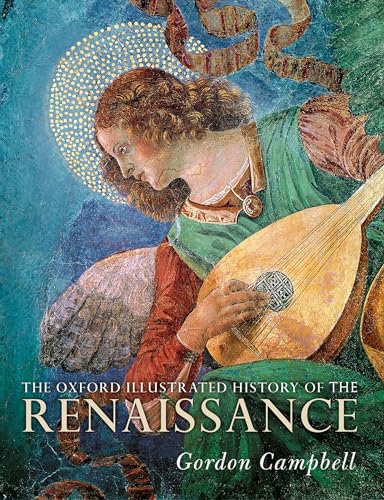
If you’re looking for a rich exploration of the Renaissance that goes beyond the art of Raphael and Michelangelo, *The Oxford Illustrated History of the Renaissance* is perfect for you! This volume, edited by Gordon Campbell and published by Oxford University Press, spans 368 pages filled with enthralling insights. It dives into themes like humanism, literature, and science, broadening your understanding of this transformative period. You’ll discover the Renaissance’s geographical scope, from Italy to Spain and beyond, and gain a fresh perspective on its cultural significance. This isn’t just an art book—it’s a must-read for any Renaissance enthusiast! Grab your copy!
Best For: Those looking to deepen their understanding of the Renaissance beyond just its artistic achievements, including students, historians, and enthusiasts of cultural history.
Pros:
- Offers a comprehensive exploration of diverse themes such as humanism, literature, and science during the Renaissance.
- Expands the geographical narrative to include regions beyond Italy, enhancing the global context of the period.
- Provides a fresh perspective on the cultural significance of the Renaissance, making it suitable for a wide audience.
Cons:
- The focus on a broader cultural history may not satisfy readers seeking a purely art-centric account of the Renaissance.
- At 368 pages, it might feel lengthy for casual readers or those looking for a quick overview.
- The Editorial guidance by Gordon Campbell could mean some readers might find the tone or approach not aligned with their personal learning style.
Caravaggio (Basic Art Series 2.0)
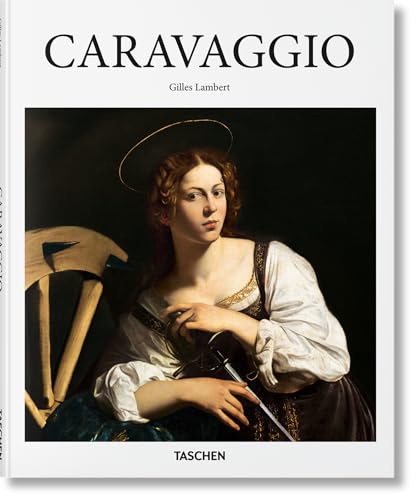
For those who crave a deeper understanding of Caravaggio’s tumultuous life and groundbreaking art, “Caravaggio (Basic Art Series 2.0)” by TASCHEN is an absolute must-have! This stunning book unpacks over 50 of Caravaggio’s revolutionary works, blending vibrant images with engaging narratives about his dramatic life—think brawls, debts, and, oh yes, that pesky murder charge! With crisp details illuminating his masterful use of light and shadow, you’ll see how he transformed sacred scenes into visceral human experiences. Spanning 96 pages, this compact gem is perfect for both casual readers and dedicated art lovers looking to explore the essence of Baroque beauty!
Best For: Art enthusiasts and casual readers seeking to explore the life and works of Caravaggio through a visually engaging and informative format.
Pros:
- Rich Visuals: Over 50 stunning images of Caravaggio’s revolutionary works enhance the reading experience.
- Engaging Narrative: Combines art analysis with intriguing details about Caravaggio’s tumultuous life, making it accessible for all.
- Compact Format: At 96 pages, the book is perfect for both quick reads and in-depth exploration of Baroque art.
Cons:
- Limited Depth: The concise format might not satisfy readers looking for exhaustive analysis of Caravaggio’s techniques and impact.
- Potentially Graphic Content: Some readers may find the visceral portrayal of human emotion and scenes unsettling.
- Biographical Focus: Those interested primarily in a technical art study may find the emphasis on Caravaggio’s personal life distracting.
Hieronymus Bosch. The Complete Works. 45th Ed. (45th Edition)
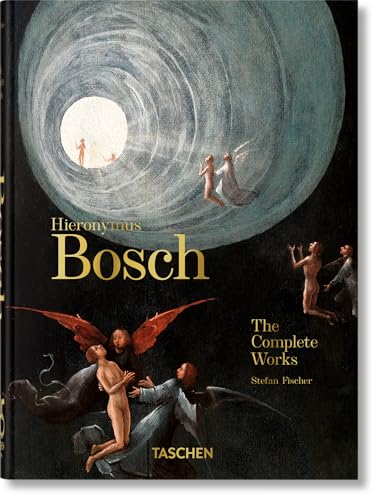
Discovering “Hieronymus Bosch. The Complete Works. 45th Ed.” is a thrilling venture into the surreal domains of a master artist. This compact edition, filled with rich full spreads and insightful details, brings Bosch’s haunting visions to life. You’ll explore 20 enthralling paintings and eight intricate drawings, delving into his unique themes of hybrid creatures and nightmarish scenarios. Art historian Stefan Fischer’s expert analysis helps illuminate Bosch’s cryptic masterpieces, offering greater understanding! Published by Taschen, with a page count that’s perfect for perfecting your coffee table (or chair) reading, this edition is certainly a must-have for any art lover!
Best For: Art enthusiasts and students looking to deepen their understanding of Hieronymus Bosch’s unique style and themes.
Pros:
- High-quality reproductions of Bosch’s paintings and drawings enhance visual appreciation.
- Expert analysis by art historian Stefan Fischer provides valuable insights into Bosch’s work.
- Compact format makes it easy to display and enjoy, perfect for coffee table reading.
Cons:
- Limited to 28 works, which may not satisfy those seeking a more extensive collection.
- The compact size may result in smaller details being less visible compared to larger editions.
- Some may find Bosch’s nightmarish themes unsettling, which might limit the audience appeal.
Renaissance Art: A Beginner’s Guide
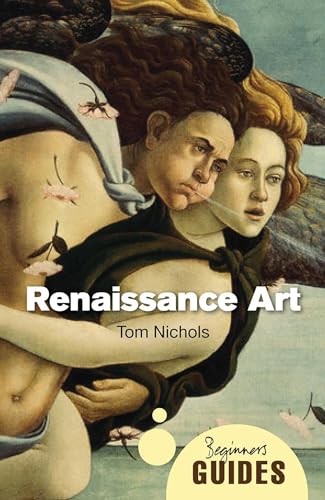
Renaissance Art: A Beginner's Guide
- Orders are despatched from our UK warehouse next working day.
Renaissance art books are an absolute gem for anyone diving into the fascinating world of this revolutionary artistic movement! You’ll discover key artists like Jan van Eyck, Leonardo da Vinci, and Michelangelo, who changed the course of art in the fifteenth century. The diversity of their styles and themes is truly groundbreaking, with works that transcend time. Consider grabbing a book by Tom Nichols, filled with vibrant color plates and engaging discussions—perfect for visual learners! These guides offer a clear introduction to the complexities and historical significance of Renaissance Art. Start your journey today, and let the beauty unfold before you!
Best For: Beginners who are eager to explore the complexities and historical significance of Renaissance Art through engaging discussions and visual aids.
Pros:
- Engaging visual context: Features vibrant color plates that enhance understanding of the art and artists.
- Accessible introduction: Provides a clear and straightforward overview suitable for those new to Renaissance Art.
- Diverse artistic representation: Showcases a variety of key artists and their groundbreaking works, appealing to different aesthetic preferences.
Cons:
- Limited depth: May not satisfy more advanced art enthusiasts looking for in-depth analysis.
- Potentially overwhelming: The diversity of styles and themes could be confusing for complete beginners.
- Focus on specific artists: Some readers may seek a broader spectrum of artists not covered in detail.
Florence: The Paintings & Frescoes, 1250-1743

If you’re passionate about art history or planning a trip to Florence, “Florence: The Paintings & Frescoes, 1250-1743″ is an absolute must-have for your collection! This stunning volume showcases nearly 2,000 never-before-published works, featuring masterpieces by iconic artists like Giotto, Michelangelo, and Botticelli. With insightful essays by Ross King and art historian Anja Grebe, you’ll explore the interplay of politics and art that shaped Florence’s rich heritage. The beautifully packaged slipcase presentation, complete with removable posters illustrating both historic and modern Florence, makes this edition not only informative but an exquisite addition to any art lover’s library. Grab your copy now!
Best For: Art enthusiasts, historians, and travelers planning a trip to Florence who want to deepen their understanding of the city’s artistic heritage.
Pros:
- Comprehensive Collection: Features nearly 2,000 never-before-published paintings and frescoes by renowned artists.
- Insightful Essays: Includes essays by experts that explore the relationship between art, politics, and society in Florence.
- Attractive Presentation: Beautifully packaged in a slipcase with removable posters, enhancing its value for display and gifting.
Cons:
- Limited Availability: The exclusive nature of the collection may make it hard to find in bookstores.
- Price Point: As a high-quality art book, it may be more expensive than typical art history books.
- Heavy Focus on Florence: Those seeking a broader perspective on Italian art may find it overly concentrated on Florentine works.
Michelangelo. The Complete Works. Paintings, Sculptures, Architecture

For art enthusiasts and history lovers alike, “Michelangelo. The Complete Works. Paintings, Sculptures, Architecture” is an essential read! Published by TASCHEN, this stunning volume spans 672 pages, filled with ten richly illustrated chapters showcasing Michelangelo’s masterpieces. You’ll explore his iconic works like the mesmerizing Sistine Chapel frescoes and perfect sculptures, including Pietà and David. The book not only celebrates his diverse talents but also offers an engaging biographical essay that examines his personal traits and impact on the Renaissance. With full-page reproductions and detailed enlargements, you’ll truly appreciate Michelangelo’s unparalleled artistic expression!
Best For: Art enthusiasts and history lovers who want to delve into the life and works of Michelangelo in a comprehensive format.
Pros:
- Richly illustrated with full-page reproductions and detailed enlargements, enhancing visual appreciation of Michelangelo’s artistry.
- Provides an engaging biographical essay that offers insights into Michelangelo’s personal life and the Renaissance cultural environment.
- Covers a broad range of works, including paintings, sculptures, and architecture, making it a well-rounded resource on the artist.
Cons:
- At 672 pages, the volume may be cumbersome for casual readers or those looking for a quick overview.
- The detailed content may be overwhelming for readers unfamiliar with art history or Michelangelo’s significance.
- Limited to Michelangelo’s works, may not cater to those interested in other artists of the Renaissance period.
The Art of the Renaissance: A Captivating Guide to Masterpieces and Artists
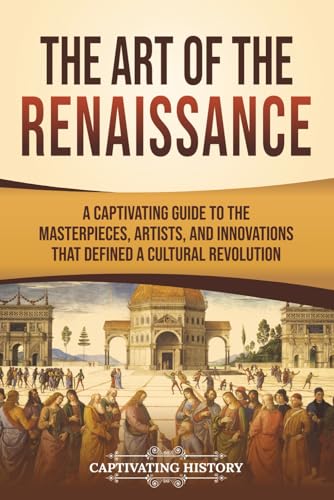
Plunge into a treasure trove of creativity and genius with “The Art of the Renaissance: A Fascinating Guide to Masterpieces and Artists,” published by the esteemed Thames & Hudson. This full-color gem, packed with striking visuals, covers everything from early 15th-century Florence to Michelangelo’s peak. Discover revolutionary techniques, influential patrons like Cosimo de’ Medici, and how the spirit of classical antiquity shaped artistic expression. With its compelling narrative, this intriguing guide invites you to explore the cultural dynamics that made the Renaissance our modern foundation. Don’t miss out on this essential read—dive in and reveal the wonders of an extraordinary era!
Best For: Art enthusiasts, students, and anyone interested in the transformative impact of the Renaissance on creative expression.
Pros:
- Visually captivating: The full-color presentation enhances the appreciation of artistic masterpieces.
- Comprehensive coverage: Includes a wide range of topics, from techniques and materials to influential patrons and regional variations.
- Engaging narrative: Presents the history and cultural dynamics of the Renaissance in an accessible and compelling way.
Cons:
- Limited depth in specific topics: Some may find that the book does not dive deeply enough into certain artists or techniques.
- Regional focus varies: The coverage may be uneven for readers interested in specific areas outside Italy.
- Not a scholarly resource: May lack the rigor of academic texts, which could be a drawback for more serious students of art history.
Botticelli (Basic Art)
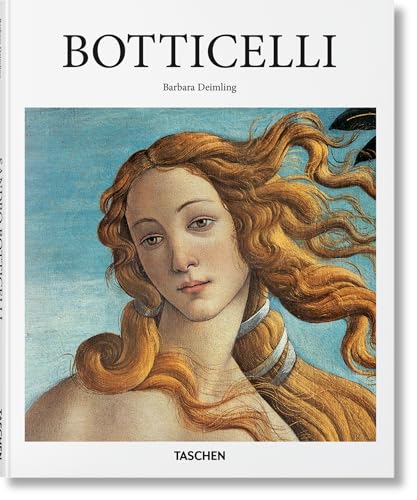
Botticelli’s enchanting art, particularly his breathtaking masterpieces like *The Birth of Venus* and *Primavera*, makes Renaissance Art Books a perfect choice for anyone enthusiastic to immerse themselves in the world of Early Renaissance wonders! *Botticelli (Basic Art)*, published by Taschen, is a gem, offering 96 beautifully illustrated pages that reveal his delicate details and fluid compositions. You’ll find insights into his religious and mythological scenes, showcasing how this Florentine legend shaped art history. With its compact size and lavish imagery, it’s ideal for anyone wanting to appreciate Botticelli’s serene beauty and enduring influence—trust me, you won’t want to miss it!
Best For: Anyone passionate about Early Renaissance art and looking to explore the masterpieces of Sandro Botticelli.
Pros:
- Offers a visually stunning collection of Botticelli’s work with 96 beautifully illustrated pages.
- Provides insights into both his religious and mythological scenes, enhancing appreciation of his artistry.
- Compact size makes it convenient for art enthusiasts to carry and explore.
Cons:
- Limited in-depth analysis; some readers may prefer a more comprehensive exploration of Botticelli’s life and influences.
- The focus on just a couple of masterpieces may not satisfy those looking for a broader range of his works.
- Aesthetically pleasing but may lack critical commentary for scholars or more serious art critics.
What Great Paintings Say. Masterpieces in Detail (Bibliotheca Universalis)
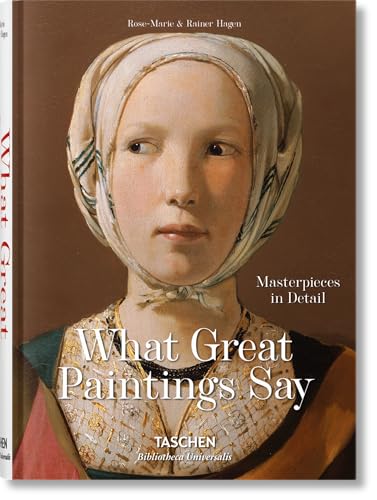
If you’ve ever wondered about the stories hidden beneath the surface of iconic art pieces, “What Great Paintings Say. Masterpieces in Detail” can be your guide! This engaging book by Rose-Marie and Rainer Hagen unpacks masterpieces, revealing nuances spanning from Ancient Egypt to the Roaring Twenties. You’ll find remarkable insights into symbolism, like the significance of a bride’s posture or a man’s beret! With methodical analysis likened to piecing together a jigsaw puzzle, this 352-page gem (published by Taschen) immerses you in art’s historical and cultural contexts. Get ready for an artistic journey that’ll deepen your appreciation for these timeless works!
Best For: Art enthusiasts and students looking to deepen their understanding of iconic paintings and their cultural significance.
Pros:
- Offers detailed insights into the symbolism and historical context of various masterpieces.
- Engages readers with a comprehensive exploration from Ancient Egypt to modern art movements.
- Utilizes a methodical analysis that enhances appreciation of intricate details in famous artworks.
Cons:
- May be complex for casual readers unfamiliar with art history.
- The focus on symbolism might not appeal to those looking for a straightforward art appreciation guide.
- Requires a time investment to fully engage with the detailed analysis throughout the 352 pages.
Vatican: All the Paintings and Artifacts Collection
Sale

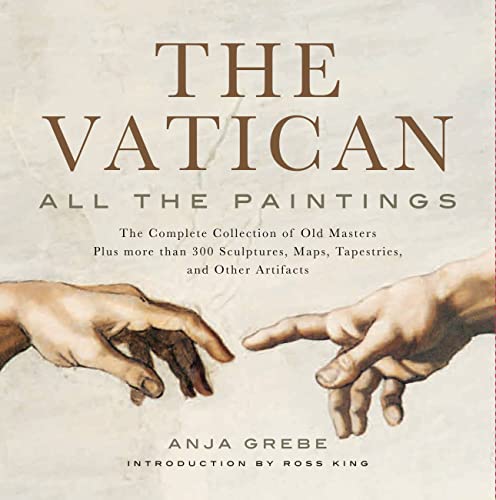
Vatican: All the Paintings: The Complete Collection of Old Masters, Plus More than 300 Sculptures...
- Used Book in Good Condition
For anyone captivated by art history or planning a trip to the Vatican, “Vatican: All the Paintings” is an absolute must-have! This deluxe slipcased edition features 976 remarkable works, showcasing masterpieces from Old Masters to modern art across 22 sections, like the famous Sistine Chapel and Raphael Rooms. With contributions from esteemed art historian Anja Grebe, you’ll dive deep into 180 iconic pieces and their key attributes. It’s a New York Times bestseller, so you know it’s exceptional! Whether you’re an art lover, student, or traveler, this book is sure to enrich your appreciation of the Vatican’s impressive art collection!
Best For: Art lovers, students, and travelers interested in the historic art collections of the Vatican.
Pros:
- Comprehensive coverage of 976 works of art, from Old Masters to modern pieces.
- Features insightful discussions on 180 iconic artworks by reputable art historian Anja Grebe.
- Beautifully presented in a deluxe slipcased edition, making it an attractive addition to any bookshelf.
Cons:
- The extensive amount of information may be overwhelming for casual readers.
- Some readers might find the book’s focus on historical context less appealing if they prefer contemporary art.
- The price point may be higher than standard art books, which could be a barrier for some potential buyers.
Factors to Consider When Choosing Renaissance Art Books

When you’re picking Renaissance art books, consider not just the depth and breadth of content, but also the stunning visual quality of illustrations that can truly bring the artwork to life! You’ll want to look for authors with proven expertise and credibility, who provide historical context and highlight diverse artists to enrich your understanding. Think about whether you prefer hardcover or paperback editions, as well as page counts that suit your reading style, since the right book can genuinely transform your appreciation of this vibrant period in art history!
Content Depth and Breadth
Choosing the right Renaissance art book can feel like wandering through a labyrinth of styles and themes, especially since every title covers a unique tapestry of influences and historical narratives! When selecting, consider the chronological span; dive from early figures like Dante and Giotto in the thirteenth century all the way to Spain’s decline in the 1630s. Look for books that explore varied themes—humanism, statecraft, and religion—giving you a richer understanding of Renaissance culture. Don’t overlook geographical ranges; some texts offer insights beyond Italy, touching on distant cultures like China and Japan. The depth of analysis from knowledgeable authors can truly illuminate the art, making every page a enthralling journey. Happy reading!
Visual Quality of Illustrations
Selecting a Renaissance art book means not just exploring narratives and themes, but also appreciating the stunning visual quality of the illustrations. You’ll want high-resolution reproductions that showcase the subtle textures and brushstrokes of artists like da Vinci and Michelangelo! Look for publishers like Taschen or Thames & Hudson, known for vibrant color plates that truly capture the essence of the original works. Books featuring removable posters or fold-out pages, like the “Renaissance Art: A Very Short Introduction” by Jill Burke, add a dynamic touch that enhances engagement. Plus, thoughtful layouts help tell compelling stories, connecting various pieces within their historical contexts. Investing in quality visuals elevates your experience, making every page a visual feast!
Author Expertise and Credibility
Exploring Renaissance art books becomes much more rewarding when you consider the author’s expertise and credibility, as these qualities markedly shape your understanding of the art. It’s essential to assess the author’s background in art history or Renaissance studies—look for those with multiple reputable publications or contributions to recognized journals. Authors connected to respected institutions like The Met or Harvard University often bring a wealth of knowledge, enhancing their insights! Additionally, accolades or awards can signal their authority in the field (because who doesn’t love a shiny trophy?). Finally, a skilled author can present complex historical information in an accessible way, making your reading experience both educational and enjoyable—perfect for impressing your friends at dinner parties!
Historical Context Provided
Diving into the rich tapestry of Renaissance art, it’s essential to understand the historical context that envelops this fascinating period! Start by exploring “The Renaissance: A Short History” by Paul Johnson (2000, HarperCollins), an engaging overview that highlights key figures and themes in just 224 pages. You’ll find it covers the era’s milestones, from humanism to artistic innovations like oil painting and perspective. Look for books that discuss the broader geographical scope, including contributions from Spain and Northern Europe, as they reveal the period’s diversity. Also, don’t overlook the influence of patrons, especially the Medici family in Florence! Understanding these factors will elevate your appreciation of the art and the societal influences that shaped it—trust me, it’s worth it!
Inclusion of Diverse Artists
Have you ever wondered how the stories of overlooked artists can change our understanding of the Renaissance? A great Renaissance art book should spotlight both iconic figures like Leonardo da Vinci and lesser-known talents such as Sandro Botticelli and Hieronymus Bosch. Look for publications that cover a range of regional styles from across Europe, ensuring diverse cultural influences are represented! Including women artists, often overlooked in history, enriches your perspective. Check out “Women Artists of the Renaissance” by Mary D. Garrard (2007, 272 pages) for an in-depth exploration! Ideally, books should balance both secular and religious themes, enhancing your grasp of the era’s dynamic artistry. This mix truly makes for a vibrant, holistic exploration—trust me, you’ll love it!
Educational Value Offered
When you’re choosing Renaissance art books, look for those that offer a rich educational experience—this might mean seeking out titles that deliver an engaging overview of key artists, styles, and techniques that define the period. Books like “Renaissance Art: A Very Short Introduction” from Oxford University Press (about 144 pages) provide concise insights, while more thorough texts like “The Lives of the Artists” by Vasari (around 480 pages) explore individual artist narratives. Prioritize volumes that feature stunning color plates, as they invite direct engagement with artworks. Additionally, essays or knowledgeable commentary can illuminate the cultural dynamics and innovations of the Renaissance, making complex themes accessible (not just for art historians!). You’ll find your understanding deepening with each turn of the page!
Frequently Asked Questions
What Are the Main Themes Explored in Renaissance Art?
Renaissance art explores humanism, focusing on individual experience and emotion, showcasing naturalistic landscapes, and reviving classical themes. You’ll notice a celebration of beauty, perspective, and anatomy, along with religious narratives presenting depth and complexity. Artists like Da Vinci and Michelangelo investigate the human form, while others emphasize light and shadow, creating striking contrasts. This period’s vibrant creativity makes it thrilling to study, and you won’t want to miss those masterpieces!
How Did Renaissance Art Influence Modern Art Movements?
Renaissance art sparked a revolution that lit the way for modern movements, blending realism with emotion. Artists like Van Gogh and Picasso drew inspiration from these earlier masters, embracing perspective and human expression. You can see echoes of this influence in abstract and surrealism, as they challenge perceptions and emotions. It’s fascinating how the spirit of the Renaissance pulses through contemporary works! So, immerse yourself in art history to appreciate these connections—trust me, you’ll love it!
Who Were the Most Influential Artists of the Renaissance Period?
You’ve got to know about Leonardo da Vinci, Michelangelo, and Raphael! Da Vinci, with his iconic “Mona Lisa,” captures curiosity. Michelangelo, famous for the Sistine Chapel, showcases genius in sculpting and painting. Raphael’s “School of Athens” brilliantly combines harmony and perspective. Each artist redefined creativity and left a lasting impact on art. Their works can inspire you to explore deeper—so grab a few books, like “Leonardo da Vinci” by Martin Kemp, and immerse yourself!
What Materials and Techniques Were Commonly Used by Renaissance Artists?
Renaissance artists commonly used materials like tempera, oil paints, and marble, showcasing their innovative techniques. Did you know oil paint allowed for better blending? This led to richer colors and detailed textures! They also mastered linear perspective, creating depth in their compositions. Look out for books like “The Art of the Renaissance” (Thames & Hudson, 276 pages) that dive deep into these methods, blending stunning visuals with informative insights that’ll captivate any art enthusiast!
How Can I Visit Famous Renaissance Art Locations in Person?
To visit famous Renaissance art locations in person, you’ll want to start in Italy! Head to Florence for the Uffizi Gallery and Michelangelo’s David at the Accademia. Don’t miss Rome’s Vatican Museums and the breathtaking Sistine Chapel. Consider booking guided tours for a deeper understanding, and if you can, time your visit during off-peak seasons to enjoy fewer crowds. Grab a gelato for inspiration—trust me, it adds to the experience!


