As an Amazon Associate, we earn from qualifying purchases. Some links on this site are affiliate links at no extra cost to you. Our recommendations are based on thorough research and editorial judgment.

5 Best Sustainable Design Books That Will Inspire Your Eco-Friendly Projects

If you’re keen to kickstart your eco-friendly projects, check out these five must-have sustainable design books! “Sustainable Design for Interior Environments” is a thorough guide filled with practical tips, while “The HOK Guidebook to Sustainable Design” offers concise checklists for busy professionals. For urban enthusiasts, “Sustainable Urbanism” shares inspiring case studies from global cities. “Live Natural” brilliantly merges style with healthier living spaces, and “Sustainable Landscape Management” covers innovative green strategies. There’s so much more to discover!
Key Takeaways
- “Sustainable Design for Interior Environments” offers practical integration of sustainability concepts, emphasizing health, safety, and LEED certification for interior design projects.
- “The HOK Guidebook to Sustainable Design” provides concise sustainable practices and checklists for architecture and design professionals seeking low-overwhelm guidance.
- “Sustainable Urbanism: Urban Design With Nature” promotes community leadership through case studies, focusing on walkability and sustainable neighborhood development.
- “Live Natural: A Relaxed Approach to Creating Healthy Homes” combines chic aesthetics with practical eco-friendly tips for healthier living spaces.
- “Sustainable Landscape Management” introduces innovative techniques for landscape professionals, encouraging ecosystem balance and reduced chemical use in sustainable design.
Sustainable Design for Interior Environments
You may be interested


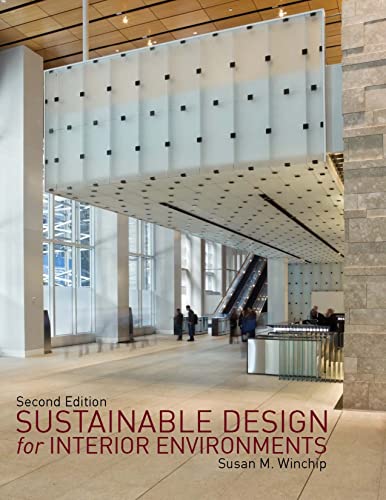
If you’re a professor, student, or practitioner enthusiastic to deepen your understanding of eco-friendly spaces, “Sustainable Design for Interior Environments, 2nd Edition,” published by Wiley, is definitely your go-to resource! This insightful book dives into the interior design profession’s critical role in promoting health, safety, and environmental stewardship. It’s tailored to guide you through the integration of sustainability concepts, making the design process not only practical but also impactful. With in-depth discussions on LEED certification and a strong ethical framework, you’ll appreciate how science and technology shape your eco-friendly projects. You won’t want to miss incorporating these principles into your designs!
Best For: This book is best for professors, students, and practitioners seeking to enhance their knowledge and application of sustainable interior design principles.
Pros:
- Emphasizes the importance of health, safety, and environmental stewardship in interior design.
- Provides practical guidance for integrating sustainability concepts into the design process.
- Discusses LEED certification and its impact on environmental considerations in interior projects.
Cons:
- May require a prior understanding of design concepts for full comprehension.
- Focus is primarily on interior environments, which could limit broader application.
- The ethical framework may be complex for some readers, particularly those new to sustainability discussions.
The HOK Guidebook to Sustainable Design

The HOK Guidebook to Sustainable Design is perfect for professionals in architecture and design who want to integrate sustainable practices into their projects without feeling overwhelmed. This practical reference includes insightful topics like site planning, energy and water conservation, and material selection! With concise checklists at every design stage, you’ll find detailed guidance to implement effective strategies seamlessly. The updated edition even features case studies showcasing successful projects and new chapters on post-occupancy evaluations (because who doesn’t love a little reality check?). Packed with resources, this guide is your go-to for transforming your designs into eco-friendly masterpieces!
Best For: Professionals in architecture and design seeking to integrate sustainable practices into their projects effectively.
Pros:
- Offers concise checklists and detailed guidance for seamless implementation of sustainable strategies.
- Includes case studies that provide real-world examples of successful sustainable projects.
- Features new resources on post-occupancy evaluations and greening practices to enhance design effectiveness.
Cons:
- May not cover every specific niche or detail within sustainable design comprehensively.
- The amount of information could be overwhelming for beginners unfamiliar with sustainable design concepts.
- Focused primarily on larger projects, which may not apply to smaller scale endeavors.
Sustainable Urbanism: Urban Design With Nature

For urban planners, architects, and eco-conscious citizens enthusiastic to design cities that harmonize with nature, “Sustainable Urbanism: Urban Design With Nature” is an essential addition to your bookshelf! This engaging guide dives into principles like walkability, high-performance infrastructure, and sustainable neighborhoods, all beautifully presented over 288 pages by Island Press. You’ll find insightful case studies from cities like London, Sydney, and Shanghai that illustrate successful implementations of these concepts. Plus, the book envisions a brighter urban future, encouraging leadership and communication in shaping eco-friendly communities. You won’t just read it; you’ll feel inspired to transform urban living into something truly vibrant!
Best For: Urban planners, architects, and eco-conscious citizens who are enthusiastic about designing cities that harmonize with nature.
Pros:
- Provides a comprehensive guide on principles of sustainable urban design, including walkability and high-performance infrastructure.
- Features insightful case studies from successful implementations around the globe, enhancing understanding and inspiration.
- Encourages leadership and communication in creating eco-friendly communities, fostering a sense of responsibility among urban designers.
Cons:
- May be too specialized for readers without a background in urban planning or architecture.
- Some concepts might seem overly ambitious or idealistic for immediate implementation in existing urban environments.
- Limited focus on regions outside the case studies, potentially neglecting diverse urban contexts.
Live Natural: A Relaxed Approach to Creating Healthy Homes
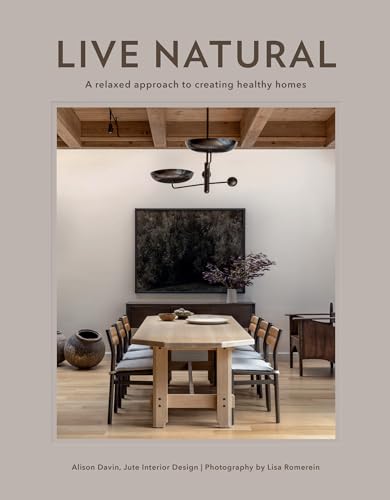
Looking to create a cozy sanctuary that prioritizes your well-being? “Live Natural: A Relaxed Approach to Creating Healthy Homes” is the perfect companion for anyone enthusiastic to transform their living space into a healthier haven. Written by California designer Alison Davin and beautifully photographed by Lisa Romerein, this visually stunning book merges chic interiors with practical, eco-friendly tips. You’ll discover how to enhance air quality, minimize your environmental impact, and incorporate natural materials while ensuring your home remains stylish and inviting. With its inspirational approach, “Live Natural” encourages you to embrace sustainability without sacrificing beauty—exactly what every home needs!
Best For: Anyone looking to create a healthier, stylish living environment through practical, eco-friendly design tips.
Pros:
- Offers practical, actionable advice for improving air quality and reducing environmental impact.
- Beautifully designed with high-quality photographs that inspire creativity and aesthetic appreciation.
- Encourages sustainable living without compromising on style or comfort.
Cons:
- May not delve deep into technical or DIY aspects of home design for those seeking detailed construction guidance.
- Some readers might find the focus on aesthetics distracting from the practical tips offered.
- The high-end focus may not resonate with all budgets, limiting accessibility for some individuals.
Sustainable Landscape Management: Design, Construction, and Maintenance
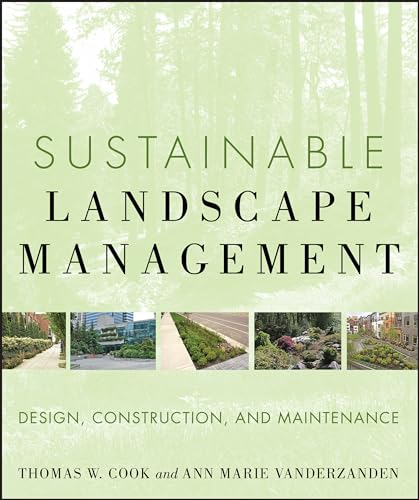
If you’re a landscape professional enthusiastic to embrace eco-friendly practices, “Sustainable Landscape Management: Design, Construction, and Maintenance” is your go-to guide. Published by Timber Press, this 288-page book dives into essential strategies for sustainable management across design, construction, and maintenance. You’ll discover innovative techniques, from nurturing ecosystem balance with trees and shrubs to minimizing chemical usage effectively. Each chapter, enriched with real-life examples, inspires you to retrofit existing landscapes creatively. Plus, you’ll learn how to maintain beautiful, functional spaces that align with our planet’s needs (and let’s be honest, who doesn’t want that?)! Embrace sustainability today!
Best For: Landscape professionals looking to implement sustainable practices in their work.
Pros:
- Provides comprehensive strategies for eco-friendly design, construction, and maintenance.
- Includes real-life examples that inspire creativity in retrofitting existing landscapes.
- Emphasizes reduced chemical usage and promotes ecosystem balance.
Cons:
- May require time to implement new techniques effectively.
- Some concepts may be challenging for beginners without prior knowledge of landscape management.
- Focus on sustainability may necessitate higher upfront costs for materials or practices.
Factors to Consider When Choosing Sustainable Design Books

When you’re picking a sustainable design book, think about your audience and what they need to learn—it’s key! Consider how the book applies practical solutions, the author’s credentials, and whether it covers the latest trends (not all outdated texts make for great reads). And don’t forget to look for books that integrate real-world case studies; they can spark inspiration and provide critical insights!
Target Audience Awareness
Choosing the right sustainable design book can be a game changer, especially since your target audience considerably impacts the content you’ll encounter. For instance, if you’re diving into a book geared toward professors, expect theories and extensive research (think 400 pages of in-depth analysis!). In contrast, a practitioner-oriented title might spotlight real-world case studies, packing practical tips into a snappy 200-page format. Understanding whether your crew consists of novices or seasoned designers will determine if you need foundational tools or advanced strategies. You’ll also notice the tone shifts; technical jargon might thrill experts, while simpler language warmly welcomes everyday consumers trying to embrace eco-friendly practices. Engaging content really resonates when tailored to your reader’s background—trust me!
Practical Application Focus
There’s something truly exciting about diving into sustainable design books that not only inform but also inspire action! When you’re choosing these gems, look for ones that provide actionable guidance (checklists are a plus!), making it easier to integrate sustainability at every design stage. Books showcasing real-world case studies, like “Sustainable Design: A Critical Guide” by Susan Piedmont-Palladino, often reveal valuable lessons learned from successful projects. You’ll also want texts emphasizing various design elements—site planning, materials selection, and interior quality all matter! Plus, consider resources that tackle post-occupancy evaluations, evaluating how strategies perform in real life. Finally, holistic approaches (think ethical considerations and tech’s role) are essential. Happy reading and designing!
Author Expertise Credibility
Finding your way through the world of sustainable design books can feel a bit like a treasure hunt—there are gems out there waiting for you! When you’re choosing a book, consider the author’s background, like their education and professional experience, as this shapes the credibility of what you read. Look for endorsements from industry professionals or organizations; these affirm the author’s expertise. Check if they’ve written for reputable journals, signaling they’re engaged with current practices. Practical experience in real-world projects adds valuable insights, while involvement in sustainable initiatives shows their commitment. For instance, authors like Bill McDonough, recognized for “Cradle to Cradle,” offer rich perspectives from their extensive backgrounds. Happy hunting!
Current Trends Relevance
When exploring the world of sustainable design books, you’ll want to keep an eye on current trends that shape this ever-evolving field. Check out titles like “Designing for Sustainability” (Wiley, 288 pages), which covers LEED certification while emphasizing health and wellness in modern practices! Look for books that tackle resource conservation strategies, as they’re critical given today’s focus on reducing carbon footprints. Don’t miss those highlighting biodiversity in urban planning; engaging with these themes is essential for any designer! Community-oriented design is another hot topic, perfect for exploring the connections between urban living and walkable neighborhoods. Finally, immerse yourself in ethical frameworks—books like “Sustainable Cities” (Thames & Hudson, 200 pages) reflect the growing importance of social responsibility and holistic practices!
Integration of Case Studies
Integrating case studies into your exploration of sustainable design books can truly elevate your understanding of this dynamic field! These real-world examples, often found in titles like *Designing for Sustainability* (Publisher: Wiley, 320 pages), showcase successful sustainable practices and innovative solutions. When you immerse yourself in these case studies, you’ll absorb invaluable lessons learned from various projects, helping you navigate potential challenges and discover best practices. You’ll also appreciate the diverse approaches to sustainability, which reveal how techniques can vary based on context. Plus, seeing tangible benefits—like improved energy efficiency and healthier spaces—can inspire your future design endeavors. So, keep an eye out for books that feature engaging case studies; they’ll be a fantastic resource on your eco-friendly journey!
Frequently Asked Questions
What Are the Benefits of Sustainable Design for Communities?
Sustainable design benefits communities by enhancing livability, lowering environmental impact, and promoting local economies! When you prioritize eco-friendly practices, you create healthier environments, boost social connections, and support local businesses. Your projects can also reduce waste and energy consumption, making your community more resilient. Plus, by fostering a sense of ownership, sustainable design cultivates pride among residents. So, immerse yourself in this rewarding journey and watch your community thrive in an eco-conscious way!
How Do I Start My Sustainable Design Projects?
To start your sustainable design projects, you’ll want to identify a specific goal (kind of like picking a theme for a party!). Research local materials and eco-friendly practices, sketch out your ideas, and create a plan. You might check out publications like “Designing for Sustainability” (Wiley, 240 pages) for practical insights. Engage with your community for support and feedback—it’s always great to have cheerleaders (or helpful critics) along the way! Let’s get designing!
Are There Online Courses About Sustainable Design?
Absolutely, there are great online courses on sustainable design! Platforms like Coursera and Udemy offer a variety of classes ranging from introductory concepts to advanced strategies. For instance, the course “Sustainable Design: Designing for a Better Future” on Coursera is fantastic and features video lectures, quizzes, and a project you can add to your portfolio. You’ll find many courses that fit your schedule and budget—perfect for igniting your eco-creative flair!
Can Sustainable Design Be Affordable for Everyone?
Absolutely, sustainable design can be affordable for everyone! By using locally sourced materials and DIY methods, you can create beautiful spaces without breaking the bank. Look for community workshops or online courses that offer hands-on training, sometimes even for free. You’d be amazed at what you can achieve with a bit of creativity and resourcefulness. Plus, investing in sustainability often saves you money in the long run—think lower utility bills!
What Tools Can Assist in Sustainable Design Evaluation?
You can really up your sustainable design game with tools like the Ecotools software from EcoWatch. It’s like using a compass on a hike—guiding you through materials assessments and energy consumption! Websites like Sustainable Minds offer life-cycle assessment tools that let you evaluate the environmental impacts of your projects. There’s also the Green Building Advisor, which packs insights on energy-efficient designs. They’re all designed to make your eco-friendly journey smoother and more effective!


