As an Amazon Associate, we earn from qualifying purchases. Some links on this site are affiliate links at no extra cost to you. Our recommendations are based on thorough research and editorial judgment.


10 Best Swimming Technique Books to Improve Your Skills in the Pool

If you want to improve your swimming skills, check out must-have books like “Swim Speed Strokes” by Sheila Taormina, packed with stroke insights and stunning photos, and “The Swimming Drill Book,” offering over 175 targeted drills! There’s also “The Complete Beginners Guide to Swimming,” perfect for building confidence with its 250 informative pages. For an extensive approach, “Swim Smooth” blends coaching tips with visual aids to enhance your training. Immerse yourself in these exciting titles for more valuable insights!
Key Takeaways
- “The Swimming Drill Book” offers over 175 targeted drills to enhance stroke efficiency across all major strokes and techniques.
- “Swim Speed Strokes” provides in-depth analysis from Olympic champion Sheila Taormina, analyzing elite swimmers’ techniques suitable for all skill levels.
- “Swim Smooth: The Complete Coaching System” features personalized strategies and visual aids, ideal for swimmers seeking comprehensive guidance and technique improvement.
- “The Complete Beginners Guide to Swimming” builds confidence in novice swimmers through essential skills, buoyancy, and fundamental stroke instruction.
- Visual aids and practical drills in books like “Total Immersion” and “Swim Smooth” significantly enhance understanding and execution of proper swimming techniques.
The Swimming Drill Book


You may be interested


If you’re a swimmer or coach looking to elevate your performance, “The Swimming Drill Book” is a must-have in your arsenal! This best-selling resource boasts over 175 drills designed to enhance your strokes and improve your efficiency in the water. With a second edition packed with new variations and expanded content (yes, they thought of everything!), you’ll find targeted exercises for freestyle, backstroke, breaststroke, and butterfly. Plus, it covers essential techniques like starts, turns, and finishes! Whether you’re gearing up for competition or just want to refine your skills, this extensive guide will have you making those vital milliseconds count!
Best For: Swimmers and coaches seeking to improve performance through a comprehensive collection of drills and techniques.
Pros:
- Over 175 drills tailored to enhance stroke efficiency and correct common faults.
- Covers all four competitive strokes: freestyle, backstroke, breaststroke, and butterfly.
- Includes new content like open-water drills and strength band workouts for comprehensive training.
Cons:
- May be overwhelming for beginners due to the extensive number of drills.
- New content may not appeal to those who prefer traditional pool training techniques.
- Requires commitment and consistency to see significant performance improvements.
Swim Speed Strokes for Swimmers and Triathletes
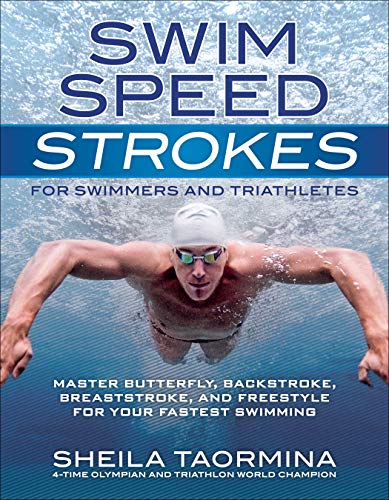
For swimmers and triathletes looking to elevate their performance in the pool, “Swim Speed Strokes” by Sheila Taormina is an absolute game-changer! This book, packed with insights from a 4-time Olympian, dives deep into mastering the four main strokes: freestyle, butterfly, backstroke, and breaststroke. Taormina breaks down each technique with high-quality photographs, illustrating essentials like the high-elbow underwater pull and effective kick. By analyzing elite swimmers, including legends like Michael Phelps, she provides a unique perspective on successful strategies. Whether you want to refine one stroke or all, Taormina’s practical advice makes significant improvement possible!
Best For: Swimmers and triathletes of all levels seeking to enhance their performance by mastering all four competitive swimming strokes.
Pros:
- In-depth analysis of elite swimmers provides valuable insights into successful techniques.
- High-quality photographs visually demonstrate techniques, making it easier to understand proper form and mechanics.
- Practical guidance caters to all skill levels, enabling targeted improvements in specific strokes or overall performance.
Cons:
- Some techniques may be too advanced for absolute beginners without prior knowledge of swimming.
- The focus on elite swimmers might not address the unique challenges faced by recreational swimmers.
- May require additional practical coaching or feedback to fully implement the techniques outlined in the book.
The Complete Beginners Guide To Swimming
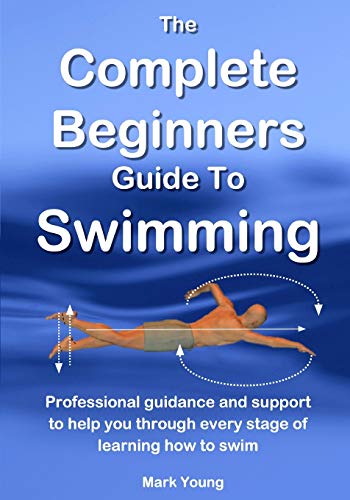
Commencing your swimming journey with “The Complete Beginners Guide to Swimming” is a fantastic choice for novice swimmers enthusiastic to submerge into the water with confidence! This easy-to-follow guide breaks down essential skills, like buoyancy and breathing techniques, helping you feel at ease in the pool. You’ll learn how to confront fears, shift to deeper water, and master the fundamental strokes—Front Crawl, Backstroke, Breaststroke, and Butterfly. The book, published by SwimSmart Press with 250 engaging pages, also provides practical tips for relaxation and gliding efficiently. Immerse yourself and discover the joy of swimming, while building your physical health and mental well-being!
Best For: This guide is best for novice swimmers eager to learn essential swimming skills and build confidence in the water.
Pros:
- Comprehensive: Covers fundamental skills, strokes, and relaxation techniques in detail.
- Confidence-Building: Offers strategies to overcome fears related to swimming.
- Health Benefits: Promotes physical fitness and mental well-being through swimming.
Cons:
- Lengthy: At 250 pages, it may be overwhelming for some beginners.
- Not Interactive: Lacks hands-on instruction or video demonstrations that some learners might find helpful.
- Limited Advanced Techniques: Focuses primarily on basic skills, which might not suffice for those seeking advanced training.
Swim Smooth: The Complete Coaching System for Swimmers and Triathletes
Sale


Swim Smooth: The Complete Coaching System for Swimmers and Triathletes
- Used Book in Good Condition
Swim Smooth: The Complete Coaching System for Swimmers and Triathletes stands out as the ultimate guide for anyone enthusiastic to refine their swimming game—whether you’re just starting out or look to polish advanced techniques. Developed by pros who’ve worked with the gold medal-winning British Triathlon team, the book effectively caters to all skill levels. You’ll learn essential freestyle techniques, assess your strengths and weaknesses, and discover personalized strategies for improvement. With clear photographs and 3D graphics, steering through the all-encompassing content is a breeze! Plus, don’t miss the handy appendices packed with drills and training sessions!
Best For: Swim Smooth is best for swimmers and triathletes of all levels, from beginners seeking foundational techniques to advanced athletes looking to perfect their stroke.
Pros:
- Comprehensive coverage of technique, fitness, and racing skills tailored to individual needs.
- Visual aids like photographs and 3D graphics enhance understanding and application of techniques.
- Detailed appendices offer a wealth of drills, training sessions, and stroke correction methods.
Cons:
- May overwhelm beginners with the extensive range of information and techniques presented.
- Requires time and commitment to fully benefit from the drills and training suggestions provided.
- Some users may prefer in-person coaching rather than a self-directed learning approach.
The Swimming Strokes Book: 82 Easy Exercises For Learning How To Swim
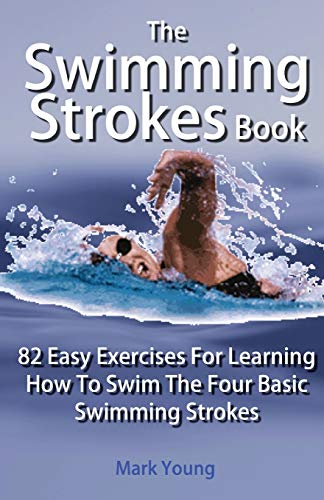
If you’re an adult looking to conquer the challenges of swimming, “The Swimming Strokes Book: 82 Easy Exercises For Learning How To Swim” is your go-to guide! Published by [insert publisher] and featuring 224 pages of straightforward exercises, it breaks down each stroke into manageable parts—body position, legs, arms, breathing, and coordination. Each of the 82 exercises provides targeted tips, helping you focus on refining your technique (you’ll appreciate the clear guidance!). While it’s not a replacement for a teacher, this book is an invaluable companion for your practice sessions, enhancing your swimming journey and making the process feel less overwhelming. Immerse yourself!
Best For: Adults who are looking to simplify their swimming learning process and improve their technique through structured exercises.
Pros:
- Comprehensive Breakdown: Each stroke is divided into its key components, making it easier to understand and master.
- Targeted Exercises: 82 exercises with specific tips help swimmers focus on improving particular aspects of their strokes.
- Supplemental Resource: Complements swimming lessons by enhancing practice sessions, serving as a useful reference for technique and common mistakes.
Cons:
- Not a Replacement for Instruction: The book does not substitute for personalized coaching or feedback from a swimming teacher.
- Overwhelming for Some: The wide range of exercises may feel daunting to some learners, especially beginners.
- Limited Context: Lacks detailed explanations on water safety or theory behind swimming, focusing solely on strokes and exercises.
Swimming for Exercise: Optimize Your Technique, Fitness and Enjoyment
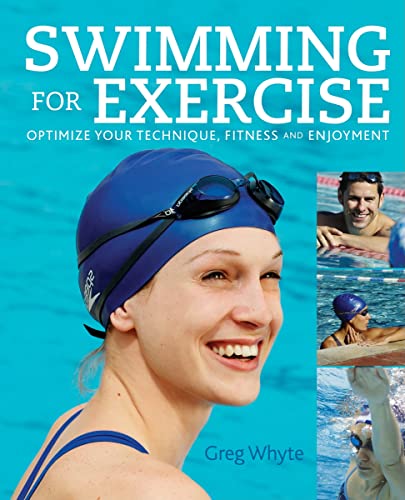
Swimming for Exercise: Optimize Your Technique, Fitness and Enjoyment
- Used Book in Good Condition
For anyone looking to enhance their swimming experience—be it a complete novice or a seasoned athlete—“Swimming for Exercise: Optimize Your Technique, Fitness and Enjoyment” from Human Kinetics is a must-have resource! This fully illustrated handbook covers essential strokes like front crawl and butterfly, ensuring you grasp the proper forms that truly boost your workout efficiency. With practical advice on structuring exciting workouts, plus complete training programs tailored to every skill level, you’ll stay engaged and motivated. Plus, it dives into nutrition and hydration to enrich your journey. You’ll not only swim better but enjoy every moment in the water!
Best For: This book is best for swimmers of all levels, from beginners to experienced athletes, looking to optimize their technique and enhance their enjoyment of the sport.
Pros:
- Provides comprehensive guidance on all major swimming strokes to improve efficiency.
- Includes structured training programs that cater to various skill levels, ensuring engagement and motivation.
- Offers valuable insights on nutrition, hydration, and maintaining a positive swimming experience.
Cons:
- May seem overwhelming to completely novice swimmers due to the detailed technical content.
- Some readers may find the focus on structured programs less flexible for casual swimmers.
- Requires a commitment to practice, which could deter those looking for a fitness option with less intensity.
Science of Swimming: Transform Your Stroke and Improve Training

Looking to elevate your swimming game? “Science of Swimming: Transform Your Stroke and Improve Training” is the perfect guide for dedicated swimmers of all levels! Packed with detailed stroke technique analysis, this book breaks down muscle interactions with water resistance, helping you swim smarter and faster. With tailored training programs that include drills, speed work, and even dry-land conditioning, you’ll develop the muscle strength and endurance needed to excel. Plus, it shares essential insights on nutrition, sleep hygiene, and mental resilience to boost your overall performance! Whether you’re a competitive swimmer or just seeking wellness, this book’s got you covered!
Best For: Dedicated swimmers of all levels looking to improve their stroke technique and overall training effectiveness.
Pros:
- Provides detailed analysis of stroke technique to enhance efficiency and speed in water.
- Includes comprehensive training programs that cater to varying skill levels and goals.
- Offers valuable insights on nutrition, sleep hygiene, and mental resilience to support overall performance.
Cons:
- May contain advanced concepts that could overwhelm beginners without prior knowledge.
- Some readers might find the focus on competitive swimming less relevant if they are solely interested in recreational swimming.
- The emphasis on dry-land conditioning might require additional space and equipment that not all swimmers have access to.
Open Water: The History and Technique of Swimming
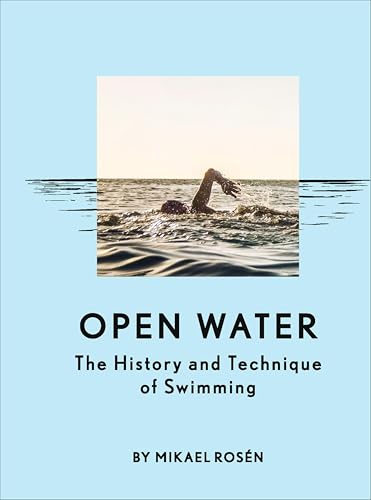
Diving into “Open Water: The History and Technique of Swimming” feels like accessing a treasure trove for swimmers, coaches, and enthusiasts keen to deepen their understanding of this exhilarating sport! Written by open water sensation Mikael Rosén, this 256-page book presents a global perspective on swimming’s history, emphasizing its mental and physical challenges, along with gender and race issues. You’ll find inspiring profiles of champions like Michael Phelps and Sarah Sjöström, sharing insights into their training regimes. With engaging maps, intriguing trivia, and practical tips, this essential read excites both aspiring athletes and seasoned swimmers alike! Don’t miss out!
Best For: This book is best for swimmers, coaches, and enthusiasts looking to enhance their understanding of swimming’s history and techniques.
Pros:
- Comprehensive coverage of swimming’s history and global perspectives.
- Inspiring profiles of elite swimmers offer valuable insights into training and performance.
- Engaging content including maps, trivia, and practical tips caters to both novice and experienced swimmers.
Cons:
- Some readers may find the 256-page length overwhelming for a hobbyist.
- The focus on both mental and physical demands might be too in-depth for casual readers.
- Diverse themes could dilute focus for those interested in a specific area of swimming.
Why We Swim

Swimming isn’t just a sport; it’s a transformative experience, and Bonnie Tsui’s “Why We Swim” is the perfect companion for anyone enthusiastic to explore this world! This immersive book dives into why you, like many, are drawn to water for pleasure, exercise, or even healing. With historical anecdotes about Olympic champions and unique cultural stories—including a Baghdad swim club using a former palace pool—Tsui captivates you from the first page (at 224 pages, it’s a quick read). Her love letter to water beautifully illustrates its magnetic influence on humanity, making it a must-read for anyone passionate about swimming!
Best For: Anyone passionate about swimming and eager to understand the deep connection humans have with water through cultural and historical narratives.
Pros:
- Engaging storytelling: The book combines personal experiences with fascinating cultural anecdotes, making it relatable and immersive.
- Insightful exploration: Offers a deep dive into the emotional and psychological aspects of swimming, making readers reflect on their motivations.
- Quick read: At 224 pages, it’s accessible and can be completed in a short time, perfect for busy readers.
Cons:
- Niche subject: Those who are not particularly interested in swimming may find the content less engaging.
- Limited technical details: The book focuses more on stories and emotions than on swimming techniques or training tips.
- Potentially repetitive: Some readers may feel that themes about the allure of water could become redundant over the course of the book.
Swimming Anatomy
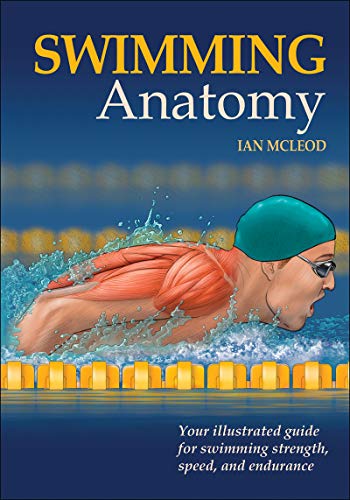
For anyone enthusiastic to enhance their swimming prowess—whether you’re a competitive swimmer or just looking to improve your technique—*Swimming Anatomy* is an absolute gem! Packed with 74 detailed exercises, this book showcases anatomical illustrations that target the primary muscles for each stroke, including freestyle, breaststroke, butterfly, and backstroke. You’ll learn how to achieve stronger starts and explosive turns while optimizing your stroke efficiency. Plus, it offers modifications to prevent injuries and develop tailored training programs for various events, from 50-meter sprints to open-water triathlons. Immerse yourself, and you’ll likely see marked improvements in no time!
Best For: Competitive swimmers and those looking to improve their swimming technique and performance.
Pros:
- Provides 74 detailed exercises with anatomical illustrations to enhance swimming performance.
- Offers modifications to help prevent common swimming injuries.
- Guides the creation of customized training programs tailored to individual goals and event types.
Cons:
- May require a basic understanding of anatomy to fully benefit from the detailed descriptions.
- Some exercises might not be suitable for beginners without prior swimming experience.
- The focus on performance improvement may not appeal to recreational swimmers solely interested in leisure activities.
Factors to Consider When Choosing Swimming Technique Books

When you’re picking out swimming technique books, consider your skill level and what strokes you want to improve! Think about how you learn best—is it through visuals, practical exercises, or detailed text? Plus, the author’s expertise can really make a difference—like picking up a book by a renowned swimmer or coach can offer you insights you won’t find elsewhere!
Skill Level Consideration
Choosing the right swimming technique book can really elevate your experience in the water, so it’s important to match your skill level with the appropriate resource. If you’re just starting out, look for beginner-friendly books, like “Swimming Simplified” by Dr. David McGhee, which focuses on basic strokes and essential water safety tips. Intermediate swimmers should check out “Swim Speed Secrets” by T.J. Tollakson for thorough stroke breakdowns and drills aimed at refining your technique. For advanced swimmers, “The Science of Swimming” by James E. Swift analyzes elite swimmer methods and optimizes advanced training programs. Make sure your chosen book includes clear visuals and step-by-step instructions—it should feel like having a trusted coach by your side!
Stroke Focus Areas
Mastering each swimming stroke is key to improving your performance in the pool, so it’s important to select technique books that really explore the specifics of freestyle, backstroke, breaststroke, and butterfly. Look for books that break down each stroke’s mechanics, covering every phase from catch to finish, ensuring you understand each component thoroughly. Drills should focus on refining techniques—after all, practice makes perfect! Essential aspects like body position and breathing techniques are significant, as timing and coordination can make or break your stroke effectiveness. Check out titles with endorsements from elite swimmers, like “Swim Smooth” by Paul Newsome, featuring insights that could transform your swim. You’ll be swimming like a fish in no time!
Learning Style Preference
Finding the right swimming technique book can substantially enhance your practice, especially when you consider how different learning styles impact retention and skill acquisition! If you’re a visual learner, check out books like “Total Immersion” by Terry Laughlin, which features incredible illustrations to clarify stroke mechanics. Prefer a hands-on approach? Seek out titles that include numerous drills, like “Swim Smooth” by Paul Newsome and Ella Duffy, focusing on practical exercises. If you enjoy narrative styles, look for books that weave personal stories into tips and techniques—like “The Swim Coaching Bible” by Dick Hannula. And don’t forget to align your choice with your swimming goals, whether competitive or recreational! After all, your journey is what counts.
Visual and Practical Aids
While it’s easy to get lost in the sea of swimming technique books available today, you’ll want to focus on those that feature vibrant illustrations and practical drills to boost your skills effectively! Look for guides that include clear photographs and 3D graphics, as they’ll help you visualize proper form and stroke mechanics. Check out titles like “Total Immersion” by Terry Laughlin, which includes detailed diagrams to aid understanding, or “Swim Smooth” by Paul Newsome, known for its excellent visual aids and practical drills. Integrated video content is a game-changer too, giving you dynamic feedback on techniques in action! With the right visual and practical aids, you’ll find your swimming skills improving faster than a fish takes to water!
Author’s Expertise
When it comes to choosing the right swimming technique books, considering the author’s expertise can make all the difference in your learning journey! Look for authors with a strong competitive background, like Olympic participation or world championships — their firsthand experience adds credibility to their methods. Coaching experience at various levels is also essential; it means they can share practical insights that resonate with athletes at any stage. Don’t overlook their educational qualifications; degrees in sports science or kinesiology signal a solid grasp of the physiological principles that underpin effective techniques. Plus, check for their contributions to reputable organizations, which show a commitment to advancing the sport! Finally, reviews from fellow swimmers and coaches can shed light on their reputation!
Purpose and Goals
Choosing the right swimming technique book can feel intimidating, but knowing your goals makes it a bit easier! If you’re looking to master competitive strokes, find books like “Total Immersion” by Terry Laughlin that explore elite techniques and detailed analyses (320 pages of pure swimming gold!). For fitness enhancement, try “Swim Workouts for Triathletes” by Don Walker, which focuses on structured workouts and proper form. Beginners can thrive with “The Swim Coaching Bible” by Dick Hannula that simplifies stroke learning while tackling fears (helpful for us water-anxious folks!). If injury prevention is key, opt for resources that discuss technique adjustments, like “Swim Smooth,” that balance efficiency with safety. Each choice brings you closer to your swimming dreams!
Frequently Asked Questions
What Is the Best Book for Advanced Swimmers?
If you’re an advanced swimmer, “Swim Smooth: The Complete Coaching System for Swimmers and Triathletes” by Paul Newsome and Adam Young is your best bet! This 320-page gem, published by Swim Smooth in 2018, dives deep into technique analysis, offering practical drills and tips to refine your skills. It even includes access to video tutorials, which are super helpful! You’ll love how it combines scientific insights with relatable coaching—plus, it’ll keep your swimming fresh and exciting!
How Do I Choose the Right Book for My Skill Level?
To choose the right book for your skill level, start by evaluating your current expertise and goals. Look for titles from reputable publishers like Human Kinetics, and consider page counts that suit your pace—100 to 300 pages usually offer the right balance of depth without overwhelming you! Incorporate practical features like illustrations or drills, which make learning more engaging. Don’t be afraid to read reviews; they can guide you to that perfect book!
Are There Any Multimedia Resources That Complement These Books?
You’ll find amazing multimedia resources that complement swimming technique books! Check out the YouTube channels of SwimSwam and GoSwim, which offer video demonstrations that can really enhance understanding. Also, apps like MySwimPro provide workouts and technique drills that sync perfectly with your book learning. Don’t forget podcasts like “The Swim Coaches Base,” featuring expert interviews. Together, they’ll help solidify your skills and keep you motivated—because who doesn’t love a great training tune-up?
Can Swimming Technique Books Help With Triathlon Training?
Swimming technique books can totally enhance your triathlon training. Take “Total Immersion” by Terry Laughlin, for example—it’s got 240 pages packed with intuitive drills and illustrations that refine your stroke. Or check out “Swimming Fastest” by Ernest Maglischo, featuring almost 400 pages of expert insights yet is easy to digest! With focused techniques, you’ll feel more efficient in the water, making those triathlons a fun challenge instead of a struggle!
What Common Mistakes Do Swimmers Make While Reading These Books?
Swimmers often overlook vital details while reading technique books, like Nick Baker’s “The Complete Guide to Swimming Technique” (220 pages, published by Swim Press). They might skip drills or neglect to practice consistently, thinking they’ll absorb everything by just reading! It’s essential not to just page through without engaging; take notes, highlight key concepts, and apply what you learn. Remember, technique books are tools, and you’ve got to wield them effectively to see real results!


