As an Amazon Associate, we earn from qualifying purchases. Some links on this site are affiliate links at no extra cost to you. Our recommendations are based on thorough research and editorial judgment.


10 Best Woodcarving Books to Fuel Your Creative Passion

If you’re ready to explore woodcarving, check out *Whittling for Beginners* by Timothy Woods (192 pages) for essential tips and 24 projects! Or grab the *Complete Starter Guide to Whittling* from Fox Chapel Publishing, featuring easy tutorials and safety advice. For animal lovers, *Easy Animal Carvings* showcases over 120 pages of fun projects, while *Carving Faces in Wood* by Alec LaCasse helps you master realistic expressions. Stick around to discover even more fantastic options for your crafting journey!
Key Takeaways
- Seek books with diverse projects, like animal carvings and faces, to spark creativity and ensure varied learning experiences.
- Look for beginner-friendly guides that offer clear, step-by-step instructions and visuals to facilitate skill development.
- Choose resources that emphasize safety practices and provide comprehensive tool and materials guidance for effective carving.
- Explore comprehensive references that cover techniques from novice to advanced, fostering a deep understanding of woodcarving.
- Consider themed collections, such as weekend projects or woodland creatures, to keep carving engaging and enjoyable for all ages.
Whittling for Beginners: Step-by-Step Projects to Carve from Wood

You may be interested


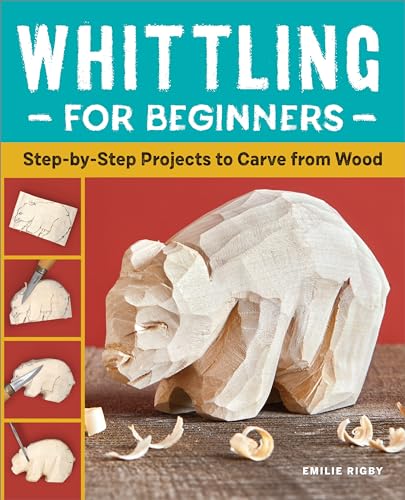
If you’re new to woodcarving and dream of creating beautiful, handcrafted items, “Whittling for Beginners: Step-by-Step Projects to Carve from Wood” by Timothy Woods is a fantastic choice! Published by Skyhorse Publishing, this 192-page guide’s packed with essential tips, from selecting the right knives to sourcing quality wood. You’ll appreciate the clear, step-by-step instructions covering fundamental cuts and finishing techniques, which are vital for developing your skills. With 24 unique projects ranging from simple wands to detailed chess sets, you’ll gradually immerse yourself in this enjoyable hobby, fostering creativity while also honing your craftsmanship. What’s not to love?
Best For: Beginners who want to learn the art of whittling and create handcrafted wood items.
Pros:
- Clear step-by-step instructions make it easy for absolute beginners to follow.
- Offers a wide range of 24 projects that gradually increase in complexity.
- Provides essential tips on tools and materials, ensuring a safe and enjoyable whittling experience.
Cons:
- Limited advanced techniques may not satisfy experienced woodworkers looking for more challenges.
- Some projects may require specific tools not included in the guide, leading to additional expenses.
- The focus on beginner-friendly projects may not appeal to those seeking immediate, intricate designs.
Easy Animal Carvings Woodcarving Projects and Patterns
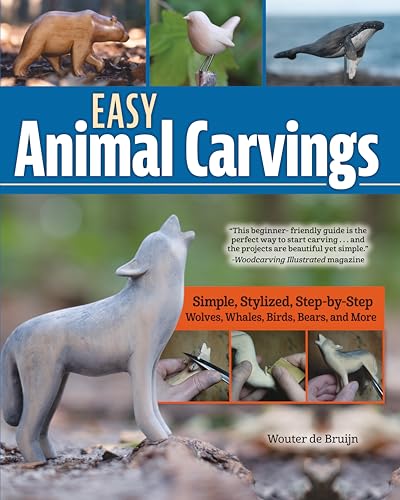
“Easy Animal Carvings” is an ideal pick for anyone interested in diving into woodcarving projects, whether you’re just starting out or looking to spruce up your skills. Authored by the talented Wouter de Bruijn, who began carving in 2019, this book boasts over 120 pages packed with fun projects featuring wolves, birds, and playful foxes. You’ll love the step-by-step instructions, full-size patterns, and clear lists of materials and tools! Plus, the safety tips and essential techniques guarantee you carve confidently. With minimal finishing requirements, your creations can be beautiful gifts or charming home décor items that’ll impress anyone! Happy carving!
Best For: This book is best for woodcarving enthusiasts ranging from beginners to advanced carvers looking to create beautiful animal-themed projects.
Pros:
- Step-by-step instructions and full-size patterns make projects easy to follow.
- Suitable for all skill levels, providing foundational knowledge and advanced techniques.
- Minimal finishing requirements allow for a natural finish and aesthetic appeal.
Cons:
- Focused specifically on animal carvings, which may limit options for those interested in other themes.
- Some projects may still be challenging for absolute beginners without prior experience.
- Limited information on sourcing specific types of wood and tools.
Carving Faces in Wood: Beginner’s Guide to Facial Features

For anyone excited to plunge into the art of woodcarving, “Carving Faces in Wood” by Alec LaCasse is your perfect companion, especially if you’ve felt daunted by the complexity of creating lifelike facial features! This thorough guide offers step-by-step instructions, full-color photos, and three engaging projects like Father Time and The Green Lady, ensuring you have everything you need to get started. You’ll learn about essential tools, ideal wood types, and vital techniques to sharpen your skills, all while avoiding common beginner pitfalls. LaCasse’s enthusiasm shines through, making this book a treasure for anyone ready to carve beautiful faces!
Best For: Beginners interested in woodcarving who want to learn how to create lifelike facial features with clear guidance and projects.
Pros:
- Step-by-step instructions make it easy for novices to follow along and gain confidence.
- Full-color photos enhance the learning experience, providing clear visual references for each technique.
- Comprehensive coverage of tools, materials, and troubleshooting tips ensures a smooth carving journey.
Cons:
- Some readers may find the initial learning curve challenging despite step-by-step guidance.
- Limited advanced techniques may not satisfy more experienced carvers seeking complex projects.
- The book’s focus on specific projects might restrict creative freedom for those looking to carve independently.
Complete Starter Guide to Whittling for Beginners

The “Complete Starter Guide to Whittling” by Fox Chapel Publishing is an absolute gem for anyone enthusiastic to immerse themselves in the world of woodcarving, especially beginners looking to create heartfelt gifts and charming toys! With 24 delightful projects—ranging from adorable owls to practical spoons—this guide features step-by-step tutorials that don’t require any prior experience. You’ll master essential knife skills while learning safety and sharpening techniques, making it perfect for all ages. Plus, the book’s generous visuals and clear patterns will help you keep things straightforward (no guesswork involved). Immerse yourself, carve out your fun, and embrace your creative potential!
Best For: Beginners and hobby enthusiasts looking for a relaxing and creative way to explore woodcarving.
Pros:
- Step-by-step tutorials with clear illustrations make it easy for beginners to follow.
- Suitable for all ages, encouraging family bonding and creativity.
- Quick weekend projects allow for instant gratification and skill building.
Cons:
- May not offer advanced techniques for experienced woodcarvers.
- Limited to specific projects, which might not satisfy those seeking a wider variety.
- Requires the purchase of a whittling knife and materials, which could be an added expense.
Carving Faces Workbook by Harold Enlow

If you’re passionate about enhancing your woodcarving skills, especially when it comes to creating expressive faces, Harold Enlow’s “Carving Faces Workbook” is a treasure trove just waiting for you to explore! This essential guide, filled with decades of Enlow’s expertise, covers a variety of charming faces such as Cowboys, Santas, and Wood Spirits. With easy-to-follow instructions and detailed patterns, each project breaks down into manageable steps, ensuring both beginners and seasoned carvers can succeed. Plus, you’ll gain valuable tips for rendering intricate facial features, making your characters truly come alive. Trust me, you’ll want this in your woodcarving library!
Best For: Hobbyists and aspiring woodcarvers looking to master the art of carving expressive facial features.
Pros:
- Clear, step-by-step instructions make the learning process accessible for all skill levels.
- Detailed patterns and techniques enhance accuracy and detail in carvings.
- Offers a variety of projects, from Cowboys to Witches, allowing for creative exploration.
Cons:
- May require additional tools or materials that aren’t included in the workbook.
- Focusing on facial features may limit the scope of carving styles taught.
- Some beginner carvers may find certain techniques challenging without prior experience.
All-Time Favorite Relief Carving Projects Book
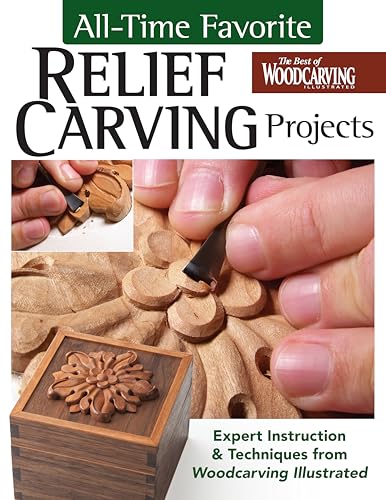
Looking to plunge into the world of relief carving? “All-Time Favorite Relief Carving Projects” is an ideal choice for both novice woodcarvers excited to master the craft and seasoned veterans seeking fresh inspiration. With 23 engaging projects—ranging from beginner-friendly designs like the Bark Fairy Door to intricate advanced pieces such as the Oak Leaf Frame—this book meets you where you are. You’ll also find contributions from notable carvers like Lora Irish and Shawn Cipa, ensuring you’ll receive expert techniques and the latest trends. This 128-page guide is a fantastic resource for anyone keen to enhance their skills and tackle creative challenges!
Best For: Novice woodcarvers looking to learn relief carving skills and experienced carvers seeking new project ideas and techniques.
Pros:
- Features 23 diverse projects categorized by skill level, catering to both beginners and advanced carvers.
- Contributions from respected woodcarvers provide expert insights and contemporary techniques.
- Comprehensive guide with step-by-step instructions, patterns, and material lists for each project.
Cons:
- Some advanced projects may require specialized tools and skills that beginners might find challenging.
- Limited focus on specific hidden techniques that may enhance more intricate carvings.
- The book may not cover every conceivable style or trend in relief carving, potentially limiting creative exploration.
Chris Pye’s Woodcarving Course & Reference Manual for Beginners

For aspiring woodcarvers seeking an accessible and detailed introduction, Chris Pye’s Woodcarving Course & Reference Manual for Beginners stands out as a must-have resource! This 224-page guide elegantly combines practical advice and expert insights, perfect for your new woodcarving journey. You’ll immerse yourself in essential tools and materials, learning about everything from workbenches to the best wood types. The exhaustive techniques section covers various cuts, emphasizing safety, and elevating your skills. With engaging practice exercises and step-by-step project instructions, including charming designs like koi fish and decorative molding, you’ll build confidence and expertise in no time—truly a game changer!
Best For: Beginners looking to learn the art of woodcarving with a comprehensive and accessible guide.
Pros:
- Detailed explanations of tools and techniques suitable for newcomers.
- Engaging practice exercises that help build confidence and proficiency.
- Step-by-step project guidance for creating both relief and in-the-round designs.
Cons:
- May not provide advanced techniques for experienced carvers.
- Some users might find the scope of projects limited to basic designs.
- The focus on beginners might overlook specialized carving styles.
Weekend Whittling Projects: Four Quick and Easy Characters to Carve and Paint

Weekend Whittling Projects: Four Quick and Easy Characters to Carve and Paint is perfect for anyone enthusiastic to immerse themselves in the joyful world of wood carving, especially if you’re short on time yet bursting with creativity! This delightful guide by seasoned woodcarver Sara Barraclough lays out four charming characters: a customizable Penguin, adorable Bear (complete with heart-shaped balloon!), colorful Snail family, and versatile Shrimpies who can turn into anything from Santas to sea captains. With step-by-step instructions, full-size patterns, and painting tips, you’ll be crafting whimsical treasures in a weekend—ideal for creative moments at camp or during school pick-ups!
Best For: This guide is best for anyone looking to explore their creativity through quick and enjoyable wood carving projects.
Pros:
- Easy to follow: Clear, step-by-step instructions and full-size patterns make the projects accessible for beginners.
- Customizable designs: Each character can be tailored with unique features, allowing for personal expression.
- Quick completion: Projects are designed to be completed in a weekend, perfect for those with a packed schedule.
Cons:
- Limited variety: The guide focuses on only four characters, which may not appeal to those seeking a broader range of options.
- Requires basic tools: Users need a carving knife, which may not be readily available to everyone.
- Time-consuming for detailed work: While projects are designed to be completed quickly, intricate carvings may require more time and patience.
The Complete Book of Woodcarving: Comprehensive Guide with Expert Instruction

The Complete Book of Woodcarving: Everything You Need to Know to Master the Craft (Fox Chapel...
- book woodworking woodcarving guide referenc
If you’re enthusiastic to plunge into the art of woodcarving, *The Complete Book of Woodcarving* by Everett Ellenwood is your ideal companion! This thorough guide (with over 300 pages of expert insights) covers everything from beginner techniques to advanced styles, helping you build your skills step by step. Ellenwood, a seasoned instructor with nearly 40 years in the craft, includes eight engaging projects like a charming rocking horse to practice your newfound talents. Plus, it dives into workspace design and tool maintenance, ensuring you’re well-prepared to carve with confidence. Get ready—your woodcarving adventure is about to begin!
Best For: This book is best for both beginners eager to learn the art of woodcarving and advanced carvers looking to refine their skills with expert guidance.
Pros:
- Comprehensive Coverage: Covers a wide range of techniques, tools, and carving styles to suit all skill levels.
- Expert Instruction: Authored by a seasoned instructor, providing valuable tips and insights from nearly 40 years of experience.
- Project-Based Learning: Includes engaging projects that help users practice their skills and apply what they’ve learned.
Cons:
- Lengthy: At over 300 pages, it may feel overwhelming for complete beginners looking for a quick start.
- Limited Color Illustrations: Some readers may prefer more visual aids to accompany the text for better understanding.
- Advanced Techniques May Be Challenging: For some beginners, the introduction of complex techniques could be daunting without prior experience.
Carving Comfort Animals: 7 Simple Woodcarving Projects for Beginners

Looking for a creative and rewarding way to unwind? “Carving Comfort Animals,” published by Fox Chapel Publishing, features 7 charming woodcarving projects that make it an ideal choice for beginners enthusiastic to engage themselves in the art of carving. You’ll immerse yourself in delightful animals like adorable hedgehogs and sleek penguins, all designed with simplicity in mind. Each project includes clear, step-by-step instructions paired with helpful photos, ensuring you won’t feel lost (or frustrated!). Plus, the essential tools and materials needed are clearly listed, making preparation a breeze. It’s not just about carving; it’s about finding joy in your creations!
Best For: Beginners looking for a fun and accessible introduction to woodcarving projects that promote relaxation and creativity.
Pros:
- Clear, step-by-step instructions make it easy for novices to follow along.
- Combines creativity with stress relief, making it a satisfying hobby.
- Each project can be completed in one sitting, perfect for quick crafting sessions.
Cons:
- Limited to seven projects, which may not satisfy more experienced carvers seeking variety.
- Requires basic tools, which some beginners may not have on hand.
- Finishing techniques can add extra time and complexity for those looking for quick results.
Factors to Consider When Choosing Woodcarving Books

When you’re picking out woodcarving books, consider a few essential factors to guarantee they match your needs! Think about your current skill level and whether the projects offered appeal to you, as well as how clearly the instructions lay out the carving process (because we all know bad directions lead to some confused sawdust). Also, pay attention to the tools and materials guidance provided, along with the availability of helpful visual aids, since a well-illustrated book can really elevate your crafting experience!
Skill Level Appropriateness
Choosing the right woodcarving book can be a game-changer for your craft, as selecting one that aligns with your skill level not only makes the learning process enjoyable but also effective! If you’re a beginner, look for books like “Woodcarving Basics” by Chris Pye, which includes essential techniques, simple projects, and engaging visuals that build confidence step-by-step. For intermediate and advanced carvers, consider “The Complete Book of Woodcarving” with its 288 pages of detailed techniques and challenging designs that push your boundaries. Most books categorize projects by skill level, so take a moment to evaluate their complexity and the number of projects offered—this helps guarantee you’ll find the right balance to continue developing your skills!
Project Variety Offered
Selecting the right woodcarving book isn’t just about matching skill levels; it’s also about the variety of projects offered, which can ignite your creativity and keep you engaged! Look for books that include a mix of projects, like “The Art of Woodcarving” by Nick Andrew, which features 192 pages of everything from simple spoons to complex sculptures. Themed collections, such as “Woodland Creatures” by Barbara Smith, offer unique designs, attracting specific interests that can rev up your creative juices! It’s also a plus if these books provide step-by-step instructions, materials lists, and tool suggestions, ensuring your carving endeavor’s success. Books that incorporate finishing techniques truly polish your skills, so don’t overlook that detail! Happy carving!
Instruction Clarity and Detail
While diving into the world of woodcarving books, you’ll quickly discover that instruction clarity and detail can make or break your carving experience! Look for books that provide step-by-step guides, featuring clear illustrations or photographs to help you grasp techniques. Titles like “Woodcarving Made Easy” (Handbook Series, 128 pages) shine with detailed project descriptions, outlining the necessary tools, materials, and measurements for success. Clear language keeps jargon at bay, ensuring you won’t feel overwhelmed. Plus, books with troubleshooting tips offer quick fixes for common stumbles, enhancing your learning journey. And don’t forget those practice exercises—they’re perfect for reinforcing skills and building confidence in your carving abilities. Happy carving! You’ll love the creativity that flows from these resources!
Tools and Materials Guidance
In the vibrant domain of woodcarving, having the right tools and materials can drastically elevate your project and overall experience! When choosing woodcarving books, look for thorough sections that detail must-have tools like specialized knives, chisels, and essential safety equipment. Don’t forget guidance on selecting the right wood—different grains can greatly influence your techniques and results! Many books, like “The Complete Book of Woodcarving” by Tom Hughs (320 pages, Fox Chapel Publishing), include project-specific materials lists, ensuring you gather everything beforehand. Also, opt for guides that cover sharpening techniques and routine tool maintenance to enhance your carving precision and prolong durability. Finally, prioritize books emphasizing safety practices—especially crucial for beginners (trust me, you’ll thank yourself later!).
Visual Aids Availability
Once you’ve got your tools and materials sorted, the next step is ensuring you have plenty of visual aids at your fingertips while you carve! Look for books packed with step-by-step photographs and illustrations, like “The Complete Book of Woodcarving” by Tom Hindes, which is 272 pages of pure carving goodness. Clear, labeled diagrams help you understand tool usage, while full-size patterns guide you in achieving precise shapes. You’ll want high-quality images of techniques in action to grasp those tiny details (hello, clean cuts!). Plus, discovering completed projects within the pages can ignite your creativity! Remember, the best books not only teach; they inspire—so don’t skimp on this essential feature! Happy carving!
Safety and Techniques Focus
When you’re diving into woodcarving, safety and technique should top your list of priorities, as books that cover these aspects don’t just protect you—they empower your creativity! Look for works like “The Complete Manual of Woodworking” (published by HarperCollins), which offers dedicated safety sections to minimize tool-related injuries. Also, effective guides like “Woodcarving Illustrated” highlight essential techniques, from push cuts to stop cuts, helping beginners like you build confidence. Visual aids—think crisp photographs and clear illustrations—can truly clarify tool usage. A solid focus on tool sharpening can’t be overlooked, ensuring smoother cuts. Finally, seek books with troubleshooting tips, empowering you to tackle common mistakes and refine your skills (and save future you from needing a first-aid kit)!
Author’s Expertise and Background
Choosing the right woodcarving book can feel overwhelming, especially with so many options flooding the market, but one crucial factor to take into account is the author’s expertise and background. Experienced authors not only share invaluable insights from years of practice but also lead you through well-structured lessons—perfect for beginners keen to learn! Look for those with published works or recognition in woodcarving circles, as their credibility often speaks volumes. You’ll want to enjoy stunning portfolios showcasing their previous projects, presenting the techniques in action. Plus, active authors in the woodcarving community often incorporate fresh trends, ensuring your book is as engaging as it is informative. So go ahead, plunge into these inspired pages—your creative journey awaits!
Frequently Asked Questions
What Tools Do I Need to Start Woodcarving?
To start woodcarving, you’ll need a few essential tools! Grab a good quality carving knife, like the Flexcut 12mm Draw Knife—it’s fantastic for beginners. You should also invest in a flat chisel and a set of gouges (those curved ones!). Don’t forget safety gear too—gloves and eye protection are a must. Finally, a firm workbench will help keep everything stable as you let your creativity shine! Happy carving!
How Do I Choose the Right Type of Wood?
To choose the right type of wood, consider softness for carving, like basswood or butternut, as they’re friendly for beginners. Look for uniform grain and minimal knots, which can hinder your tools. If you’re feeling adventurous, cherry or walnut offers beautiful finishes! Don’t forget to check for moisture content—dry wood’s easier to carve. So grab your tools and head to your local lumber yard; the perfect piece is waiting for you!
Are There Online Resources for Woodcarving Guidance?
Certainly, there are plenty of online resources for woodcarving guidance! Did you know that over 70% of woodworkers turn to the internet for tips and tutorials? Websites like Woodcarving Illustrated provide step-by-step guides and videos, while forums on Reddit’s woodcarving community offer great advice from seasoned hobbyists. You’ll also find free e-books on sites like Project Gutenberg that cover everything from techniques to design inspiration. Immerse yourself and release your creativity!
Can Children Participate in Woodcarving Activities?
Absolutely, kids can engage in woodcarving activities! It’s a fantastic way for them to express creativity while developing fine motor skills. Just start with appropriate tools—child-safe knives and softwoods like basswood are perfect. Supervision’s key, of course, especially when they’re learning techniques. Check out local workshops or classes tailored for young carvers; it’s a great way for them to connect with peers! You might find they love it as much as you do!
What Safety Precautions Should I Take While Carving?
You’ve gotta prioritize safety while carving! Always wear a cut-resistant glove and use sharp tools, since dull blades can slip unexpectedly. Set up a well-lit workspace, and keep distractions at bay. Remember to carve away from your body and maintain a steady grip. If you’re tired or distracted, take a break—your masterpiece can wait! Finally, consider using a sturdy workbench to guarantee stability. Stay safe and let those creative juices flow!


