As an Amazon Associate, we earn from qualifying purchases. Some links on this site are affiliate links at no extra cost to you. Our recommendations are based on thorough research and editorial judgment.

Building a Long-Term Reading Plan Using Anthologies

Building a long-term reading plan using anthologies can be a rewarding journey! By selecting curated collections like Penguin Classics or Norton Anthology that offer a variety of themes and diverse voices, readers can access significant works in one volume. These anthologies often mix fiction and nonfiction, giving richer insights into human experiences. Tracking progress through reading lists or journals keeps motivation high, while sharing insights with others enhances discussions—incredible ways to explore the literary world await!
Key Takeaways
- Choose 2-3 anthologies annually focused on diverse themes to enrich your reading experience and expose yourself to various authors and styles.
- Engage actively with the texts by annotating and taking thematic notes to deepen comprehension and connection across different works and authors.
- Share insights through book clubs or online forums to foster discussions and gain new perspectives on the anthologies you’ve read.
- Regularly review and adapt your reading plan to incorporate personal interests and unexpected finds, ensuring a dynamic literary journey.
- Track your progress with measurable goals and utilize reading journals to document insights, enhancing retention and motivation throughout your reading journey.
Understanding Anthologies in Literature

You may be interested

10 Best Aviation History Books That Every Enthusiast Should Read
February 8, 2026


Anthologies represent a treasure trove for literature enthusiasts, gathering an array of diverse works from various authors into one compact volume. These collections often focus on themes, genres, or literary periods, offering readers a rich tapestry of voices and styles. From poetry to essays, anthologies can include a delightful mix of short stories and excerpts from longer works, expanding one’s literary horizons in just a few hundred pages. Curated selections highlight significant authors, presenting classic literature alongside contemporary gems, making them essential for a well-rounded reading plan. In academic settings, they provide structured yet varied readings, sparking discussion while introducing readers to unfamiliar perspectives and literary styles—definitely a gem for any bookshelf! (And they make great gifts, too!) A well-curated anthology can also promote understanding of the body and mind connection, as seen in the benefits of health and wellness books.
Benefits of Incorporating Anthologies Into Your Reading Plan

Incorporating anthologies into a reading plan opens the door to a world of literary exploration that can be both enriching and enjoyable! These curated collections showcase a diverse array of literary works, enabling readers to discover an assortment of writing styles and perspectives from various authors. Engaging with anthologies, such as “The Best American Series” or “The Penguin Anthology of Twentieth-Century Poetry,” allows for cost-effective access to significant texts without the commitment of individual titles. Many anthologies also include essential critical essays and introductions, offering valuable insights that enhance comprehension. Moreover, they often feature underrepresented voices, broadening the reader’s worldview and enriching their understanding of global literary traditions. Embrace the joy of discovery through anthologies! Readers interested in Egyptian history can similarly explore in-depth analyses found in books like “The Oxford History of Ancient Egypt,” which provide comprehensive insights into historical contexts.
Choosing the Right Themes and Topics

How can readers guarantee their next literary adventure is both meaningful and enriching? By carefully choosing themes and topics that spark interest and inspire reflection! Selecting themes like “Diversity in Literature” helps reveal various cultural perspectives, fostering empathy and understanding. Delving into topics such as “The Evolution of Love in Literature” allows exploration of timeless human experiences across genres and eras. Incorporating philosophical themes stimulates critical thinking and makes readers ponder ethical dilemmas while enjoying significant texts (hello, Socratic dialogue!). Balancing fiction and nonfiction, like “Historical Narratives” versus “Fictional Representations of History,” deepens comprehension of real-world events through diverse lenses. Team building is critical for fostering collaboration and enhancing morale within organizations, and exploring literature around this theme can offer insights into cultivating a positive workplace culture. With these thoughtful selections, a long-term reading plan can truly become an enriching journey of discovery!
Recommended Products


Compiling a Diverse Selection of Works
A rich selection of works can elevate any reading plan, introducing readers to a tapestry of voices and styles that reflect the complexities of human experience! Compiling a diverse selection of works involves curating anthologies that cover diverse genres, making them perfect for a reading list. These collections often feature major themes, such as American literature or feminist perspectives, showcasing curated selections from multiple authors. For instance, *The Norton Anthology of Literature* (approximately 3,300 pages) covers various time periods, allowing readers to trace the evolution of literary styles. Engaging with anthologies encourages readers to explore authors they may wish to dive deeper into, all while promoting discussions around literature’s rich spectrum. Artistic Diversity in collections like MoMA Now emphasizes representation, offering insight into various backgrounds and styles. Happy reading awaits!
Recommended Products


![Achieve with Literature: A Portable Anthology (1-Term Access) [Blu-ray]](https://m.media-amazon.com/images/I/3120Xzv1tYL._SL500_.jpg)
Balancing Fiction and Nonfiction Anthologies
Balancing fiction and nonfiction anthologies creates a reading experience that is not only rich in variety but also intellectually stimulating, as readers navigate the imaginative domains of storytelling while grappling with the realities of life. A well-crafted reading plan, featuring a mix of literary collections and thought-provoking essays, allows for an engaging exploration of diverse themes. Anthologies like “The Oxford Book of American Short Stories,” known for its compelling narratives, combined with the insightful “Best American Essays” series (both published by Oxford University Press) can work wonders! Research shows that alternating these genres enhances critical thinking and empathy, enriching understanding of both fiction and nonfiction. Customer rating stands at 4.6 stars from nearly 700 reviews, indicating high satisfaction among users. So why not design your plan to include equal parts of each and discover exciting connections? Happy reading!
Setting Reading Goals With Anthologies
Setting reading goals with anthologies can be a delightful way to expand literary horizons and deepen one’s appreciation for diverse voices! Readers should aim to explore a variety of genres and periods by committing to 2-3 anthologies annually that emphasize diverse cultural perspectives. This structure not only fuels excitement (who doesn’t love a surprise twist in a story?) but also allows for a smorgasbord of authors and styles, making it easier to identify personal favorites for later indulgence. To effectively track your progress, maintain a list of anthologies read, noting key themes and insights gained, which can spark thoughtful reflections. Finally, keeping your reading plan flexible is essential—unexpected finds can reignite your literary spirit! Consider exploring African Literature to enhance understanding of diverse cultural experiences and promote reflection on societal challenges faced globally.
Structuring Your Reading Schedule
While creating a structured reading schedule may seem intimidating at first, establishing a routine invites both enjoyment and growth in one’s literary journey! To achieve this, readers should allocate specific days for different genres within anthologies, ensuring a delightful variety. Setting a daily page target—perhaps 20 to 30 pages—based on the anthology’s length can help maintain a steady pace. It’s equally important to incorporate breaks between sections, allowing time to reflect on themes and deepen comprehension, a practice often overlooked. Using tools like Google Calendar or popular reading apps can be immensely helpful, as they remind readers of scheduled sessions. And remember, flexibility is key—adjusting your reading schedule as interests evolve keeps the experience fresh and engaging! By taking inspiration from visual resources in furniture design books, readers can enhance their understanding and creativity in their literary pursuits.
Recommended Products

TRACK YOUR READING JOURNEY WITH EASE: This 7 x 10 inch reading journal for book tracking is an ideal tool to keep all your reading organized. Featuring 150 pages, this book tracker journal has dedicated spaces to track book titles, authors, start and finish dates, and personal reflections. Ideal for documenting book reviews, book ratings, and your reading progress, it helps readers stay motivated and on track with their reading goals. Perfect for all book lovers and avid readers.

Comprehensive Tracking - Whether you are a book lover or an intermittent reader, it’s challenging to remember every detail of each story. BIROYAL book journal is the perfect tool for tracking and organizing your reading progress. This reading journal provides space for you to record 52 books, including titles, authors, other details, questions you’d like to ask the author, your favorite quotes from the books, your thoughts and notes, and what you’ve learned from the books. The scientific layout and detailed information help track all the books you read and store your reading notes, organizing your ideas, opinions, and perspectives.

TRACK YOUR READING JOURNEY WITH EASE: This 7 x 10 inch reading journal for book tracking is an ideal tool to keep all your reading organized. Featuring 150 pages, this book tracker journal has dedicated spaces to track book titles, authors, start and finish dates, and personal reflections. Ideal for documenting book reviews, book ratings, and your reading progress, it helps readers stay motivated and on track with their reading goals. Perfect for all book lovers and avid readers.
Engaging With the Texts: Note-Taking and Reflection
Diving into the world of texts through intentional note-taking can transform a reader’s experience, helping to reveal layers of meaning that may otherwise go unnoticed! Engaging with anthologies promotes active reading, where annotating margins and highlighting key passages create a dialogue between the reader and the text. By crafting thematic notes, readers can connect ideas across various authors, enriching their understanding and navigation of topics. Reflective journaling after reading enhances comprehension, allowing individuals to explore personal insights and how these resonate with their beliefs. Moreover, reviewing these notes fosters collaborative discussions that stimulate critical thinking, making each reading session a thoughtful adventure! Embrace the process, and watch as your reading journey flourishes! To further enhance the reading experience, consider using book review journals that cater to various preferences, such as size and portability, to suit your reading habits.
Recommended Products

Uplift Your Reading Experience: The all-in-one reading journals for book lovers help you to get the most out of your reading with dedicated sections for wish lists, book club readings, completed books, a reading tracker, book reviews, borrowed titles & much more
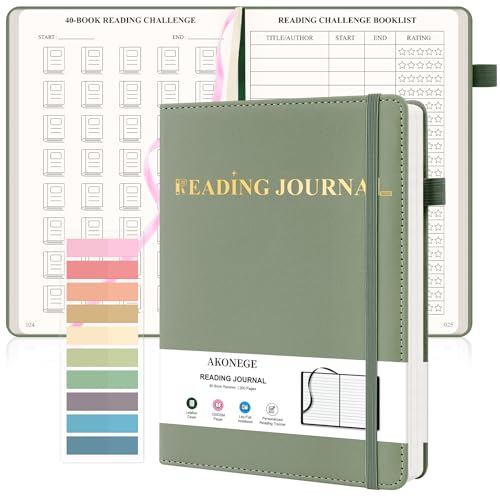
All-in-One Reading Journal: It can hold up to 80 book reviews, providing ample space to record thoughts and quotes. It also features a book wishlist, weekly reading log, reading tracker, various reading challenge sections, numbered pages, and an index page for quick reference to book reviews, favorite books and authors, and borrowed book lists, to organize every book you have read and improve your reading ability

ALL-IN-ONE TRACKING TOOL --- This reading book review journal is designed to help you effortlessly organize and track your reading habits. With dedicated sections like an Index, Reading Log, Book Reviews, Books Borrowed & Lent out, Monthly Plan, a Wish List, and Book Challenges, this book journal for book lovers consolidates everything you need in one convenient place
Sharing Insights With Others
Engaging thoughtfully with texts opens the door to a vibrant world of shared insights, where readers can discover new perspectives and deepen their understanding of literature together! Sharing insights from anthologies invigorates discussions, exposing readers to diverse authors and themes all within one collection. Joining book clubs or online forums amplifies these insights, inviting community interaction and enriching collective analysis. Writing book reviews or reflections on anthology pieces cultivates articulate dialogue, broadening conversations around the works’ significance. Organizing readings around specific anthologies creates shared experiences, allowing participants to explore contextual connections. Additionally, leveraging social media to share favorite excerpts can engage wider audiences, prompting further inquiry into the chosen anthologies—because who doesn’t love a good book recommendation? In the world of culinary literature, visual learning plays a crucial role, with cookbooks providing photographs that enhance understanding and confidence, much like sharing insights in book discussions enriches the reading experience.
Adapting Your Plan Based on Interests
To guarantee a reading plan resonates with personal interests, one must regularly adapt it based on evolving preferences and new insights discovered along the journey! Reviewing the reading list frequently maintains its dynamic nature, allowing for the integration of anthologies that pique curiosity or reflect recommendations from friends. For instance, exploring collections like “The Best American Short Stories” offers a smorgasbord of styles and genres, keeping the experience fresh and engaging. Flexibility is essential; set aside time for unexpected finds that align with meaningful life events, or adjust goals when specific areas of curiosity arise. This fluid approach not only enriches knowledge but also makes reading books a joyous adventure tailored uniquely to one’s interests! Incorporating books that explore key art movements through essential texts can provide a deeper understanding and appreciation of various artistic styles and historical contexts.
Measuring Progress and Staying Motivated
A well-rounded reading plan is only as good as the progress made within it, which is why establishing measurable goals can transform a literary journey into an exciting adventure! By setting targets like completing a certain number of pages or chapters each week, readers can effectively track progress and cultivate motivation. Utilizing reading journals to document insights can further enhance retention and provide a personal record of growth. Breaking larger anthologies into manageable sections prevents feelings of overwhelm, ensuring consistent advancement. Celebrating milestones—like finishing a volume or sharing achievements with friends—offers well-deserved boosts in motivation. Joining a reading group fosters accountability, enhancing the experience through community engagement. Immerse yourself and start measuring that progress!
Frequently Asked Questions
What Is the 50 Page Rule?
The 50 Page Rule is a reading strategy suggesting that if content engagement is lacking by page 50, readers should consider setting the book aside, fostering literary exploration within established page limits for better reading experiences.
How to Structure an Anthology?
To structure an anthology effectively, one should follow editorial guidelines emphasizing thematic organization, embrace author diversity, and guarantee reader engagement through thoughtful curation of works that reflect varied perspectives and rich contexts.
How to Create a Reading Plan?
Creating a reading plan is akin to map-making for literary exploration. By setting reading goals, scheduling sessions, embracing genre exploration, and maintaining a thematic focus, one navigates their personal library with purpose and passion.
How to Create Lifelong Readers?
To create lifelong readers, one must foster reading engagement through access to diverse genres, encourage family involvement in shared reading activities, and support community programs that highlight the importance of literature and continuous exploration.