As an Amazon Associate, we earn from qualifying purchases. Some links on this site are affiliate links at no extra cost to you. Our recommendations are based on thorough research and editorial judgment.


Coffee and Tea Culture Books: Processing, Terroir, and Brewing

For anyone intrigued by the world of coffee and tea, “The World Atlas of Coffee” (2020, Firefly Books), with its lively exploration spanning over 200 pages, offers essential insights into processing, terroir, and brewing techniques from 35 countries! The book enlightens readers about varieties like Geisha and Bourbon, while also addressing how factors like soil and climate shape flavors. With engaging visuals and expert guidance, it’s a gem for coffee lovers. There’s so much more to discover within!
Key Takeaways
- “The World Atlas of Coffee” by James Hoffmann covers brewing techniques, coffee varietals, and processing methods across 35 countries, enriching coffee culture knowledge.
- Understanding terroir is essential as it influences coffee flavor profiles through unique environmental conditions like soil and climate, highlighted in various coffee literature.
- Books like “Coffee: A Detailed Guide to the Bean, the Drink, and the Culture” explore the relationship between coffee production and cultural practices, enhancing appreciation.
- Advanced brewing techniques, including French press and pour-over, are discussed in detail in coffee culture literature, revealing flavor nuances in each method.
- Decaffeination methods are examined in certain texts, emphasizing how flavor and quality can be preserved while reducing caffeine content for enjoyment.
The World Atlas of Coffee 3rd Edition: A Comprehensive Resource
You may be interested



Coffee lovers and aspiring baristas alike will discover a treasure trove of knowledge within “The World Atlas of Coffee 3rd Edition” by James Hoffmann, published by Firefly Books in 2020. This thorough resource builds upon the foundation laid in the first edition, offering detailed insights into coffee brewing from over 35 countries, which is impressive! With new chapters on decaffeination and advanced brewing techniques, readers will elevate their coffee expertise. The book explores key factors influencing flavor such as variety, processing methods, and terroir, making the complexities of coffee truly remarkable! Visually engaging and informative, it serves not only as an enchanting coffee table book but also as an essential guide for enthusiasts keen on deepening their appreciation for coffee culture. Additionally, just as The Flashback Writer offers strategies for effective storytelling, this book provides practical guidance on integrating complex coffee concepts seamlessly into one’s brewing repertoire.
Recommended Products



Understanding Coffee Beans: Varietals and Processing
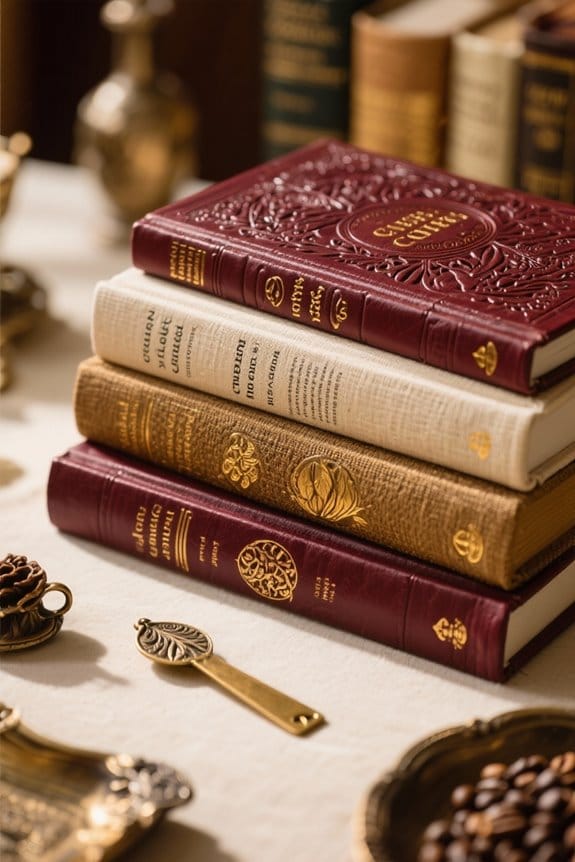
An intriguing world awaits those enthusiastic to explore the nuances of coffee beans, where variances in varietals and processing methods can completely transform the final cup experience. To truly appreciate coffee, one must make sure to understand the two primary species: Arabica, celebrated for its sweet complexity, and Robusta, known for its bold bitterness. Each varietal, from the delicate Geisha to the robust Bourbon, presents its own flavor journey, shaped by specific terroirs. Furthermore, the processing methods—washed, natural, or honey—significantly tweak flavor profiles; washed coffees exude clarity while naturals offer a fruity punch. Finally, monitoring cherry ripeness during harvest is essential, as any oversight can lead to undesirable tastes (not something anyone wants in their morning brew!). For those looking to deepen their understanding, books such as the “Coffee Roasters Handbook” provide step-by-step instructions on bean selection and roasting processes.
Recommended Products


Brewing Techniques: From French Press to Pour Over

When exploring the rich tapestry of brewing techniques, enthusiasts will find that each method, whether it’s the classic French press or the meticulous pour-over, reveals unique flavors hidden within the same coffee beans. Previously published studies show that the French press steeps coarsely ground coffee in hot water for about four minutes, yielding a full-bodied brew that embodies robust richness. In contrast, pour-over techniques emphasize consistency in water flow, which is essential for extracting the brighter acidity of medium-fine grounds, creating an intricate flavor profile. Mastering these varying methods allows coffee lovers to customize their experience, enhancing the nuances of each bean’s terroir and processing. Just as Acrylic Painting Step-by-Step guides artists through their creative exploration, mastering coffee brewing techniques can unveil a whole new world of flavors. There’s truly a world of exploration with every cup!
Recommended Products

Stelton Norman Foster Press Filter Jug Stainless Steel Mirror Polished
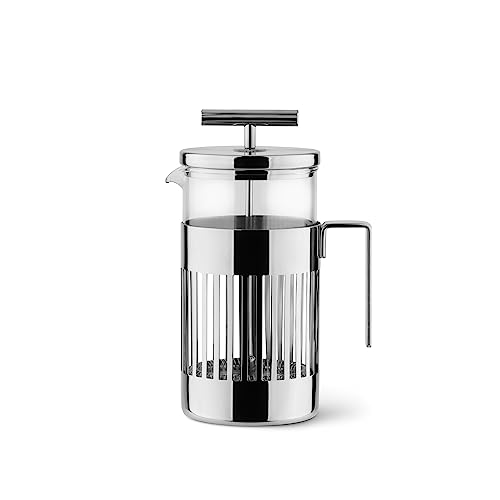
Elegant press filter coffee maker, suitable to be used as an infuser for other beverages

Stainless Steel 8-cup Press Coffeemaker
The Role of Terroir in Coffee Flavor Profiles
Flavors in coffee can be as diverse as the landscapes from which they hail, with each bean holding a story deeply rooted in its terroir. The first book that captures this enchanting relationship is “Coffee: A Detailed Guide to the Bean, the Drink, and the Culture” by Kalle Freese, published by Wide Eyed Editions. Spanning 216 pages, this engaging read explores environmental factors like soil, climate, and altitude that shape flavor profiles, making coffee a rich tapestry of taste. Countries such as Ethiopia and Colombia showcase distinct terroirs that enhance aroma and acidity. As readers sip their brews, they’ll relish these nuanced differences, transforming mere consumption into a flavorful journey across global landscapes! What a delightful adventure awaits! Embracing minimalist principles in home design can boost mental clarity and transform the coffee-drinking experience into a mindful ritual that enhances presence and enjoyment.
Decaffeination Methods: Preserving Flavor and Quality
In the intricate world of coffee, the subject of decaffeination emerges as a fascinating exploration of how to enjoy caffeine-free options without sacrificing flavor or quality. Methods such as the Swiss Water Process and CO2 method excel in removing 97-99% of caffeine while preserving the rich taste and aroma that coffee enthusiasts cherish. Higher quality beans yield superior results, ensuring a delightful sensory experience. As highlighted in the York Times Book Review, understanding decaffeination nuances is essential for both casual drinkers and industry professionals, who appreciate the lingering complexities of each cup. Choosing a reputable source for decaffeinated coffee not only impacts caffeine content but also enriches the enjoyment of this beloved beverage, maintaining its flavorful soul with remarkable finesse! For those who appreciate the allure of travel books, exploring cultural insights through narratives can elevate the sensory journey, much like discovering the nuances in a well-crafted cup of decaffeinated coffee.
Exploring Coffee Culture Across Continents
As coffee enthusiasts initiate a journey through diverse cultures and traditions, the rich tapestry of global coffee practices reveals how geography and customs intertwine to create unique experiences! The New York Times Book highlights remarkable variations: Ethiopian ceremonies celebrate community, while Colombia and Brazil impress with their unique varieties and meticulous processing techniques. Meanwhile, Australia and the United States spark innovation in specialty coffee, embracing high-quality, ethically sourced beans. Asian countries like Japan and Vietnam offer distinctive brewing styles—precision pour-overs versus sweetened coffee traditions that entice the taste buds! Each country’s approach not only enhances flavor but also reflects deep-rooted cultural values, making every cup a story worth savoring! (Engaging, right?) Readers can immerse themselves in these engaging traditions! Additionally, understanding the importance of cross-cultural perspectives in coffee culture can enrich one’s appreciation of how global influences shape local coffee practices.
Frequently Asked Questions
How Has Coffee and Tea Culture Evolved Over Time?
Coffee and tea culture has evolved markedly through cultural exchange, adapting diverse brewing methods and consumption practices worldwide. Historical trade routes and globalization fostered unique traditions, continually reshaping preferences and promoting appreciation for these beverages across cultures.
What Are the Environmental Impacts of Coffee and Tea Production?
The environmental impacts of coffee and tea production include deforestation, water scarcity, and pesticide use. Implementing sustainable practices can mitigate these effects, fostering healthier ecosystems while ensuring future generations can enjoy these beloved beverages.
How Can I Pair Coffee or Tea With Food?
To achieve flavor harmony, one should consider the intensity and taste profiles of both coffee or tea and the food. For example, light teas pair well with delicate pastries, while robust coffees complement hearty dishes effectively.
What Are the Health Benefits of Drinking Coffee and Tea?
Research indicates that moderate coffee and tea consumption associated with a reduced risk of chronic diseases. Caffeine effects enhance alertness and may improve mood, while antioxidants in both beverages support cardiovascular health and overall well-being.
Are There Any Cultural Rituals Associated With Coffee and Tea?
Cultural rituals surrounding coffee and tea often hold significant ritual significance, from the Japanese tea ceremony emphasizing mindfulness to Ethiopian coffee ceremonies celebrating community. Each practice enriches social bonds and reflects unique cultural identities and traditions.