As an Amazon Associate, we earn from qualifying purchases. Some links on this site are affiliate links at no extra cost to you. Our recommendations are based on thorough research and editorial judgment.


Journaling and Sketchbooks: Building a Sustainable Practice

Journaling and sketching offer fantastic opportunities for self-expression while promoting sustainability! By choosing eco-friendly materials like recycled paper and refillable pens, creatives can nurture their art without harming the planet. Digital journaling platforms, such as Day One, allow for unlimited entries and multimedia elements, further reducing paper waste. Engaging with the community through art swaps and journal exchanges creates shared values and enhances personal reflection. Excitingly, there’s so much more to explore in building a sustainable practice!
Key Takeaways
- Choose journals made from recycled or sustainably sourced paper to minimize environmental impact and enhance creative expression.
- Utilize refillable pens to significantly reduce plastic waste and promote a sustainable journaling practice.
- Engage in community activities like journal exchanges and art swaps to foster sustainability and shared creative values.
- Explore digital journaling options to reduce paper consumption while benefiting from organizational features and multimedia integration.
- Establish a regular journaling routine, embracing imperfections and reflection to sustain motivation and foster personal growth.
The Importance of Journaling in Creative Growth
You may be interested


While engaging in journaling might seem like just another notebook activity, it actually serves as an important catalyst for creative growth, allowing individuals to explore their thoughts and emotions in meaningful ways. This journaling practice fosters self-reflection, enabling artists to cultivate a unique voice through personal experiences and ideas. Studies indicate that regular journaling enhances creativity by creating a safe space for experimentation, promoting acceptance of imperfections—so crucial in artistic endeavors! By incorporating sketchbooks, individuals not only refine their drawing abilities but also construct a tangible record of their artistic milestones. Additionally, journaling nurtures mindfulness, encouraging artists to reconnect with their surroundings and draw inspiration from the everyday, resulting in a rich tapestry of creativity waiting to unfold! One can enhance their journaling experience by choosing leather journal notebooks, which provide a luxurious feel and durability, making them ideal for extensive writing and creative exploration.
Recommended Products


Choosing Eco-Friendly Materials for Your Journal

Choosing eco-friendly materials for a journal not only benefits the environment but also enhances the overall journaling experience, allowing individuals to express their creativity with a clear conscience. To create a sustainable practice, one should consider journals made from recycled or sustainably sourced paper, ideally bearing certifications like FSC (Forest Stewardship Council), ensuring responsible resource management. Furthermore, utilizing refillable pens can dramatically reduce plastic waste, as ink cartridges can easily replace used ones, making the journaling journey even greener! Engaging in journal exchanges or local recycling programs fosters a sense of community while promoting sustainability. By making conscientious choices, journaling can evolve into an eco-friendly outlet, sparking creativity without sacrificing the planet’s health! How delightful! One can draw inspiration from botanical illustrations that provide educational value and enhance appreciation for the beauty of plant life.
Recommended Products

A3 Printing Paper: This 11.69 × 16.54 in white copy paper is an office supply from the KOKUYO brand. Made in Japan, it has a silky-smooth texture that is ideal for writing and note-taking, smooth writing surface

Durable Design & Everyday Protection: Crafted from premium full-grain leather, this A5 Zippered Spiral Journal not only offers long-lasting durability but also safeguards your notes, receipts, and essentials, keeping them organized and secure wherever you go.

Elevated Writing Experience – Made from premium full-grain leather, this refillable journal combines modern professionalism with timeless appeal for work, study, or personal reflection.
The Benefits of Digital Journaling

Digital journaling offers countless benefits that transform the way individuals document their thoughts and experiences! Not only does it greatly reduce paper consumption, making it an eco-friendly choice, but it also provides enhanced organization features like search functionalities and tagging. These attributes streamline the journaling process, allowing users to find previous entries with ease (who knew searching could be this delightful?). Utilizing tablets or digital notepads means unlimited journaling options—users can edit or adapt entries without tossing pages into the recycling bin. Additionally, many platforms support multimedia elements, enabling the incorporation of images, audio recordings, and links, which enrich the overall experience. Ultimately, digital journaling promotes a decluttered approach, fostering creative expression without the physical mess! High-quality paper used in physical journals is essential to prevent ink bleeding, highlighting a key advantage of digital mediums where such concerns are unnecessary.
Recommended Products


THE ONLY TABLET THAT FEELS LIKE PAPER – With a paper feel never before experienced on a digital device, reMarkable 2 redefines note taking, reading, and reviewing documents. At just 4.7 mm thick, you can take it anywhere

THE ULTIMATE PAPER TABLET – For the first time on a reMarkable paper tablet, you can write, sketch, and read in color. Ultra-slim and portable, but with a full-size 11.8” color display, adjustable reading light, and an unmatched paper-like writing experience.
Engaging With the Community: Sharing and Recycling
Engaging with the community through journaling not only enriches the personal experience but also plays a pivotal role in promoting sustainability! By sharing resources and organizing notebook exchanges, individuals can encourage the reuse of partially used notebooks and pens, which greatly reduces waste. These collaborative practices enhance connections among artists while fostering a collective commitment to eco-friendly habits. Recycling unwanted journals and writing instruments serves to minimize environmental impact, reminding everyone that creative responsibility can coexist with artistic expression. Additionally, participating in community initiatives like art swaps can inspire others to reflect on their journaling practices and integrate mindfulness into their routines. Such engagements elevate the art of journaling, transforming it into a conscientious practice rooted in shared values and sustainability. By choosing eco-friendly options like those found in certain mixed media sketchbooks, artists can further minimize their environmental footprint while ensuring the longevity of their creative works.
Exploring the Scrap-a-Day Journaling Trend
While diving into the world of Scrap-a-Day journaling, enthusiasts discover a vibrant and accessible means of self-expression that combines the art of scrapbooking with the reflective nature of journaling. This simple yet impactful trend encourages individuals to incorporate one small paper scrap daily, transforming everyday items—like receipts and wrappers—into meaningful artistic expressions that narrate their lives. Participants often share their creative techniques online, fostering a lively community spirit that motivates new artists. By embracing imperfections, the Scrap-a-Day approach highlights sustainability, inviting creators to find beauty in discarded materials. Since it requires no professional supplies, this practice is especially welcoming for beginners enthusiastic to explore their artistic talents without the pressure of perfection! Engaging in regular practice of techniques learned from swimming technique books is essential for improvement, highlighting the importance of consistent application in both athletic and artistic endeavors.
Recommended Products

High - Definition Verse Printing for Bible Study:Experience stunning 300 DPI high - quality printing, which is perfect for creating verse stickers, tabs for the Bible, and elegant bookmarks. It's an ideal supply for Bible study, turning meaningful words into tangible inspiration for Bible journaling and spiritual development

LABELS - Jumbo Reward Sticker Book, ready for daily use at school, at home, and at the office. Stocked to keep your routine moving.

📕 This Journaling set is perfect for handmade gifts. Decorative masking diy washi tape: perfect for decorating your journaling supplies or journal stickers aesthetic or bullet journal stickers, photo albums, day-planner, diaries, handmade cards, file folders, home decoration, bookmarks, envelopes, gift wrapping, postcards, boxes & packages, thank you notes, school projects and much more.
Developing Mindfulness Through Journaling
Journaling can be a powerful tool for developing mindfulness, as it allows individuals to pause and reflect on their experiences, cultivating a deeper awareness of their thoughts and emotions. Engaging in daily journaling encourages present-moment awareness, promoting emotional regulation and enhanced self-awareness. Research shows that this practice can reduce stress and anxiety, contributing to better mental health overall! By focusing on breath or sensory experiences while journaling, individuals can deepen their reflective process, fostering creativity and insight. Additionally, regular sketchbook journaling transforms into a meditative ritual, allowing one to unwind and capture fleeting moments of inspiration. With each entry, the journey toward mindfulness becomes a delightful, ongoing exploration, helping to illuminate the path toward self-discovery and growth. Journaling boosts mental health and well-being by creating a safe space for self-reflection, helping individuals identify patterns or triggers for better emotional regulation.
Sustainable Practices for Your Creative Process
Mindful creativity often thrives in an environmentally conscious space, as artists and writers discover ways to intertwine their creative processes with sustainable practices. By opting for sustainable journaling materials, such as journals crafted from recycled or sustainably sourced paper, individuals contribute to reducing deforestation. Utilizing refillable pens, rather than disposable ones, not only mitigates plastic waste but also saves money through reusable ink cartridges—win-win! Embracing digital tools can dramatically decrease paper consumption while offering organization tools that make journaling a breeze. Furthermore, fostering a vibrant culture of sustainability—by sharing and recycling journals—encourages community engagement. Finally, techniques like the Scrap-a-Day trend promote eco-friendly habits, turning everyday items into artistic treasures! Compact and lightweight sketchbooks can further support sustainable practices by reducing transport fatigue and encouraging on-the-go creativity. Embrace these practices and create guilt-free art!
Tips for Starting and Maintaining Your Journaling Routine
Starting a journaling routine can feel challenging, yet establishing a consistent practice opens the door to rich self-discovery and creativity. To kick off this rewarding endeavor, consider opting for sustainable materials, like recycled paper journals and refillable pens, to support the environment. Set aside a few minutes each day—perhaps while sipping your favorite tea—to jot down thoughts or add a sketch in your sketchbook practice! Embrace flaws as part of the journey, allowing creativity to flow unhindered. Digital journaling platforms, such as Day One, offer an eco-friendly alternative that promotes organization and sharing. Finally, revisiting past entries enhances reflection, creating a treasure trove of personal growth that inspires. Incorporating guided prompts can help enhance your journaling focus and reduce negative thinking patterns during your practice. Happy journaling!
Recommended Products
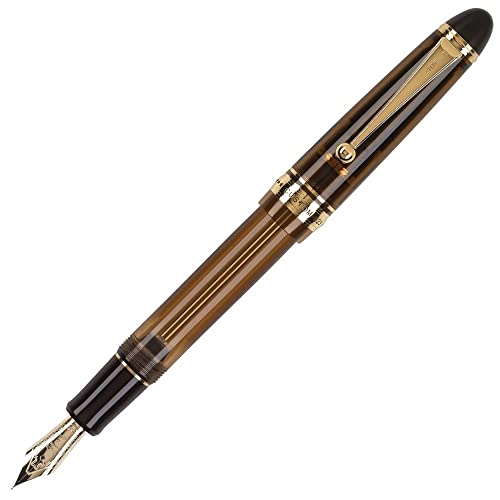
CUSTOM 823 FOUNTAIN PEN: Pilot's truest 'demonstrator-style' fountain pen with the largest ink reservoir. 14K gold nib is available in fine, medium, & broad point. Smoky amber barrel with gold accents.

BEAUTIFULLY CRAFTED & UNIQUE: Soft & Supple Dark Brown Genuine Water Buffalo Leather with a real leather scent. Naturally tanned with special oil, if you scratch or fold this crazy horse leather, you create your own distressed vintage style! Rub your markings and they will fade away. Being hand-made, no two are quite the same - a special keepsake for your thoughts, plans & ideas

[Beautifully Handcrafted Leather Bound Sketchbook]: High quality, thick, full grain 100% leather notebook that looks, smells and feels beautiful. Vegetable tanned buffalo leather that will age with character - The Wanderings vintage leather journals for writing are a lifelong keepsake for your thoughts and expressions.
Frequently Asked Questions
How Do I Overcome a Creative Block While Journaling?
To overcome a creative block while journaling, one can employ creative strategies such as free writing, changing environments, or setting time limits. These methods help ignite inspiration and encourage the flow of ideas.
Can Journaling Improve Mental Health and Well-Being?
Journaling can enhance mental health and well-being by fostering mindful reflection. This practice allows individuals to process emotions, reduce stress, and gain clarity, ultimately contributing to improved psychological resilience and a deeper understanding of oneself.
What Types of Prompts Can I Use for Journaling?
Astoundingly diverse prompts beckon creativity! Reflective questions like “What challenges shaped you today?” or “Which moment made you smile?” ignite introspection, leading to profound insights that transform unremarkable experiences into a treasure trove of understanding and growth.
Is There a Best Time of Day to Journal Effectively?
The best time to journal effectively often aligns with morning rituals, as many individuals find clarity and focus during this period. Mornings can foster creativity, helping thoughts flow more freely and establishing a productive mindset.
How Can I Archive My Journals and Sketches for the Future?
To archive journals and sketches for the future, one can utilize digital archiving methods. Scanning pages, photographing sketches, and organizing files in cloud storage guarantees easy accessibility and preservation of creative works for years to come.