As an Amazon Associate, we earn from qualifying purchases. Some links on this site are affiliate links at no extra cost to you. Our recommendations are based on thorough research and editorial judgment.

10 Best Botanical Garden Books to Inspire Your Green Thumb

If you’re looking to elevate your gardening game, check out *Gardenlust* (2020); it showcases 50 breathtaking gardens with stunning photos! For those enchanted by floral meanings, *Floriography* (2019) explores nearly 100 historical flowers. Don’t miss the gorgeous visuals in *Missouri Botanical Garden* (2014), which captures its rich history over 128 pages, or the practical tips of the *Herbal Handbook* (2010). So, grab your trowel because there’s so much more to discover about these botanical treasures!
Key Takeaways
- Gardenlust showcases stunning gardens from various continents, inspiring readers with innovative designs and captivating visuals.
- Floriography combines botanical art with historical significance, appealing to romantics and gardeners looking for flower meanings.
- Missouri Botanical Garden features breathtaking photography that highlights the Garden’s history, making it ideal for both aesthetics and education.
- Herbal Handbook offers profiles of 51 herbs with practical usage tips and intriguing stories, perfect for gardeners and culinary enthusiasts.
- Gardens of the World presents diverse gardening styles and philosophies, inspiring enthusiasts to cultivate their gardens with unique insights.
Gardenlust: A Botanical Tour of the World’s Best New Gardens

You may be interested


If you’re a garden enthusiast with a penchant for traveling the globe from the comforts of your own couch, *Gardenlust: A Botanical Tour of the World’s Best New Gardens* is an absolute gem you can’t miss! Written by Christopher Woods, this beautifully illustrated book presents 50 stunning gardens from diverse continents, highlighting both private and public spaces. You’ll explore a hillside oasis in Singapore, a enchanting garden in Marrakech, and even a haunting tree museum in Switzerland! With its engaging narratives and fresh design insights, this 256-page hardcover (sure to impress!) inspires your green thumb and ignites your wanderlust.
Best For: Garden enthusiasts and casual readers looking to explore innovative garden designs from around the world.
Pros:
- Beautifully illustrated with captivating visuals of diverse garden landscapes.
- Engaging narratives that provide insights into the unique stories and creativity behind each garden.
- Showcases both private and public gardens, appealing to a wide range of gardening interests.
Cons:
- May not satisfy those seeking extensive practical gardening advice or techniques.
- Limited focus on traditional garden designs, which might not appeal to all gardening styles.
- Some readers may find the book’s global perspective overwhelming due to the vast array of gardens showcased.
Floriography: An Illustrated Guide to the Victorian Language of Flowers Volume 1


For anyone captivated by the enchanting world of floral symbolism, *Floriography: An Illustrated Guide to the Victorian Language of Flowers (Volume 1)* by Jessica Roux is an absolute must-have! This stunning 192-page gem showcases breathtaking, full-color illustrations paired with the historical significance of nearly 100 flowers—perfect for romantic souls, local witches, and brides-to-be alike. You’ll uncover the secret meanings behind blooms that once conveyed emotions in a time of strict etiquette, allowing you to explore fascinating plant folklore and history. Whether it adorns your coffee table or inspires your garden, this guide is sure to spark joy and conversation!
Best For: Romantic individuals, local witches, brides-to-be, and gardeners looking to explore the meanings and folklore behind flowers.
Pros:
- Visually stunning: Features breathtaking full-color botanical illustrations that serve as a beautiful decorative piece.
- Informative content: Covers the historical significance and coded meanings of nearly 100 flowers, enriching your understanding of floriography.
- Engaging for various audiences: Appeals to a wide range of readers, from floral enthusiasts to those interested in romantic and historical traditions.
Cons:
- Niche appeal: May not resonate with readers uninterested in floral symbolism or historical context.
- Limited volume: Being Volume 1, readers may need to await further volumes for a more comprehensive exploration of additional flowers.
- Potentially overlooked as a guide: Its decorative nature might lead some to view it primarily as an art piece rather than a usable informational resource.
Missouri Botanical Garden (Images of America: St. Louis)
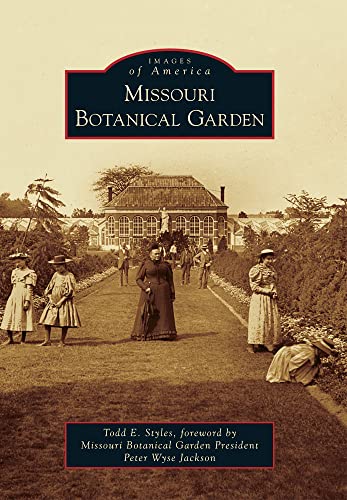
Discovering the Missouri Botanical Garden through the book “Images of America: St. Louis” is a delightful journey! This enchanting collection, featuring around 128 pages of stunning photographs, showcases the legacy of philanthropist Henry Shaw and the Garden’s historic evolution. You’ll explore its 79 acres, including the serene 14-acre Japanese strolling garden and Shaw’s original estate home, while admiring one of the globe’s largest collections of rare orchids. As you turn the pages, you’ll gain insights into the Garden’s role in conservation and education, capturing the vibrant spirit of this beloved St. Louis treasure (perfect for your coffee table!).
Best For: Anyone interested in horticulture, history, or beautiful photography who wants to appreciate the legacy of the Missouri Botanical Garden.
Pros:
- Stunning Visuals: Features around 128 pages of captivating photographs that highlight the Garden’s beauty and history.
- Educational Insights: Provides valuable information about conservation and the significance of the Garden in the field of horticulture.
- Rich Legacy: Celebrates the vision of philanthropist Henry Shaw and documents the Garden’s evolution over 150 years.
Cons:
- Limited Text: Some may prefer a more detailed narrative over photographs and may find the text lacking in depth.
- Coffee Table Use: While perfect for display, it may not be ideal for in-depth reading or study.
- Targeted Audience: Primarily appeals to those with an interest in gardening or local history, potentially limiting its audience.
Herbal Handbook: 50 Profiles in Words and Art from The New York Botanical Garden
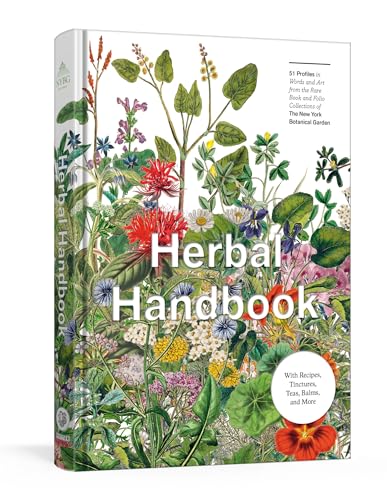
Herbal Handbook: 50 Profiles in Words and Art from The New York Botanical Garden is a treasure trove for anyone who loves gardening, cooking, or immersing themselves in the rich stories behind our favorite herbs! This beautifully illustrated guide showcases 51 herbs, letting you explore their historical significance while providing practical tips for use. You’ll uncover fascinating facts—like how woodruff brightened medieval homes—and discover delightful recipes, from herbal teas to creative cocktails. With vibrant artwork and compelling profiles, this 176-page gem from Timber Press invites you to dive deep into the enchanting world of herbs and explore their everyday magic!
Best For: Anyone interested in gardening, cooking, or the historical stories behind herbs will find this guide invaluable.
Pros:
- Rich illustrations and botanical art enhance the experience of learning about each herb.
- Diverse recipes and applications provide practical ways to incorporate herbs into daily life.
- Historical anecdotes offer intriguing insights into the cultural significance of various herbs.
Cons:
- Limited number of herbs covered may leave some readers wanting more options.
- Focus on certain herbs might not appeal to those seeking information on less common varieties.
- Some recipes may require ingredients that are not readily available to all readers.
Gardens of the World

If you’re a gardening enthusiast keen to explore the world’s most enchanting green spaces, “Gardens of the World” is your go-to guide! This beautifully illustrated book, packed with expert insights, takes you on a visual journey through five thematic chapters, each showcasing diverse garden styles and philosophies from various cultures. You’ll marvel at the formal gardens of Versailles—where meticulous design reigns supreme—alongside the surreal jungles of Mexico’s Las Pozas, where creativity flows freely. Packed with practical advice for your gardening endeavors, this book inspires innovation, proving that garden ingenuity flourishes everywhere. Immerse yourself, and let the adventure begin!
Best For: Gardening enthusiasts and anyone looking to find inspiration for creating their own gardens through diverse global styles and philosophies.
Pros:
- Diverse content: Covers a variety of garden styles and philosophies from different cultures, providing a wide-ranging perspective.
- Expert insights: Offers practical advice and expert knowledge that readers can apply to their personal gardening projects.
- Visually appealing: Features stunning photography that makes the book not only informative but also a source of visual inspiration.
Cons:
- Potentially overwhelming: The vast array of styles might be daunting for beginners unsure of where to start.
- Limited focus on local gardening: Less emphasis on locally applicable gardening techniques which might be necessary for some readers.
- Price point: Depending on the edition, the book may be considered pricey for casual gardeners or those on a tight budget.
New York Botanical Garden Postcards (100 Postcards)
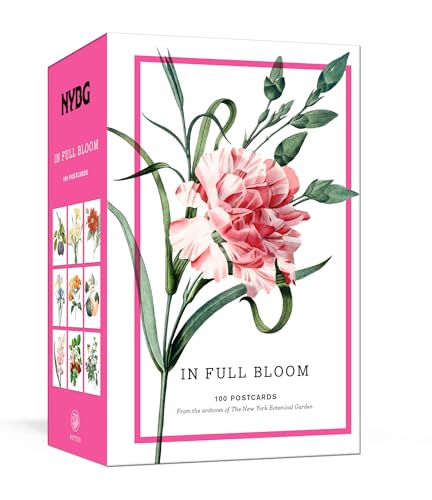
The New York Botanical Garden Postcards set is a delightful choice for anyone looking to capture the vibrant beauty of nature while adding a personal touch to their correspondence or home decor! Featuring 100 stunning postcards, each adorned with breathtaking illustrations of spring and summer fruits and flowers from the garden’s vast archives, you’ll find it hard to resist sending these to friends. The vivid colors and eye-catching designs elevate any greeting or thank-you note, and the elegant box even serves as a stylish keepsake after you’ve used the cards. Plus, with 50 unique images, you get doubles for sharing and saving!
Best For: Anyone who enjoys nature-inspired artwork and seeks versatile postcards for personal use, gifting, or home decoration.
Pros:
- Stunning and vibrant designs that showcase the beauty of fruits and flowers from the NY Botanical Garden.
- Versatile use for greeting cards, thank-you notes, gift tags, or as decorative wall art.
- Comes in an elegant keepsake box, enhancing presentation and storage after use.
Cons:
- Limited to only spring and summer themes, which may not suit everyone’s preferences year-round.
- The inclusion of duplicate images might not appeal to those seeking more variety.
- Requires sending postcards to utilize them, which may not align with everyone’s communication habits.
The New York Botanical Garden 2026 Planner Calendar

The New York Botanical Garden 2026 Planner Calendar
- - Botanical theme ? weekly vintage botanical illustrations for inspiration and botanical learning. - Planner format ? weekly engagement layout with space for appointments...
- Keep up with activities such as meetings, dates, appointments, and deadlines.
- Organize work projects and tasks to stay on track throughout the year.
Are you a nature enthusiast or someone who simply loves the beauty of botanical art? If so, you’ll adore The New York Botanical Garden 2026 Planner Calendar! Showcasing 45 rare vintage botanical illustrations, it highlights twelve distinct collections that’ll inspire your gardening dreams. With weekly spreads providing ample writing space, this calendar (closed size: 6.5 inches x 9 inches) fits perfectly in book bags, totes, and backpacks. Plus, its wire-o binding guarantees durability! Captions accompany each illustration, offering educational insights. Your purchase supports NYBG’s essential work in plant research and conservation, making it a smart choice for any plant lover!
Best For: The New York Botanical Garden 2026 Planner Calendar is best for nature enthusiasts and botanical art lovers who appreciate beautiful illustrations and want a practical planner for their gardening endeavors.
Pros:
- Features 45 rare vintage botanical illustrations and highlights twelve distinct collections.
- Ample writing space in weekly spreads, making it functional and user-friendly.
- Purchase supports essential research and conservation efforts by NYBG.
Cons:
- The closed size of 6.5 inches x 9 inches may be too small for individuals who prefer larger planners.
- Limited space for detailed notes due to the structured weekly layout.
- The focus on botanical illustrations may not appeal to those who prefer a more generic planner aesthetic.
A Garden Eden: Masterpieces of Botanical Illustration
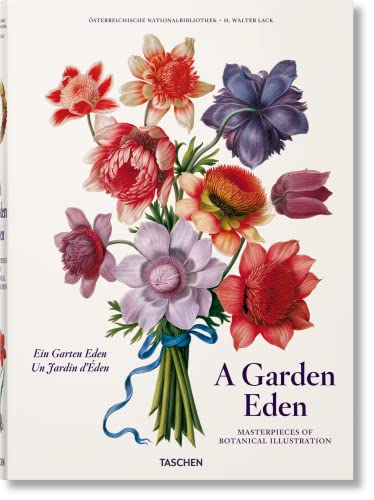
For anyone captivated by the exquisite detail of nature, “A Garden Eden: Masterpieces of Botanical Illustration” from TASCHEN is an absolute must-have! This stunning collection showcases over 300 illustrations from the National Library of Vienna, displaying remarkable species like peonies and chrysanthemums in all their colorful glory. Spanning Byzantine manuscripts to 19th-century masterpieces, this new edition features fresh images that highlight the evolution of botanical art. You’ll appreciate the meticulous draftsmanship combined with an understanding of scientific accuracy, making it more than just pretty pictures—it’s a heartfelt celebration of our precious environment! Trust me, your coffee table needs this gem!
Best For: Anyone who has a passion for nature and appreciates the intricate beauty of botanical art.
Pros:
- Beautifully showcases over 300 illustrations, making it a stunning visual experience.
- Highlights the evolution of botanical art from Byzantine times to the 19th century.
- Combines meticulous draftsmanship with scientific accuracy, appealing to both art lovers and nature enthusiasts.
Cons:
- May be considered expensive for casual readers or those not invested in botanical art.
- Large format may not be suitable for smaller living spaces or limited shelving.
- Limited audience appeal, primarily attracting those specifically interested in botanical illustrations.
The Botanic Garden: The world’s greatest botanical sanctuaries
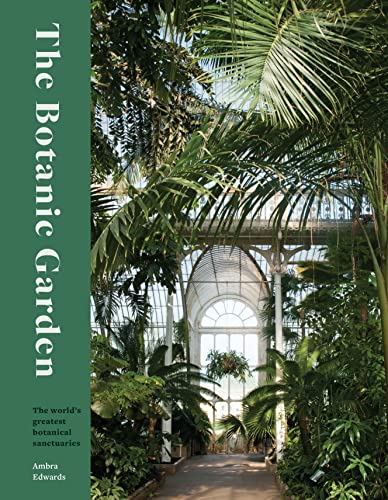
Imagine wandering through lush landscapes filled with exotic plants, where beauty meets biodiversity! In Ambra Edwards’ stunning work, “The Botanic Garden,” you’ll journey across continents, discovering vibrant botanical sanctuaries—from the iconic Kew Gardens in England to the enthralling landscapes of Cape Town. This beautifully illustrated book (224 pages, published by Frances Lincoln) captures the essence of diversity with fascinating plant species, including enchanting orchids and majestic ferns. More than just a visual treat, these gardens are essential for research, conservation, and education. So, immerse yourself and celebrate the natural wonders that enhance our understanding of plants and their crucial importance!
Best For: Anyone who admires botanical beauty and wants to deepen their understanding of plant diversity and conservation.
Pros:
- Offers stunning illustrations and insights into diverse plant species from around the world.
- Serves as an educational resource on the significance of botanic gardens in research and biodiversity conservation.
- Highlights historical and scientific contributions of various botanical sanctuaries.
Cons:
- Limited to the experiences of select gardens, potentially missing out on others.
- May require prior knowledge of botanical terms and concepts for full appreciation.
- The focus on beauty and diversity might overshadow practical gardening information.
The Botanical Bible: Plants, Flowers, Art, Recipes & Other Home Uses

Calling all nature enthusiasts and aspiring chefs! Immerse yourself in “The Botanical Bible: Plants, Flowers, Art, Recipes & Other Home Uses” (Chronicle Books, 2019). This gem celebrates the plant kingdom’s beauty, blending science, history, and culinary creativity in your daily life. With practical gardening tips for six climate zones, it’s perfect for anyone from beginner gardeners to seasoned botanists. You’ll find delightful recipes that transform flowers and herbs into savory dishes and revitalizing drinks—talk about elevating your meals! Plus, enjoy beautiful illustrations by Sonya Patel Ellis, making it an ideal gift or stunning coffee table addition. You won’t want to miss it!
Best For: Nature enthusiasts, aspiring chefs, and anyone interested in gardening and culinary creativity.
Pros:
- Comprehensive Resource: Covers various aspects of plants, including gardening tips, recipes, and natural remedies.
- Illustrative Appeal: Features beautiful illustrations by Sonya Patel Ellis, making it visually stunning and suitable for display.
- Practical Guidance: Provides practical advice for gardening in six climate zones, catering to beginners and experienced gardeners alike.
Cons:
- Overwhelming Information: The extensive content may feel overwhelming for casual readers or those new to botany.
- Not Location-Specific: While it addresses six climate zones, it may lack detail for readers in very specific regions.
- Limited Recipes: Some readers may find the number of recipes insufficient for extensive culinary experimentation.
Factors to Consider When Choosing Botanical Garden Books

When you’re picking out botanical garden books, think about what really excites you—whether it’s vibrant visuals, rich content, or practical gardening tips. You’ll want to check the book’s depth and scope to ascertain it meets your interests, while also considering if it offers a historical or cultural perspective that adds to your understanding (bonus points if the illustrations are jaw-dropping!). With so many great options out there, like “The Garden Book” by Phaidon (over 400 pages of stunning images!), finding the perfect fit can be a rewarding adventure!
Target Audience Interests
Choosing the right botanical garden book can feel like a delightful treasure hunt, especially when you take into account the unique interests of your audience! If you have gardeners among your friends, opt for practical guides like “The Garden Primer” by Barbara Damrosch, which packs valuable tips and is about 600 pages long. For history buffs, “Floriography” by Jessica Roux dives into floral symbolism, perfect for those who love storytelling. If art appeals to them, check out “Botanical Art” from the Royal Botanic Gardens, filled with stunning illustrations. And for those intrigued by science, “Plant Systematics” by Michael G. Simpson offers an extensive yet approachable exploration of plant biology for conservation enthusiasts. Happy reading!
Visual Quality and Appeal
A stunning botanical garden book can transform your reading experience, drawing you into the vibrant world of flora and design! Look for high-resolution photography and intricate illustrations that capture plant beauty, enhancing your appreciation. Books like “The Art of Botanical Illustration” (Royal Botanic Gardens, 224 pages) showcase full-color artworks, making them visually striking and perfect for display. Additionally, diverse design elements—think themed chapters and unique layouts—engage you more effectively and offer a richer narrative. Quality visuals not only convey complex concepts but also appeal to both gardening enthusiasts and art lovers alike, enhancing a book’s overall attractiveness and marketability. Trust me, a beautiful book is truly a conversation starter!
Content Depth and Range
After enjoying the visual wonders of botanical garden books, you’ll likely want to explore the rich layers of content they offer! It’s essential to evaluate the range of topics covered—some books plunge into gardening techniques, while others share historical uses or even the symbolic meanings of plants. Look for titles that include in-depth profiles and vibrant illustrations, as these elements enhance your understanding—books like “Planting: A New Perspective” (Thames & Hudson) showcase diverse gardens and styles, offering global perspectives. Consider whether the content balances practical gardening tips with artistic flair, as this combination keeps you engaged. Finally, don’t overlook historical context; understanding a plant’s cultural significance can truly enrich your appreciation!
Practical Applications and Tips
Selecting the right botanical garden book can feel like starting on a delightful treasure hunt, where each option sparkles with the promise of new gardening adventures! Aim for titles that offer practical tips; these gems enhance your skills, no matter your experience. Consider books like “The Garden Primer” by Barbara Damrosch, which provides hands-on advice and covers a whopping 752 pages! Look for volumes that incorporate recipes and applications—imagine using your homegrown herbs in a delicious dish. Don’t forget to choose visually stunning books packed with illustrations or photographs; they’re perfect for inspiration and make charming gifts. Finally, explore diverse gardening styles to broaden your horizons and breathe fresh life into your garden! Happy reading!
Historical and Cultural Context
When you’re diving into the world of botanical garden books, understanding the historical and cultural context enriches your experience and helps you choose titles that resonate. Books like “Botany of Desire” by Michael Pollan (2001, Random House) not only explore plant ecology but also reflect on our evolving relationship with nature. You’ll find that many gardens, influenced by cultural practices and historical events, showcase traditional knowledge about plant uses, from medicine to floriography, which beautifully communicate emotions. Look for titles that investigate specific regions or eras, helping you appreciate plants’ roles across different societies (it’s like a time-traveling garden tour!). So, grab a few of these treasures, get inspired, and nurture your green thumb!
Unique Features and Highlights
Exploring the unique features and highlights of botanical garden books can transform your reading journey into a vibrant adventure! Look for titles like “Botany for Gardeners” (by Brian Capon) that showcase diverse garden styles and philosophies, bringing inspiration to your own green space. Don’t overlook the stunning illustrations or photographs, especially in “The Garden Book” (Phaidon Press)—they’ll make your reading experience visually enchanting. Consider books that delve into plant histories and cultural significance, enriching your understanding of botanical art. For practicality, you might love “The Garden Primer” by Barbara Damrosch, with handy gardening tips and even recipes. Finally, confirm the book covers a range of species and global gardens to appreciate the full spectrum of botanical wonders!
Frequently Asked Questions
What Is the Best Way to Select the Right Botanical Garden Book for Me?
To select the right botanical garden book for you, start by considering your interests! If you’re into practical gardening, check out “The Garden Primer” by Barbara Damrosch (704 pages, Workman Publishing), which covers everything from soil to design. For inspiration, “Botanical Inspirations” (240 pages, Timber Press) delights with gorgeous illustrations! Don’t forget to peek at the book’s layout and pictures—visual appeal can make a huge difference (trust me on this)! Happy reading!
Are There Specific Botanical Garden Books for Beginners or Advanced Gardeners?
Yes, there are specific botanical garden books for both beginners and advanced gardeners! For newcomers, “The Garden Primer” by Barbara Damrosch is a goldmine—over 400 pages of practical advice and stunning illustrations from Workman Publishing. Advanced gardeners might enjoy “Planting: A New Perspective” by Piet Oudolf and Noel Kingsbury, diving into intricate design strategies with a rich, oversized format. So, whether you’re just sprouting or a seasoned pro, there’s a perfect book waiting for you!
How Can I Use Botanical Garden Books for Landscape Design Inspiration?
You can totally use botanical garden books for landscape design inspiration! Immerse yourself in “The Garden Book” by Phaidon (500 pages of pure beauty) or explore “The Plant Lover’s Guide” series by Timber Press, which showcases unique plants and designs. These books spark creativity, helping you envision layouts that captivate. With stunning photos and detailed descriptions, you’ll be bursting with ideas! Honestly, it’s like having a garden designer right in your living room!
Do Botanical Garden Books Include Care Tips for Specific Plants?
Yes, many botanical garden books do include care tips for specific plants! For instance, “Planting: A New Perspective” by Piet Oudolf and Noel Kingsbury (368 pages, Timber Press) dives into the intricacies of plant care with excitement. You’ll find invaluable information on light, watering, and soil that’ll boost your gardening game. Plus, the lush photographs will inspire you to dig right in—figuratively and literally! Don’t miss out on enhancing your green thumb!
Where Can I Find Rare or Out-Of-Print Botanical Garden Books?
You can find rare or out-of-print botanical garden books at specialized online retailers like Alibris and AbeBooks, which offer wonderful selections. Don’t forget to check eBay for auctions—I’ve snagged some fantastic gems there! Libraries often have interlibrary loan options, too, so you can access books across multiple systems. If you’re lucky, your local independent bookstore might even have a hidden corner dedicated to garden treasures! Happy hunting!