As an Amazon Associate, we earn from qualifying purchases. Some links on this site are affiliate links at no extra cost to you. Our recommendations are based on thorough research and editorial judgment.

Cookbooks Vs Culinary Textbooks: Structures and Learning Paths

Cookbooks and culinary textbooks offer unique yet complementary paths in culinary learning! Cookbooks, like “The Joy of Cooking,” with 1,200 pages of delightful recipes, focus on accessibility and fun, inviting home cooks to explore cuisines. In contrast, culinary textbooks emphasize technique and food science, guiding aspiring chefs through structured lessons, from basic skills to advanced practices. Both resources can spark creativity and enhance skills—curious how to combine them effectively for a culinary journey?
Key Takeaways
- Cookbooks are organized by meal types or techniques, while culinary textbooks focus on foundational principles and comprehensive learning within structured programs.
- Cookbooks emphasize relatable anecdotes and vibrant photography, whereas culinary textbooks prioritize food science and critical thinking for professional contexts.
- Visual learning plays a significant role in both formats; cookbooks use images for recipe guidance, while textbooks enhance theoretical understanding through illustrations.
- Cookbooks cater to various skill levels and cuisines, while culinary textbooks provide a logically sequenced approach, progressively developing a chef’s expertise.
- Combining cookbooks and textbooks enriches culinary learning, blending hands-on skills with theoretical knowledge for well-rounded development in culinary arts.
Understanding the Structure of Cookbooks
You may be interested


When diving into the world of cooking, one of the most delightful places to start is with a well-structured cookbook! Cookbooks are treasure troves filled with practical cooking instructions that make them perfect for aspiring home chefs. They emphasize fundamental cooking techniques, allowing beginners to navigate the culinary domain with confidence. Often organized by meal types, ingredients, or cooking methods, cookbooks can turn the intimidating act of cooking into a manageable endeavor. Many also weave in personal anecdotes, creating a narrative that adds warmth and relatability to the culinary experience. With each turn of the page, readers not only acquire new skills but also find themselves inspired to create delicious meals that reflect their journey in the kitchen. A well-selected cookbook, such as Pastry for Beginners, can provide structured guidance and easy-to-follow recipes that simplify the learning process for newcomers.
Recommended Products


First Edition hardcover of classic massive Chinese cook book
The Educational Focus of Culinary Textbooks

Cookbooks provide a fantastic starting point for culinary exploration, yet culinary textbooks open up a world of educational depth that goes beyond mere recipes! Focused on foundational principles, culinary textbooks investigate techniques, methods, and food science, explaining the chemical reactions that occur during cooking. They emphasize an educational focus on structured learning, often aligning with culinary school curriculums—perfect for those serious about honing their cooking skills. Significantly, a well-crafted textbook includes hands-on experience through exercises and assessments, allowing students to practice and refine their techniques in a supportive setting. Ultimately, these textbooks encourage critical thinking and creativity, essential traits for maneuvering the dynamic challenges of professional kitchens! A comprehensive guide to flavor affinities, such as The Flavor Bible by Andrew Dornenburg, can also enhance one’s understanding of flavor profiles and techniques. Now, who wouldn’t want to immerse themselves in that adventure?
Accessibility and Practical Use of Cookbooks
Diving into a cookbook’s enticing pages offers a recipe-driven adventure that invites home cooks to recreate beloved dishes and explore diverse cuisines without feeling overwhelmed! The accessibility of cookbooks is remarkable, with countless titles available at various price points. Popular options, like “The Joy of Cooking” (1,000+ pages) and “Salt, Fat, Acid, Heat” (480 pages), cater to all skill levels, ensuring everyone can find practical use in everyday cooking. Unlike culinary programs that focus on theory, cookbooks empower home cooks to whip up delightful meals while developing their culinary instincts. With vibrant photography and clear instructions, these guides make gathering friends for dinner an enticing endeavor! Indeed, they transform cooking from a chore into an enjoyable, creative pursuit! Some cookbooks include personal anecdotes and stories, which add emotional connections that make the cooking experience more meaningful.
Recommended Products

You're in Control: Variable Speed Control and Pulse feature let you manually fine-tune the texture of any recipe

Included: Vitamix 5200 blender motor base, 64-ounce classic container, and tamper; this kitchen blender container allows for small- to large-capacity blends

Comprehensive Learning in Culinary Textbooks
How does one commence on a journey of culinary mastery? Thorough learning in culinary textbooks lays a solid groundwork for aspiring chefs by emphasizing core skills and technical skills. These texts, unlike simple cookbooks, reveal the science behind cooking and explore essential techniques such as knife work and flavor development, fostering a deeper cooking experience. Structured pathways guide students logically, layering knowledge from basic to advanced practices, making learning both accessible and enriching. Hands-on assignments and real-world externships solidify this culinary education, ensuring that students not only acquire knowledge but also apply it effectively. Each page, filled with insights on historical contexts and cultural significance, equips learners to tackle culinary challenges with confidence and artistry! Additionally, aspiring chefs can gain a more comprehensive understanding of diverse cuisines through specialized cookbooks, which expand culinary horizons and introduce them to various cooking styles.
Enhancing Creativity With Cookbooks
While exploring the world of culinary arts, one often finds that cookbooks serve as vibrant treasure chests brimming with inspiration. These delightful volumes, whether it’s Ina Garten’s “Barefoot Contessa” series or Thomas Keller’s “The French Laundry Cookbook,” encourage creativity by presenting diverse recipes designed for personalization. Unlike culinary textbooks that emphasize rigid techniques, cookbooks invite cooks to experiment, engaging their senses in a hands-on journey. Readers can immerse themselves in unique flavor combinations and cultural narratives, inspiring individual culinary creations. The tactile nature of flipping pages and scribbling notes prompts a deeper connection to food, making every recipe an opportunity for innovation. With stunning photographs and accessible instructions, cookbooks truly fuel culinary imagination! Moreover, just like the Magic Makers Magic Coloring Book for magicians, cookbooks offer a balance of guidance and freedom, catering to both novice and experienced cooks.
Recommended Products

DURABLE AND WATERPROOF: TerraSlate printer paper 8.5 x 11 white is waterproof and rip-proof. Ideal for high-quality printing that can endure frequent handling and extreme environmental conditions. Perfect for use as printing paper, copier paper, construction paper, photo paper, diving paper, and heavy-duty waterproof paper for bar menus.

Technical Knowledge and Skill Development in Culinary Textbooks
In the domain of culinary education, culinary textbooks stand as invaluable resources that meticulously impart essential cooking techniques and foundational theories! Designed for aspiring chefs, these books, such as “The Professional Chef” by The Culinary Institute of America (over 1,000 pages of detailed content), emphasize the science behind food preparation, including culinary arts’ crucial aspects like knife skills and flavor profiles. Many incorporate vivid photographs and diagrams, aiding visual learners in mastering complex techniques (it’s like having experienced chefs as your personal guides!). Unlike traditional cookbooks, culinary textbooks boast structured learning pathways with practical exercises and assessments, often supplemented by quizzes and study materials. Consequently, they lay a strong foundation for mastering technical knowledge and effectively maneuvering essential kitchen tools! Among the best cookie baking books, Sally’s Baking 101 offers a range of recipes from beginner to advanced levels, complemented by step-by-step photos and tips, making it suitable for bakers looking to enhance their skills with visual guidance.
Popular Types of Cookbooks for Various Cooks
Cookbooks come in a wide variety of styles, catering to cooks at every level and across diverse culinary interests! For beginners, basic cookbooks are perfect, providing essential recipes and techniques, like boiling an egg or sautéing vegetables. As one advances, technique-focused cookbooks come into play, diving deep into methods like roasting or grilling, often filled with valuable tips (they can be a treasure trove!). On a different note, diverse cuisine-themed cookbooks allow culinary explorers to savor flavors and traditions unique to various cultures, adding a dash of adventure. Each type of cookbook targets a specific skill level, ensuring novice cooks, intermediate chefs refining their skills, and even advanced cooks tackling complex recipes all find a perfect companion in their culinary journey! Visual learning, such as clear step-by-step instructions and photographs, is crucial in enhancing understanding and confidence in the kitchen.
Recommended Products


![Le Pigeon: Cooking at the Dirty Bird [A Cookbook]](https://m.media-amazon.com/images/I/41dA2nIhi3L._SL500_.jpg)
Combining Resources: Leveraging Both for Culinary Success
To elevate culinary skills effectively, integrating the practical flair of cookbooks with the foundational depth of culinary textbooks proves invaluable! Cookbooks, with their vibrant visuals and diverse recipes, invite cooks to experiment and personalize their culinary creations, unleashing creativity during time in the kitchen. In contrast, culinary textbooks—often laden with scientific principles and techniques—equip learners with the essential knowledge to understand the ‘why’ behind cooking processes, empowering them to learn new techniques with confidence. By marrying these resources, aspiring chefs not only master practical skills but also appreciate the historical context and intricate methods outlined in their textbooks. This blend prepares culinary students for success, ensuring they navigate diverse culinary landscapes with both innovation and expertise! Additionally, tempering, molding, and piping are essential techniques that can further enhance a chef’s repertoire, providing valuable detail for those looking to master the art of chocolate-making.
Recommended Products
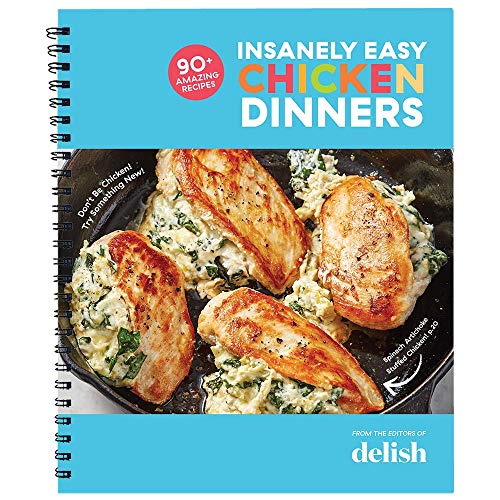
This 208 page spiral-bound cookbook lays flat so it’s easy to cook up these delicious chicken dishes.

COMPLETE 4-BOOK COLLECTION: Includes all four official CanCooker Cookbooks – Volumes 1, 2, 3 & 4 – featuring over 400 pages of mouth-watering recipes designed specifically for the CanCooker.
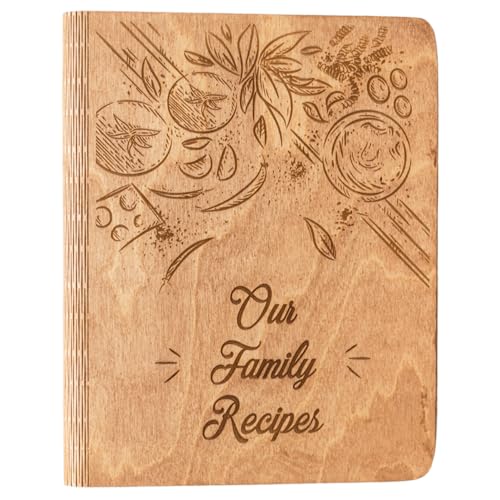
MULTIFUNCTIONAL Natural Birch Plywood: The cover is birch plywood, lending the blank recipe book a beautiful rustic aesthetic. Due to its natural origin, the wood's color may vary slightly.
Frequently Asked Questions
What Is the Difference Between a Cookbook and a Cook Book?
The difference between a cookbook and a cook book lies in their recipe formats and instructional styles, with cookbooks targeting general audiences through accessible recipes, while cook books focus on technique and ingredient sourcing for serious culinary enthusiasts.
What Are the 5 P’s of Cooking?
The 5 P’s of cooking include preparation techniques, cooking methods, presentation aesthetics, flavor balance, and ingredient pairings, each contributing to the overall effectiveness and appeal of a dish in culinary creation and enjoyment.
Did Gordon Ramsay Go to Culinary School or Training?
Gordon Ramsay’s training encompassed formal education and extensive culinary experience. His professional achievements reflect the influences of renowned chefs, emphasizing that both structured learning and real-world challenges shaped his illustrious career in the culinary arts.
What Are the 4 Pillars of Cooking?
The four pillars of cooking are technique mastery, flavor balancing, presentation, and nutrition. Technique mastery involves cooking methods, while flavor balancing emphasizes ingredient selection, ensuring dishes are both appealing and health-conscious through thoughtful preparation.


