As an Amazon Associate, we earn from qualifying purchases. Some links on this site are affiliate links at no extra cost to you. Our recommendations are based on thorough research and editorial judgment.
Cataloging a Personal Library: Methods and Tools

Cataloging a personal library brings order to chaos! By using classification systems like the Dewey Decimal or tailored categorization, book lovers can create personalized spaces with ease. Tools like the LibraryThing app help capture details and organize collections effortlessly through barcode scanning. For those who enjoy hands-on work, manual cataloging offers a personal touch. Additionally, implementing clever shelving strategies maximizes space while protecting valuable books (trust me, dusty bestsellers don’t spark joy). Explore more fantastic methods ahead!
Key Takeaways
- Utilize cataloging apps like LibraryThing and Libib for efficient organization and barcode scanning capabilities.
- Implement classification systems, such as Dewey Decimal or genre categorization, to structure your library meaningfully.
- Regularly evaluate your collection to ensure it reflects current interests and remove books that no longer bring joy.
- Optimize space with vertical shelving and decorative labels to improve navigation and browsing experiences.
- Protect your collection by avoiding direct sunlight and using archival sleeves for valuable or delicate editions.
Benefits of Cataloging Your Library
You may be interested


When considering the multitude of ways to enhance a personal library, one cannot overlook the advantages of cataloging, as it provides a framework that transforms a chaotic collection into a well-organized treasure trove of knowledge! Cataloging not only helps avoid duplicate purchases but also keeps track of borrowed books, ensuring every title has its place. A structured cataloging system improves accessibility, allowing easy location of specific titles by genre or personal interest. Utilizing cataloging apps like LibraryThing or Libib greatly streamlines the process, with features such as barcode scanning that save time for busy readers. Regular maintenance of the catalog fosters deeper connections with the collection, preserving the organization and serving as essential documentation, boosting the library’s value for insurance purposes! Additionally, using a Coin Collection Book with acid-free, transparent pockets can serve as inspiration for maintaining an organized and preserved collection, whether it’s books or coins.
Choosing a Classification System

A well-cataloged personal library offers the perfect opportunity to choose a classification system that best suits individual preferences and needs! Options such as the Dewey Decimal Classification (DDC) and the Library of Congress Classification (LCC) provide structured methods for arranging books by subject matter, ideal for larger collections. Alternatively, genre categorization allows for organizing books by themes like fiction or history, making for an easy browsing experience (who doesn’t love a good “mystery” shelf?). Personalized classification, perhaps with custom categories or color-coded labels, adds a unique touch to organization. For those interested in architectural literature, consider adding Carlo Scarpa: The Complete Buildings to your collection, as it offers a rich blend of ancient and modern architectural elements. It’s crucial to reflect on the collection’s size when selecting a classification system, ensuring that it reflects one’s personal style and fulfills practical navigation needs!
Recommended Products

Each roll comes in a dispensable box

Each roll comes in a dispensable box

HIGH-VOLUME MAILING LABELS - Perfectly sized for address labeling and shipping stickers. Use these 4” x 5” blank address stickers for envelopes, printable labels for bottles, labels for folders, Fba labels, name labels, sticky labels for organizing, bulk mailing, and more.
Tools for Cataloging Your Collection

For those passionate about transforming their book collection into an organized haven, utilizing the right tools can make all the difference! Cataloging apps like LibraryThing and Libib offer fantastic features that allow users to create detailed records of their personal libraries, complete with options for tagging, organizing, and tracking borrowed items. To streamline the cataloging process, a barcode scanner can instantly retrieve book data via ISBN, markedly cutting down on manual entry time. Additionally, using a Dymo label-maker enables the creation of color-coded labels, simplifying the organizing by themes or periods. With many digital cataloging systems providing loan history options, users can efficiently manage which books have been lent out, making sure their collection remains intact and accessible! Incorporating a premium paper quality notebook into your cataloging routine can enhance the note-taking experience, providing a reliable space for jotting down additional details about your collection.
Recommended Products

Portable Pocket Size Design - Weighing at less than 3 ounces, the NETUM C850 is extremely light weight and portable, making it easily the perfect scanning solution wherever you go.

【Excellent Decording Ability】This bluetooth 2D QR barcode scanner equipped with a excellent CMOS sensor, could be omnidirectional reading of 1D, 2D, Postal bar codes, support full 2D barcodes like PDF417, Data Matrix, QR Code.This image bar code scanners not only reading barcodes from paper but also from phone ,laptop or PC screen .A great convenience for mobile payment at stores
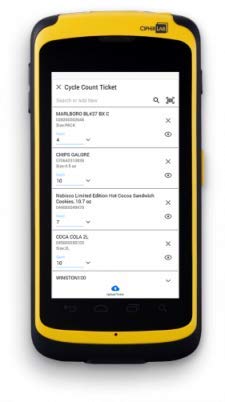
CipherLab RS51 series mobile barcode scanner dimensions 6.37 x 3.15 x 1.02 inches
Using Mobile Apps for Cataloging
While numerous mobile apps are available for cataloging, Libib and iBookshelf stand out due to their impressive barcode scanning capabilities, which allow users to efficiently compile their book collections by automatically fetching essential bibliographic information via ISBN. Additionally, other mobile apps like My Library and Book Crawler enhance organization strategies by tracking loaned items and sending reminders for book returns—perfect for the forgetful! (We’ve all been there.) Apps such as LibraryThing offer online cataloging options, featuring user-generated content, including annotations and reviews, fostering deeper engagement with collections. Moreover, most cataloging apps, including iCollect Books Pro, empower users to sort books by genre, author, or title, ensuring personal libraries cater to unique preferences—all at low costs or even free! For those aiming to enhance research skills, academic writing guides can complement the organization strategies provided by these apps, offering structured methodologies for more effective research and writing.
Recommended Products

No Hidden Fees or Forced Subscriptions: The SmartPOS 129 arrives ready to use, equipped with a comprehensive range of functionalities, ensuring no additional costs. For details on these capabilities, refer to the "SmartPOS Included Features" table below.

✅[Larger Capacity Endurance] 8000mAh rechargeable Li-ion battery, the high capacity battery delivers up to an impressive 12 hours of power - enough for the longest shift. You no longer have to worry about being interrupted by power cuts. Just charge it for 3 hours and get 12 hours of work and 500 hours of standby time. The camera and the scan engine cannot be running at the same time. Please use the original charger, as using other chargers might cause charging issues. No standalone lithium batteries are included with the product.

Basic Introduction - This rugged Android handheld data terminal is developed based on a superior Octa-core CPU and the most update Android 13 OS. It integrates multiple function modules incl. 1D/2D barcode scanner, 13MP camera, Bluetooth, WiFi & 4G. It is particularly designed for enterprise mobility applications in retail, distribution, field service, manufacturing, shipping, logistics, warehousing etc., tasked with delivering high work efficiency, reducing operational costs.
Manual vs. Digital Cataloging
When considering how to catalog a personal library, the choice between manual and digital methods presents both exciting possibilities and practical challenges! Manual cataloging involves jotting down details like titles and authors in notebooks or spreadsheets, which can be enjoyable yet time-consuming, especially for larger collections. On the other hand, digital cataloging offers apps such as LibraryThing and Libib that allow for instant barcode scanning and organized data retrieval, making the process remarkably faster. While manual methods offer personal engagement with one’s collection, digital tools enhance the user experience with features for tracking loans and reading progress. Ultimately, the decision depends on whether one prefers a reflective, hands-on approach or the efficiency and accessibility of modern technology! When selecting resources for cataloging, consider the presentation quality of digital tools, as engaging and visually appealing interfaces can enhance the cataloging experience.
Creating Custom Labels and Categories
Creating custom labels and categories can transform a personal library into a vibrant, organized haven for book lovers! Implementing a color-coded labeling system offers a delightful way to categorize books by theme, such as history or science, enhancing both organization and identification. Using a Dymo label-maker, one can produce clear and concise custom labels featuring abbreviated Library of Congress call numbers for quick shelving. For an aesthetically pleasing look, labels can be applied to the back cover of adult books, allowing easy visibility when titles are slightly pulled out. Additionally, employing whimsical materials like Washi tape can add flair to designating sections like picture books and poetry, particularly within a children’s library! Enjoy the process; it’s a rewarding adventure! Consider using premium materials for labels and covers to ensure durability and long-lasting protection against wear.
Recommended Products


Professional Industrial Label Maker - Offers up to 20 label sizes, including self-laminating, nylon, PET all-weather tapes, and heat shrink tubing, with new materials in continuous development. A 300 dpi resolution performs crystal-clear printing texts . With a 1-inch print head that prints up to 8 lines of text, it doubles the information capacity.

The information below is per-pack only
Tips for Organizing Your Books
Organizing a personal library is not just about aesthetics; it’s a delightful journey that can enhance both access to and enjoyment of one’s collection. To navigate this adventure, one might arrange books by genre or author, creating a system that resonates with individual interests. Implementing a color-coding system with vibrant labels can also assist in visually categorizing books, making themes instantly recognizable. For those seeking efficiency, cataloging apps like LibraryThing or iCollect Books Pro streamline tracking and systematic organization! Combining genre and alphabetical sorting through hybrid shelving methods caters to diverse tastes while enhancing accessibility. When selecting books, consider the author’s expertise to ensure credible and enriching reads. Finally, regularly evaluating the collection guarantees it mirrors current interests, with the freedom to part with those books that no longer bring joy (yes, even that dusty bestseller!).
Maintaining Your Catalog Over Time
Maintaining the catalog of a personal library can be as rewarding as the organizing process itself, offering an opportunity to reflect on one’s reading journey and keep the collection vibrant! To guarantee a well-kept record, regular updates are essential, including adding new treasures and removing unwanted volumes. Scheduling periodic maintenance sessions helps verify call numbers and confirms that crucial details—like author names and titles—are correct. Public libraries often utilize cataloging apps with built-in reminders for returning borrowed books, making organization easier over time. Additionally, engaging in seasonal refreshes and thematic reorganizations infuses excitement into the catalog, while attending to book conditions, like repairing spines, keeps everything pristine (and looking less like a yard sale!). For those interested in design, exploring Art Nouveau books can provide a visual feast and inspiration for creative projects. Happy cataloging!
Tracking Borrowed Books
Tracking borrowed books blends the thrill of lending with the art of organization, ensuring that cherished titles don’t go missing in action! Utilizing cataloging apps like libib or Home Library, individuals can effortlessly keep tabs on borrowed books, noting their current locations and borrowing statuses. Barcode scanning functionality makes the process even smoother, turning a potentially tedious task into a quick and enjoyable experience. These apps also allow users to send gentle reminders to borrowers about due dates, ensuring timely returns. Additionally, creating a specific category or shelf for borrowed titles within the cataloging system streamlines retrieval. Regularly updating the inventory is essential, allowing for an accurate representation of one’s collection while preventing duplicates—an absolute win! For music enthusiasts, cataloging their collection could include Vogue x Music, a stunning compilation of portraits that captures the intersection of music and fashion.
Shelving Strategies for Limited Space
Maximizing limited space in a personal library can transform even the coziest corner into an organized haven of literary wonders! Implementing effective shelving strategies is essential for optimizing storage. Utilizing vertical shelving allows for taller stacks, making efficient use of height, while hybrid organization methods—combining author and genre arrangements—ensure personal interaction and easy browsing. Flat stacking paperbacks saves shelf space, reducing spine strain and increasing longevity. Decorative labels serve as an inviting guide, categorizing books for effortless navigation. Creating a cozy reading nook, complete with comfortable seating and adequate lighting, enhances accessibility and transforms any cramped area into a delightful retreat for bibliophiles. To further enhance your library’s charm, consider incorporating stylish designs from book-themed tote bags that reflect your literary passion. These thoughtful approaches help cultivate a compact yet charming library experience!
Recommended Products

Complete Wall System: Includes three bookcase wall units and a sliding ladder for a comprehensive, customized library look.

[Premium Material Composition]: Constructed with genuine wood veneers and solid wood molding paired with engineered wood backing for increased durability during daily use

ABUNDANT STORAGE: This 10 compartment storage unit has multiple wide and narrow sections providing ample space to store both big & small items. Ideal for use into any room at school, classrom, daycare, office & home.
Protecting Your Collection From Damage
Creating a stunning personal library is an art that goes beyond organizing and displaying books; it also involves safeguarding those precious volumes from potential damage. Protecting your collection from damage starts with choosing the right environment—avoid direct sunlight, which can fade covers and spines, and maintain consistent temperature and humidity levels to prevent binding deterioration and paper yellowing. Using archival sleeves for delicate editions, along with regular inspections, guarantees that even your most cherished tomes can withstand the test of time. Cleaning shelves with appropriate solutions keeps dust at bay. Additionally, cataloging your collection not only helps with organization but also serves insurance purposes, providing an invaluable record of all those literary treasures (imagine tracking a signed first edition!).
Frequently Asked Questions
How Do You Catalog Your Personal Library?
To achieve unparalleled Library Organization, one must employ barcode scanners, establish an elaborate labeling system, and consistently log new acquisitions, transforming mere bookshelves into majestic archives of literary treasures, bursting with order and beauty.
What Are the Methods of Library Cataloging?
Library cataloging methods encompass various techniques, including established classification systems, digital tools for tracking, and organizational strategies like sorting by genre or author, all aimed at enhancing accessibility and efficiency within collections.
What Is the Golden Rule of a Library?
The Golden Rule of a library underscores the principle of “Every book its reader,” reflecting library ethics through accessible organization, fostering exploration, and ensuring materials meet diverse interests to cultivate a vibrant reading community.
How Do I Keep Track of All the Books I Own?
Like a painter cataloging colors, one can maintain a book inventory by utilizing cataloging apps, implementing a labeling system, regularly scanning for duplicates, and developing a personalized organization method that enhances accessibility and enjoyment.