As an Amazon Associate, we earn from qualifying purchases. Some links on this site are affiliate links at no extra cost to you. Our recommendations are based on thorough research and editorial judgment.


Field Guides for Families: Nature Walks With Identification Keys

For families enthusiastic to explore nature together, field guides with identification keys are golden tools! Trusted choices include Peterson Field Guides and the National Audubon Society series, which boast about 200-400 pages filled with stunning photographs and illustrations. These guides make identifying local flora and fauna enjoyable and educational! Plus, they often feature engaging activities to spark a child’s curiosity. With these resources in hand, families can connect deeply with nature—more exciting tips await!
Key Takeaways
- Choose field guides with identification keys to encourage children to differentiate between species during nature walks.
- Select beginner-friendly guides with photographs to enhance the learning experience and boost confidence in identifying local flora and fauna.
- Engage kids by incorporating real-time comparisons of features from field guides while exploring nature, making observations interactive and fun.
- Encourage documentation of observations in nature journals alongside field guides to reinforce learning and create lasting memories from family outings.
- Look for thematic guides that focus on local ecosystems, enabling richer discussions about biodiversity and encouraging curiosity about the natural world.
Choosing the Right Field Guide for Your Family
You may be interested


How do families pick the perfect field guide for their nature walks? First, they should seek field guides that focus on regional flora and fauna, ensuring relevancy for local species! Beginner-friendly guides are essential, as they help families identify common species, allowing for gradual skill-building before tackling more specialized texts. Opting for guides with photographs—rather than illustrations—can greatly enhance identification accuracy for everyone involved. Interactive options, including identification keys or dichotomous keys, engage children in the enchanting process of nature discovery! Popular series like the Peterson Field Guides or National Audubon Society Field Guides offer accessible information and can cater to various interests. With these tools, family nature walks transform into unforgettable learning experiences! Additionally, consider resources that include visual aids and practical solutions to enrich the educational experience, similar to those found in recommended horticulture books.
Recommended Products



Engaging Kids With Field Guides During Nature Walks

While many families may initially view field guides as mere reference tools, these resources can transform nature walks into interactive adventures that spark children’s curiosity and foster a love for the outdoors! Engaging kids with a field guide encourages independent exploration, as they actively participate in identifying birds and plants. With fun dichotomous keys, children learn to differentiate species based on observable features, boosting their confidence. Observing details like size and color enriches their nature study, making each finding exciting! Kids can also document their discoveries in personal notebooks, reinforcing learning (and subtly reminding parents of their own childhood curiosities). Ultimately, using a field guide enhances the experience, transforming mundane walks into exhilarating journeys of observation and adventure! A great option for families is the National Geographic Field Guide, which covers over 1,023 species, providing detailed illustrations and maps to enrich the birdwatching experience for both beginners and seasoned enthusiasts.
Recommended Products

Model #172660 - BX-4 Pro Guide HD 10x32mm binoculars in shadow gray


Used Book in Good Condition
Recommended Field Guides for All Ages

Field guides are an indispensable companion for families enthusiastic to explore the wonders of nature! Quality selections like Peterson Field Guides and Audubon Society Field Guide Series equip aspiring naturalists with crucial information, particularly when trying to identify birds and plants. Illustrated guides from National Geographic enhance the learning experience with stunning photographs that support species recognition. For the younger audience, engaging books such as “Take Along Guides” make learning enjoyable, while the “One Small Square” series encourages family exploration by breaking down ecosystems into easier segments. These nature books not only foster curiosity but also make identifying local flora and fauna an adventure! With such a variety of options, there’s a perfect guide for every family keen to venture outdoors! As with neuroscience books, neurodevelopmental factors play a significant role in shaping the way children perceive and engage with the natural world, making it vital to choose age-appropriate field guides.
Recommended Products

The 18x56 Razor UHD binos use an Abbe Koenig prism design and provide ultra high definition, optical quality for unparalleled resolution, sharpness, color and light transmission. Includes an exclusive, green GlassPak Pro harnesss & rangefinder pouch.
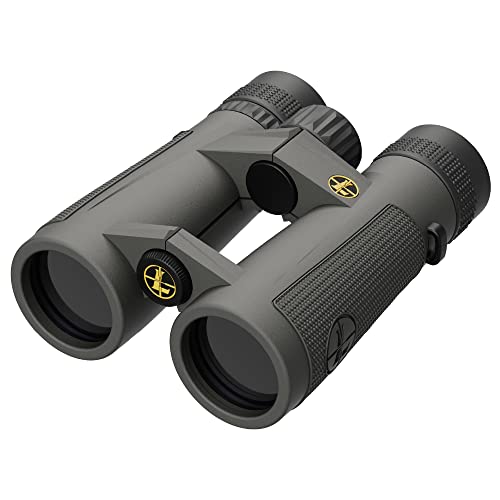
Model #174481 - BX-5 Santiam HD 8x42mm in Shadow Gray

Tips for Enhancing Nature Observations With Field Guides
Bringing along field guides not only enhances the quality of nature walks but also engages families in a lively educational experience! To elevate observations, families can grab a field guide focused on local wildlife—something like “Backyard Birds” by the Audubon Society, which includes stunning illustrations and helpful range maps. Utilizing a good field guide allows for real-time comparisons of features, boosting bird ID skills while fostering critical thinking through dichotomous keys. Documenting findings in a personal nature journal alongside the field guide enriches retention, creating lasting memories of exploration. For a thematic approach, use field guides that cover similar topics, enhancing discussions about biodiversity. Coral reefs are significant to marine biodiversity, and understanding their decline can inspire conservation efforts. This post contains affiliate links, so using these resources supports their continued availability. Happy exploring!
Recommended Products

ADVANCED TECH MEETS ICONIC DESIGN: The NexStar 4SE pairs Celestron’s legendary orange tube with a fully computerized GoTo system—ideal for those ready to step up from manual scopes and explore more of the night sky with precision and ease.


Ultimate Outdoor Wireless Camera 4K HDR Video(2 Camera, SmartHub Included & Required): Watch, listen & talk. Monitor your home, property & keep your loved ones safe with 4K HDR Ultra-Wide Field of View. Dual-Band Wi-Fi connects to the SmartHub.
Building a Lasting Connection to Nature Through Field Guides
As families traverse the great outdoors, their connection to nature deepens when they utilize thoughtfully curated field guides like “National Geographic’s Field Guide to the Birds of North America” (with over 500 pages of dazzling photographs!). These engaging books serve as invaluable educational tools, empowering families to identify local flora and fauna while fostering curiosity during nature walks. By employing identification keys, families cultivate critical thinking skills, learning to categorize species based on distinguishing features. Personal experiences shared while using field guides often create lasting memories, reinforcing the bond formed through shared discovery in nature. The exquisite photographic and illustrated examples found in these guides enhance children’s understanding of biodiversity, deepening their appreciation for the fascinating variety present in their ecosystems. Families can also explore the wonders of marine life with books such as National Geographic Little Kids First Big Book of the Ocean, which provides engaging profiles and stunning photos of ocean animals.
Frequently Asked Questions
Can Field Guides Be Used for Urban Nature Walks?
Field guides can indeed enhance urban nature walks, enabling families to explore urban biodiversity. They improve identification skills while fostering nature exploration, promoting wildlife observation, and encouraging activities in city parks and appreciation of diverse plant species.
Are There Mobile Apps That Complement Traditional Field Guides?
Yes, numerous mobile apps complement traditional field guides by offering identification keys, enhanced user experience, offline access, species recognition, data sharing, and interactive features, enriching the engagement with nature for users during their explorations.
How Can We Create Our Own Field Guide?
Creating a personal field guide involves selecting subjects, sourcing images, organizing information, and writing descriptions. Templates can facilitate this process, while engaging activities invite family involvement, turning the project into a collaborative learning experience.
What Age Is Appropriate to Start Using Field Guides?
At an early age, young explorers can begin using field guides, typically around age five. This fosters family bonding and enhances nature literacy, observational skills, and species recognition, aligning with essential age milestones in outdoor education.
Do Field Guides Cover Local Ecosystems Effectively?
Field guides often cover local ecosystems effectively, detailing local flora, habitat types, and wildlife identification. They emphasize ecosystem diversity, species interactions, and conservation strategies relevant to specific geographic locations, enhancing understanding of each environment’s unique dynamics.