As an Amazon Associate, we earn from qualifying purchases. Some links on this site are affiliate links at no extra cost to you. Our recommendations are based on thorough research and editorial judgment.

How to Evaluate Sources in Visual-Heavy Books

Evaluating sources in visual-heavy books requires critical examination of both text and imagery. Begin by evaluating the author’s expertise and the publisher’s reputation, with names like Penguin Random House often indicating reliability. Pay attention to visual design elements like color, typography, and composition, as these can greatly affect comprehension. Confirm visuals have context and align with the book’s message. Engaging with visuals means understanding their purpose too! Stay curious, as there’s even more to explore!
Key Takeaways
- Assess the author’s credentials and expertise to determine their authority on the subject matter presented in the book.
- Evaluate the publisher’s reputation to ensure adherence to editorial standards and quality in visual design.
- Analyze the visual elements such as colors and typography, as they significantly impact the reader’s engagement and understanding.
- Contextualize visuals with accompanying texts and descriptions to enhance comprehension and uncover potential biases.
- Use the CRAAP test focusing on currency, relevance, authority, accuracy, and purpose to evaluate the credibility of visual content.
Understanding Visual and Textual Content
You may be interested

A Beginner’s Guide to Typography Coffee Table Books
December 27, 2025

Architecture of Place: Reading Regional Design Books
December 27, 2025

Archiving Finished Topics Without Losing Ideas
December 27, 2025
When diving into the world of visual-heavy books, one quickly discovers that their unique blend of images, infographics, and engaging text offers an exciting approach to learning! Understanding the interplay between visual elements and textual content is essential to fully appreciate these sources. Readers should evaluate a source by examining the creator’s authority and technical quality of images, as clarity influences reliability. Descriptive texts often provide important background information, allowing deeper comprehension of visuals and narratives alike. Colors, compositions, and typography guide interpretation, making it important to recognize how these elements affect the overall message. Therefore, ensuring the visuals and texts are reliable and appropriate enhances the enriching experience offered by visual-heavy publications—truly a fascinating way to explore complex concepts! Additionally, books like The Design of Everyday Things incorporate real-world examples that provide practical applications in mastering user-centered design and product usability.
Recommended Products


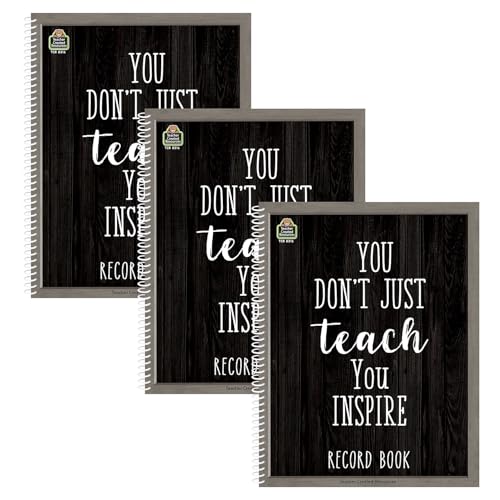
Keep all your important information at your fingertips with this inspiring and stylish record book. Plenty of space is provided to record grades for assignments, tests, attendance, or other notations. Each two-page spread allows enough space for 10 weeks worth of record keeping.
Assessing Author and Publisher Credibility

Evaluating the credibility of an author and publisher is crucial for readers traversing the landscape of visual-heavy books, especially since the right expertise can elevate the learning experience! First, examining the author’s credentials—such as their academic background, previous publications, and professional affiliations—can reveal their expertise on the subject. Next, consider the publisher’s reputation; opting for an academic publisher, like Oxford University Press or MIT Press, usually guarantees higher editorial standards. Additionally, look for endorsements or reviews from reputable sources, which highlight the author’s qualifications and the work’s quality. Finally, analyzing the transparency of research methods and sources used is essential. This clarity enhances the reliability of content, helping readers make informed decisions. Staying informed on current trends is crucial for maintaining relevance. Happy exploring!
Recommended Products

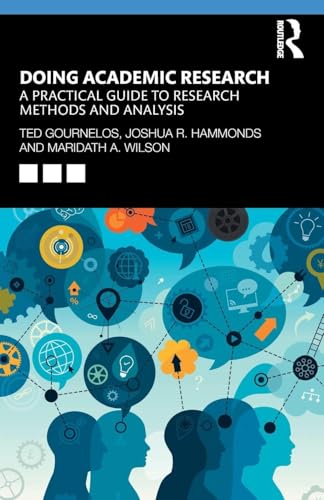

Noise: The new book from the authors of ‘Thinking, Fast and Slow’ and ‘Nudge’
Analyzing Visual Design and Elements

Visual design and elements play an essential role in conveying information in visual-heavy books, as they not only enhance aesthetic appeal but also influence how effectively the content engages readers. Color choices can evoke emotions—warm hues spark urgency, while cool tones provide calmness! Typography, with its varied fonts and arrangements, sets the tone for the narrative, affecting readability and formality. The composition of elements—alignment, spacing, and sizes—affects clarity, ensuring the main ideas stand out. When analyzing sources, look for how these visual aspects work together harmoniously to deliver a cohesive message. Books from renowned publishers often demonstrate meticulous attention to these elements, making them worthwhile resources! Thus, understanding and evaluating visual design should not be overlooked! Additionally, hands-on exercises in photography books are vital for engaging learners and reinforcing fundamental concepts, offering practical application that aids in mastering techniques.
Recommended Products


Contextualizing Information and Images
Understanding the context in which images are presented can greatly enhance one’s comprehension of visual-heavy books, as the surrounding text often shapes their interpretation and significance. Analyzing contextual information—like publication dates and accompanying descriptions—reveals how visuals relate to the author’s arguments. Scrutinizing the credibility of both text and images helps readers uncover potential biases, enriching their understanding of the content. For instance, a powerful image might take on new meaning when paired with insightful captions! By examining colors, shapes, and textures, one can appreciate how visuals guide attention and embody the book’s message. Core design principles, such as balance and contrast, are crucial in creating engaging and visually appealing covers that complement and enhance the book’s content. Remember, the synergy between images and text creates a layered experience, inviting deeper exploration and thoughtful engagement with the material. Happy reading!
Evaluating Intended Audience and Perspectives
How might one determine the intended audience of a visual-heavy book, and why does this matter? Recognizing the intended audience is vital as it shapes the book’s complexity and depth, ensuring it aligns with readers’ educational or entertainment desires. Analyzing the author’s credentials can reveal biases and perspectives that might color both text and visuals. Additionally, examining the language and tone of the visual elements, from vibrant colors to engaging layouts, offers insights into the emotional appeal aimed at different demographics. Contextual considerations—like historical and cultural factors—further illuminate the perspective provided, enriching readers’ understanding. When these elements align, the book resonates more fully, capturing attention and sparking interest! (What a glorious discovery!) Furthermore, age appropriateness significantly impacts the learning experience, ensuring the content aligns with developmental milestones and interests, which is a crucial factor when selecting educational materials.
Using the CRAAP Test for Visual Sources
Employing the CRAAP Test for visual sources in books offers a structured approach to ensuring high-quality content that enriches the reading experience! To effectively evaluate a source, begin with Currency—the publication date matters; does the visual content reflect current trends or information? Then, consider Relevance. Ask if the visuals support your research goals or provide clarity on the subject. Next, investigate Authority. Understanding who created or published the visuals—experts in their field—adds credibility. Accuracy is essential; cross-reference visuals with credible sources to confirm factual backing. Finally, dissect the Purpose. Recognizing whether the visuals aim to inform, persuade, or entertain can help identify any bias. This methodical process empowers readers to discern valuable content with confidence! Additionally, visual representation of Gothic elements is emphasized in Gothic architecture literature, helping readers visualize architectural complexities through detailed illustrations.
Recommended Products


Exploring Primary vs. Secondary Visual Sources
Visual sources come in two distinctive flavors: primary and secondary, each offering unique insights and perspectives on the subject matter. Primary visual sources, such as photographs, paintings, and maps, serve as original materials created during the time under study, delivering direct insights into historical events and cultural contexts. In contrast, secondary visual sources—like textbooks or documentaries—analyze or interpret these primary visuals, offering valuable context and commentary. When evaluating these sources, it is essential to assess the reliability of primary visuals by examining their provenance and the context of creation. Understanding these relationships is vital for interpreting meanings and messages conveyed in visual-heavy texts. Engaging with both types can reveal rich narratives and unexpected layers! Incorporating eco-friendly practices in the production of visual-heavy books not only enhances their aesthetic appeal but also underscores a commitment to sustainability, adding another layer of value to these resources.
Recommended Products


Frequently Asked Questions
What Are the 5 Criteria for Evaluating Sources?
In evaluating sources, one must consider reliable authors, publication dates, audience relevance, source diversity, factual accuracy, and citation integrity, ensuring scholarly integrity reminiscent of parchment scrolls in an age dominated by digital media.
How to Properly Evaluate a Source?
To properly evaluate a source, one must consider source reliability, author expertise, publication credibility, bias assessment, information accuracy, and visual integrity, ensuring a thorough understanding of its value and potential influence on interpretation.
What Method Is the Best Way to Analyze Sources?
To effectively analyze sources, one should employ visual analysis techniques, engage in source verification methods, evaluate image context, assess author credibility, examine publication reliability, and consider the impact on audience perception for informed understanding.
What Are the 5 Characteristics of a Credible Source?
Five characteristics of a credible source include authority indicated by author expertise, accuracy supported by source transparency, relevance to the topic, the publication’s reputation, and effective bias detection, ensuring visual authenticity and reliability of information presented.