As an Amazon Associate, we earn from qualifying purchases. Some links on this site are affiliate links at no extra cost to you. Our recommendations are based on thorough research and editorial judgment.


Using Marginal Notes to Build Article Outlines

Using marginal notes to build article outlines transforms mere reading into an engaging, analytical process! By jotting down key ideas, summarizing arguments, and making connections, readers can create structured outlines that reflect their insights. For instance, utilizing colors to categorize information or symbols to denote themes makes retrieval easier. These techniques not only encourage deeper comprehension but also foster personal reflections throughout the text. Excited to uncover further techniques to elevate your writing? There’s more to explore!
Key Takeaways
- Utilize marginal notes to summarize key arguments and main ideas, fostering thematic categorization for article outlines.
- Organize annotations by themes or sections to create a clear structure for the article.
- Incorporate personal reflections in marginal notes to generate unique insights relevant to the article’s focus.
- Use consistent symbols or color coding to quickly identify main ideas, aiding in outline formation.
- Review marginal notes to establish a coherent framework, facilitating the drafting process and ensuring logical flow.
What Are Marginal Notes?

You may be interested

Alternate History and Its Research Notes: How Authors Build Worlds
February 12, 2026

Annotated Classics: When Marginalia Elevates the Reading
February 12, 2026

Artist Monographs: How to Navigate Text, Plates, and Notes
February 12, 2026
Marginal notes—those delightful little annotations nestled in the margins of a page—serve as windows into a reader’s mind, transforming a simple text into a vibrant conversation! These brief notes, often brimming with key details, can include clarifying definitions, insightful questions, and personal reflections that connect to the text. Originating in early manuscripts and proliferating in the 16th century with printed works, marginal notes have become vital for active reading. They promote engagement and deepen comprehension, making it easier to remember important concepts. With the emergence of digital platforms, readers can now utilize highlighting tools and annotation features, ensuring that this rich tradition continues to flourish across various devices. How exciting is that? (Very!) In the realm of academic writing, marginal notes can aid in developing critical thinking by encouraging the reader to question and analyze the material more deeply.
Historical Context of Marginal Notes

Throughout history, the practice of annotating texts with personal insights and clarifications has profoundly shaped the reading experience, particularly during the 16th century when printed books flourished. As scholars began to add marginal notes, a vibrant culture of active reading emerged, transforming how readers engaged with texts. This period saw the rise of printed formats that encouraged personal commentary in margins, allowing readers to clarify ideas and reflect on content. These annotations became essential tools for enhancing understanding, guiding thought processes, and cross-referencing information. Today, digital platforms have revitalized the tradition with modern note-taking tools, seamlessly merging historical practices with contemporary technology. Marginal notes, indeed, continue to inspire interactive reading experiences, bridging past and present in delightful ways! A new sentence with historical agricultural practices and their impact on sustainability, offering insights into how past innovations can inform current agricultural strategies.
Purpose of Marginal Notes in Reading

The utility of marginal notes in enhancing the reading experience is both profound and multifaceted. These annotations allow readers to isolate key segments while summarizing main idea(s) right alongside the text, creating a dynamic interplay between thought and understanding. Furthermore, marginal notes offer a venue for personal reflection, encouraging emotional engagement as readers link their experiences with the material. They also spark meaningful discussions through questions or prompts that foster deeper analysis among peers, making group study more interactive and stimulating. Additionally, by distilling complex writing into fundamental concepts, these notes act as personalized study guides, ensuring that essential information is readily accessible during review sessions. Truly, marginal notes transform reading into a more vibrant, engaging process! Moreover, real-world case studies in systems thinking can inspire readers to apply insights gained from marginal notes to effectively tackle complex issues.
Types of Marginal Notes
When exploring the diverse types of notes that can be made in the margins of a book, readers soon discover an array of opportunities to deepen their understanding and engagement with the text. Clarifying notes, for instance, simplify complex terms (like defining DNA as Deoxyribonucleic Acid), while critical commentary notes ignite thought by posing provocative questions, “Q: Does this data account for regional variations?” Furthermore, connection notes create links among ideas, helping to weave a cohesive understanding (e.g., “See §5.3 for parallels”). Personal reflection notes offer a chance to connect emotionally, possibly evoking memories, such as “This reminds me of my own experience in 2018.” Finally, structural markers facilitate navigation through shifts, signaling important changes to enhance the reading experience! Understanding how color psychology’s impact on emotions and behavior can add depth to marginal notes, as readers might note the emotional effects of color in their reflections or connections with the text.
Cognitive Benefits of Using Marginal Notes
Marginal notes offer more than just a space for scribbles; they open a gateway to cognitive improvements that considerably enhance the reading experience! By promoting active engagement with the text, these annotations encourage cognitive processing, which bolsters comprehension and retention of critical information. Readers can effectively summarize key ideas and arguments in the margins, reinforcing their understanding and memory of material. Furthermore, making connections through these notes not only enhances critical thinking skills but also generates questions for deeper analysis. Personal reflections create emotional engagement with the text, markedly improving long-term memory retention. Utilizing a structured approach to marginal notetaking helps in organizing thoughts, thereby streamlining the outlining process and ensuring clarity in identifying main arguments. Practical gardening techniques found in herb garden books can be likened to structured notetaking strategies as they both provide step-by-step guidance to achieve successful outcomes.
Techniques for Effective Marginal Note Writing
A multitude of techniques can elevate the practice of marginal note writing, transforming simple annotations into powerful study tools! Conciseness is essential—short phrases or bullet points quickly convey ideas without cluttering the space. Clarity and precision in terminology also matter; using direct quotes can help avoid ambiguity (nobody likes confusion!). Establishing a consistent shorthand system, with symbols for definitions or questions, will streamline later reviews. Additionally, placing notes logically next to relevant text enhances readability, allowing for immediate connections between marginal notes and content. Finally, incorporating visual cues, such as color coding or icons, effectively categorizes notes and makes finding one’s way through the annotated text a breeze during study sessions (bye-bye scrolling!). Each technique collectively contributes to more effective note-taking! For those interested in comprehensive guidance suitable for novices, “The Beginners Guide to Oil Painting” offers structured learning that can be adapted to note-taking strategies.
Recommended Products

With FocusNotes by Oxford, in just 3 easy steps you can divide the page to conquer meetings, lectures and more

STRAIGHTFORWARD NOTE-TAKING SYSTEM: Built around a proven 3-step strategy with dedicated note, cue, and summary sections that help improve focus, comprehension, and long-term retention

LASTS ALL YEAR. GUARANTEED! Guarantee is valid for one year from purchase date. Does not cover misuse.
Strategies for Integrating Marginal Notes With Reading
Effective reading is not just about absorbing information; it’s about actively engaging with the text, and integrating marginal notes is a dynamic way to achieve that! By transforming headings and subheadings into guiding questions, readers can create focused marginal notes that enhance both reading and note-taking. Utilizing concise phrases and symbols, like bullets or brackets, allows for uninterrupted reading while capturing key themes. Actively summarizing concepts adjacent to the text generates quick-reference reminders. Adding visual cues, such as color coding or icons, helps categorize notes into questions, key ideas, or personal reflections. Finally, reviewing marginal notes post-reading aids in identifying patterns that shape a coherent article outline—a smart strategy for anyone enthusiastic to connect their insights! Many graphic novels cater to various age groups, making them an accessible and engaging entry point to classic literature.
Application of Marginal Notes in Writing Tasks
Transforming reading notes into powerful writing tools can greatly enhance the drafting process! Marginal notes offer a handy reference point that summarizes key arguments and main idea(s), making it easier to draft articles. Writers can create immediate outlines, categorizing notes by themes or sections to achieve a coherent structure. Engaging with personal reflections in the margins fosters unique insights, helping to sharpen thesis statements. Additionally, consistent symbols or color coding allows for quick identification of main ideas and critical commentary, streamlining organization. Regularly reviewing these marginal notes after reading can provide a clear framework for drafting, ensuring all essential points are efficiently incorporated into the writing. With these strategies, writers can create dynamic and compelling articles! Readers interested in diverse perspectives can explore Afrofuturism literature, which offers imaginative narratives and rich thematic diversity.
Recommended Products
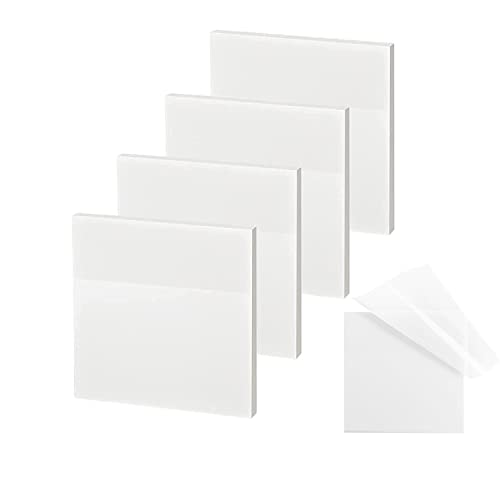
【Practical Design】: Transparent sticky notes Compared with traditional sticky notes, a clear sticky notes design can avoid blocking the original files, on the page adds annotations to books or mark important documents without stain book, sticky notes clear making learning easier
Made in USA - Proudly produced in Ohio by a Veteran-owned business

Package Include: 16 sets of 3200 pieces annotation tabs for notebooks,1.73 x 0.43 inch X 6 sets file tabs , Simple to mark and highlight important information with different morandi colors
Digital Tools for Marginal Note-Taking
When exploring the world of digital tools for marginal note-taking, one might be surprised by the sheer variety available, with options that cater to different preferences and workflows. Notable applications like OneNote and Evernote allow for seamless organization of notes alongside digital texts, making modifications a breeze. PDF readers such as Adobe Acrobat and Preview enhance clarity through annotation features, enabling users to highlight text, add comments, and draw directly on documents. Platforms like Hypothesis even facilitate collaborative note-taking, allowing real-time discussions among users! Additionally, note-taking apps like Notion offer flexible templates for structuring ideas into actionable outlines. With cloud-based storage solutions like Google Drive, these annotated texts remain accessible from any device, transforming the reading and writing experience into a truly dynamic process! For those who still prefer the tactile experience of writing by hand, Leather Journal Notebooks offer durability and style, making them ideal companions for traditional note-taking.
Recommended Products

Please Note: It is NOT an e-ink Tablet, it is a Normal Android Tablet. The XPPen digital notetaking tablet comes with an X-key, you can choose between Monochrome LCD, Light Color, and Nature Color modes with one press. 3 color modes can meet all kinds of needs

New and Improved Core: Features premium reusable paper, with improved pen to paper feel, spiral binding and sleekly re-designed, scratch-resistant cover. College-ruled sheets now include Smart Titles and Smart Tags to name and organize files efficiently.

Brings Handwriting Joy to The Digital Age: Smart digital note-taking with seamless sync on the writing tablet. Write naturally with XPPen Note Plus, and watch your lecture notes, meeting records, or anytime sketching idea appear instantly on your phone
Common Pitfalls in Marginal Notetaking
Many aspiring note-takers might unknowingly fall into a few common pitfalls that undermine their efforts to enhance understanding through marginal notes. One such issue is the “Medieval Monk” Syndrome, where excessive verbatim copying stifles personal interpretation, leading to ineffective notes. Additionally, the “Nothin’ Here” Syndrome results in minimal extraction of key ideas, ultimately creating annotations devoid of insights. Similarly, the “Rest of the Story” Syndrome produces disjointed comments that lack context, failing to support overall comprehension. To elevate notetaking skills, effective annotation techniques are vital, helping avoid these traps. In addition, excessive highlighting can distract readers, causing them to miss significant concepts. By being mindful of these pitfalls, note-takers can truly enhance their marginal writing experience and understanding! Incorporating emotional control in notetaking can also improve focus and prevent distractions, leading to more coherent and insightful notes.
Recommended Products

Hardcover notebook with line-ruled pages (front and back); ideal for notes, lists, journaling, and more

【Leather Hardcover Spiral Notebook】Premium leather combine cardboard constituted a sturdy waterproof cover, prevent coffee、water from wetting the inner pages and against the notebook tabs /pages from bending, while 4 golden metal-corners and thick twin- spiral binding, further protect your important meeting records or work school note well. A kind side pen loop design, which reduce the frequency that losing pens.

【Leather Hardcover Spiral Notebook】Premium leather combine cardboard constituted a sturdy waterproof cover, prevent coffee、water from wetting the inner pages and against the notebook pages from bending, provides a comfortable writing surface. While 4 golden metal-corners and thick twin- spiral binding, further protect your important meeting records or work school note well. A kind side pen loop design, which reduce the frequency that losing pens.
Case Studies of Marginal Note Applications
Case studies of marginal note applications reveal numerous ways these annotations can enrich comprehension and streamline the writing process! For instance, researchers often incorporate marginal notes to summarize key points and categorize case-specific details, leading to more cohesive analyses. Annotating with personal reflections helps to develop a critical lens, creating richer outlines for future writing endeavors. Additionally, these notes can illuminate connections between various sections, making it easier to weave together overarching themes. Effective marginal note strategies enhance critical analysis, ensuring essential aspects are captured in the article outline. With notable examples from scholarly texts (like Smith’s “Research Methodologies,” 2021, 320 pages), the practical advantages of marginal notes become increasingly clear, making them an invaluable tool for aspiring writers!
Recommended Products

Hardcover spiral notebook: The spiral journal notebook is A4 (8.5 x 11in) size, 55 sheets (110 pages), 80 gsm. The classic college ruled notebook is standard 7mm line spacing.

Funny Quote Design: This 4pcs black hardcover spiral notebooks set features humorous work quote in white font, adding fun to your daily tasks. Suitable for note-taking, journaling, sketching, writing, and meetings. Whether you're at work, school, or home, this notebook brings a smile to your day while keeping your thoughts organized.

【Hardcover Journaling Notebook】Featuring soft-touch vegan leather cover for writing durability. Perfect for work, school, or home.
Frequently Asked Questions
What Are Margin Notes Used For?
Marginalia benefits reading comprehension by clarifying complex concepts, fostering personal connections, and stimulating critical discussion. These notes also summarize key ideas and create links between concepts, reinforcing understanding and enhancing retention for future reference.
What Is It Called When You Write Notes in the Margins?
Writing notes in the margins is known as marginal notetaking. This technique encompasses various margin note types, transforming texts into personal canvases, where thoughts bloom alongside ink, enriching understanding and inviting deeper engagement with written words.
How to Take Notes in Outline Format?
Effective note-taking techniques involve organizing thoughts with outline strategies, employing hierarchical structures like Roman numerals for main ideas and indented subpoints, ensuring clarity and conciseness while facilitating ease of understanding and revision.
Why Is It Important to Take Notes in Outline Form?
Taking notes in outline form is vital, akin to a cartographer mapping uncharted territory. The advantages of outlining include enhanced comprehension, streamlined reviews, and improved retention, showcasing the myriad note-taking benefits essential for effective information processing.