As an Amazon Associate, we earn from qualifying purchases. Some links on this site are affiliate links at no extra cost to you. Our recommendations are based on thorough research and editorial judgment.


How to Read Design Anthologies for Ideas You Can Apply

To read design anthologies, like Phaidon’s beautifully illustrated series or Thames & Hudson’s extensive collections, one should start by skimming headings and key terms to unearth relevant sections. Taking meaningful notes, focusing on case studies and color palettes, enhances comprehension. Engaging in discussions sparks creativity while reflecting on ideas helps integrate concepts into personal projects. Exploring additional resources, such as Munari’s “Design as Art” or platforms like Behance, can further inspire. Discovering these techniques can lead to surprising insights!
Key Takeaways
- Skim through headings and keywords in design anthologies to quickly locate relevant sections and ideas for application.
- Take structured notes highlighting key case studies, typography, and color palettes that inspire actionable insights.
- Engage in discussions with others to share interpretations and explore different applications of concepts from the anthologies.
- Reflect on case studies to identify innovative practices and effective design strategies that can enhance your personal projects.
- Seek additional resources like books, online platforms, and podcasts to expand your design inspiration beyond anthologies.
Skimming for Relevant Sections
You may be interested

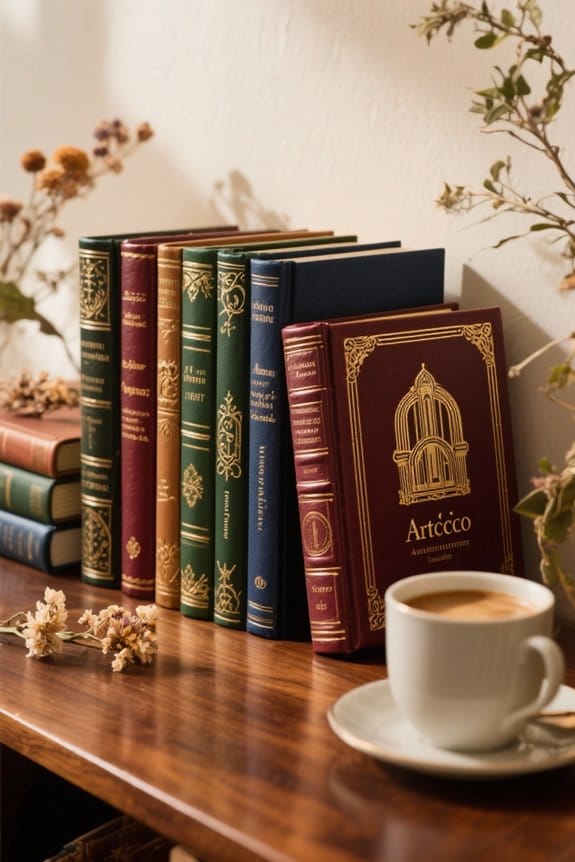
10 Best Art Deco Architecture Books to Inspire Your Design Aesthetic
November 18, 2025

When approaching the task of skimming design anthologies, it’s beneficial to embrace a strategic mindset, as this can dramatically enhance the efficiency of the reading experience. Focusing on headings, subheadings, and keywords allows readers to quickly pinpoint sections that align with their interests or challenges. Utilizing the table of contents can direct attention to relevant chapters, which is a best practice for traversing vast information. Case studies and practical examples serve as fantastic illustrations of smart design choices, offering actionable insights that make concepts come alive! Highlighting key points or visual elements like diagrams adds another layer of inspiration, ensuring that each reader walks away with practical knowledge and motivations for their own design projects. A good example of this is using books like *The Fundamentals of Interior Architecture*, which include practical projects that blend theory with application, to enhance learning and engagement. Happy skimming!
Recommended Products


Taking Meaningful Notes

After identifying relevant sections through strategic skimming, readers can elevate their experience with design anthologies by taking meaningful notes that capture insights and ignite creativity. Engaging with design books allows enthusiasts to learn a lot about good design principles. By highlighting key case studies, typography choices, and color palettes, they can create structured notes using headings and bullet points, simplifying future references. Annotations in the margins or sticky notes can mark sections that inspire further exploration, eventually leading to innovative applications in personal projects. Compiling actionable takeaways guarantees that each anthology serves as a valuable resource for future endeavors, effectively blending inspiration and practicality into the creative process. Consequently, meaningful notes transform the reading experience into an actionable design journey! Additionally, readers of event management literature can benefit from taking notes on marketing and promotion strategies to effectively reach their target audiences and apply these techniques to enhance their own events.
Recommended Products

Package Include: 4 pack sticky tabs for notebooks,800 pieces 1.73 x 0.43 inch X 4sets,sticky note tabs with different morandi colors tabs for annotating books

Measuring 5.5 x 8.3 inches, this notebook is easy to fit into a backpack or carry around, making it perfect for students or professionals to use anytime, anywhere.

More Quantity: 21 sets of 4200 pieces annotation tabs for books, each sticky tab size is 1.73 x 0.43 inch. Book tabs simple to mark and highlight important information, More colors and more quantity of book annotation tabs are enough to be used for a long time
Engaging in Collaborative Discussions

Engaging in collaborative discussions about design anthologies not only enriches understanding but also transforms the reading material into a vibrant exchange of ideas! By inviting multiple perspectives, participants can share personal insights and experiences that relate to the anthology’s themes, deepening their connection to the material. These active collaborations encourage brainstorming sessions, in which practical applications for the ideas presented are explored, sparking innovation within design practices. Group discussions effectively highlight varying interpretations of design elements, allowing for a richer exploration of how these concepts can be adapted to different projects. Additionally, feedback and constructive criticism from peers refine design concepts, enhancing their implementation in real-world scenarios, which is absolutely essential for growing designers! Continuous learning is required as marketing trends evolve, ensuring that designers remain adaptive and informed in their practices.
Recommended Products

Keep their spirits up: Your encouragement cards with envelopes will help motivate those around you. They are perfect for any occasion: as hospital visit or hospice cards, get well soon cards, cards to send to kids at camp, or Just Because cards.

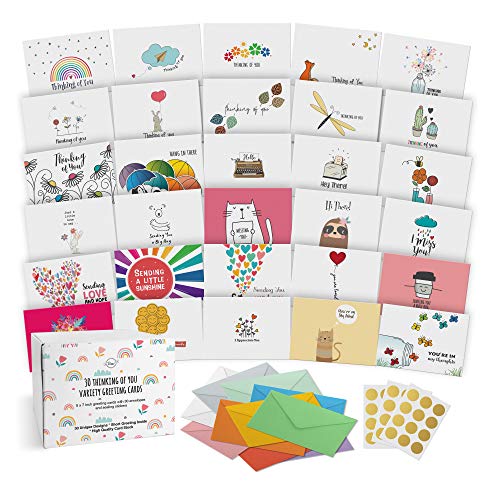
30 LARGE THINKING OF YOU CARDS WITH 30 UNIQUE DESIGNS: Our thinking of you cards includes 30 large, high quality note cards with 30 unique designs. There is no repetition - no need to send the same card twice!
Reflecting on Integration of Ideas
Reflecting on the integration of ideas from design anthologies offers a thrilling opportunity to elevate personal projects and creative processes! By thoroughly examining the curated collections of case studies, one can uncover innovative thinking and practical applications relevant to your unique design goals. Analyzing common design patterns helps individuals pinpoint strategies that resonate with their target audience, guiding them in adapting concepts to fit specific project requirements. Additionally, observing how various design choices were effectively employed provides useful insights into successful problem-solving techniques. Ultimately, embracing these inspirations not only enhances one’s design vocabulary but also enriches the overall creative workflow, paving the way for new ideas and exciting developments in any design endeavor! For those particularly interested in the Brutalist movement, the monograph “The Brutalists: Brutalisms Best Architects” offers comprehensive profiles and visuals that deepen understanding of the style.
Exploring Additional Resources for Inspiration
While delving into the boundless world of design, one can benefit immensely from exploring additional resources for inspiration that extend beyond traditional anthologies. Books like “Design as Art” by Bruno Munari (192 pages, Penguin) offer every reader a fresh perspective, sparking ideas that can invigorate projects. Online platforms such as Behance or Pinterest provide dynamic visual cues, presenting something new every day! Podcasts like “99% Invisible” are excellent for gaining insights into design philosophies, while websites like Dezeen feature case studies that present real-world applications (an invaluable tip to help understand design’s impact). For those wanting to dive deeper into design history, “The History of Modern Design” by David Raizman serves as an all-encompassing guide. Incorporating sustainable design practices from resources like “Eco-Chic Hotels” can appeal to eco-conscious travelers and align with modern hospitality trends. Exploring these options ignites creativity!
Recommended Products


Frequently Asked Questions
What Are the Seven 7 Elements of Design?
The seven elements of design are line, shape, form, space, texture, color, and type. These elements work together, informed by balance principles, color theory, and texture variation, to create effective and harmonious visual compositions.
What Are the 3 C’s of Graphic Design?
The 3 C’s of graphic design include Color theory, which influences emotions; Contrast principles, creating visual interest; and Composition techniques, ensuring balance and clarity, essential for effective communication and audience engagement in design work.
How to Get Hired to Design Book Covers?
To get hired for book cover design, one must cultivate a strong portfolio presentation, employ effective networking strategies, and maintain clear client communication, demonstrating both creativity and an understanding of industry trends to appeal to employers.
How to Come up With Ideas for Design?
To generate design ideas, one can explore inspiration sources like nature or art, employ brainstorming techniques such as mind mapping, and engage in creative exercises like sketching or collage-making to reveal innovative concepts and approaches.