As an Amazon Associate, we earn from qualifying purchases. Some links on this site are affiliate links at no extra cost to you. Our recommendations are based on thorough research and editorial judgment.


The Role of Printing and Binding in Premium Art Books

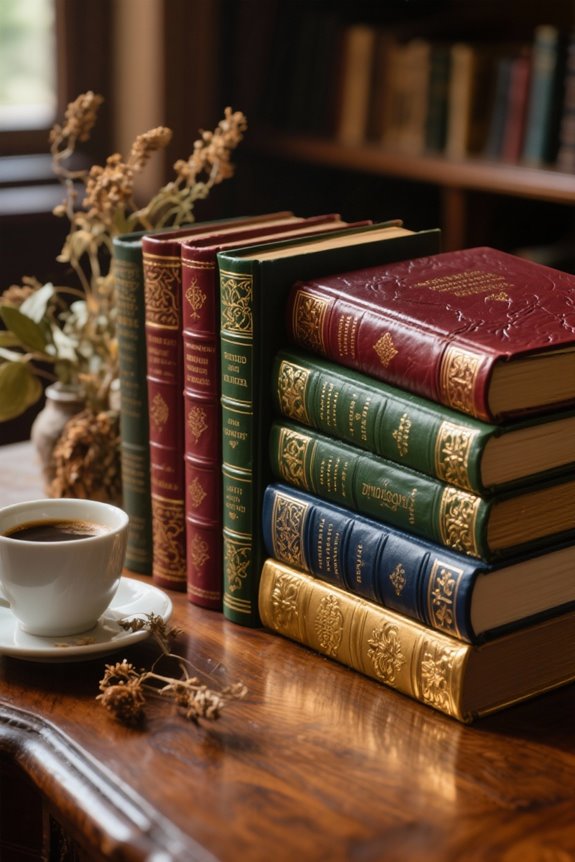
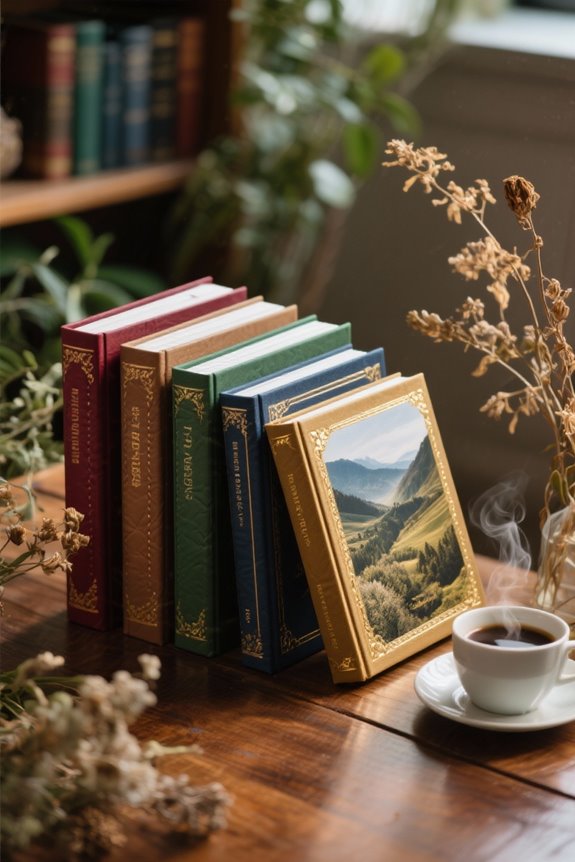
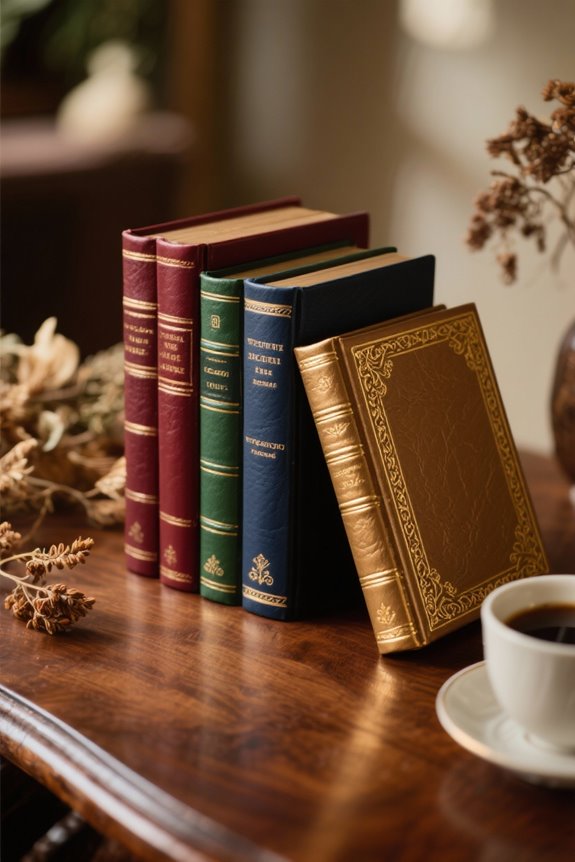
Printing and binding are essential in crafting premium art books that truly captivate! High-definition color accuracy guarantees vibrant displays, especially with advanced techniques like H-UV offset for rich, true tones. Choosing the right paper and finishes, such as foil stamping or matte lamination, enhances both aesthetics and tactile experience. Binding methods, including durable hardcover and sleek perfect binding, elevate a book’s feel and longevity. Curious about how well these elements intertwine? There’s even more to explore!
Key Takeaways
- Quality printing with high-definition color accuracy elevates the visual impact of art, making images vibrant and engaging through advanced techniques like H-UV offset.
- Binding methods, such as hardcover and perfect binding, ensure durability and enhance the overall aesthetic appeal of premium art books.
- Expert finishing techniques like foil stamping and embossing add tactile engagement and visual depth, making the book more desirable to buyers.
- The choice of paper stock significantly affects both color vibrancy and the tactile experience, contributing to the book’s luxurious feel.
- Collaboration with experienced printers ensures meticulous quality control and access to advanced printing technologies essential for premium art book production.
Importance of Quality Printing in Art Books
You may be interested


Quality printing serves as the beating heart of art books, transforming mere pages into vibrant showcases of creativity! This process not only enhances the vibrancy and clarity of images but also utilizes high-resolution outputs that faithfully reproduce artists’ intent. Premium print techniques, like H-UV offset printing, guarantee that colors appear as intended, with minimal discrepancies between digital and printed images. The choice of paper stock, whether glossy or matte, profoundly influences visual impact and tactile experience. Consistent color calibration is essential for maintaining precise color accuracy throughout the book, preserving the original artwork’s integrity. Finally, high-quality finishes, such as lamination, not only protect the art but also elevate the book’s luxurious appeal, making it a cherished keepsake for collectors and enthusiasts alike! Books on photography, such as Understanding Exposure by Bryan Peterson, often emphasize the importance of visual clarity and detail, which is crucial for both learning and artistic appreciation.
High-Definition Color Accuracy

In the world of art books, high-definition color accuracy stands out as a fundamental element that can make or break a publication’s impact. Achieved through advanced printing processes, including H-UV offset, this precision guarantees vibrant colors align with the artist’s original vision. Maintaining color fidelity becomes significant, especially when converting files from RGB to CMYK, to prevent unwanted shifts. Using high-quality paper stock with ideal coating options—whether glossy or matte—further enhances color vibrancy and longevity. Important steps like color calibration and proofing guarantee that the printed output mirrors the digital designs, which is essential for accurate representation. Additionally, a minimum resolution of 300 dpi preserves clarity, making each art piece a true visual delight! A notable aspect of premium art books is their emphasis on composition, as seen in photography collections that highlight the importance of this element for enhancing visual storytelling.
Various Printing Techniques and Their Impact

Art books thrive on the intricate interplay between various printing techniques, each playing an essential role in shaping the reader’s experience and the artwork’s presentation. Digital printing shines in short runs of premium editions, offering fast production with remarkable print quality, while offset printing excels for large-scale projects, ensuring color consistency. The choice of paper selection—ranging from coated to uncoated—dramatically affects both color vibrancy and tactile experience, enhancing the book’s allure. Advanced methods like H-UV offset printing provide true-to-artist color representation, amplifying the artwork’s impact. Additionally, expert finishing techniques, such as matte lamination and foil stamping, elevate the aesthetic appeal of these luxury items, marrying visual splendor with impressive durability in every binding method used! Furthermore, understanding the material quality of stained glass can be crucial for enhancing the aesthetic appeal and durability of crafted pieces.
Binding Methods That Enhance Durability
Binding methods play a pivotal role in elevating the durability of art books, ensuring they withstand the test of time while showcasing beautiful visuals. For instance, hardcover binding is often the go-to choice for premium art books, providing robust protection for delicate inner pages. Meanwhile, perfect binding presents a sleek, professional appearance, making it ideal for art books with higher page counts—these bindings can effectively withstand frequent handling! In addition, using durable, heavyweight paper enhances overall resilience, keeping the art’s aesthetic appeal intact. Techniques like foil stamping and embossing not only add to the premium finish but also elevate the overall tactile experience. Art lovers will appreciate the craftsmanship behind these binding methods, resulting in stunning works that last! As with Touchstone Anthology, the choice of high-quality materials and meticulous construction in binding reflects the importance of preserving both the aesthetic and intellectual value of the content.
Recommended Products


Perfect Binding vs. Other Options
When considering the best binding option for an art book, perfect binding consistently emerges as a strong contender for artists seeking both style and functionality! This effective book binding method achieves a professional finish with a flat spine, ideal for showcasing titles. While perfect bound book printing accommodates higher page counts with ease, saddle stitching offers a cost-effective, yet less durable, alternative. Unlike sturdy hardcover options, perfect binding maintains a premium look without excessive bulk. It allows for various customization options, enabling artists to align their vision perfectly, while other methods, like spiral binding, provide limited aesthetics. Ultimately, the choice of binding can greatly impact the visual coherence and durability of an art collection or portfolio! Moreover, books like the 1,500 Color Mixing Recipes provide a user-friendly design that simplifies color mixing while enhancing knowledge of color theory.
Recommended Products


The Role of Material Selection
Selecting the right materials for an art book transcends mere aesthetics, as it fundamentally affects both the presentation and preservation of the artistic vision within its pages. For instance, high-quality paper—like uncoated for text-heavy works or coated for vibrant prints—dramatically enhances visual appeal. A weight of 70 lb to 80 lb strikes an ideal balance between durability and presentation, offering that luxurious feel collectors adore! Furthermore, the finish—whether matte for a natural look or glossy for vibrant colors—affects both style and perception. Textured papers invite touch, creating a solid connection with the art. High-quality illustrations enrich artistic inspiration and educational experience, ensuring that the visual content is as impactful and enduring as the medium it is preserved in. Ultimately, meticulously chosen materials not only guarantee a professional look but also crucial longevity, affirming the value of premium art books to enthusiasts everywhere.
Special Finishing Techniques
Special finishing techniques elevate the allure of premium art books, turning an already impressive publication into a visual masterpiece that captivates collectors and enthusiasts alike! Techniques like foil stamping adorn covers with metallic elegance, providing a stunning focal point. Meanwhile, embossing and debossing invite tactile engagement, creating depth in both cover and pages that resonate beautifully with artistic intentions. Spot UV coating enhances visual appeal by selectively applying a glossy finish, drawing attention to key elements and creating striking contrasts. Custom endpapers add a unique flair, serving as an artistic shift that reinforces the book’s theme. Together, these special finishing techniques not only increase durability but also transform a quality publication into a cherished treasure worthy of any art lover’s collection! By incorporating elements like rich visual content from jazz literature, premium art books gain an added layer of narrative depth, enhancing both visual and intellectual engagement.
Recommended Products

Heat Tool - The heat tool is a compact heat gun that can be used for rubber stamp, embossed powder, heating shrinkable film, heat shrink tubings and drying paint and more. Dimension: 240*50mm / 9.44*1.97in. Voltage:110V. Made of high-quality ABS plastic outside and stainless steel inside, portable, simple and durable.

Ranger Embossing Powder: Experience the quality of our Ranger Embossing Powder. Ideal for adding a vivid shine to your craft projects, ensuring a striking final product.

CLEAR EMBOSSING PAD: This clear, ultra slow drying embossing pad is from Wow! and is part of this accessories collection. The ink is sticky and the pad is dense, which allows you extra time to add your embossing powders (sold separately) and heat them up
The Influence of Layout and Design
Art books, particularly premium editions, offer readers an exceptional visual journey that marries layout and design with artistic expression! The layout plays an essential role in organizing content cohesively, often utilizing whitespace to enhance artwork visibility. Design elements like margins and page thickness, alongside binding style, influence the tactile experience, making readers appreciate the quality of the work even more. In addition, effective use of image resolution guarantees artwork remains vibrant, true to the originals, while the correct paper weight and finish elevate aesthetics and durability. Premium art books, such as those by Taschen or Phaidon, harness these features beautifully, often incorporating innovative digital layouts to create unique editions that appeal to collectors, enhancing personalization in a satisfying way! The importance of exploring various architectural styles and movements is crucial, as it adds depth and diversity to art books, inviting readers to delve into the rich history and evolution of architectural design.
Engaging the Reader’s Senses
Engaging the senses in premium art books transforms the reading experience into a multisensory delight! The high-quality printing techniques used in these books, like H-UV offset printing, bring visually stunning images to life, making colors vibrant and enchanting. The choice of paper—be it uncoated, textured for a rich tactile experience or coated for exquisite color depth—enhances appreciation of artwork’s nuances. Binding methods such as case binding not only guarantee durability but also contribute to an elegant presentation that is pleasing to the eye. In addition, specialized finishes like matte lamination and foil stamping invite readers to interact physically, while creative design elements like unique cover materials and custom endpapers provide a delightful multi-layered engagement throughout the reading journey! The Canson XL Series Mixed Media Pad features unique color-preserving paper that supports multiple media, appealing to artists of all skill levels.
The Impact of Cost on Art Book Production
The financial landscape of producing premium art books dictates many essential decisions for publishers and creators alike, intimately intertwined with the overall quality and presentation of the final product. Factors such as high-quality materials, printing methods like H-UV offset, and various binding methods critically influence production costs, often ranging from $20 to over $100 per copy. Case binding, while offering superior durability and a luxurious feel, usually comes at a higher price due to its craftsmanship. For self-publishers or small houses, lower print runs can inflate per-unit costs, leading to steeper consumer prices. While employing strategies like bulk printing can ease expenses, such choices may restrict customization and impact the exceptional quality expected in premium editions.
Recommended Products


Archival Storage Solution: This artist portfolio offers an archival storage solution with 20 crystal clear sleeves and acid-free divider sheets, ensuring your valuable artwork remains pristine and well-organized

Your Music In Full Display: Showcase your favorite vinyl record album covers and 33 LP Vinyl in a stunning jukebox-style 24x16 frame with black & white matting, allowing your music collection to take center stage in your wall art décor
Collaborating With Print Professionals
When seeking to produce a stunning art book, one of the wisest decisions is to partner with experienced print professionals who not only understand the nuances of high-quality book production but also possess access to cutting-edge technologies like H-UV offset printing. Collaborating with a trusted print partner enhances the book’s appearance through meticulous quality control, ensuring that every page meets the visual standards essential for art publications. With professional binding techniques such as case binding, books gain durability and a refined look, while textured paper options emphasize the artwork’s vibrancy. Engaging with these experts also allows for custom features tailored to unique project needs, addressing specific requirements in size, layout, and finish to achieve ideal results! To ensure your art book stands the test of time, consider using acid-free, pH neutral papers that resist fading and maintain the integrity of your artwork over time.
Frequently Asked Questions
How Did the Printing Press Affect the Price of Books?
The printing press revolutionized book pricing through printing technology evolution, leading to significant cost reduction factors. Mass production impacted accessibility of literature, influencing historical price fluctuations and consumer demand shifts, while balancing quality versus quantity in book market trends.
Why Is Book Binding Important?
Book binding is essential for preserving literary treasures, intertwining durability considerations and aesthetic appeal. It influences cost implications and material choices, while innovative techniques enhance reader experience, ensuring environmental impact is thoughtfully addressed through sustainable preservation methods.
How Do Publishers Bind Books?
Publishers bind books using various techniques, balancing print quality and material choices. They consider finishing touches, conservation methods, and unique formats while addressing cost considerations in alignment with market trends to meet artistic and functional demands.
Why Do Books Have 10 9 8 7 6 5 4 3 2 1?
The “10 9 8 7 6 5 4 3 2 1” sequence signifies book numbering significance, linking printing history overview to print quality standards, enhancing reader experience while elevating collector’s value appreciation through understanding edition variations and pagination practices.